




Children learn from parents that buses are 'loser cruisers'
We spend countless hours in the schools, working with the elementary students to foster a sense of responsibility and respect.
The same day that our company newsletter came out, breaking the news to our bus drivers that the high school students referred to our buses as "loser cruisers," SCHOOL BUS FLEET arrived with John Edney's article, "Lack of commitment fuels the 'loser cruiser.'" I was dismayed, as John was. How did our buses get this "label"? The attitude certainly didn't evolve on the school bus or in the classroom. Our safety supervisors work closely with PTA parent volunteers, spending endless hours teaching parents in the community about school bus safety. We spend countless hours in the schools, working with the elementary students to foster a sense of responsibility and respect.
'Bus friends' are recruited
Our schools have a fifth-grade program that teaches the students how to be a "bus friend." They are trained in how to assist their driver in an emergency situation, how to shut down the bus, how to use the two-way radio, etc. They help the smaller children find seats, assist them with their backpacks, encourage them to "buckle up" and prompt them to sit properly, keeping their feet out of the aisle. They even go so far as to ask the substitute driver if he needs help with the stops. The position of "bus friend" is coveted by the fifth graders in our schools. As for the middle school, at the beginning of the school year, safety supervisors and bus drivers work together to teach bus safety. Students are well versed in safety rules and procedures. In fact, they are required to sign a contract with the school, agreeing to abide by the rules. In this contract, students agree that after leaving the school bus, they will turn, make eye contact with their driver, and give him an "I'm OK" signal. This encourages the student to communicate with the driver and creates an awareness of the student by the bus driver. It certainly doesn't foster the loser cruiser attitude! Where do I turn, who do I blame, now that I've ruled out the classroom and the school bus? The parents. It all starts at home. Our community is "upscale," where moms and dads, mostly professional couples, both work. I see elementary school children waiting at the bus stop with their moms. The moms, toting coffee cups, bend to kiss their little ones "good-bye" and then look the other way, oblivious to the school bus driver as he opens the door.
Busy moms, busy dads
I see mothers who drive their children from their garage to the end of the driveway and then drive back up the driveway and into the garage once the school bus pulls away from the stop. I see children riding in cars every morning with mom or dad, who are on their way to work. I see parents, with kids in the car, as they drive talking on their cellular phones. I see mom putting on her lipstick as she is stopped at the traffic light, with kids in the car. Moms and dads in too much of a hurry to wait for the school bus to come, who can't wait to dump kids off at the school. I see the frustration in their faces as they curse because they are stuck behind a school bus. I have listened to their yelling because they missed a train, and blamed it on a school bus. I have heard angry demands that I send someone to pick up their child, who has just missed her school bus. Is it any wonder that a pattern starts to emerge as this elementary child or middle school child absorbs mom and dad's attitude? The school bus is an inconvenience, an obstacle to overcome - a nuisance. I rode on a school bus in Lowville, a rural farming area in upstate New York. We picked up K-12 students along a route. They were all respectful of their driver, and each student looked out for the others on the bus. Motorists passed the school bus waving a friendly "hello" on their way to work. We receive gestures down here too, along routes that the commuters travel - shaking fists, the proverbial "finger" or a blast from a car horn - and all of this being witnessed by the children. Children are growing up to be just like their parents in this age of instant gratification. Impatient students don't want to be inconvenienced by a circuitous route home. Walk from the house to the bottom of the driveway? Who's kidding who? Students are much too pressured, too busy with music lessons, dance lessons and this club or that.
Pressures harm image of bus
Parent pressure, peer pressure - "Katie gets a ride to school, why can't I?" Anybody who is anybody wouldn't be seen in a school bus or a junky car, as a matter of fact. Why, think of how humiliating it would be if you couldn't do the parking lot shuffle after school in a brand new SUV or a snappy convertible! Gotta pump our egos by cutting in front of the school buses and showing off. Student parking lots get larger and larger. The congestion at dismissal time becomes a game of Russian roulette. The attitudes of the students in a community such as mine cannot be changed without first changing the attitudes of the parents. I don't see this happening, in spite of the effort that I have put into providing my communities with the safest possible transportation for the past 36 years. Labeling our buses "loser cruisers" hurts not only me, but the many drivers who work alongside me. We drivers have been taught to set an example for the students, but their behavior certainly isn't due to a lack of commitment on the part of me or my drivers to instill a certain measure of respect. This situation isn't the way we would want it, and we'd do anything to change it - but in my community, and many other communities in Westchester County, "that's the way it is."
Joan R. Corwin is president of Chappaqua Transportation Inc. in Chappaqua, N.Y.
More Management
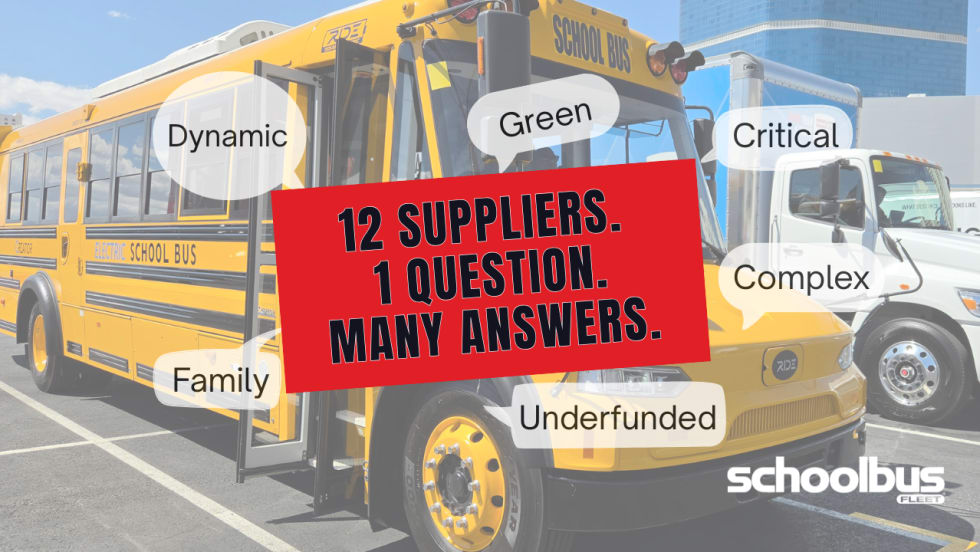
13 Industry Leaders Describe School Transportation in One Word
What word best describes the school bus industry today? We posed that question to over a dozen manufacturers, resulting in a revealing mix of perspectives on the challenges and opportunities ahead.
Read More →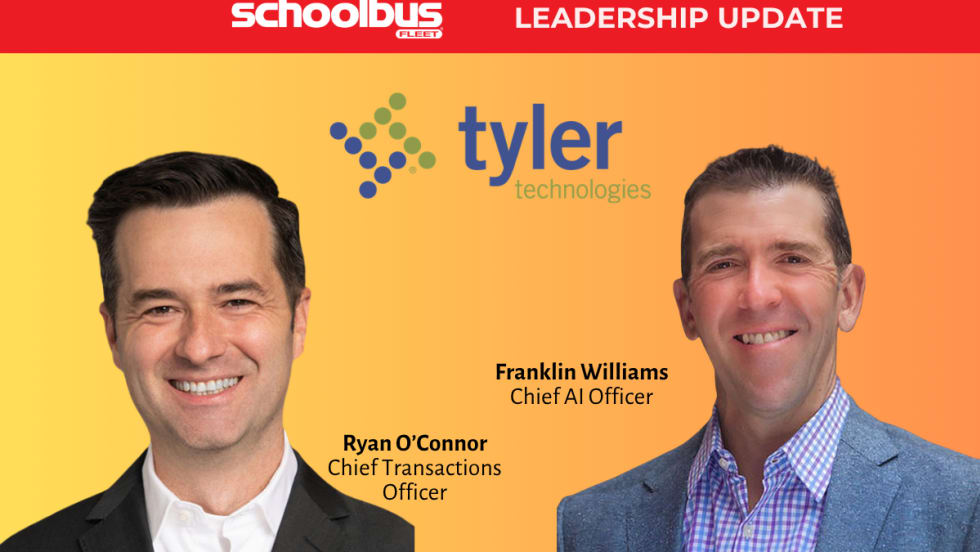
Tyler Technologies Adds New AI, Transactions Leadership Roles
Two company executives are promoted to newly created C-suite positions to accelerate the company's long-term growth in both artificial intelligence and payments.
Read More →
Pro-Vision Acquires Convoy Technologies
The deal aims to broaden customer relationships and adds specialized vehicle video capabilities for commercial fleets.
Read More →


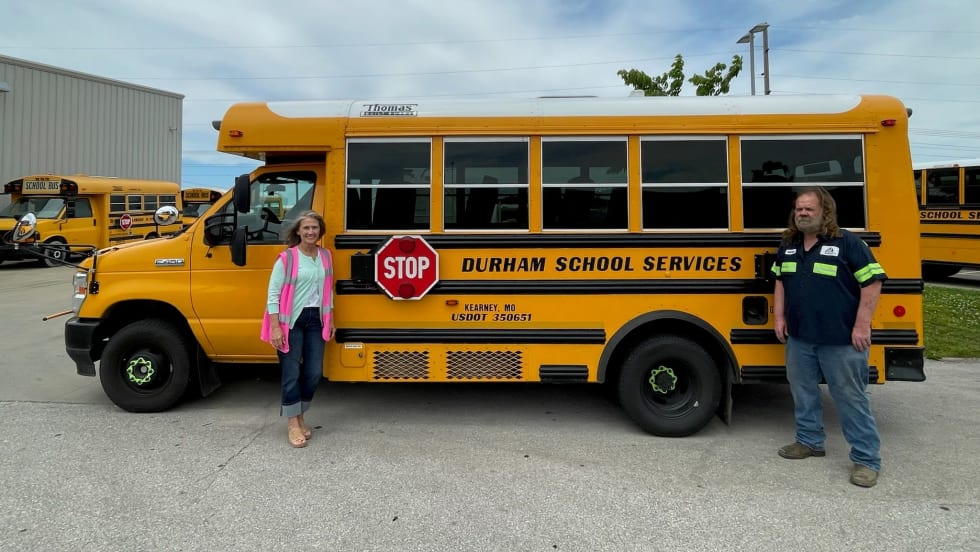
Durham School Services Maintenance Teams Earn Missouri Fleet Excellence Awards
Eight of the contractor’s school bus fleets achieved a distinction few maintenance teams earn during the state’s rigorous annual inspection program.
Read More →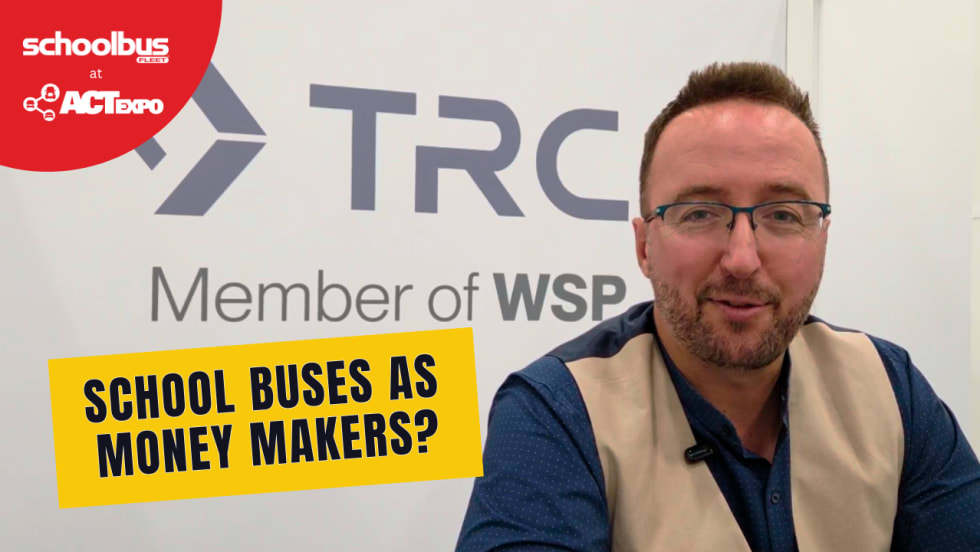
How Incentives, AI, and Energy Markets Are Reshaping School Transportation
Sit down with Joe Annotti of TRC Companies to talk district grant funding, utility challenges, AI, and why school buses are evolving from transportation assets into energy assets.
Read More →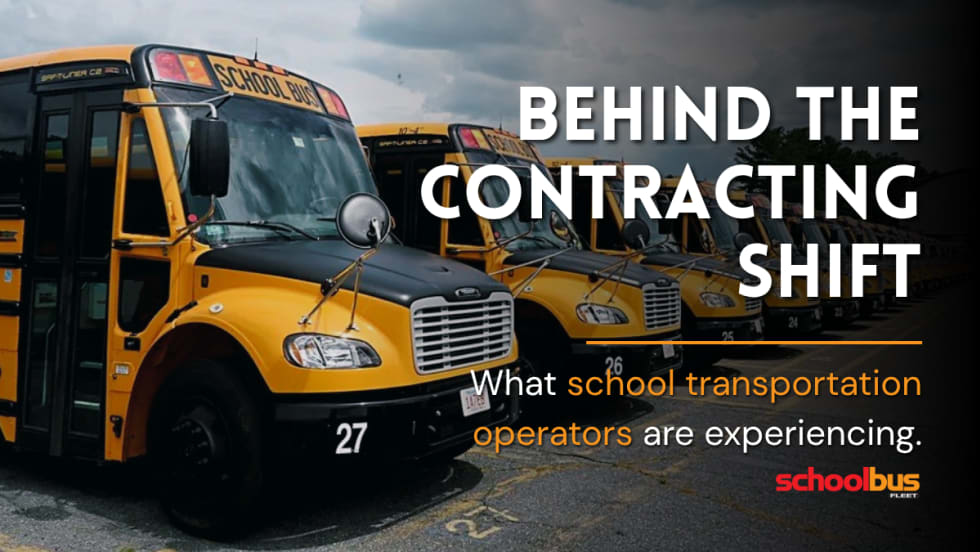
Inside the Contracting Shift: What School Transportation Operators Are Seeing Now
School transportation contractors weigh in on recent trends, costs, driver shortages, and the rise of multimodal student transportation.
Read More →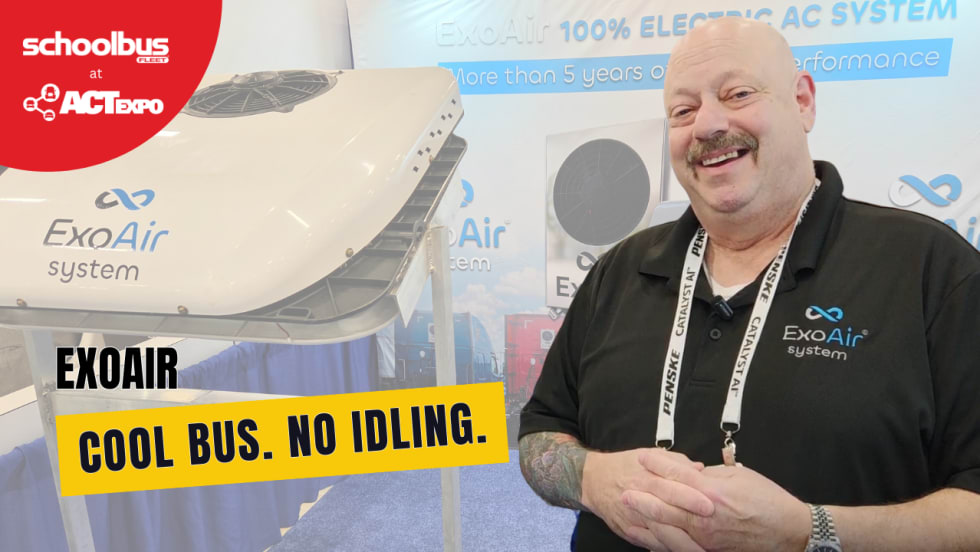
The No-Idling School Bus AC System
Take a peek at ExoAir Systems’ battery-powered cooling solution designed to run for up to 10 hours without the engine on, reducing fuel use and improving comfort for drivers and students.
Read More →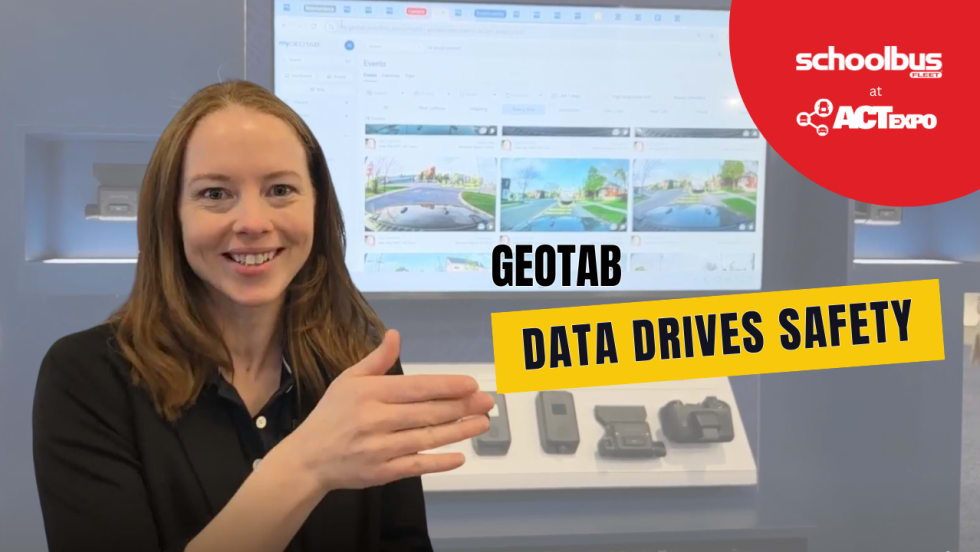
Geotab on Three Major Trends in School Transportation
School bus fleets are becoming more proactive than ever. From AI driver alerts to vehicle-to-grid opportunities, Geotab outlines the biggest technology trends transforming school bus operations.
Read More →
Gatekeeper Lands Major School Bus Deals as Revenue Surges
The video solutions provider announces contracts with Atlanta Public Schools and other fleet operators as it records quarterly revenue growth and expanding subscription business.
Read More →
Building Leaders Who Last: Creating a Successful Mentorship Program in Student Transportation
Discover five strategies for building an effective mentorship program to strengthen leadership development and support staff retention.
Read More →