



Turmoil at Carpenter burdens entire industry
At press time, Carpenter’s survival was in doubt, hinging on a bailout plan that seemed more grounded in wishful thinking than reality.
In the marketplace, robust competition is good for the consumer. It forces vendors to compete for business by providing the highest possible quality at the lowest acceptable prices. This is especially true in the school transportation industry, in which the majority of buses are sold on a low-bid basis. That's why it's disturbing to watch the developments at ailing Carpenter Industries in Richmond, Ind. The company is in turmoil, with major changes in management and ownership. At press time, Carpenter’s survival was in doubt, hinging on a bailout plan that seemed more grounded in wishful thinking than reality. No one wants to see a major bus manufacturer go belly-up, because it reduces competition in the marketplace and forces customers to scramble for parts and service. But at what price does the company's survival come? Under Carpenter’s last-ditch restructuring plan, Charlotte, Mich.- based chassis manufacturer Spartan Motors, previously a one-third owner of Carpenter, would become majority owner by acquiring the one-third interest held by Beurt SerVaas, a longtime principal in the company. Recovery Equity Investors in San Mateo, Calif., would maintain its one-third interest.
Vendors compromised?
The deal hinges on a critical concession, however. Carpenter has asked its creditors, including this magazine, to accept 30 cents on the dollar as full payment of its claims. Obviously, this hasn't gone over well with the vendors, many of whom have been patiently waiting for the company to settle debts that have accrued over the past several years. And this isn't the first time that Carpenter has asked creditors to shoulder the burden of a recapitalization deal. In 1990, SerVaas Inc. rescued the company from financial disaster, but not without receiving similar concessions from many of its vendors. As Yogi Berra would say, "It’s déjà vu all over again."
Pressure from all sides
As you might expect, the current restructuring plan has not been well-received by Carpenter's competitors, who view the plan as an unfair business maneuver. Some have taken to calling the company "the reluctant corpse." Their annoyance is understandable. If Carpenter can pressure its unsecured creditors to accept partial payment, why shouldn't other chassis and body manufacturers also demand the same from their suppliers? This puts the vendors in a difficult position – either accept the partial-payment deal or risk the entire debt in the event of a Chapter 7 bankruptcy petition. But, in accepting the compromise, there is the possibility that vendors could incur the displeasure of their paying customers, namely the other manufacturers. Even with the acquiescence of its suppliers, Carpenter's revitalization is not guaranteed. Spartan will need to establish a new dealer network, not an easy task under the best of circumstances, and especially difficult given the company’s past failures. Spartan also needs to regain the trust and confidence of Carpenter’s customers, who are left in limbo. There is also the question of delivery. Carpenter halted production in mid-July and as of this writing in mid-October has not resumed operations. This lapse has put many of the company’s contracts in jeopardy. For example, late delivery of more than 600 buses to Florida has left many districts "high and dry," according to one state official, who also complained that many of the delivered buses exhibited "poor workmanship and quality." The bottom line is that Carpenter’s predicament affects school districts, contractors, industry vendors and other manufacturers — and none positively. Let’s hope that the issue is resolved soon — one way or another.
More Management
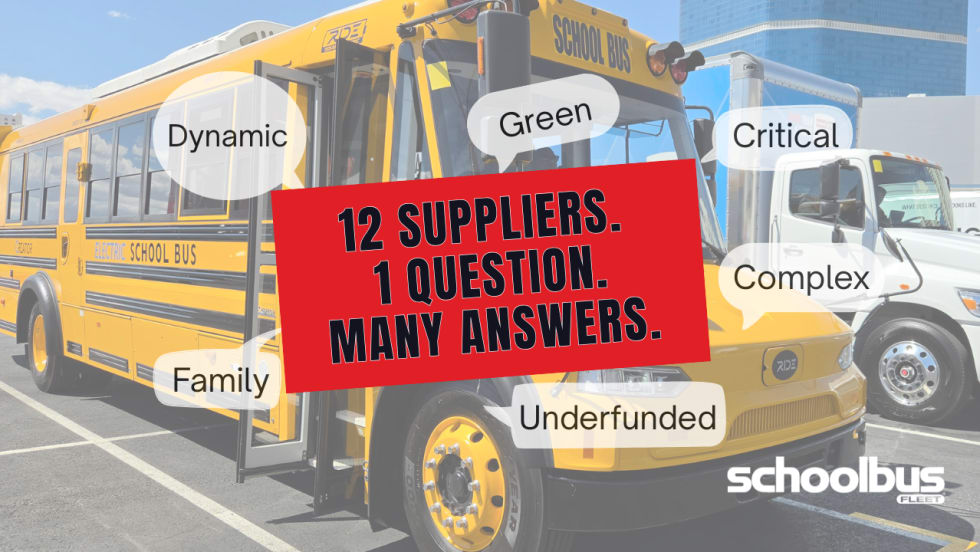
13 Industry Leaders Describe School Transportation in One Word
What word best describes the school bus industry today? We posed that question to over a dozen manufacturers, resulting in a revealing mix of perspectives on the challenges and opportunities ahead.
Read More →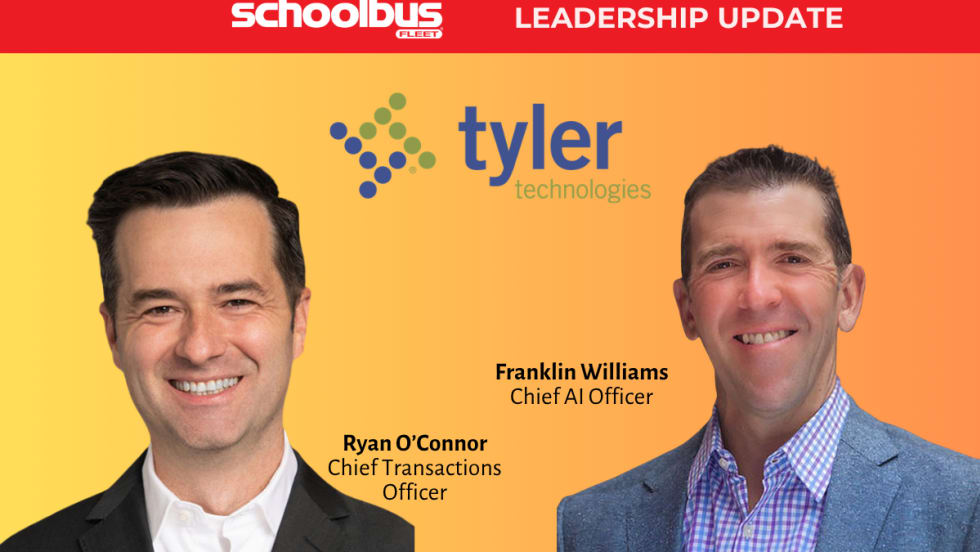
Tyler Technologies Adds New AI, Transactions Leadership Roles
Two company executives are promoted to newly created C-suite positions to accelerate the company's long-term growth in both artificial intelligence and payments.
Read More →
Pro-Vision Acquires Convoy Technologies
The deal aims to broaden customer relationships and adds specialized vehicle video capabilities for commercial fleets.
Read More →


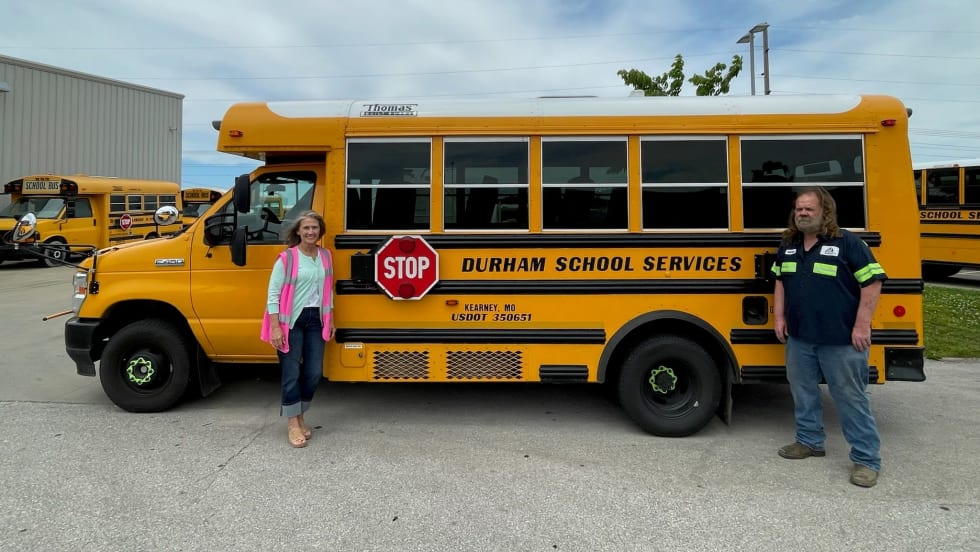
Durham School Services Maintenance Teams Earn Missouri Fleet Excellence Awards
Eight of the contractor’s school bus fleets achieved a distinction few maintenance teams earn during the state’s rigorous annual inspection program.
Read More →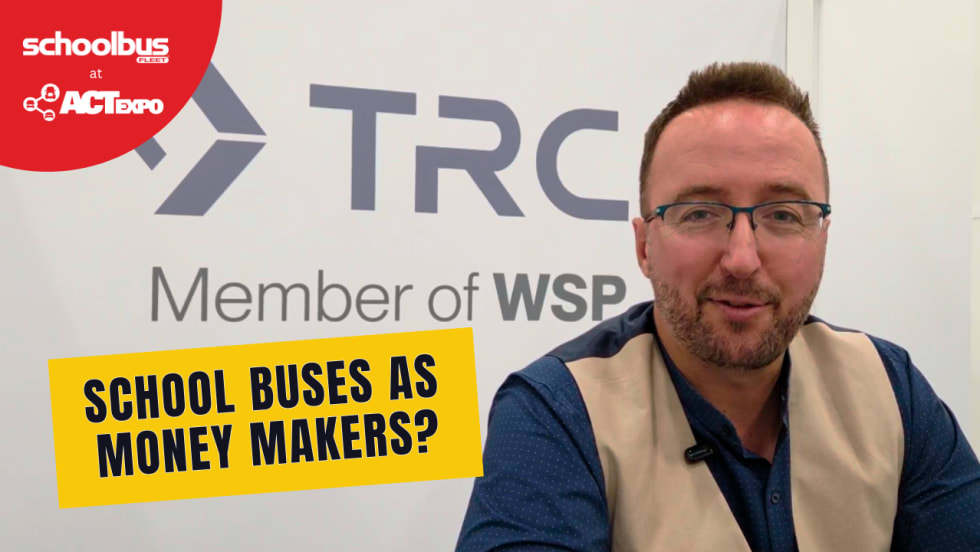
How Incentives, AI, and Energy Markets Are Reshaping School Transportation
Sit down with Joe Annotti of TRC Companies to talk district grant funding, utility challenges, AI, and why school buses are evolving from transportation assets into energy assets.
Read More →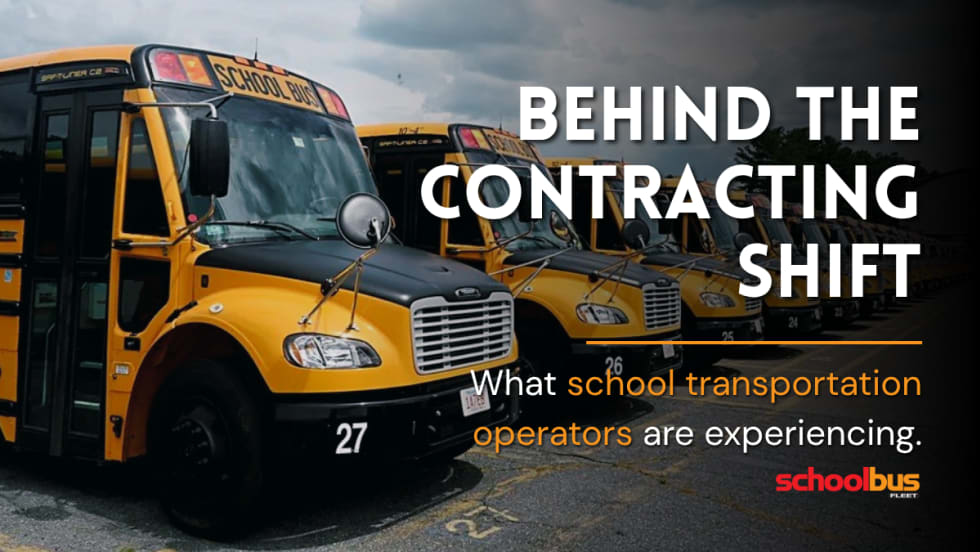
Inside the Contracting Shift: What School Transportation Operators Are Seeing Now
School transportation contractors weigh in on recent trends, costs, driver shortages, and the rise of multimodal student transportation.
Read More →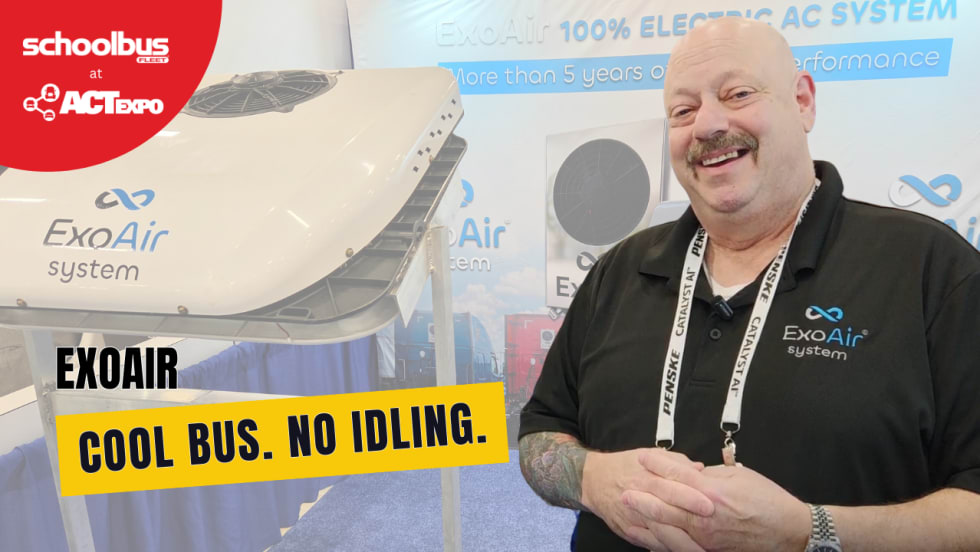
The No-Idling School Bus AC System
Take a peek at ExoAir Systems’ battery-powered cooling solution designed to run for up to 10 hours without the engine on, reducing fuel use and improving comfort for drivers and students.
Read More →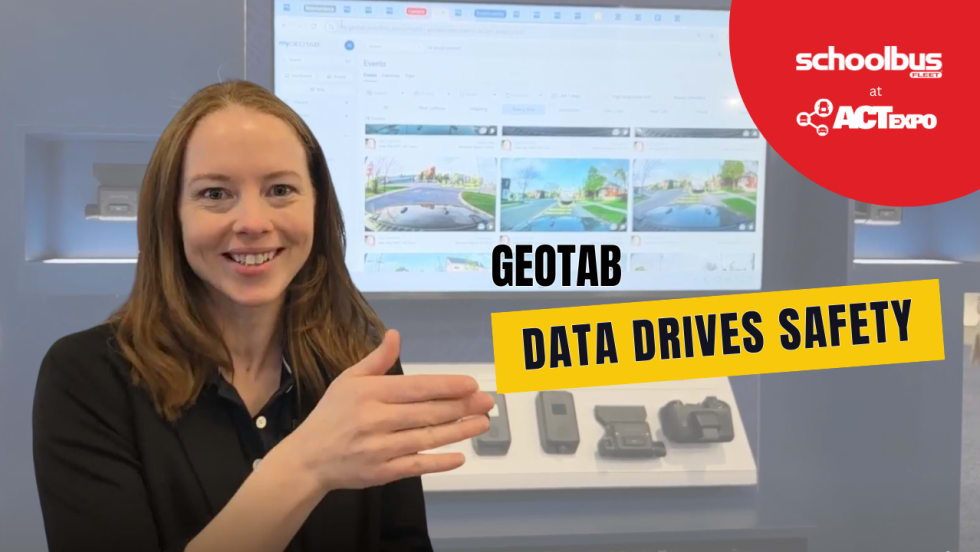
Geotab on Three Major Trends in School Transportation
School bus fleets are becoming more proactive than ever. From AI driver alerts to vehicle-to-grid opportunities, Geotab outlines the biggest technology trends transforming school bus operations.
Read More →
Gatekeeper Lands Major School Bus Deals as Revenue Surges
The video solutions provider announces contracts with Atlanta Public Schools and other fleet operators as it records quarterly revenue growth and expanding subscription business.
Read More →
Building Leaders Who Last: Creating a Successful Mentorship Program in Student Transportation
Discover five strategies for building an effective mentorship program to strengthen leadership development and support staff retention.
Read More →