




Using Computer Technology to Optimize Your Program
For routing and scheduling, maintenance tasks and information gathering, computers can save time and money.
The computer industry has made inroads into many areas of our lives, and the pupil transportation industry is no exception. The low cost of fast, efficient computers, easy-to-use software and the increasing numbers of computer-savvy employees are making the computer a valuable asset in transportation. For example, each school district in North Carolina has computerized routing and scheduling through the Transportation Information Management System (TIMS) and a State Vehicle Fleet Management System (SVFMS) for maintenance, parts inventory and preventive maintenance. The state of North Carolina adapted the TIMS software to accommodate railroad crossings and other route hazards. Warning messages can be printed out for bus drivers whenever a route traverses a hazardous stretch of road. Meanwhile, data from the SVFMS has allowed for analysis and projections of the number of replacement school buses needed for the next 15 years. At the bus garage, the SVFMS keeps track of which vehicles need 30-day inspections and preventive maintenance on a daily basis. Many districts are also using spreadsheets like Microsoft Excel to keep track of inventory, schedules and budgets. Some are using sophisticated database programs like Microsoft Access to store, organize and maintain information.
More power on desktop
The desktop computer (and the laptop, too) has never had such self-contained power. The processors, memory and disk space allow for the use of some very sophisticated office software. For example, the transportation department at Pitt County Schools in Greenville, N.C., has developed a database to maintain information on bus drivers, accidents and vehicles. Craven County Schools in New Bern, N.C., uses a database to maintain shop information and inventories. The flexibility of the information storage allows a seemingly endless variety of reports and statistics. Transportation directors and staff members are able to use presentation graphics packages like Microsoft PowerPoint to create professional presentations of budget requests and redistricting proposals for school board meetings. To meet the needs of the pupil transportation departments and to demonstrate the new technologies, the Institute for Transportation Research and Education (ITRE) at North Carolina State University is planning to offer a new training series in the Microsoft packages this summer. Gone are the days when the only way to get information into a computer was to type it in. Many peripheral devices have become part of the transportation department's tool box. Parts inventories can be managed using wands and bar codes. Things like desktop scanners, for inputting images in the computer, help contribute to the paperless office. And, more images can be imported using digital cameras (. Going a step beyond laptops, state transportation consultants in North Carolina are using handheld, pen-based microcomputers to record defects found during state school bus inspections. The results are being compiled into a statewide database of problems and will help identify areas of needed training.
Casting a wide Inter-net
Very simply, if you aren't connected to the Internet, you should be! There are a multitude of World Wide Web pages that can put key information at your fingertips. Government regulations, industry contacts and training materials are just some of the things to be found on the Internet. ITRE is working on a project to develop school bus safety curricula and interactive training for teachers and students - all over the Internet. Web sites such as schoolbusfleet.com offer updated industry news, discussion groups, position papers and more.
E-mail delivers answers
And e-mail! There has never been a more efficient method of communication. Many things need to be discussed in person or at least over the phone. But, many things don't require that level of interaction. There is no phone tag and, if you don't want to talk about the weather, you don't have to. It is very straightforward and you can easily print out your "conversation." A step beyond e-mail are mailing lists. They provide the opportunity to get your message out, or seek assistance from, a lot of people at once. The National Association of State Directors of Pupil Transportation Services (NASDPTS) is using an Internet mailing list in which a member can send one message that will go to all state directors who subscribe to the list. And, since computer files can be attached to e-mail messages, documents that formerly required the time and expense of overnight shipping can be sent electronically. Technology is a key part of doing business in today's world and everything is in place so that our industry can participate.
Derek Graham is the state pupil transportation director in North Carolina, and Mickey Michael is a research associate at the Institute for Transportation Research and Education at North Carolina State University.
More Management
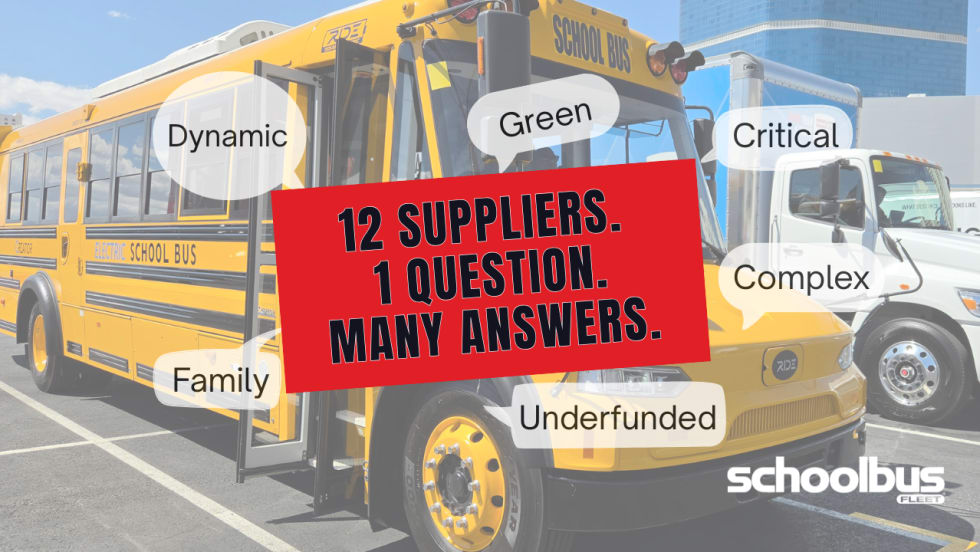
13 Industry Leaders Describe School Transportation in One Word
What word best describes the school bus industry today? We posed that question to over a dozen manufacturers, resulting in a revealing mix of perspectives on the challenges and opportunities ahead.
Read More →
Tyler Technologies Adds New AI, Transactions Leadership Roles
Two company executives are promoted to newly created C-suite positions to accelerate the company's long-term growth in both artificial intelligence and payments.
Read More →
Pro-Vision Acquires Convoy Technologies
The deal aims to broaden customer relationships and adds specialized vehicle video capabilities for commercial fleets.
Read More →


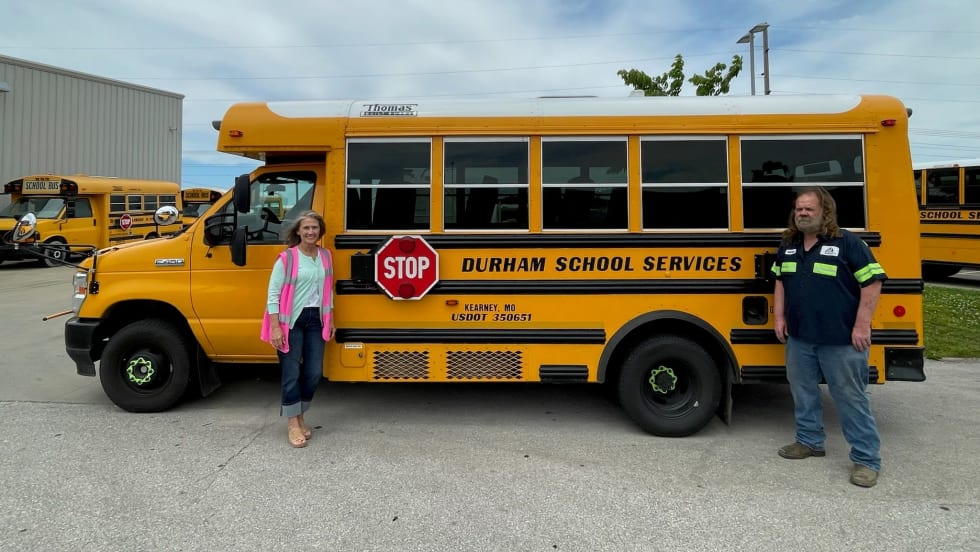
Durham School Services Maintenance Teams Earn Missouri Fleet Excellence Awards
Eight of the contractor’s school bus fleets achieved a distinction few maintenance teams earn during the state’s rigorous annual inspection program.
Read More →
How Incentives, AI, and Energy Markets Are Reshaping School Transportation
Sit down with Joe Annotti of TRC Companies to talk district grant funding, utility challenges, AI, and why school buses are evolving from transportation assets into energy assets.
Read More →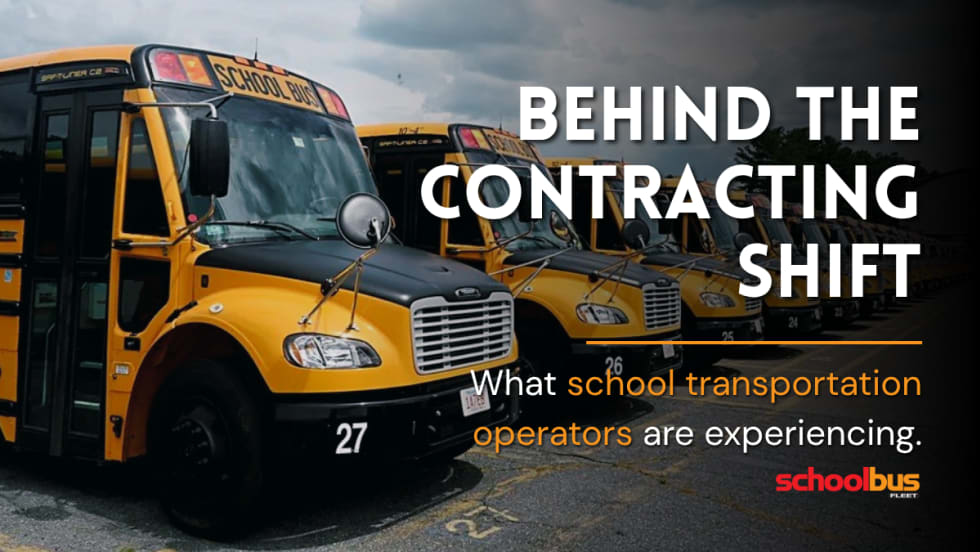
Inside the Contracting Shift: What School Transportation Operators Are Seeing Now
School transportation contractors weigh in on recent trends, costs, driver shortages, and the rise of multimodal student transportation.
Read More →
The No-Idling School Bus AC System
Take a peek at ExoAir Systems’ battery-powered cooling solution designed to run for up to 10 hours without the engine on, reducing fuel use and improving comfort for drivers and students.
Read More →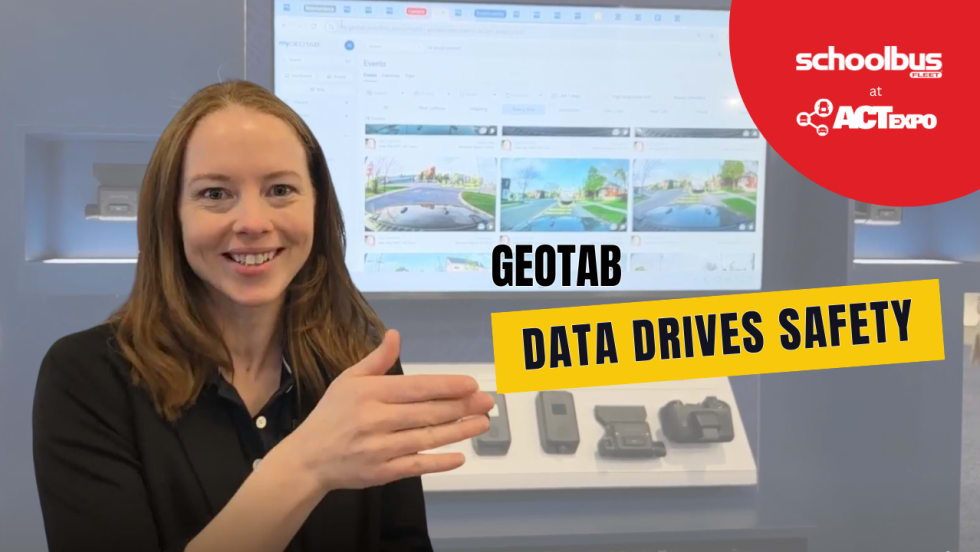
Geotab on Three Major Trends in School Transportation
School bus fleets are becoming more proactive than ever. From AI driver alerts to vehicle-to-grid opportunities, Geotab outlines the biggest technology trends transforming school bus operations.
Read More →
Gatekeeper Lands Major School Bus Deals as Revenue Surges
The video solutions provider announces contracts with Atlanta Public Schools and other fleet operators as it records quarterly revenue growth and expanding subscription business.
Read More →
Building Leaders Who Last: Creating a Successful Mentorship Program in Student Transportation
Discover five strategies for building an effective mentorship program to strengthen leadership development and support staff retention.
Read More →