



Is safety compromised by the driver shortage?
The mounting shortage of school bus drivers is like a distant siren gaining in volume and arousal, signaling the imminent arrival of an emergency. Ste...
The mounting shortage of school bus drivers is like a distant siren gaining in volume and arousal, signaling the imminent arrival of an emergency. Steps need to be taken now to prevent the emergency from becoming a full-blown disaster. Our 1998 survey of state directors of pupil transportation indicates that the driver shortage is a "moderate" to "serious" problem in the vast majority of states. In some states, the shortage is described as "desperate." Only one state said it had no driver shortage. As we all know, the driver shortage has been a problem for decades, but this latest crunch has been intensified by record low unemployment. There is nothing that can be done about the unemployment situation (it's a good thing for most of America), but it puts a terrible burden on school districts that compete for drivers on the basis of wages and hours. Lower standards, higher risks
Everyone in the pupil transportation industry should be looking long and hard at the shortage's possible impact on school bus safety. Let's face it, school bus operators who are hurting for drivers are more likely to accept less-than-satisfactory candidates. I've heard that drivers with questionable backgrounds are being hired by desperate school bus operators. In some cases, poor driving records and criminal backgrounds are being overlooked. That's simply unacceptable. Not only do these situations create enormous liability exposure for the school bus operator, they also compromise the safety of the passengers. The best way to avoid a potential disaster with questionable drivers is not to hire them in the first place. That requires discipline and extraordinary effort in hiring top-notch candidates and retaining your veteran drivers. What can be done? Lots of things. In his first major piece for SBF, Senior Editor Dale MacDiarmid offers sound strategies collected from school transportation professionals around the country. Don't just read this article, clip it and refer to it when you think you've exhausted every avenue of driver recruitment. Build their self-esteem
I have another suggestion. It has nothing to do with classified advertising or word-of-mouth campaigns or finder's fees. It won't bring instant results. It won't even sound good when voiced at a school board meeting. My idea involves self-esteem. I believe drivers want — and need — to be treated like professionals. We all know how difficult their jobs are. Oh, they may whine incessantly about their wages or their "ancient" bus or the behavior of the children, but they are handling one of the most difficult assignments in the field of education. My point is that they deserve respect — from transportation managers, principals, parents and the public in general. That's why I was heartened to learn of the growing popularity of special-needs roadeos (See "How to Organize a Special-Needs Roadeo.") This type of event — like its regular-education counterpart — lets drivers (and attendants) know that they're worthy of special attention. It boosts their confidence and improves morale. We need to show drivers that they're special. Another strong display of respect for drivers can be seen in the ergonomic improvements in school buses at Boston Public Schools (see "Boston's Ergonomic Revolution.") Transportation Director Rich Jacobs says the extra money spent on air-ride seats, power doors and softer suspension systems is a small price to pay for driver satisfaction. "Sometimes we need to show drivers that not only are we listening, but that we hear them," he says. Take the time to listen to your drivers. Take the time to hear them, too. This won't solve your driver shortage, but it will be a step in the right direction.
More Management
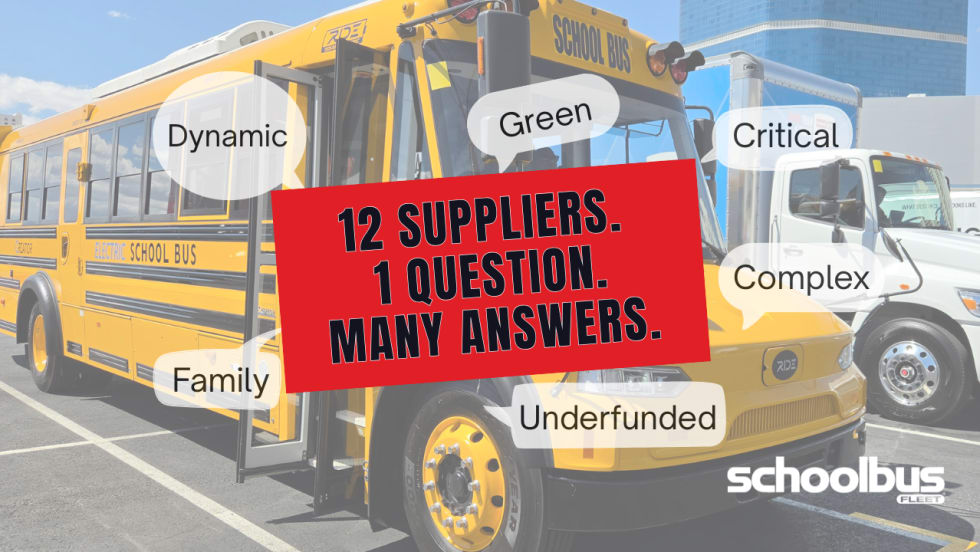
13 Industry Leaders Describe School Transportation in One Word
What word best describes the school bus industry today? We posed that question to over a dozen manufacturers, resulting in a revealing mix of perspectives on the challenges and opportunities ahead.
Read More →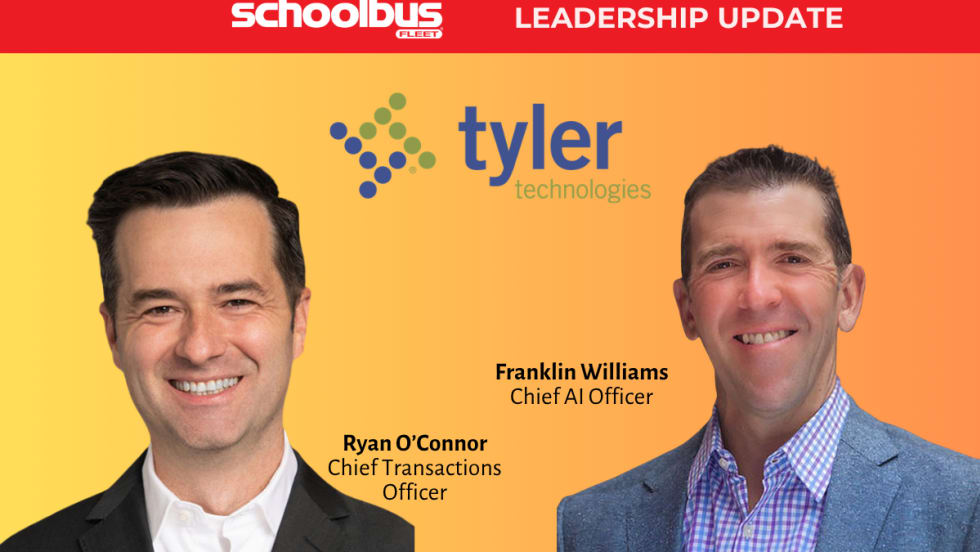
Tyler Technologies Adds New AI, Transactions Leadership Roles
Two company executives are promoted to newly created C-suite positions to accelerate the company's long-term growth in both artificial intelligence and payments.
Read More →
Pro-Vision Acquires Convoy Technologies
The deal aims to broaden customer relationships and adds specialized vehicle video capabilities for commercial fleets.
Read More →


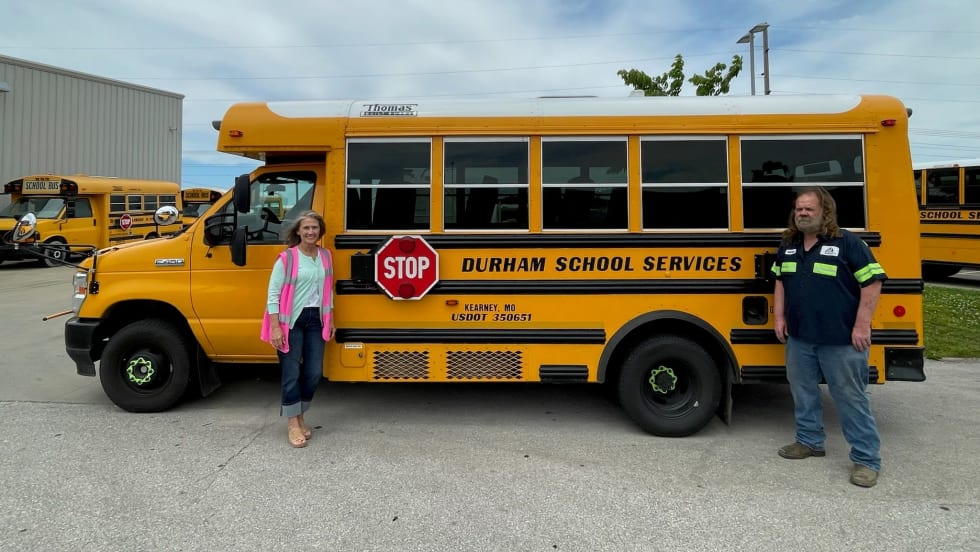
Durham School Services Maintenance Teams Earn Missouri Fleet Excellence Awards
Eight of the contractor’s school bus fleets achieved a distinction few maintenance teams earn during the state’s rigorous annual inspection program.
Read More →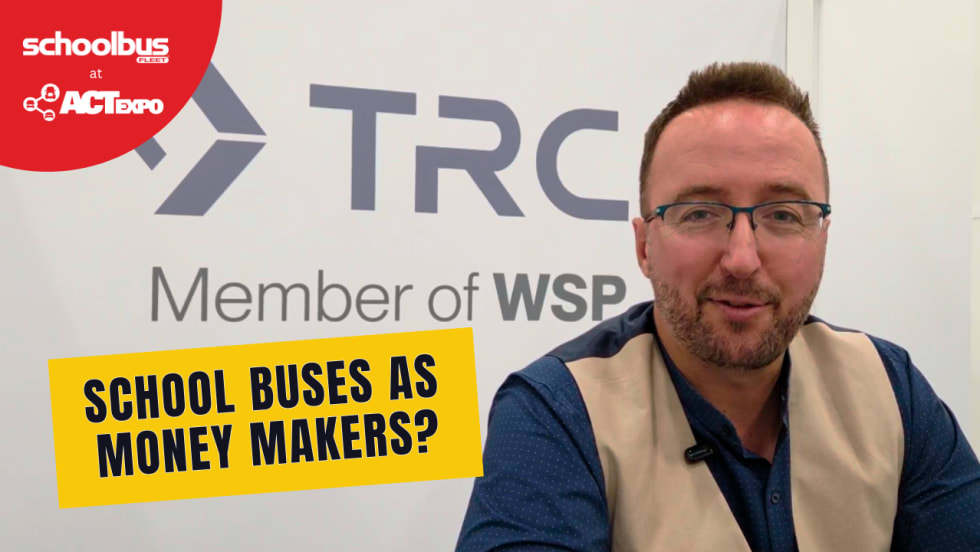
How Incentives, AI, and Energy Markets Are Reshaping School Transportation
Sit down with Joe Annotti of TRC Companies to talk district grant funding, utility challenges, AI, and why school buses are evolving from transportation assets into energy assets.
Read More →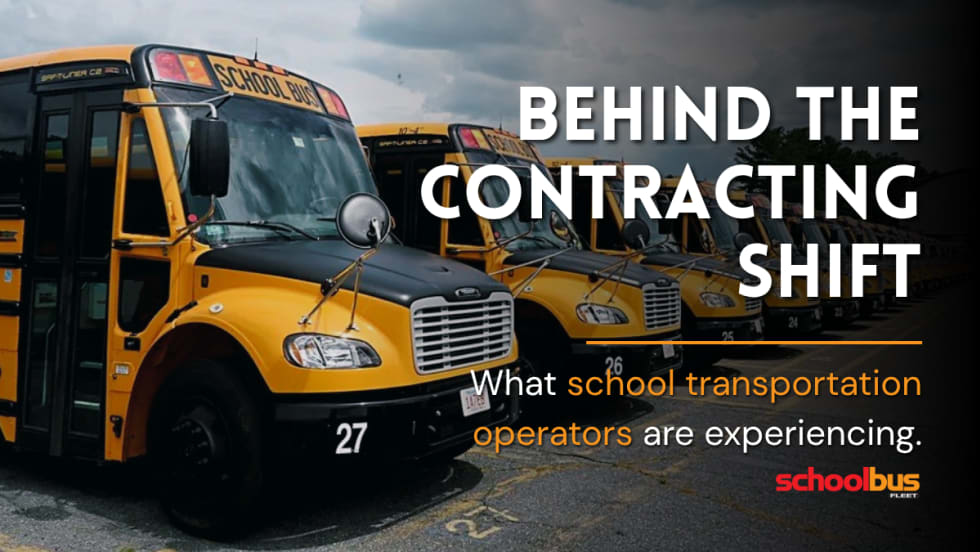
Inside the Contracting Shift: What School Transportation Operators Are Seeing Now
School transportation contractors weigh in on recent trends, costs, driver shortages, and the rise of multimodal student transportation.
Read More →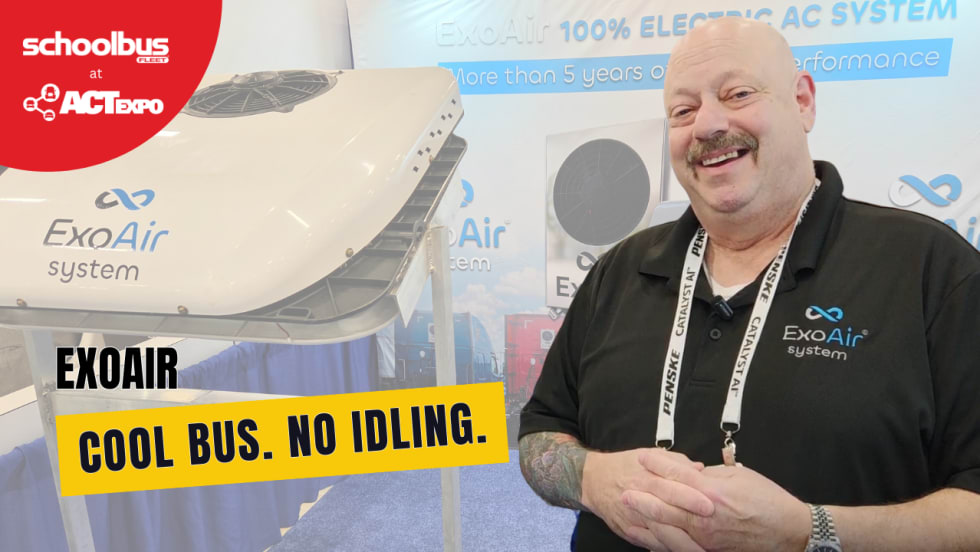
The No-Idling School Bus AC System
Take a peek at ExoAir Systems’ battery-powered cooling solution designed to run for up to 10 hours without the engine on, reducing fuel use and improving comfort for drivers and students.
Read More →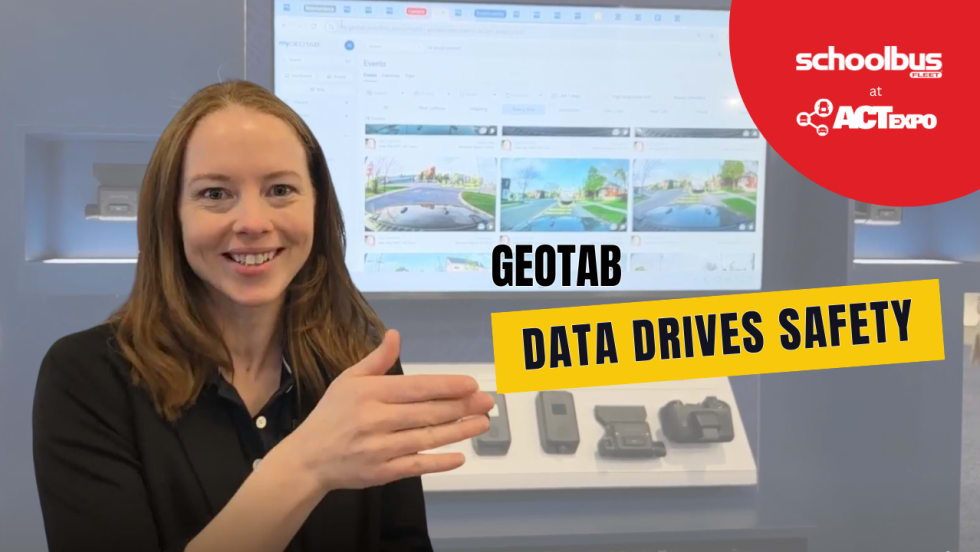
Geotab on Three Major Trends in School Transportation
School bus fleets are becoming more proactive than ever. From AI driver alerts to vehicle-to-grid opportunities, Geotab outlines the biggest technology trends transforming school bus operations.
Read More →
Gatekeeper Lands Major School Bus Deals as Revenue Surges
The video solutions provider announces contracts with Atlanta Public Schools and other fleet operators as it records quarterly revenue growth and expanding subscription business.
Read More →
Building Leaders Who Last: Creating a Successful Mentorship Program in Student Transportation
Discover five strategies for building an effective mentorship program to strengthen leadership development and support staff retention.
Read More →