



Maine’s Kevin Mallory honored for ‘green’ bus efforts
The transportation director for Portland Public Schools has won a Lifetime Achievement Award from the EPA, which will be presented to him on June 26. The award is in recognition of his work to reduce pollution from the school system’s bus fleet and raise awareness about the benefits of “greener” transportation.


PORTLAND, Maine — Kevin Mallory, the transportation director for Portland Public Schools, will be honored for his work to reduce pollution from the school system’s bus fleet and raise awareness about the benefits of “greener” transportation.
Mallory has won a U.S. EPA Lifetime Achievement Award, which will be presented to him on June 26 in a ceremony at the agency’s Boston office.
More than a decade ago, Mallory began working to reduce exposure to school bus diesel emissions that can accumulate in and around idling buses.
“Kevin Mallory has been a leader in Maine and the country in addressing the problem of diesel emissions,” Portland Superintendent Emmanuel Caulk said. “His efforts have helped the Portland Public Schools create a healthier environment for our students and staff. The district’s bus fleet reflects our commitment to create a ‘green’ school district.”
In 2001, Portland Public Schools was the first school district in Maine to establish and enforce a no-idling policy for school buses, officials said. The ban on idling was expanded to include private vehicles around school buildings. The district worked with the city of Portland to designate the city as a “Clean Air Zone” and to extend the reduced idling policies beyond the schools.
In 2004, the district was one of the first in the country to retrofit its buses with pollution-control equipment provided by the EPA.
Two years later, the district replaced three diesel buses with buses running on compressed natural gas (CNG) that were purchased with money from a Clean Cities grant. Since then, the district has replaced seven more diesel buses with CNG buses purchased with assistance from Maine Department of Environmental Protection (DEP) grants.
The district has obtained DEP grants to buy three more CNG buses as well, which officials said will make Portland’s CNG fleet the largest of any school district in New England.
For the past five years, the district has used a blend of biodiesel and ultra-low sulfur diesel fuel in its diesel buses.
The district’s initiatives to reduce pollution have received state and national honors, including the 2005 Governor's Award for Environmental Excellence. In 2009, the district was named one of SBF’s Green Fleets Across America.
Maine Clean Communities nominated Mallory for the EPA’s Lifetime Achievement Award. He has worked in management positions in the transportation sector since 1973, and he became Portland Public Schools’ transportation director in 1996.
Mallory is one of three transportation directors in Maine to obtain certified director of pupil transportation status from the National Association for Pupil Transportation. Additionally, he has served as president and treasurer of the Maine Association for Pupil Transportation, and he is currently a board member at large of the association.
More Alternative Fuels
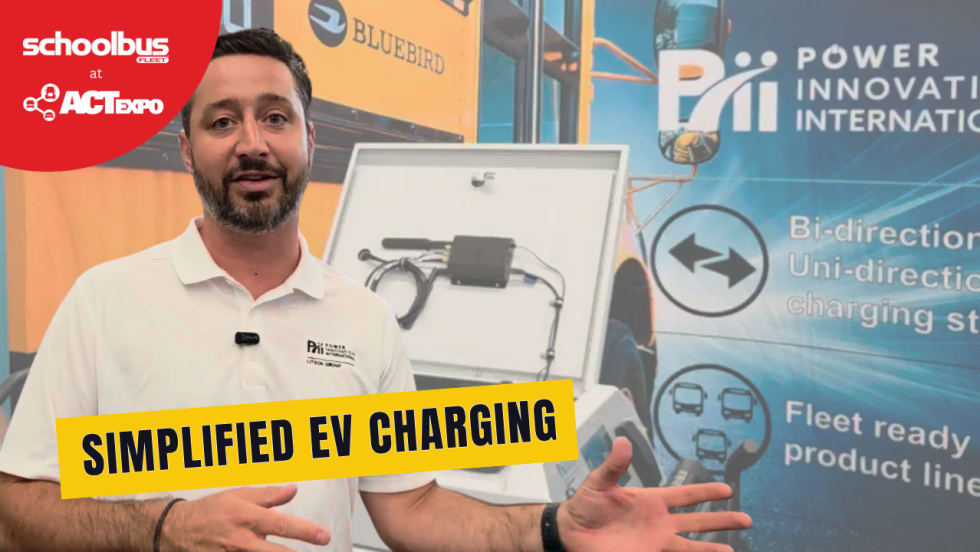
A Solution Helping School Buses Charge Without Major Infrastructure Upgrades
Power Innovations International dishes on its EV charging technology designed to reduce infrastructure barriers, improve reliability, and support V2G applications for school bus fleets.
Read More →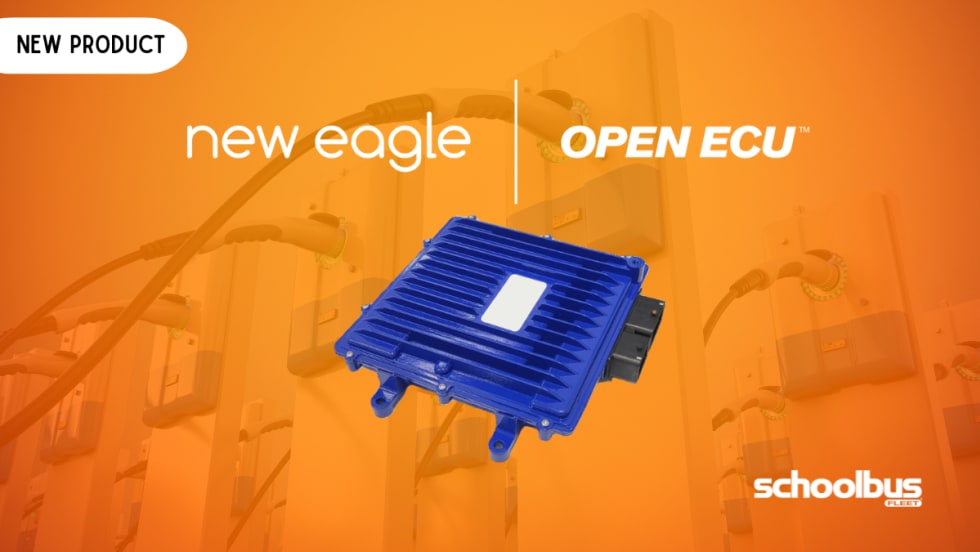
New Eagle Launches All-in-One EV Control Platform
The new OpenECU NX3 platform integrates charging and vehicle controls into a single platform, with support for megawatt charging and vehicle-to-grid technologies.
Read More →
GreenPower Unveils New Heating Solution for Type A Bus
The all-electric bus manufacturer's new product aims to eliminate cold-cabin issues on its Nano BEAST zero-emission school buses operating in cold climates.
Read More →
Alt-Fuel Moves: Fleets Plug In for the Long Haul
School districts across the U.S. are moving electric school bus plans into operation, with new fleet deployments, charging infrastructure, and long-term electrification partnerships taking shape.
Read More →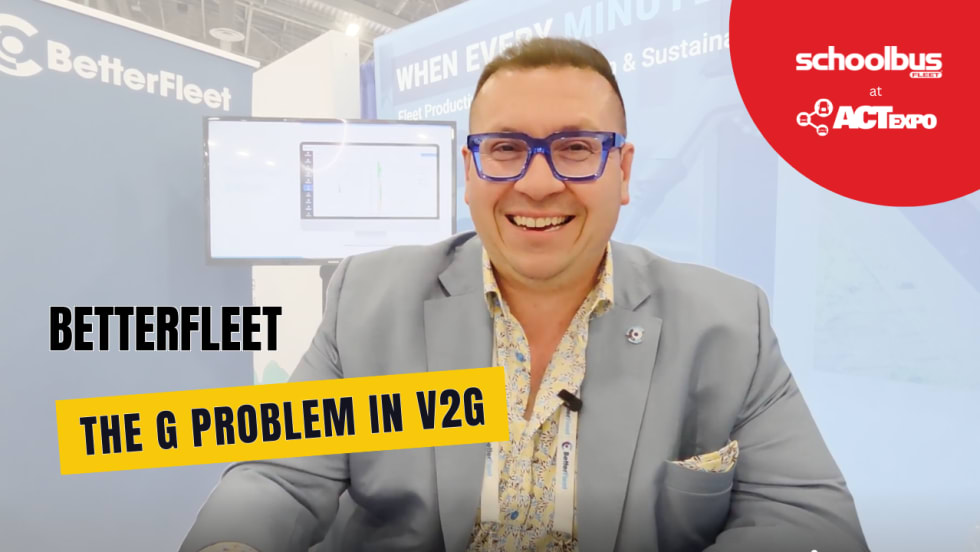
The Achilles Heel of School Bus Electrification: BetterFleet’s Take
BetterFleet’s managing partner discusses AI-powered EV fleet management, vehicle-to-grid challenges, and the real challenges in bus electrification today, from ACT Expo.
Read More →
You're On Your Own to Pick a Drivetrain [Op-Ed]
After years of federal pressure toward electric school buses, districts are suddenly being told to choose their own path. Let’s explore the risks, realities, and politics behind school bus drivetrain decisions.
Read More →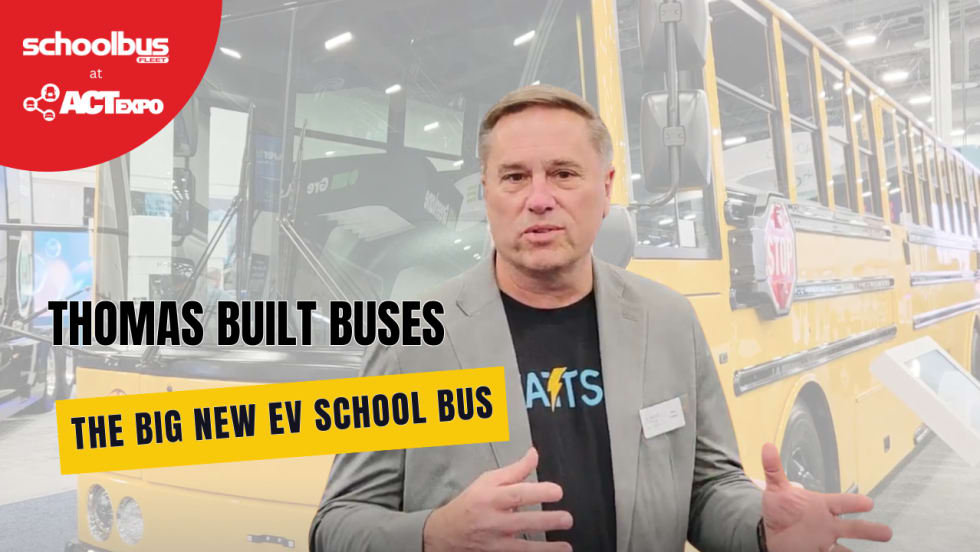
Wattson: Thomas Built’s Largest EV School Bus Yet
Check in with Mark Childers on the new Wattson Type D electric school bus, featuring faster charging, expanded passenger capacity, and advanced safety technology.
Read More →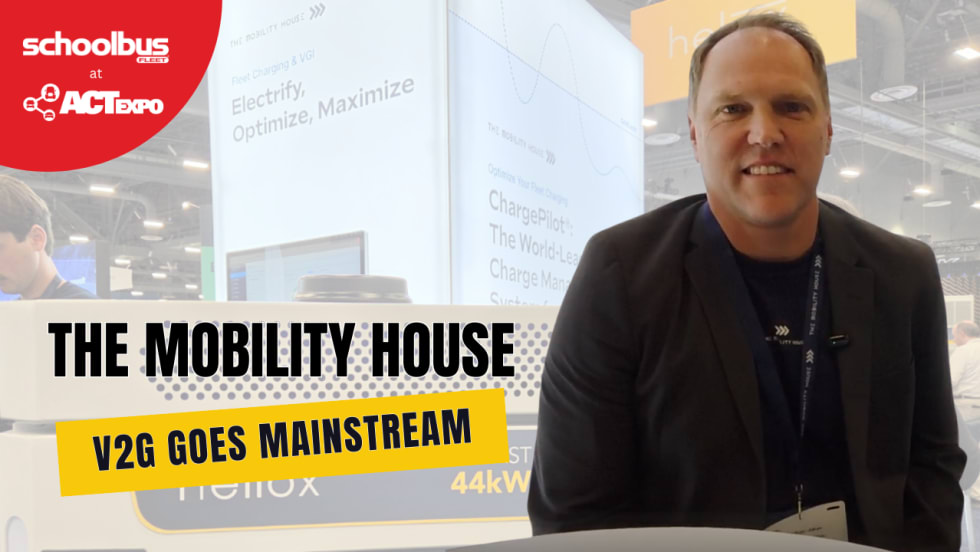
The New Era of Electric School Buses: V2G, Bidirectional Chargers & More
The Mobility House discusses AI-powered charging, vehicle-to-grid technology, smart energy management, and the next phase of school bus electrification.
Read More →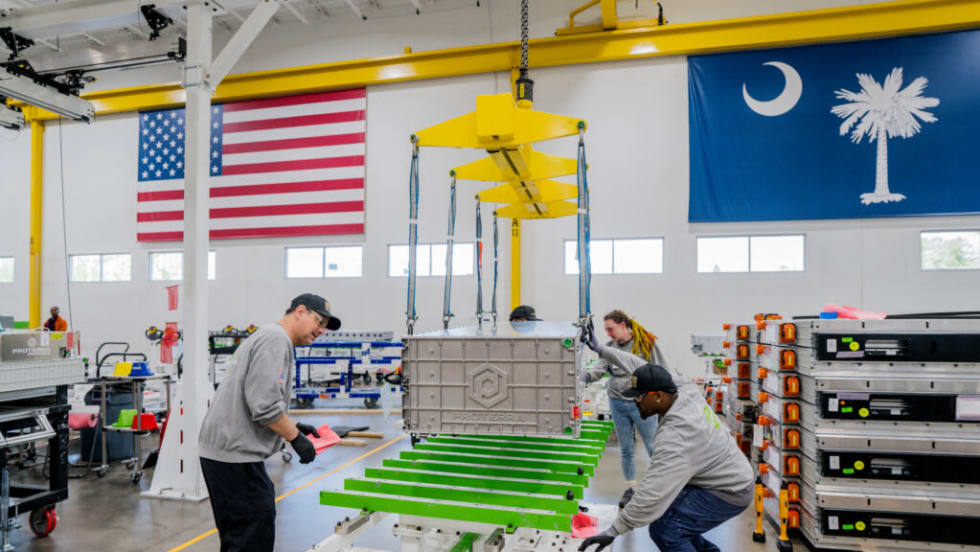
Now Made in America: Proterra Turns to U.S.-Built EV Batteries
Proterra announced a new U.S.-sourced battery cell option for its Onyx platform, boosting domestic content by more than 600% and strengthening EV supply chain resilience for commercial vehicle OEMs.
Read More →
A Look at the Battery Technology Powering Electric School Buses
Check in with Proterra on next-generation EV battery technology for school buses, including safety innovations, predictive diagnostics, EPA 2027 readiness, and the future of transportation from ACT Expo.
Read More →