



Ga., Ind. districts pioneer use of propane school buses
Hall County Schools in Gainesville, Ga., which runs 20 Blue Bird Propane-Powered Vision school buses, is recognized by state legislators and dignitaries as the state’s first school district to power buses with the alternative fuel. Tippecanoe School Corp. in Lafayette, Ind., will reportedly deploy the state’s first Propane-Powered Vision units prior to summer break. Officials say both districts are seeing savings in fuel costs from the buses.

School districts in Georgia and Indiana have taken steps to provide the students they transport with a healthier ride to and from school by running buses on propane, and they are reportedly seeing financial benefits as well.
Hall County Schools in Gainesville, Ga., was recognized last week by state legislators and dignitaries, including Gov. Nathan Deal and Lt. Gov. Casey Cagle, as Georgia’s first school district to power its fleet with the clean-burning fuel.
The theme of the event was “Georgians supporting Georgians for a greener community,” and it emphasized the need to produce and use products that support a clean and healthy environment, by and for the state of Georgia.
Officials said that Hall County Schools purchased 20 Blue Bird Propane-Powered Vision school buses to reduce the community’s carbon footprint and lower the county’s costs for school bus fuel and maintenance.
In addition, the Propane-Powered Vision is manufactured in Georgia and features a ROUSH CleanTech liquid propane fuel system. It reduces nitrogen oxide, carbon monoxide and total hydrocarbons emissions, and virtually eliminates particulate matter when compared to school buses powered by conventional fuels.
"We chose propane autogas because not only does it represent significant reduced fuel costs and clean-burning properties, but also because the source, natural gas, is in abundant supply right here in America," said William Schofield, superintendent of Hall County Schools. "With today's tight school budgets, using a transportation fuel that saves taxpayers money, keeps the environment clean and keeps jobs within our national borders is a win-win for everyone. Plus, our drivers love how quiet the propane buses perform."
“Schools across the nation are experiencing the environmental and economic benefits of Blue Bird’s propane buses,” added Phil Horlock, president and CEO of Blue Bird Corp. “We are proud to deliver a bus that not only provides school children with a reliable, safe and environmentally-friendly ride to and from school every day, but also fuels economic development in Georgia. We are especially thankful to our partner and dealer, Yancey Bus Sales and Service, for their terrific support of all Blue Bird’s customers throughout Georgia.”
Compared to a $3.50 per gallon cost for diesel, officials said Hall County pays less than $2 per gallon to fuel with propane. The school district expects to save $36,000 in fuel costs for its 20 new propane buses in 2012.
Tippecanoe School Corp. (TSC) in Lafayette, Ind., will deploy the state’s first Blue Bird Propane-Powered Vision buses prior to summer break.
Like Hall County Schools, TSC pays less than $2 per gallon for propane ($1.94) compared to nearly $4 for diesel. Officials said that these cost savings free up funding to be allocated toward other programs to enrich the community’s schoolchildren.
TSC worked with three organizations to purchase the alternative-fuel buses: Blue Bird dealer MacAllister Power Systems, propane distributor Ferrellgas and the U.S. Department of Energy’s Greater Indiana Clean Cities Coalition.
TSC received a $52,600 grant from the Indiana Office of Energy Development for its propane initiatives, and business owners donated services during the installation of a 1,000-gallon propane refueling station for the buses. The county plans to install an additional refueling tank in the near future.
“TSC opened the doors to communication between everyone involved in our adoption of propane autogas," said Kevin Neafie, transportation director of TSC. "Our drivers are on board knowing they have a bus that is more comfortable and quieter to drive, our community is on board knowing the children are transported safely and their taxpayer dollars are being stretched further, and the district is on board knowing everyone involved is benefiting from the switch.”
“It’s exciting to see Tippecanoe School Corp. make the move toward propane autogas following what the state of Indiana’s Department of Transportation has done with the installation of 115 refueling dispensers across the state,” added Todd Mouw, vice president of sales and marketing at ROUSH CleanTech. “School district adoption of this technology is a natural next step in the state’s push toward alternative fuels, specifically propane autogas.”
More Alternative Fuels
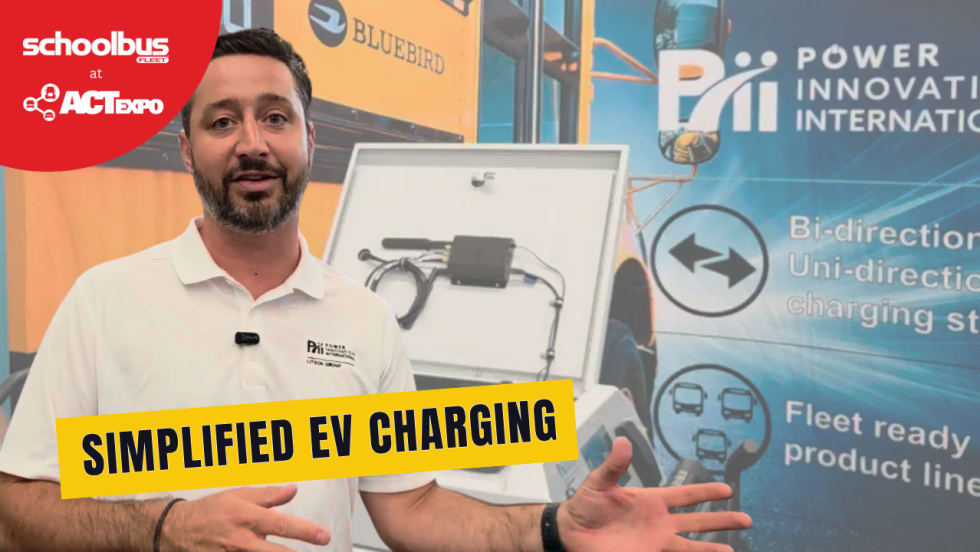
A Solution Helping School Buses Charge Without Major Infrastructure Upgrades
Power Innovations International dishes on its EV charging technology designed to reduce infrastructure barriers, improve reliability, and support V2G applications for school bus fleets.
Read More →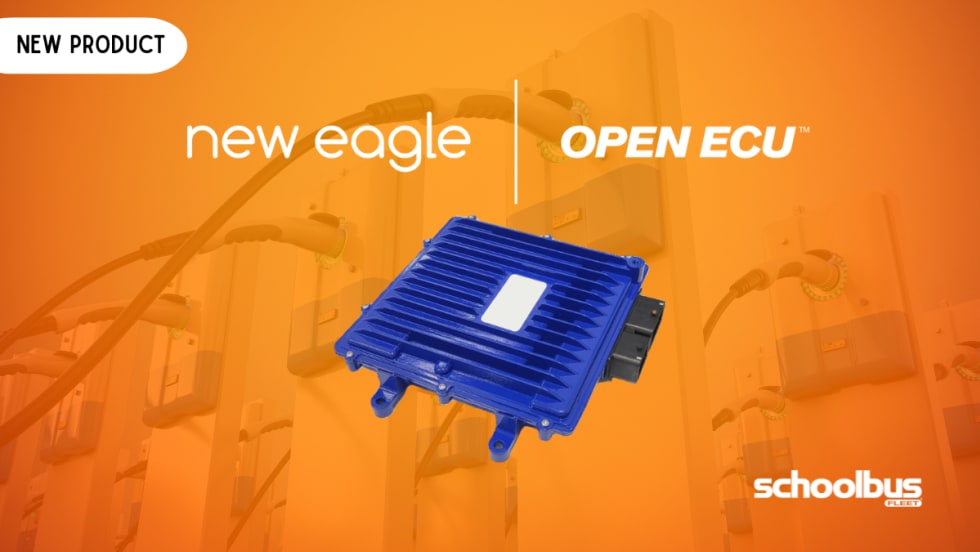
New Eagle Launches All-in-One EV Control Platform
The new OpenECU NX3 platform integrates charging and vehicle controls into a single platform, with support for megawatt charging and vehicle-to-grid technologies.
Read More →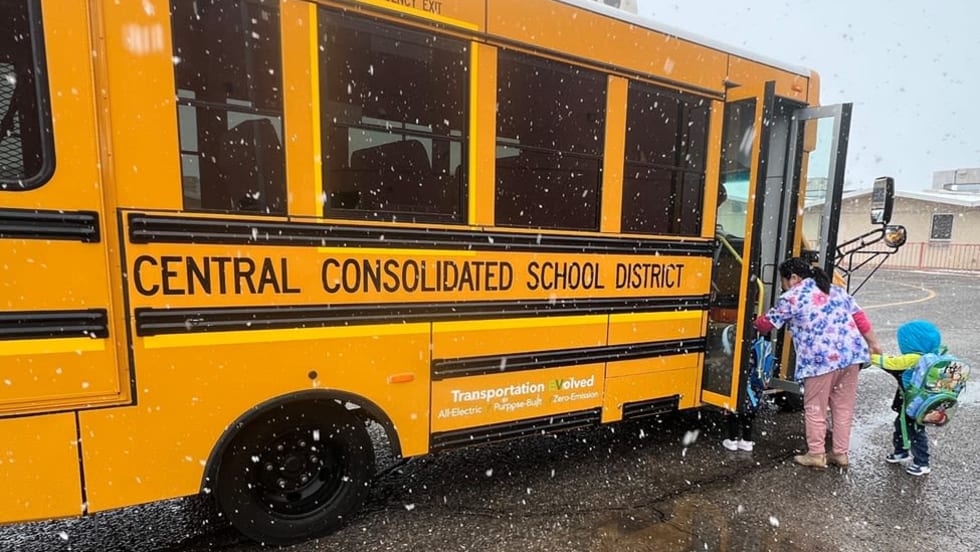
GreenPower Unveils New Heating Solution for Type A Bus
The all-electric bus manufacturer's new product aims to eliminate cold-cabin issues on its Nano BEAST zero-emission school buses operating in cold climates.
Read More →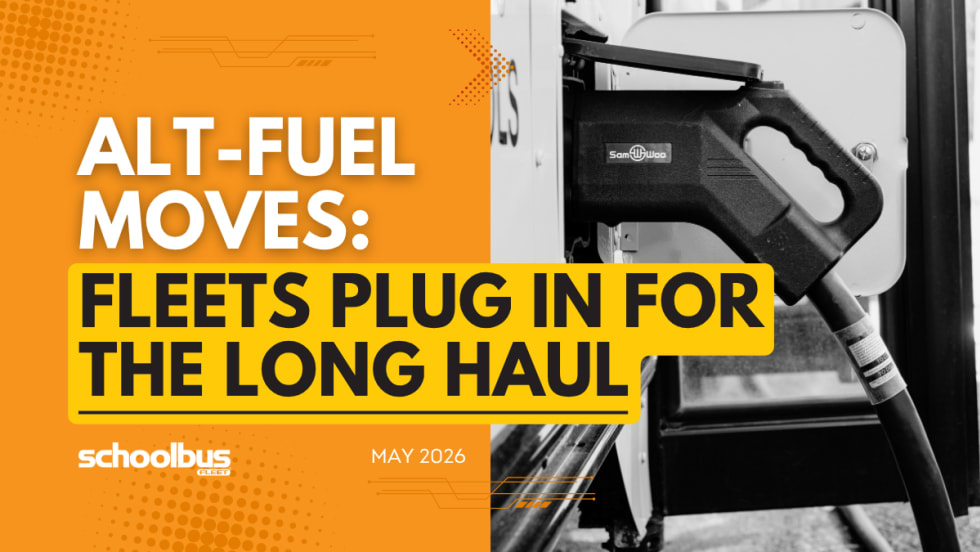
Alt-Fuel Moves: Fleets Plug In for the Long Haul
School districts across the U.S. are moving electric school bus plans into operation, with new fleet deployments, charging infrastructure, and long-term electrification partnerships taking shape.
Read More →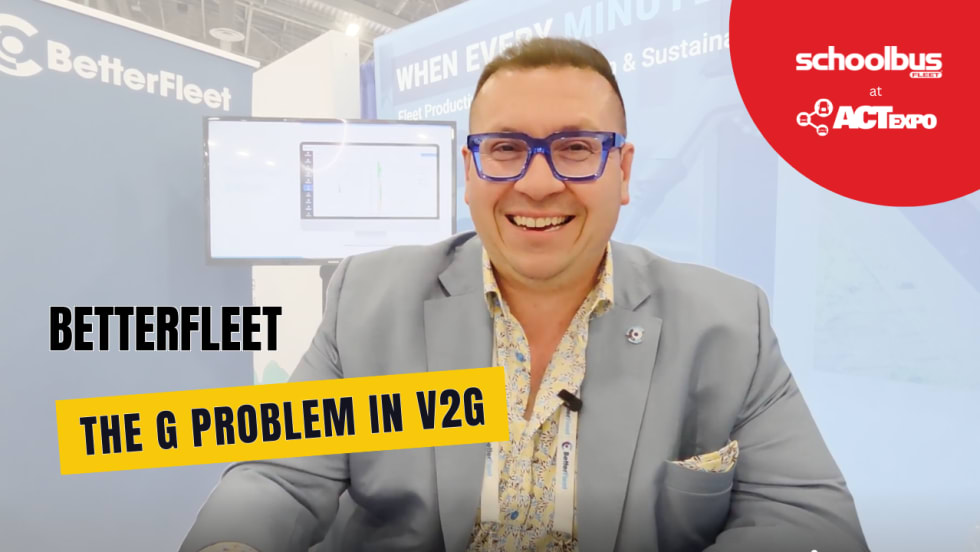
The Achilles Heel of School Bus Electrification: BetterFleet’s Take
BetterFleet’s managing partner discusses AI-powered EV fleet management, vehicle-to-grid challenges, and the real challenges in bus electrification today, from ACT Expo.
Read More →
You're On Your Own to Pick a Drivetrain [Op-Ed]
After years of federal pressure toward electric school buses, districts are suddenly being told to choose their own path. Let’s explore the risks, realities, and politics behind school bus drivetrain decisions.
Read More →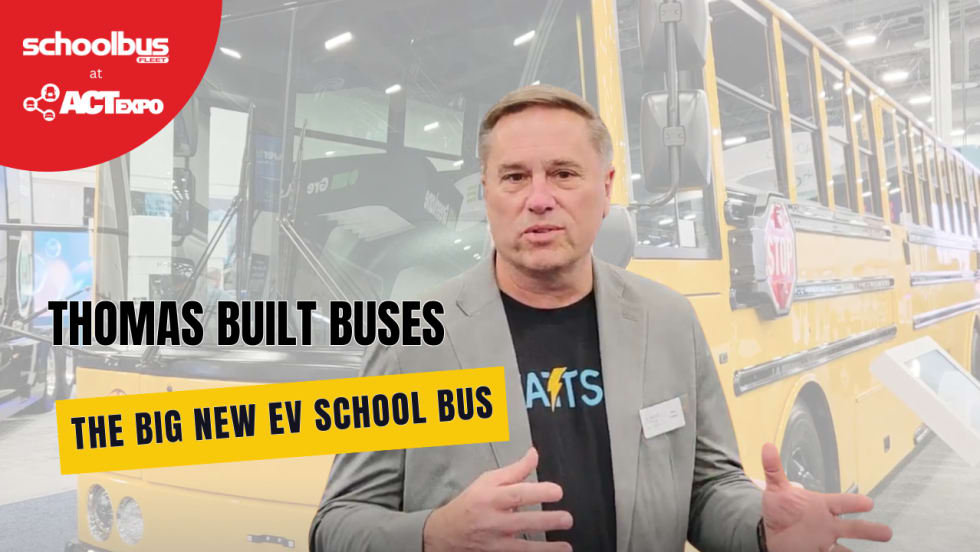
Wattson: Thomas Built’s Largest EV School Bus Yet
Check in with Mark Childers on the new Wattson Type D electric school bus, featuring faster charging, expanded passenger capacity, and advanced safety technology.
Read More →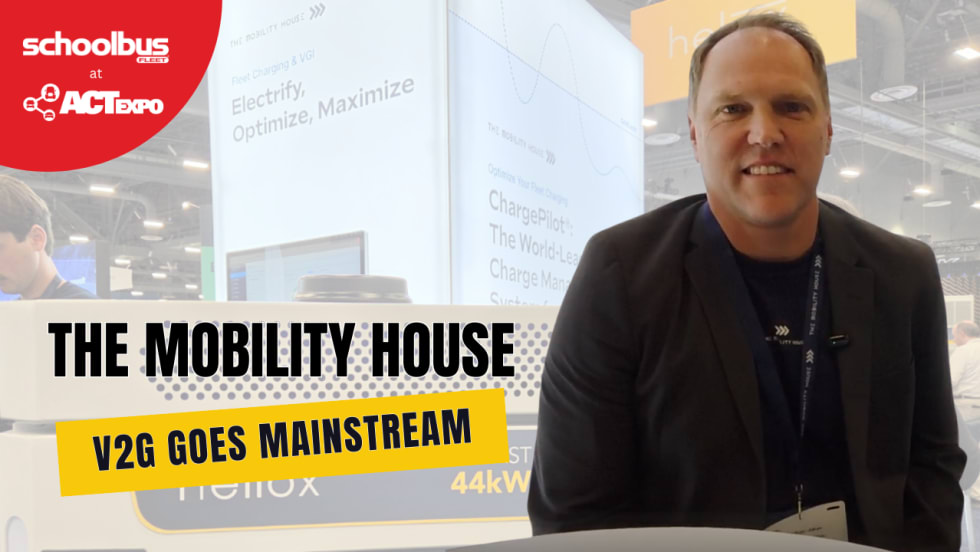
The New Era of Electric School Buses: V2G, Bidirectional Chargers & More
The Mobility House discusses AI-powered charging, vehicle-to-grid technology, smart energy management, and the next phase of school bus electrification.
Read More →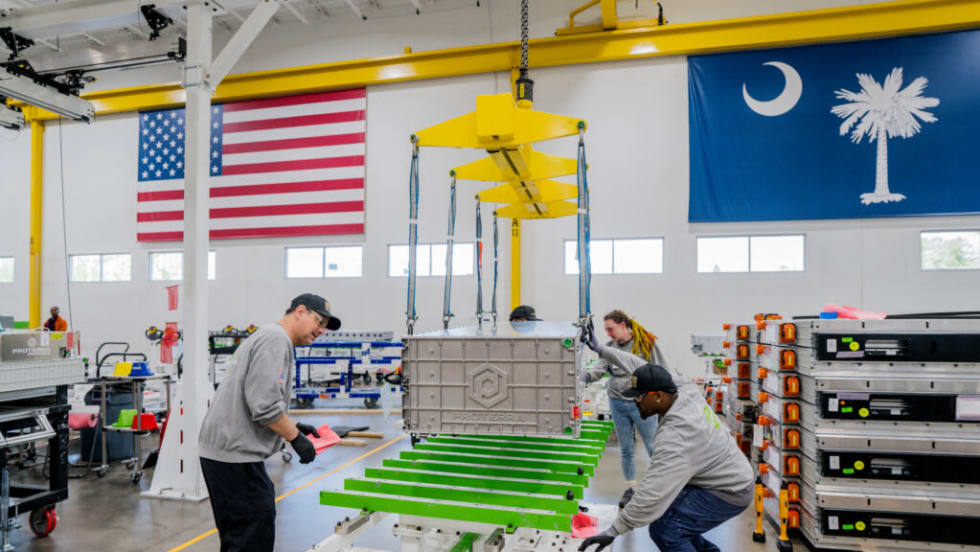
Now Made in America: Proterra Turns to U.S.-Built EV Batteries
Proterra announced a new U.S.-sourced battery cell option for its Onyx platform, boosting domestic content by more than 600% and strengthening EV supply chain resilience for commercial vehicle OEMs.
Read More →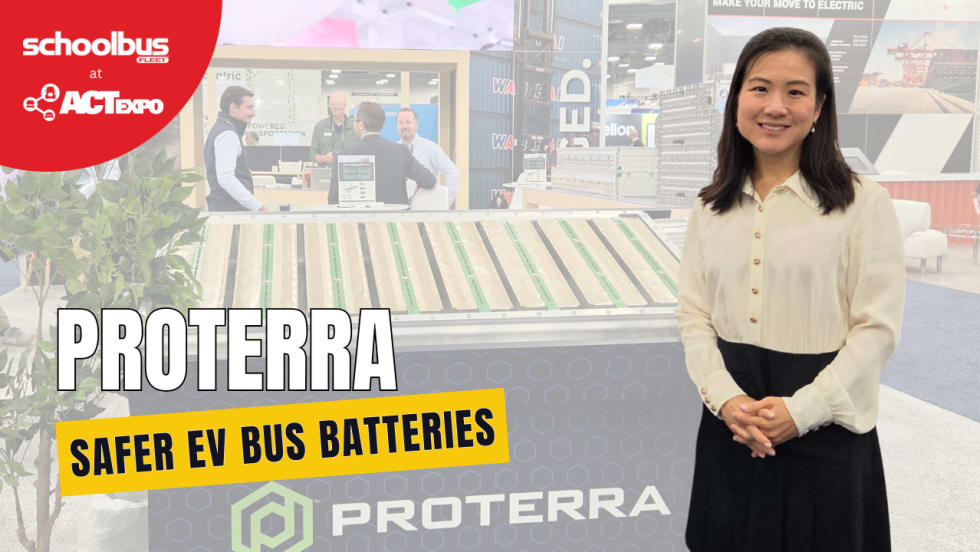
A Look at the Battery Technology Powering Electric School Buses
Check in with Proterra on next-generation EV battery technology for school buses, including safety innovations, predictive diagnostics, EPA 2027 readiness, and the future of transportation from ACT Expo.
Read More →