



Parents urged to stop idling at schools
After implementing a no-idling policy for its school buses a few years ago, a Kentucky district posts signs at elementary schools asking parents to turn off their cars while they wait to pick up their kids.

[IMAGE]194[/IMAGE]
LOUISVILLE, Ky. — After implementing a no-idling policy for its school buses a few years ago, a Kentucky district has now posted signs at schools asking parents to turn off their cars while they wait to pick up their kids.
The new signs, installed beside car-rider lines at the 90 elementary schools in Jefferson County Public Schools (JCPS), carry the message: "The JCPS district is a no-idle zone. Protect our children. Turn off your engine."
Back-to-school letters being sent to parents are also highlighting the initiative.
"Idling creates clouds of exhaust around schools," the district said in an announcement. "Concentrated exhaust increases allergies and asthma symptoms. Asthma is the most common chronic illness in children, and it’s the cause of most school absences."
Mike Mulheirn, JCPS director of facilities and transportation, told The Courier-Journal that it cost the district $540 to design and print the signs. There are at least two at each elementary school.
"Parents who comply not only help clear the air but also save money," the district announcement said. "Just 10 seconds of idling can use more gas than turning off the engine and restarting it. Two minutes of idling uses about the same amount of gas it takes to drive a mile."
The no-idling policy for the district's school buses began with the 2007-08 school year. The buses are not allowed to idle anywhere, except for when a supervisor deems the outside temperature too cold.
More Alternative Fuels
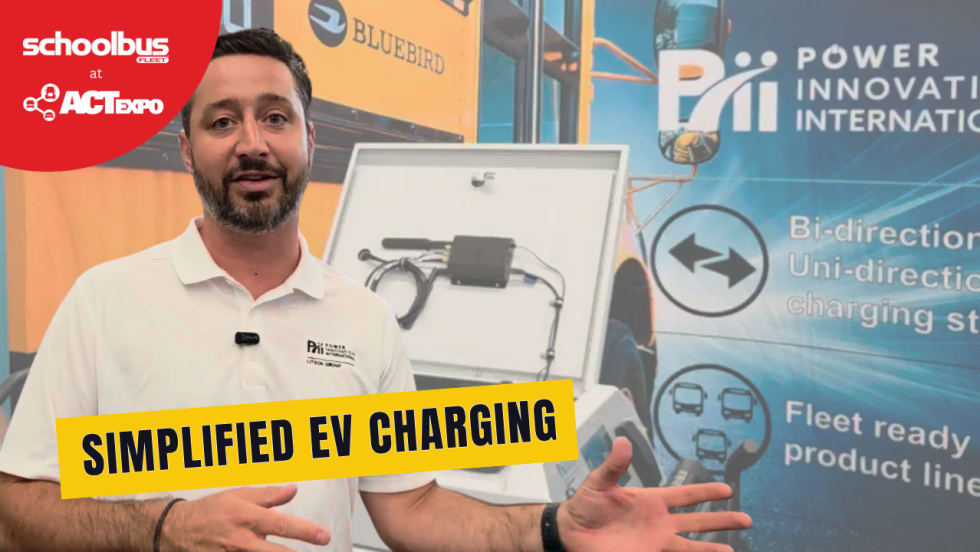
A Solution Helping School Buses Charge Without Major Infrastructure Upgrades
Power Innovations International dishes on its EV charging technology designed to reduce infrastructure barriers, improve reliability, and support V2G applications for school bus fleets.
Read More →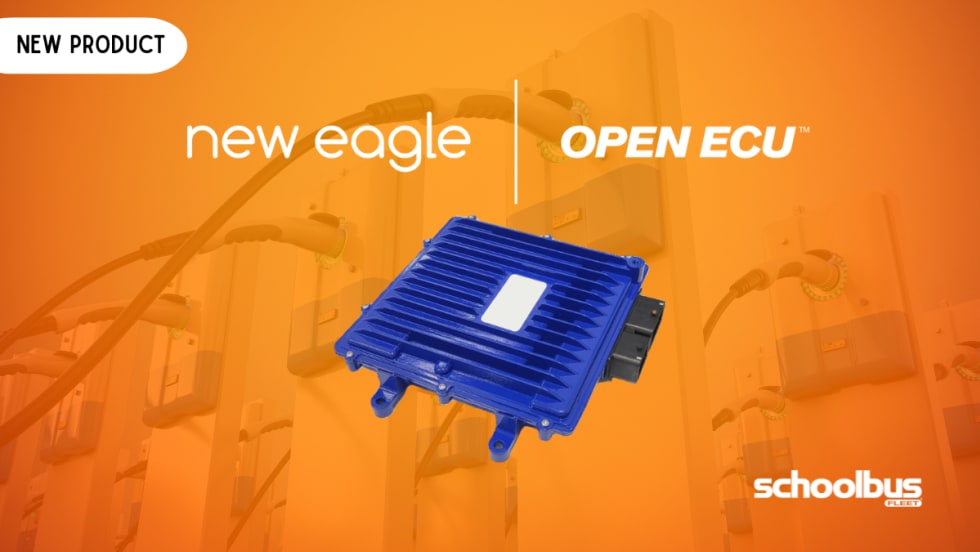
New Eagle Launches All-in-One EV Control Platform
The new OpenECU NX3 platform integrates charging and vehicle controls into a single platform, with support for megawatt charging and vehicle-to-grid technologies.
Read More →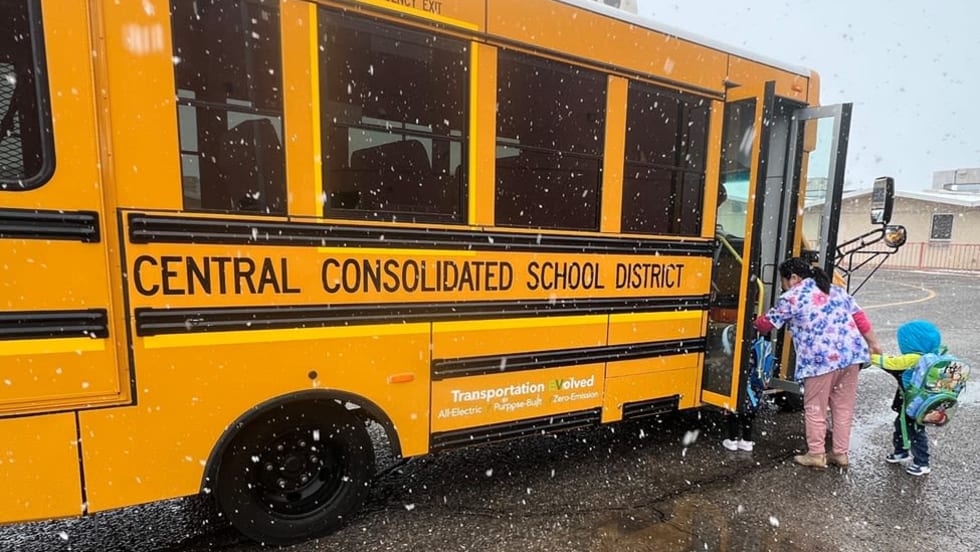
GreenPower Unveils New Heating Solution for Type A Bus
The all-electric bus manufacturer's new product aims to eliminate cold-cabin issues on its Nano BEAST zero-emission school buses operating in cold climates.
Read More →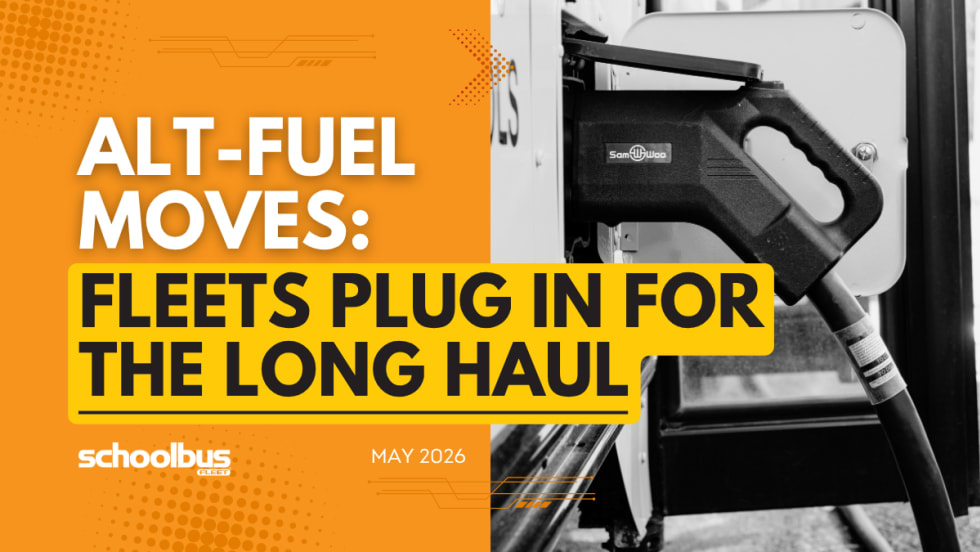
Alt-Fuel Moves: Fleets Plug In for the Long Haul
School districts across the U.S. are moving electric school bus plans into operation, with new fleet deployments, charging infrastructure, and long-term electrification partnerships taking shape.
Read More →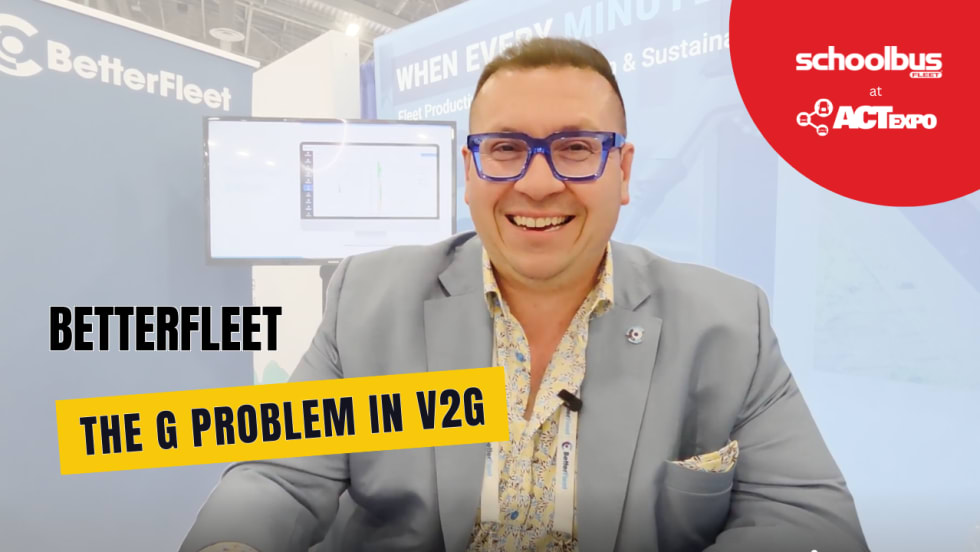
The Achilles Heel of School Bus Electrification: BetterFleet’s Take
BetterFleet’s managing partner discusses AI-powered EV fleet management, vehicle-to-grid challenges, and the real challenges in bus electrification today, from ACT Expo.
Read More →
You're On Your Own to Pick a Drivetrain [Op-Ed]
After years of federal pressure toward electric school buses, districts are suddenly being told to choose their own path. Let’s explore the risks, realities, and politics behind school bus drivetrain decisions.
Read More →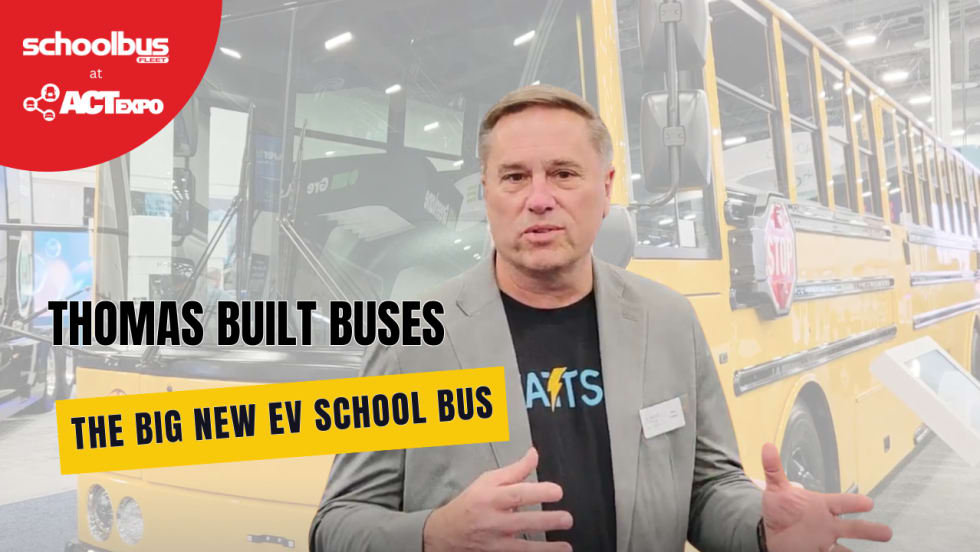
Wattson: Thomas Built’s Largest EV School Bus Yet
Check in with Mark Childers on the new Wattson Type D electric school bus, featuring faster charging, expanded passenger capacity, and advanced safety technology.
Read More →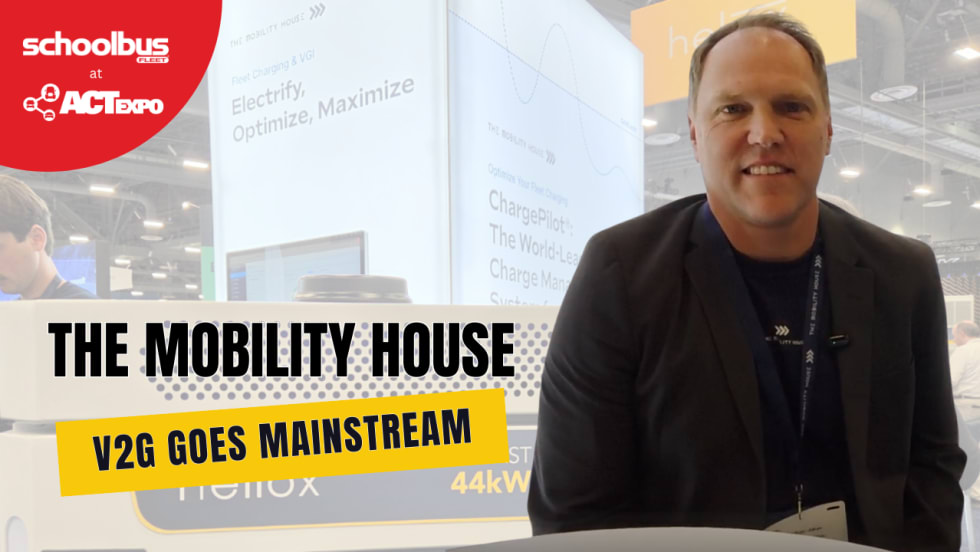
The New Era of Electric School Buses: V2G, Bidirectional Chargers & More
The Mobility House discusses AI-powered charging, vehicle-to-grid technology, smart energy management, and the next phase of school bus electrification.
Read More →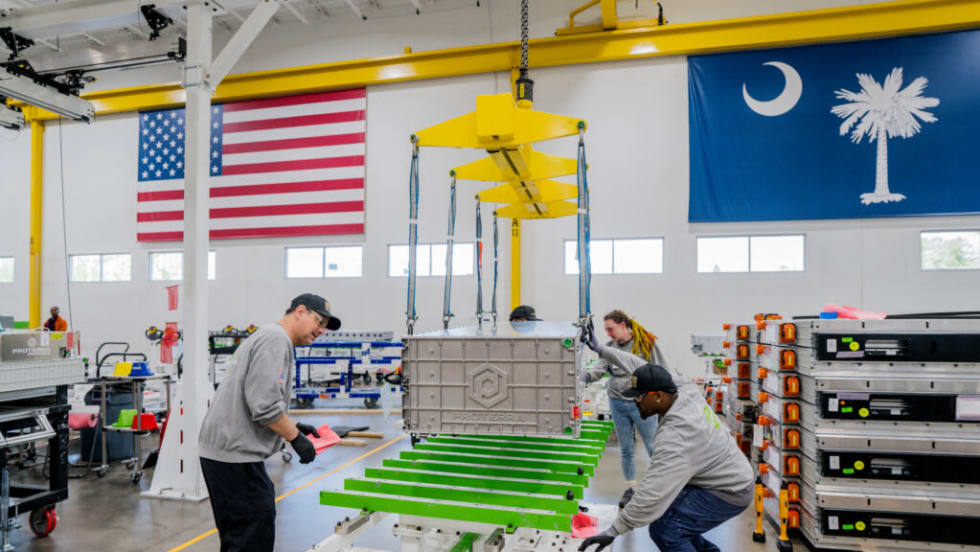
Now Made in America: Proterra Turns to U.S.-Built EV Batteries
Proterra announced a new U.S.-sourced battery cell option for its Onyx platform, boosting domestic content by more than 600% and strengthening EV supply chain resilience for commercial vehicle OEMs.
Read More →
A Look at the Battery Technology Powering Electric School Buses
Check in with Proterra on next-generation EV battery technology for school buses, including safety innovations, predictive diagnostics, EPA 2027 readiness, and the future of transportation from ACT Expo.
Read More →