




Propane Bus Offers Appealing Alternative
Blue Bird’s new propane-powered Vision Type C aims to decrease emissions while improving fuel economy and performance in alternative-fuel vehicles.

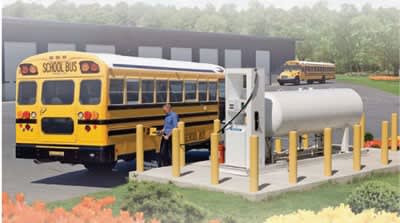
Last November, Blue Bird Corp. unveiled its propane-powered Vision Type C school bus at the National Association for Pupil Transportation’s trade show in Kansas City, Mo.
In July, the company will launch a demonstration program for the new bus, sending two units to dealers in Texas and California.
While some school bus operators have been running propane buses in their fleets for decades, Blue Bird officials say that the new Vision model is the first dedicated propane school bus to be offered by a major manufacturer in the U.S. since 2002. Many propane buses currently on the road are aftermarket conversions.
The production of the propane Vision has been a collaborative endeavor. The Propane Education Research Council provided funding for the project, and Blue Bird received guidance from the Texas Railroad Commission, which is a state agency that oversees propane and other fuels. Also, CleanFUEL USA developed the propane system that powers the bus.
Locations may vary
Rusty Mitchell, Blue Bird’s manager of new product development, says that while the use of propane-powered vehicles tends to be more prevalent in Texas, the fuel is readily available throughout the country.
In Oregon, Portland Public Schools and its contractor, the local branch of Laidlaw Education Services, run approximately 200 propane-powered buses. Phil Weber, director of transportation for the district, says the two operations began using the alternative fuel in the early 1980s. Concerns about diesel prices and increasingly stringent air quality regulations drove the decision.
Alvin (Texas) Independent School District has 93 propane-powered buses in its fleet of 153. The propane vehicles are all aftermarket conversions, although the district did purchase some OEM models in the 1990s.
Alvin Independent has been using propane since the 1970s, and at one point, the entire fleet was running on the fuel.
Improving technology
Dennis Whitaker, Blue Bird’s vice president of engineering, says that in the past, some propane-powered buses haven’t been very efficient.
Indeed, Butch Passmore, fleet maintenance manager at Alvin Independent, says that propane buses in the district’s fleet that use older vapor technology average half the miles per gallon of the district’s diesel buses (3.7 mpg vs. 7.3 mpg).
However, the propane still ends up costing the district less per mile, because the already-lower per-gallon price of propane is brought down even more with the current 50-cent-per-gallon federal rebate for using propane.
The new propane Vision uses a liquid propane injection (LPI) system, developed by CleanFUEL USA, that is expected to be significantly more efficient than the older technology.
The LPI system replaces the gasoline injectors in the GM 8.1L Vortec engine with propane injectors, delivering the propane to the cylinders in liquid form. Officials involved with the project say that this process results in more complete combustion, lower emissions and improved fuel economy and performance.
Surveying the benefits
A key benefit of using propane is its relatively low environmental impact. The propane system available in the Vision received Environmental Protection Agency certification with a rating of 0.5 grams of non-methane hydrocarbons and nitrogen oxides per brake-horsepower-hour. This is lower than the EPA requirement for 2007 diesel engines.
Blue Bird’s Mitchell says that using propane also reduces reliance on foreign fuel, because almost 90 percent of U.S. propane is domestically produced.
Another benefit, Weber of Portland Public Schools points out, is that propane is not as volatile in its pricing as diesel is. “In two years, we’ve seen about a 60 cent change from low to high” in the cost of propane, Weber says.
The district is currently paying about $1.23 per gallon of propane. Weber says that economy of scale helps in securing a good price — the district and the Laidlaw branch purchase a combined 740,000 gallons of fuel per year.
Alvin Independent’s Passmore says that his operation has seen reduced maintenance costs for its propane vehicles. “Brakes and tires last longer on propane buses, because they don’t have the extra weight of diesel engines,” Passmore says.
And he notes that propane engines require just half the amount of oil during service that a comparable diesel engine requires. “Also, we’ve found that the propane engine accelerates faster,” Passmore says. “That was a big surprise.”
Getting set up
Mitchell says that CleanFUEL USA has committed to working with customers of the propane-powered Vision throughout the country to help establish infrastructure for the vehicles.
Passmore says that most propane dealers will furnish fleets with the equipment needed to run their vehicles on the alternative fuel. His district had taken advantage of that offer in the past, but when they moved to a new site, they decided to spring for upgraded equipment: an 18,000-gallon tank and Clean Fuel Technology dispensers.
In Portland, the Laidlaw branch has propane tanks at its terminal. The Portland Public Schools buses are refueled by a truck that delivers propane from the contractor’s site, allowing the district to avoid storage costs.
More Alternative Fuels
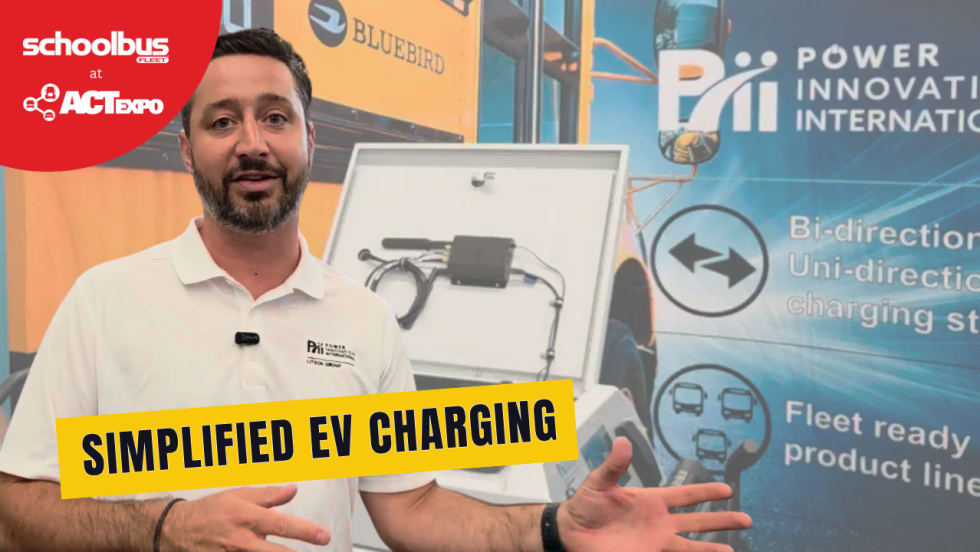
A Solution Helping School Buses Charge Without Major Infrastructure Upgrades
Power Innovations International dishes on its EV charging technology designed to reduce infrastructure barriers, improve reliability, and support V2G applications for school bus fleets.
Read More →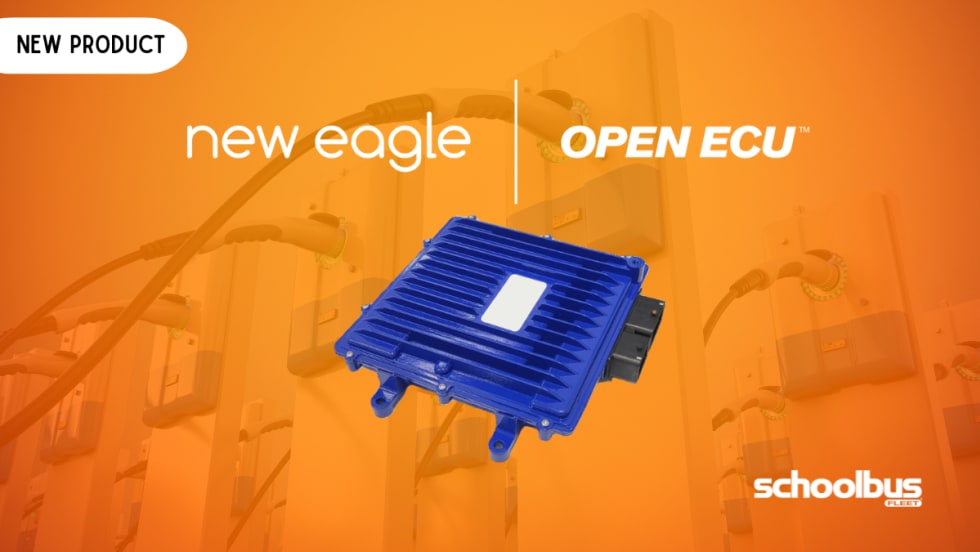
New Eagle Launches All-in-One EV Control Platform
The new OpenECU NX3 platform integrates charging and vehicle controls into a single platform, with support for megawatt charging and vehicle-to-grid technologies.
Read More →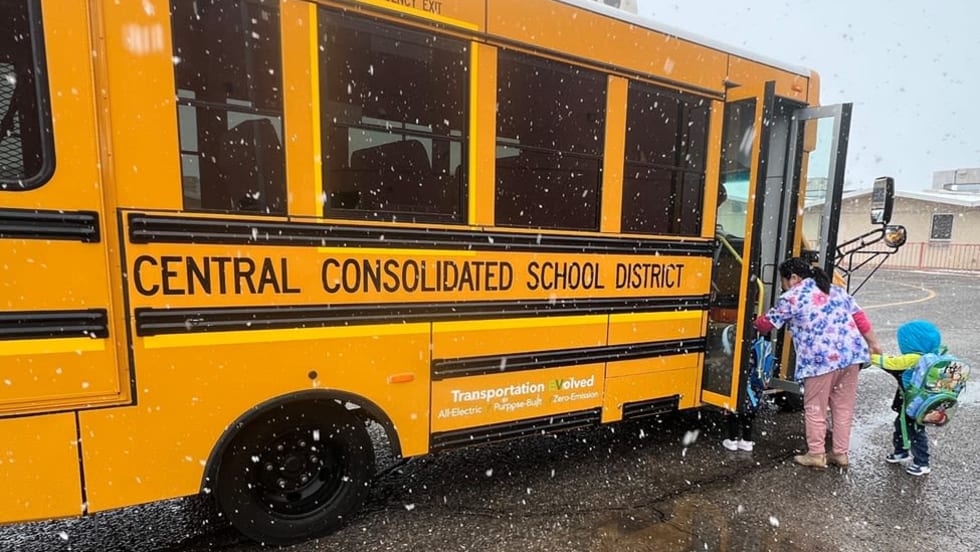
GreenPower Unveils New Heating Solution for Type A Bus
The all-electric bus manufacturer's new product aims to eliminate cold-cabin issues on its Nano BEAST zero-emission school buses operating in cold climates.
Read More →
Alt-Fuel Moves: Fleets Plug In for the Long Haul
School districts across the U.S. are moving electric school bus plans into operation, with new fleet deployments, charging infrastructure, and long-term electrification partnerships taking shape.
Read More →
The Achilles Heel of School Bus Electrification: BetterFleet’s Take
BetterFleet’s managing partner discusses AI-powered EV fleet management, vehicle-to-grid challenges, and the real challenges in bus electrification today, from ACT Expo.
Read More →
You're On Your Own to Pick a Drivetrain [Op-Ed]
After years of federal pressure toward electric school buses, districts are suddenly being told to choose their own path. Let’s explore the risks, realities, and politics behind school bus drivetrain decisions.
Read More →
Wattson: Thomas Built’s Largest EV School Bus Yet
Check in with Mark Childers on the new Wattson Type D electric school bus, featuring faster charging, expanded passenger capacity, and advanced safety technology.
Read More →
The New Era of Electric School Buses: V2G, Bidirectional Chargers & More
The Mobility House discusses AI-powered charging, vehicle-to-grid technology, smart energy management, and the next phase of school bus electrification.
Read More →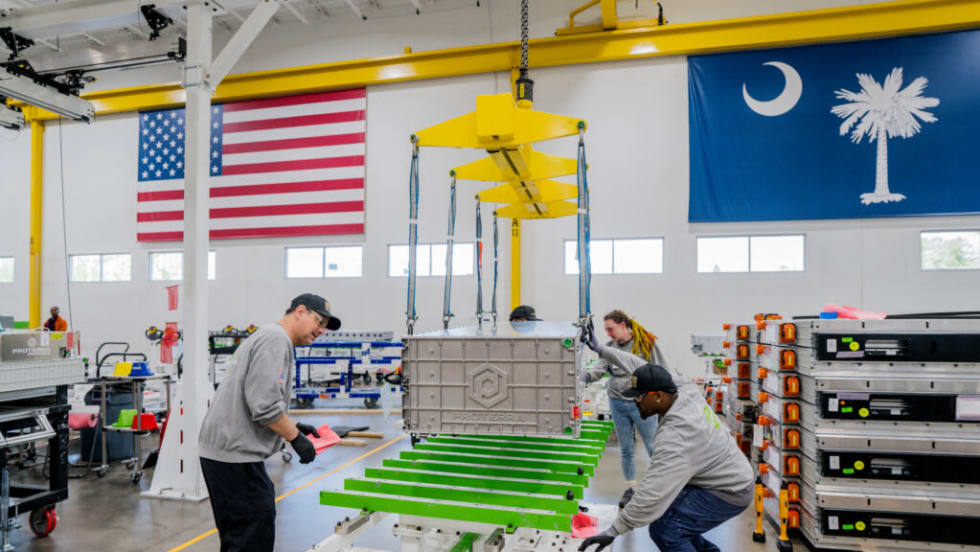
Now Made in America: Proterra Turns to U.S.-Built EV Batteries
Proterra announced a new U.S.-sourced battery cell option for its Onyx platform, boosting domestic content by more than 600% and strengthening EV supply chain resilience for commercial vehicle OEMs.
Read More →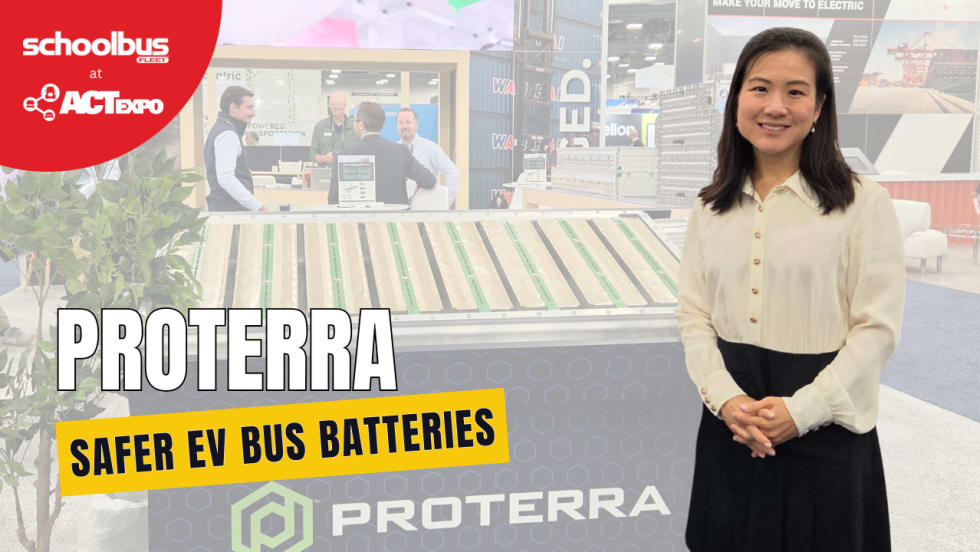
A Look at the Battery Technology Powering Electric School Buses
Check in with Proterra on next-generation EV battery technology for school buses, including safety innovations, predictive diagnostics, EPA 2027 readiness, and the future of transportation from ACT Expo.
Read More →