



New York associations respond to alcohol interlocks bill
The bill, which was drafted last fall, would require the devices to be installed in school buses in New York state as a way to prevent drunk drivers from getting behind the wheel of the bus. New York School Bus Contractors Association board member Paul Mori and New York Association for Pupil Transportation Executive Director Peter Mannella provide testimony during a Senate hearing on Thursday, expressing concerns about the legislation and offering potential alternatives.
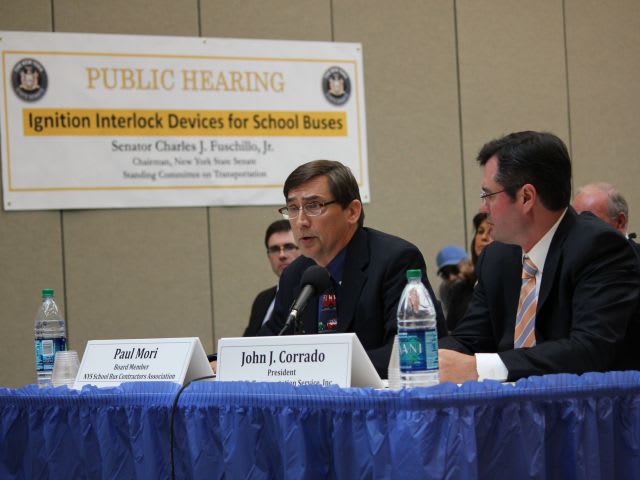
Paul Mori (left), an NYSBCA board member and school bus industry veteran, represented the association at a New York Senate hearing on Thursday on a bill that would mandate alcohol ignition interlock devices on school buses in the state. At right is John Corrado, president of Suffolk Transportation Services in Bay Shore, N.Y.
FARMINGDALE, N.Y. — The New York School Bus Contractors Association (NYSBCA) and the New York Association for Pupil Transportation (NYAPT) provided testimony during a Senate hearing on Thursday regarding a proposed bill that would mandate alcohol ignition interlocks on school buses.
As SBFpreviously reported, the legislation would require the devices to be installed in school buses as a way to prevent drunk drivers from getting behind the wheel of the bus.
The breath test device links to a vehicle’s ignition system and prevents it from starting if alcohol is detected in the driver’s breath.
NYSBCA was represented at the hearing by school bus safety expert and association board member Paul Mori. NYAPT was represented by Executive Director Peter Mannella.
“As champions of school bus safety, the New York School Bus Contractors Association believes there are better solutions to help prevent DWI and further protect our children,” Mori said. “When considering the excellent safety record of the industry, the technical challenges of ignition interlocks, and cost, the association believes that mandating ignition interlock devices on every single school bus in New York is simply not a rational response to a few isolated, yet widely publicized, incidences.”
Mori, who is a senior manager at Huntington Coach on Long Island, has 32 years of experience in school bus safety. Officials said he rejected the logic behind the push for mandatory interlocks on all school buses, and instead offered proven solutions used by industry leaders in pupil transportation safety.
While he said any case of an intoxicated bus driver is unacceptable, Mori noted that school buses continue to be the safest mode of transportation for schoolchildren.
“School buses are by far the safest way for a child to get to and from school in New York — statistically almost 40 times safer than riding in a car,” Mori said. “Overall, New York’s school districts and contractors are doing a phenomenal job at transporting more than 2 million students to and from school every day.”
Mori went on to lay out the numerous flaws with the proposal for mandatory ignition interlocks on all school buses, from using a “guilty until proven innocent” approach with all school bus drivers to the technical problems with interlocks.
“The interlocks have to be engaged and re-engaged every time a school bus is started and re-started,” he said. “Any false positives (mouthwash) or other problems with the device would lead to significant employee and transportation management issues. And because these devices require activation from a driver while the vehicle is running to be effective, this could create major distractions for the driver and, ultimately, be very dangerous for students riding the bus.”
Mori also spoke about the cost of installation, maintenance, calibration, training and additional staffing involved with mandating the devices.
“The estimated increase in costs to cash-strapped school districts and taxpayers could be over $100 million,” he said, “with recurring costs to school districts and taxpayers of more than $60 million a year when you factor in device cost, training, testing, maintenance and replacement.”
As alternatives to mandating alcohol ignition interlock devices on all school buses to help prevent DWI, NYSBCA suggests increasing and expanding random drug and alcohol testing of all drivers of all school vehicles.
While many contractors already subject drivers to random testing, officials said that under the current law, drug and alcohol testing only applies to certain license holders. Some drivers, including those driving school buses with 14 or fewer passengers, are excluded from the testing pool.
Another solution, the association said, is for New York to follow the federal minimum of 50% random drug testing, and increase random alcohol testing to at least 25% of the school bus driver pool, up from the 10% which is currently required.
Other expanded safety measures supported by the NYSBCA include additional employee and management education programs, increasing the training for supervisors in drug and alcohol use recognition, and better enforcement throughout the industry of laws requiring the “direct observation” of a school bus driver before his or her shift.
NYSBCA also stated its strong support for increased penalties for drivers convicted of operating a school bus under the influence.
In addition, NYSBCA suggested that the state could also help prevent problem drivers from getting behind the wheel of a school bus by having the state Department of Motor Vehicles keep a registry of drivers who have been disqualified from work due to failed drug or alcohol tests.
“We realize that even one DWI or incident of driving under the influence of alcohol among school bus drivers is one too many, but again, now is the time to be rational and judicious in our approach,” Mori concluded. “There are a number of smart improvements that can be made to our current laws to keep our school buses as safe as possible; all of which will be more effective than mandating expensive and untested ignition interlock devices.”
NYAPT also opposes the legislation under consideration in the state Legislature, for many of the same reasons as NYSBCA, including the cost of alcohol ignition interlock devices, operational issues and concerns about their reliability.
Like the contractor association, NYAPT attested to the positive safety record of the state's school bus drivers, and the rigorous testing, training and monitoring that school bus drivers undergo was explained.
Mannella also provided recommendations for alternatives to the legislation under consideration. For example, the association suggested requiring that each school bus driver is observed at least once per day, preferrably before the beginning of each run. Another suggestion was to increase the random alcohol testing annual percentage rate for school bus drivers to 100% of the drivers on the roster for each operation.
Mannella offered suggestions related to discipline and penalties as well, including providing that a school bus carrier (either a private contractor or a school district) may terminate as a school bus driver any individual who tests positive on a valid drug or alcohol test.
Also important is the school board's roll, according to Mannella. He suggested on behalf of NYAPT that school districts be allowed to implement practices related to the frequency and nature of driver observations and drug/alcohol testing that exceeds federal or state minimum requirements, provided that the practices are carried out in accordance with the school board's adopted policy.
To read Mori's testimony in full, click here. To read Mannella's testimony in full, click here.
More Safety
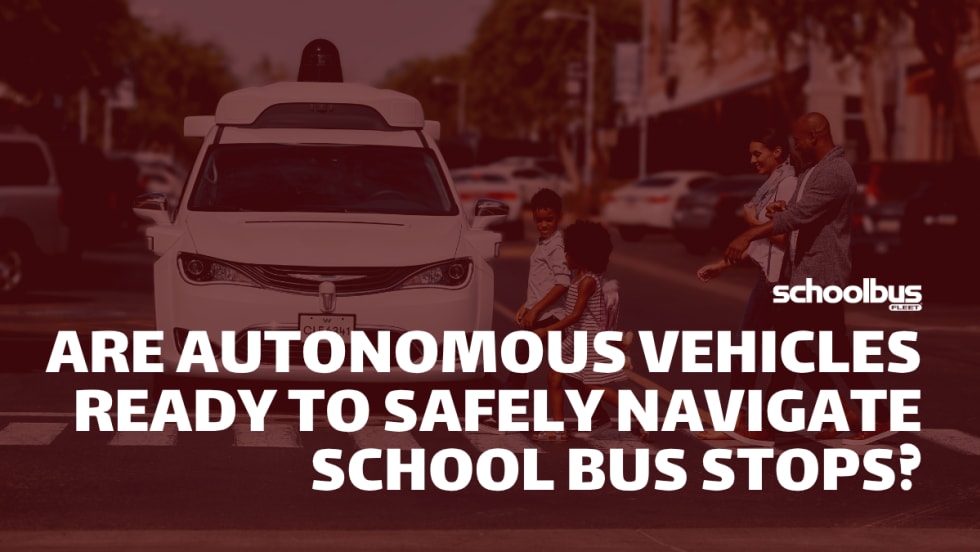
Are Autonomous Vehicles Ready to Safely Navigate School Bus Stops?
NHTSA is accelerating autonomous vehicle deployment through new safety standards and commercial approvals. See why school transportation leaders are watching.
Read More →
NFL Star Lomas Brown Kicks Off New Illegal School Bus Passing PSA
Just in time for the back-to-school season, the former Detroit Lions offensive tackle took time to record a video encouraging motorists to slow down around school buses.
Read More →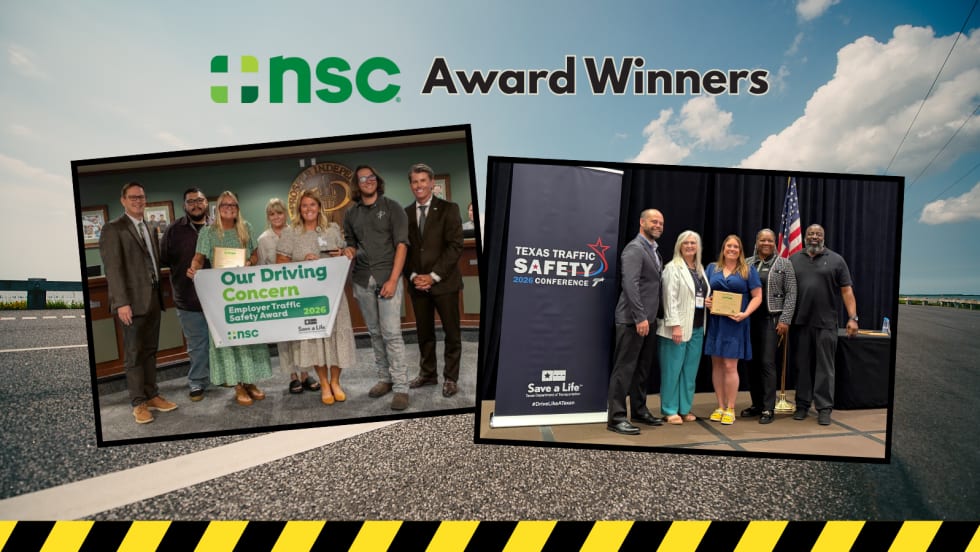
How Two Texas Districts Built Award-Winning Safety Programs
Learn how Prosper ISD and Rockwall ISD earned National Safety Council honors through hands-on training, safety culture, and strategies that reduced transportation incidents.
Read More →
NHTSA Releases 10-Year Review of Fatal School Bus Crashes
The latest federal analysis reinforces the safety of school buses while identifying where school-age pedestrians and other motorists remain most at risk.
Read More →
2026 NASDPTS Survey: Data Shows Further Reduction of Illegal Passing
New data is in! School bus stop-arm passings are down to 38.4 million violations per year, about a 2.3% decrease from last school year — but passings on the right side of the bus are higher than ever.
Read More →
Another School Bus Fatality Reported in Monsey, New York
A 7-year-old girl died after being struck by a school bus in Rockland County, New York while crossing the street. Here's what we know.
Read More →
NSTA Announces 2026 School Bus Driver International Safety Competition Winners
Drivers from across the U.S. and Canada showcased their safety and driving skills, with two defending champions successfully retaining their titles.
Read More →
The Driver Shortage Playbook
Driver shortages are still a major challenge for student transportation fleets, but the real issue has shifted. It’s no longer just about filling seats quickly. It’s about finding safe, reliable drivers who meet performance expectations and want to stay. The Driver Shortage Playbook covers why traditional recruitment tactics are falling short and how school fleets are adapting with smarter hiring, stronger retention strategies and a greater focus on driver quality.
Read More →
Pro-Vision Launches AI-Powered 360° Camera System
The new Birdseye camera delivers real-time AI-based pedestrian and vehicle detections, full visibility around the bus, and telematics integrations.
Read More →
N.Y. & N.J. Coalitions Call for Modernized Transportation for Vulnerable Students
New statewide coalitions in New York and New Jersey are urging lawmakers to expand student transportation options for vulnerable students amid ongoing driver shortages.
Read More →