




Laser cutters boost quality, efficiency at Thomas Built
The new equipment allows the school bus manufacturer to eliminate five other machines, reorganize work flow and reduce the average time it takes to fabricate parts by about 25 percent.

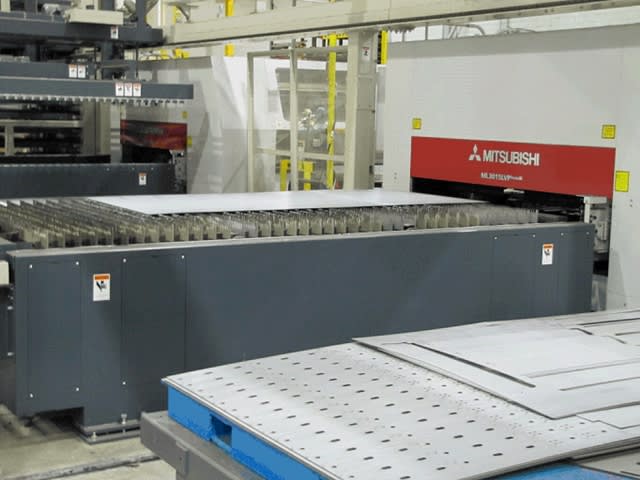
New machines have allowed Thomas Built Buses to reduce the average time it takes to fabricate parts by about 25 percent.
HIGH POINT, N.C. — Thomas Built Buses’ purchase of two Mitsubishi 4000 watt laser cutters and a 20-foot-tall stacker have served as the catalyst for a dramatic change in the company’s fabrication process, officials said.
The new machines, acquired in late 2010 and early 2011, have allowed the company to eliminate five other machines, reorganize work flow and reduce the average time it takes to fabricate parts by about 25 percent.
The new equipment is one of the most recent components of the company’s implementation of lean management, which began in Thomas Built’s Saf-T-Liner C2 bus plant. Assembly lines for Type A and D buses in Plant One were updated and redesigned for more efficient production in 2007 and 2008.
Company officials said that at Thomas Built, lean management is a philosophy of improving quality while driving waste out of the organization at every level, and empowering all employees as waste eliminators and problem solvers to achieve optimum efficiency.
For many years, Thomas Built has fabricated parts for all of its new buses as well as some replacement parts for buses in the field.
With the new laser cutters, the company was able to bring production of more than 100 additional parts in-house. And, with lasers that operate nearly 24 hours a day, seven days a week, every week more parts are being manufactured in-house, reducing costs and speeding up delivery of parts to the bus manufacturing line.
“Thomas Built Buses is vertically integrated,” said Jeff Allen, vice president of operations. “The majority of parts on our buses are fabricated from steel that we buy as coils of raw material direct from the mill.”
With approximately 11,000 active parts in inventory, Thomas Built purchases about 60 million pounds of steel a year.
“These new lasers provide greater precision, so we get the optimal number of parts from a sheet, reducing waste, and we can produce higher quality parts," Allen said. "Because we make most parts in-house, we can get parts to our customers faster and maintain better quality control."
Allen reported that nearly a year after installation, the lasers are on track to pay for themselves in just two years, and they are contributing significantly to Thomas Built’s Zero-Waste-to-Landfill commitment.
“The best way to be Zero-Waste-to-Landfill is to avoid creating waste in the first place,” he said.
The addition of the lasers has reduced fabrication waste and saved on material costs and recycling fees.
More Maintenance

Cummins on Smarter, Simpler Engine Innovation
Cummins discusses its first-ever gasoline engine for school buses, EPA 2027, and why bus fleets still want durable, simpler internal combustion options.
Read More →
Report: 72% of Diesel School Buses Now Use Advanced Low-Emission Engines
New data shows advanced low-emission diesel technology continues expanding across school bus fleets, even as electric bus adoption gains momentum.
Read More →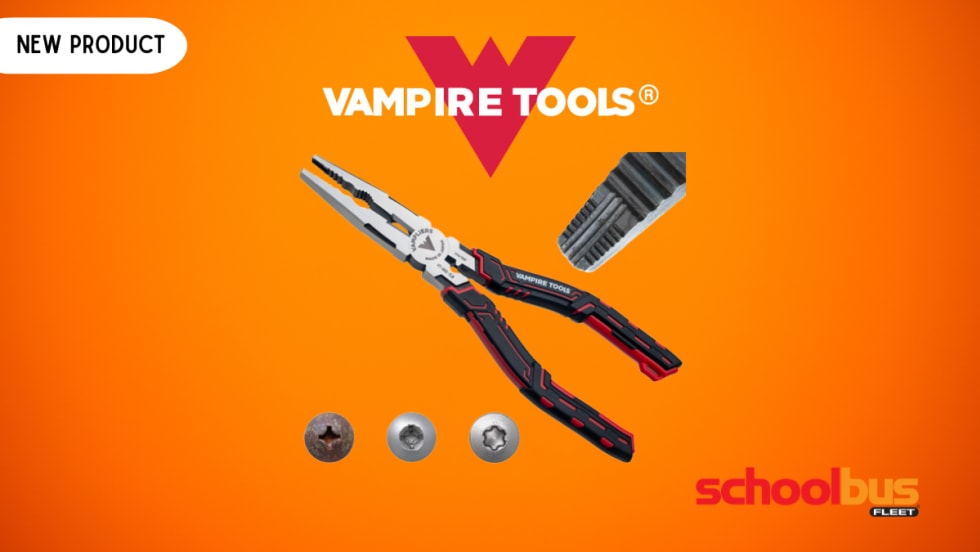
Vampire Tools' CAIMAN 7.5-Inch Multi-Purpose Screw Extractor Long-Nose Pliers with Crimper
Vampire Tools introduced the VAMPLIERS Caiman 7.5-inch multi-purpose pliers, combining screw extraction, cutting, crimping, and gripping functions into a single tool designed for fleet maintenance professionals.
Read More →
How Advanced Diagnostics Helps Bus Fleets Stay Ahead of Repairs
Chat with Noregon’s Kevin Smallhorn at ACT Expo about bus diagnostic tools, telematics integration, CNG maintenance support, and strategies to help reduce downtime and improve uptime.
Read More →
How School Bus Fleets are Getting Ahead of Breakdowns
Don’t let bus downtime wear you down. Here’s how bus operators are shifting from manual processes to AI-powered, data-driven maintenance systems for improved reliability and safety.
Read More →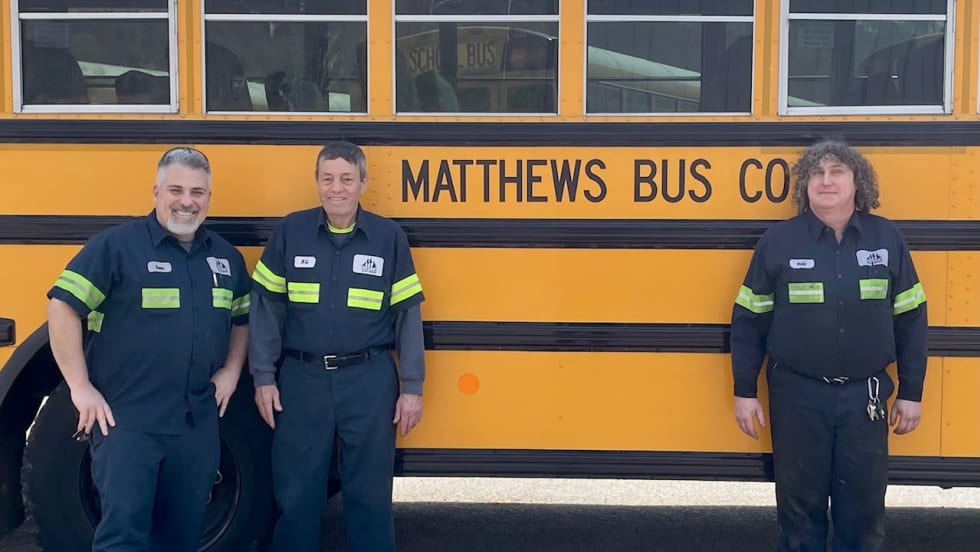
Pennsylvania School Bus Maintenance Team Praised for Dedication to Safety
Matthews Bus Company’s West Jefferson received a letter of commendation from the Pennsylvania State Police for their fleet inspections.
Read More →
2026 State of Student Transportation Report
Student transportation teams are being asked to do more with less, facing driver shortages, rising costs, and increasing safety expectations. This report uncovers how fleets are adapting, where technology is making the biggest impact, and why student ridership tracking is emerging as a top priority. Download the report to explore the key trends shaping 2026 and what they mean for your operation.
Read More →
From Chaos to Clarity: How School Districts Are Running Leaner Transportation Operations
Covering 38 routes on a Friday afternoon. Buses idling while routes overlap. Parents calling nonstop about late arrivals. Sound familiar? This whitepaper explores how district transportation leaders solved these exact problems — and what measurable results followed.
Read More →
The New Playbook for Safer, Smarter School Bus Maintenance
As school districts juggle aging buses, technician shortages and rising safety expectations, proactive fleet maintenance is becoming essential. This guide explores how telematics, predictive maintenance and real-time vehicle data can help transportation departments reduce breakdowns, extend vehicle life, improve compliance and keep students safer on the road.
Read More →
2026 School Bus Fleet Vendor Directory & Buyer's Guide
Searching for the right equipment, technology, or services for your school transportation program? This industry guide brings together manufacturers and suppliers across the entire school bus market, all in one place. Download it to find the partners who can help move your operation forward.
Read More →