




Utah District Equips 40 School Buses With Heat Recycling System
A $30,000 grant funds installation of Idle Free Heat technology on Granite School District buses.

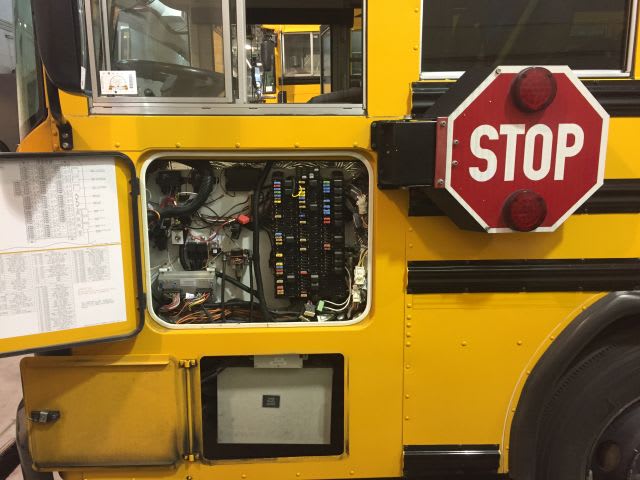
The Idle Free Heat system consists of an electronic control unit (above fuse panel at bottom of photo), a small pump, and an activation button.
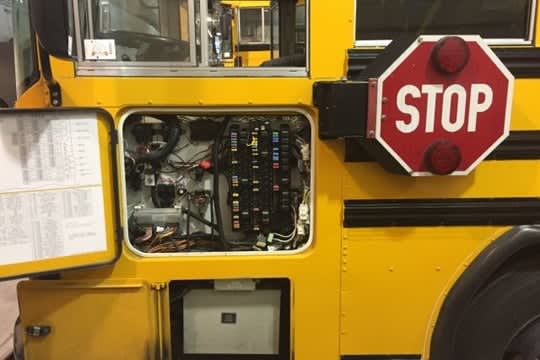
The Idle Free Heat system consists of an electronic control unit (above fuse panel at bottom of photo), a small pump, and an activation button.
SALT LAKE CITY — A school district here has added a new heat recycling system to its school buses in an effort to curb idling and emissions.
The Utah Clean Air Partnership recently awarded a $30,000 grant to Idle Free Heat to install its technology on 40 of Granite School District’s buses.
Idle Free Heat uses residual heat from the engine to keep the interior of the bus warm, circulating the heat through the vents when the bus is turned off. According to inventor and owner Joel Ewell, the system produces no emissions and consumes no fuel.
“A typical school bus spends one to three hours a day idling just to keep the inside of the bus heated,” Ewell said. “With Idle Free Heat installed, the bus no longer needs the engine idling in order to keep the heat flowing. Now, the driver and passengers can stay warm without polluting our air with vehicle emissions.”
Ewell secured a patent for his Idle Free Heat system and opened for business in January 2017. The system consists of an electronic control unit, a small pump, and an activation button for the driver.
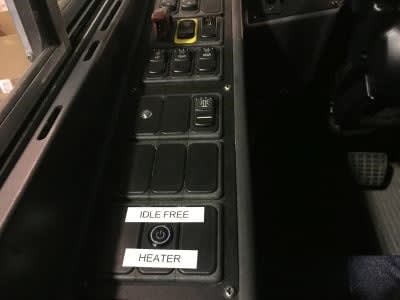
Shown here is the Idle Free Heat activation button for the driver.
The Idle Free Heat technology was installed on two of Granite School District’s school buses last year. The move was part of a pilot program aimed at reducing pollutants that create particulate matter and ozone.
The 40 additional systems funded by the Utah Clean Air Partnership grant were installed on Granite buses earlier this year.
“By eliminating bus idling, Granite School District will eliminate hundreds of pounds of pollution emissions, save money on fuel, and extend the life of vehicle engines,” the district said in a press release.
More Management

From Intent to Impact: What I Learned About Leadership from TAPT
A Texas transportation supervisor shares lessons on self-awareness, accountability, managing stress and building trust — and why investing in leadership development matters at every stage of your career.
Read More →
NAPT Names 2026 Award Recipients
Who earned national recognition for their work in student transportation? This year, NAPT named five recipients of its 2026 awards for service, safety, and leadership.
Read More →
2026 State of Student Transportation Report
Driver shortages. Rising costs. Growing safety expectations. More data, but not enough time to act on it. The 2026 State of Student Transportation Report reveals what transportation leaders say is putting the most pressure on their operations—and where they’re investing next. See how your priorities compare.
Read More →

How to De-Escalate an Angry Person: 5 Steps for Handling Workplace Conflict
What makes emotions run high, and how should you handle an angry colleague or parent? Follow these steps for staying calm, listening, showing empathy, and resolving conflict.
Read More →
What Readiness Looks Like This School Year
Learn about the challenges shaping the 2026–2027 school year, from persistent driver shortages and budget pressure to technology and readiness gaps. See how school districts are responding and adapting in Zonar’s 2026 Back-to-School Readiness Report.
Read More →
Changing Lanes: Executive Moves at Summit School Services, Zum, STA, Cummins, Transit Technologies, Driventic, & Cadex
See who's been hired, promoted, and appointed to leadership positions at various school transportation industry suppliers and private contractors.
Read More →
Texas Sixth Grader Wins 2026 National School Bus Safety Poster Contest
Sai Darshana Yekolu of Moseley Middle School in Prosper, Texas, was named the newest winner for her artwork, bringing the theme of “Safe Rides, Everyday Heroes” to life.
Read More →
Industry Moves: Companies Expand Fleet Service & EV Infrastructure Footprints
The new facilities and regional hubs could mean faster access to shop equipment, charging support, and transportation technology for fleet operators.
Read More →
Doing More With Less: How Transportation Directors Can Prioritize Safety Amid Budget Uncertainty
With diesel prices soaring and nearly one-third of transportation directors expecting budget cuts, maintaining student safety has never been more challenging. Download this guide to learn how leading districts are prioritizing risk, funding critical safety technology, and building stronger budget cases with data.
Read More →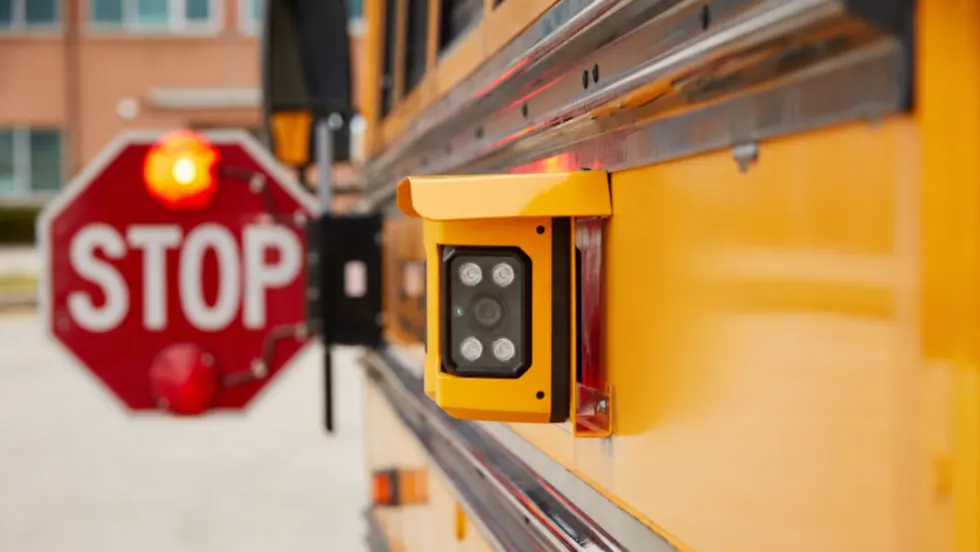
Walton County Schools Adds Gatekeeper Stop-Arm Enforcement System
The Florida district will deploy Gatekeeper’s updated Student Protector technology, which now incorporates AI to improve video evidence.
Read More →