




Iowa District Reports Cold-Weather Reliability of Propane School Buses
With temperatures as low as minus 30, Howard-Winneshiek CSD says its propane buses warm up in a few minutes.

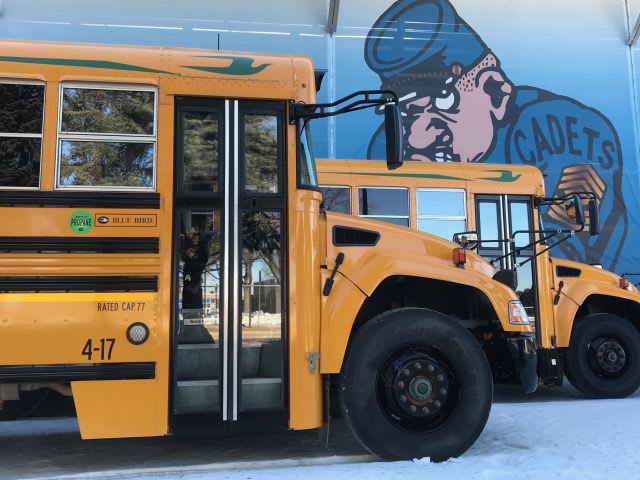
With temperatures as low as minus 30, Howard-Winneshiek CSD says its propane buses warm up in a few minutes.

CRESCO, Iowa — A school district here is reporting success with the performance of propane school buses in frigid winter weather, according to a new case study from Blue Bird and Roush CleanTech.
Howard-Winneshiek Community School District (CSD) is located in northeast Iowa, where temperatures can drop to minus 30 degrees Fahrenheit. The district’s fleet is composed of 23 diesel school buses and seven propane models, with two more slated for delivery later this year.
Brian Swestka, director of transportation for the district, said that the propane buses warm up in a few minutes, compared to 20 to 30 minutes for the diesel buses.
“Our propane buses perform flawlessly,” Swestka said. “They warm up substantially quicker than our diesel buses.”
Also, engine block heaters aren’t needed for the propane school buses, as they are for the diesel models during the winter. Overall, Howard-Winneshiek CSD has seen lower maintenance and operating costs for the propane buses.
“Propane buses require less maintenance than our diesel buses, and that means lower costs,” Swestka said.
Howard-Winneshiek CSD's yearlong data showed the average cost per mile for its propane buses to be about 60% lower than its diesel buses.
Meanwhile, the district reports that the biggest benefit of the propane buses for the drivers and students has been the warmer and quieter performance.
More details on the cold-weather operation of propane school buses at Howard-Winneshiek CSD and other districts is available in this case study from Roush CleanTech and Blue Bird.
More Alternative Fuels
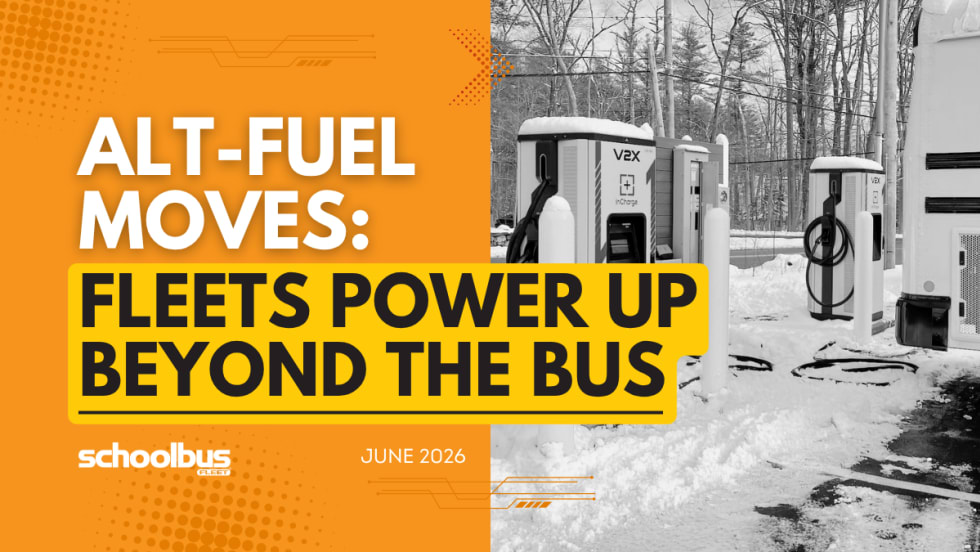
Alt-Fuel Moves: Fleets Power Up Beyond the Bus
See how districts are pairing electric buses with charging, solar, and V2G technology to cut costs, boost resilience, and unlock new fleet value.
Read More →
What the EPA’s Updated Clean School Bus Program Means for Fleet Electrification in 2026 and Beyond
A guide to the EPA’s evolving school bus grants, including how the Trump administration changed funding priorities and how school districts can prepare for future bus purchases.
Read More →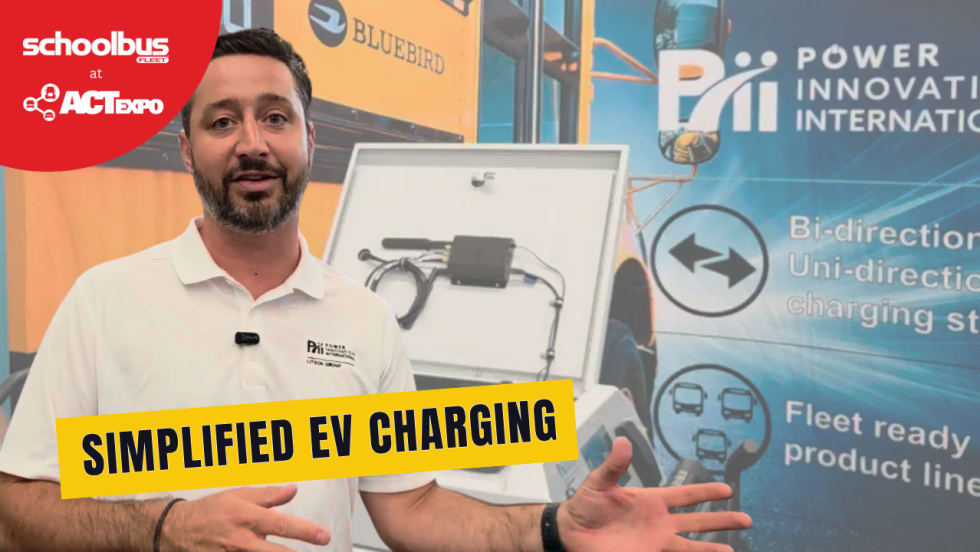
A Solution Helping School Buses Charge Without Major Infrastructure Upgrades
Power Innovations International dishes on its EV charging technology designed to reduce infrastructure barriers, improve reliability, and support V2G applications for school bus fleets.
Read More →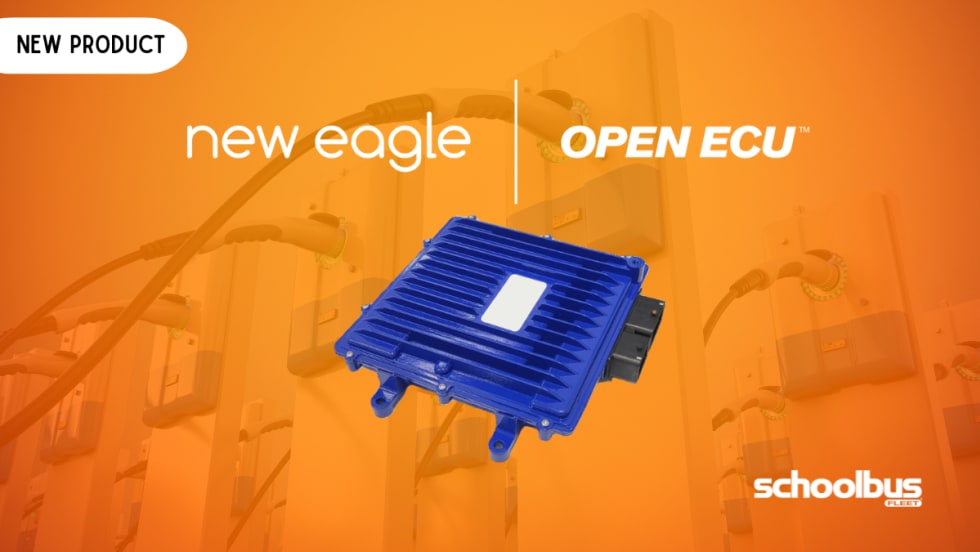
New Eagle Launches All-in-One EV Control Platform
The new OpenECU NX3 platform integrates charging and vehicle controls into a single platform, with support for megawatt charging and vehicle-to-grid technologies.
Read More →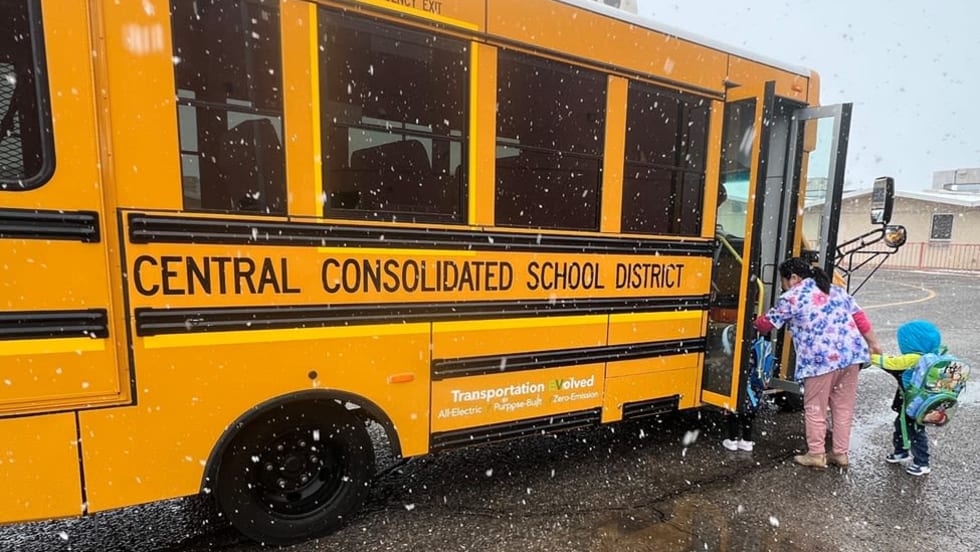
GreenPower Unveils New Heating Solution for Type A Bus
The all-electric bus manufacturer's new product aims to eliminate cold-cabin issues on its Nano BEAST zero-emission school buses operating in cold climates.
Read More →
Alt-Fuel Moves: Fleets Plug In for the Long Haul
School districts across the U.S. are moving electric school bus plans into operation, with new fleet deployments, charging infrastructure, and long-term electrification partnerships taking shape.
Read More →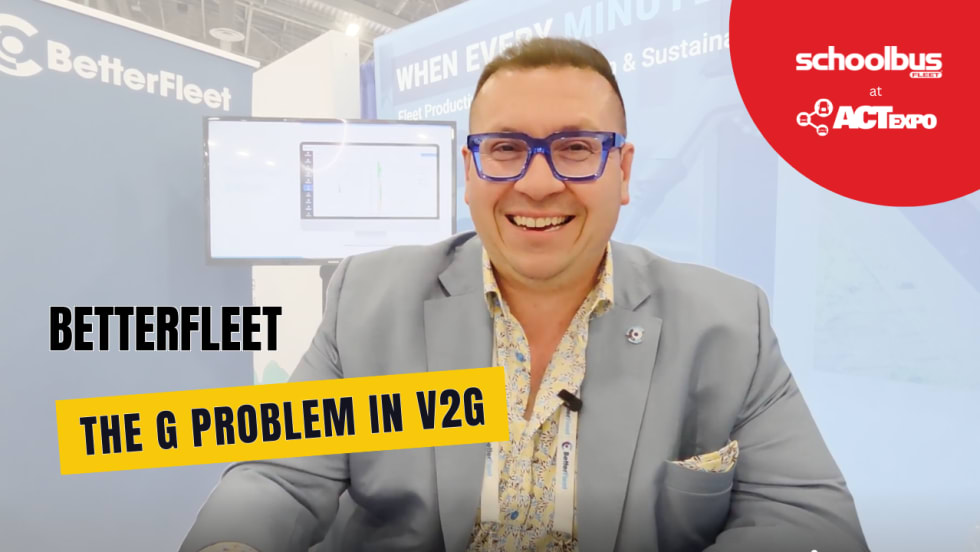
The Achilles Heel of School Bus Electrification: BetterFleet’s Take
BetterFleet’s managing partner discusses AI-powered EV fleet management, vehicle-to-grid challenges, and the real challenges in bus electrification today, from ACT Expo.
Read More →
You're On Your Own to Pick a Drivetrain [Op-Ed]
After years of federal pressure toward electric school buses, districts are suddenly being told to choose their own path. Let’s explore the risks, realities, and politics behind school bus drivetrain decisions.
Read More →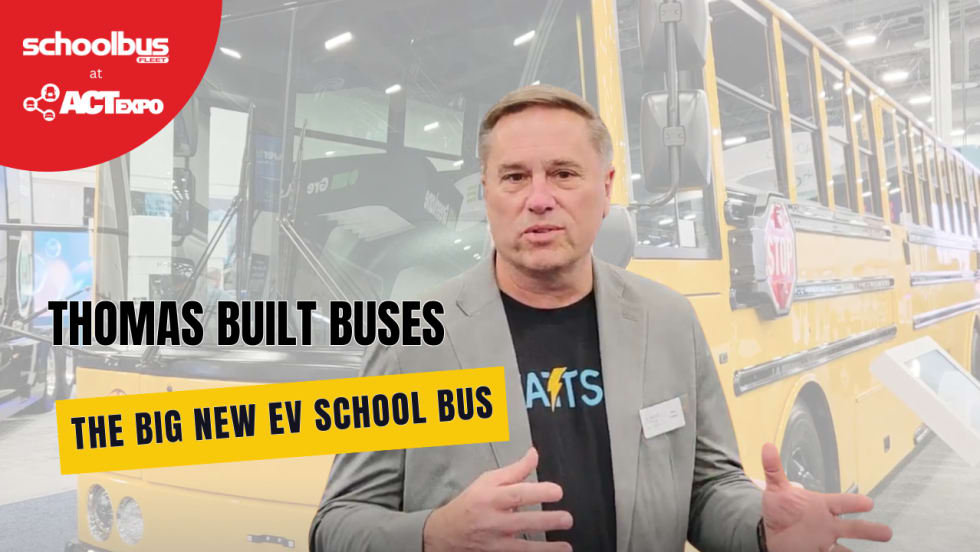
Wattson: Thomas Built’s Largest EV School Bus Yet
Check in with Mark Childers on the new Wattson Type D electric school bus, featuring faster charging, expanded passenger capacity, and advanced safety technology.
Read More →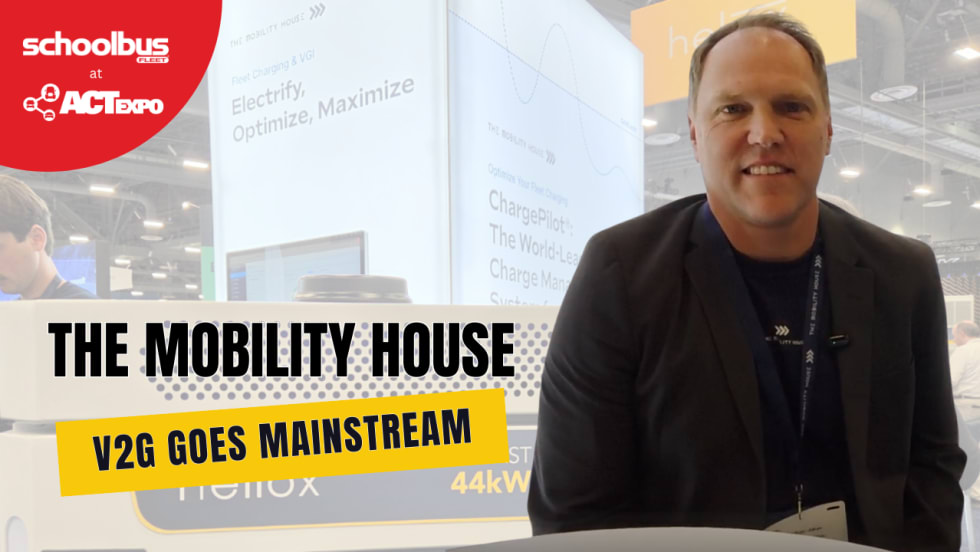
The New Era of Electric School Buses: V2G, Bidirectional Chargers & More
The Mobility House discusses AI-powered charging, vehicle-to-grid technology, smart energy management, and the next phase of school bus electrification.
Read More →