




New York Clears Contracted School Bus Drivers to Use EpiPens
School bus drivers who work for contractors in the state can now administer epinephrine auto-injectors for students who have allergy attacks.

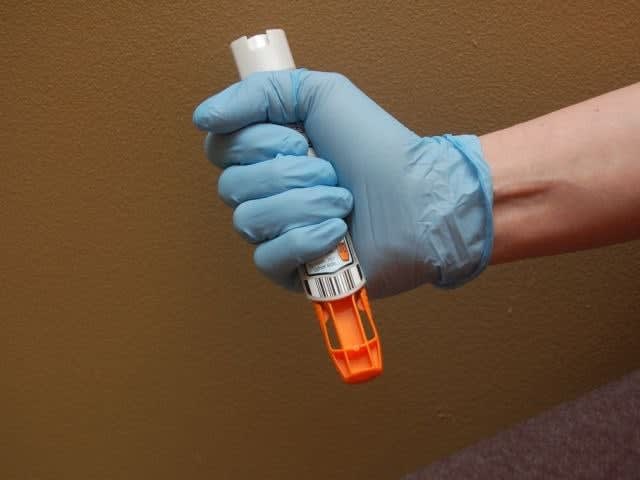
School bus drivers who work for contractors in New York can now administer epinephrine auto-injectors, such as EpiPens, for students who have allergy attacks. Photo by Greg Friese
School bus drivers who work for contractors in New York can now administer epinephrine auto-injectors, such as EpiPens, for students who have allergy attacks. Photo by Greg Friese
ALBANY, N.Y. — Contracted school bus drivers in New York are now authorized to use EpiPens for students who have allergy attacks on the bus.
The measure, Senate Bill S6005A, was approved in June and took effect on Tuesday. It allows school bus drivers who work for contractors to administer EpiPens and other epinephrine auto-injectors in emergencies.
Epinephrine is used to treat serious allergic reactions, such as anaphylaxis. On the school bus, students who have severe allergies, such as to food or bee stings, may carry an EpiPen. They could be exposed to allergens from another passenger eating a snack, for example, and could have a reaction on the bus.
New York Sen. Terrence Murphy, a sponsor of the EpiPen legislation, said in a press release that the new measure will enhance the safety of children.
“If they find themselves in a life-threatening situation, a bus driver now has the authority to administer epinephrine,” Murphy said. “Having an EpiPen available and someone who is trained to use it can literally save lives.”
State law already authorized school district employees to administer EpiPens, but it didn’t include those who work for agencies contracted out by school districts, such as transportation providers. Now, the amended law covers school bus drivers and other employees of contractors.
The change spurred some concerns about training, liability, and associated costs among members of the New York School Bus Contractors Association (NYSBCA). President Bree Allen told School Bus Fleet that NYSBCA has asked the New York State Department of Health and the State Education Department to assist with implementing the new regulation.
“We are hopeful that our drivers will continue to be able to focus on their primary task — driving — and this law will be administered in such a way that it enhances safety for all the children who ride a yellow school bus in New York state,” Allen said.
According to Food Allergy Research & Education (FARE), researchers estimate that up to 15 million Americans have food allergies, including 5.9 million children under age 18. That equates to one in 13 children, or around two per classroom.
FARE also reports that about 30% of children with food allergies are allergic to more than one food, and about 40% of children with food allergies have suffered a severe allergic reaction, such as anaphylaxis.
The issue appears to be on the rise. According to the Centers for Disease Control and Prevention, the prevalence of food allergies in children increased by 50% between 1997 and 2011.
More Special Needs Transportation
2027 Special-Needs Transportation Survey Now Open: Share Your Insights
School Bus Fleet's annual special-needs transportation survey returns. Share your insights on ridership, staffing, fleet operations, and challenges by Dec. 4, 2026.
Read More →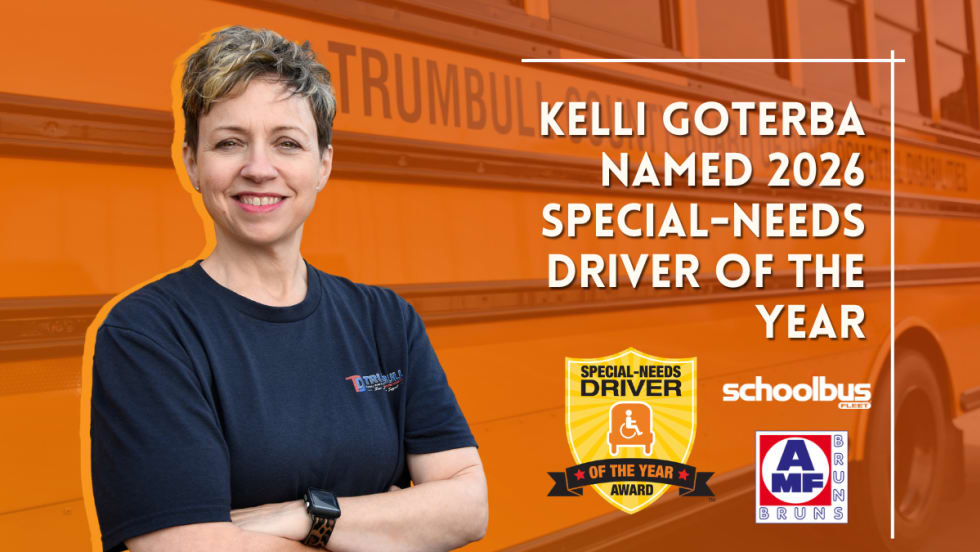
Kelli Goterba Named 2026 Special-Needs School Bus Driver of the Year
Through building trust with students and strengthening her transportation team, Goterba exemplifies the impact special-needs drivers can make.
Read More →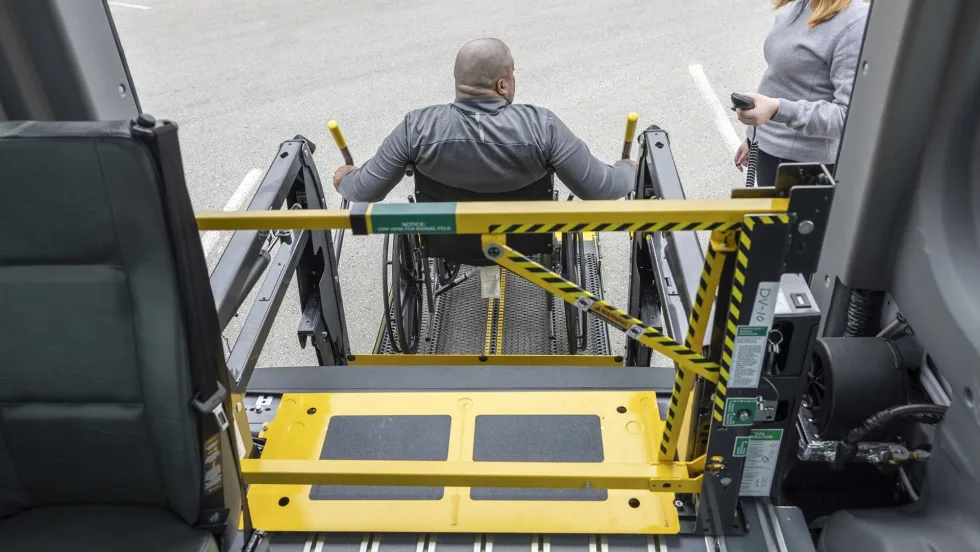
BraunAbility Introduces New Safety Barrier for Wheelchair Lifts
LiftSentinel is designed to add another layer of protection during wheelchair loading and unloading and can be retrofitted to many existing commercial lift installations.
Read More →
HopSkipDrive Launches New Safety, Driver Consistency Features for 2026-27 School Year
The company’s free ride recording, live ride tracking, and consistent driver assignments aim to improve safety and continuity for diverse student transportation needs.
Read More →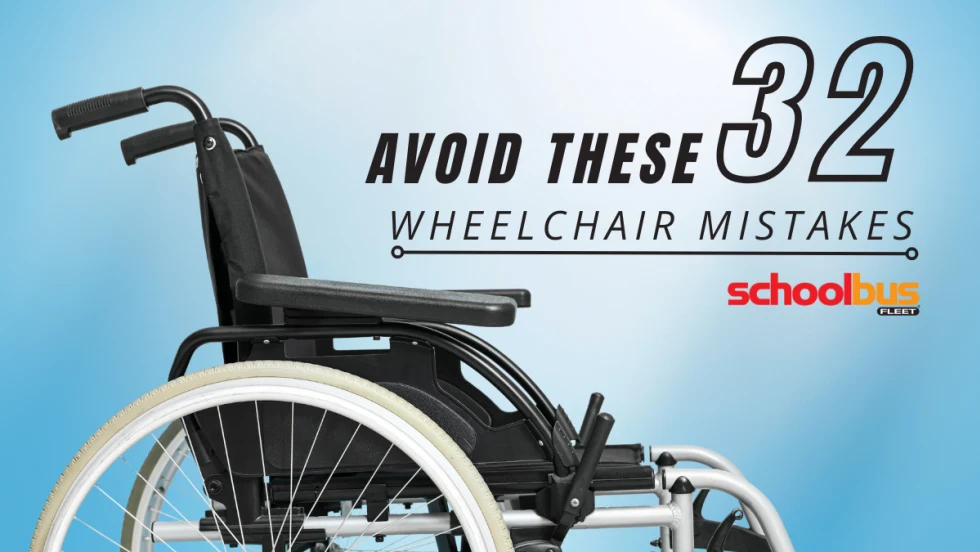
The Most Common Wheelchair Securement Mistakes on School Buses (and How to Fix Them)
Small missteps in wheelchair securement can have serious consequences. Here are 32 tips from experts to reduce risk and increase student safety on the bus.
Read More →
Inside AMF Bruns’ New Showroom: School Bus Securement Solutions Explained
Go inside AMF Bruns America’s new Ohio showroom with Maritza Valentin to see its FutureSafe technology, driver training tools, securement systems, and seating innovations.
Read More →
What AMF Bruns’ New Facility Means for Customers [Video]
Inside AMF Bruns’ new Stow, Ohio, operations: See how expanded space and innovation will enhance customer support and operations.
Read More →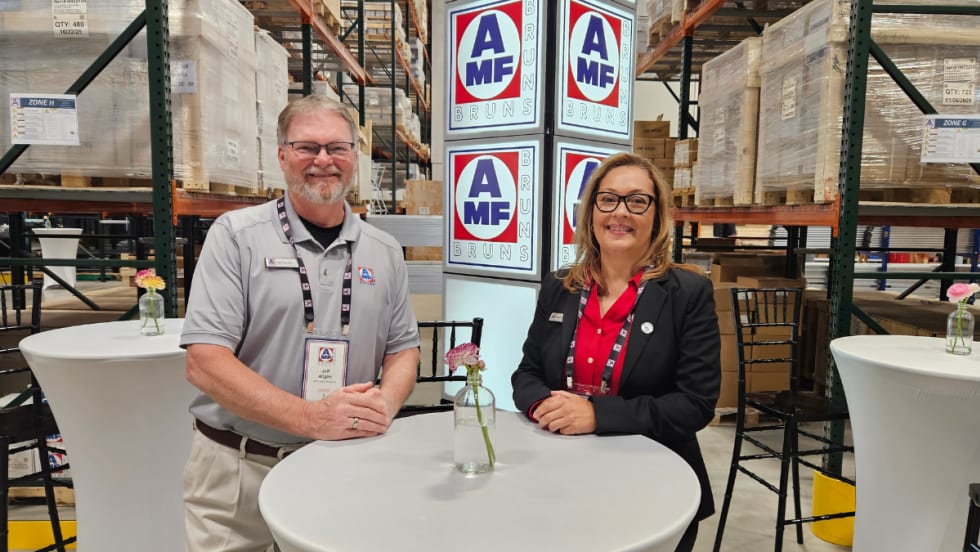
AMF Bruns Expands in Ohio, Investing in Growth and Community
With expanded production space, local investment, and a growing workforce, AMF Bruns is scaling its U.S. presence. Here’s an exclusive first look inside the new Stow, Ohio, HQ.
Read More →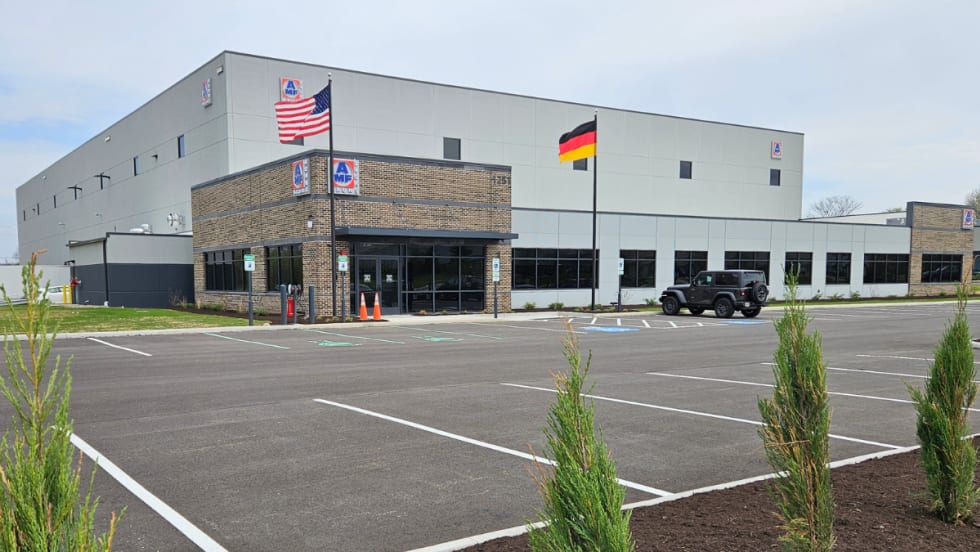
Inside AMF Bruns of America’s New Ohio Manufacturing Facility [Photos]
Take a behind-the-scenes look at AMF Bruns of America’s new 41,000-square-foot Stow, Ohio, headquarters, featuring advanced manufacturing, expanded space, and future-ready mobility solutions.
Read More →
First Student Boosts Student Support in Wichita & Texas
First Student and Wichita Public Schools are using behavioral support strategies to improve student ride experiences, while a separate initiative expands access to after-school programs through a bus donation.
Read More →