




Indiana Trooper Pushes for School Bus Stop Signs
Jim Zeser of the Indiana State Police lobbies for road signs that alert drivers to stop for school buses.

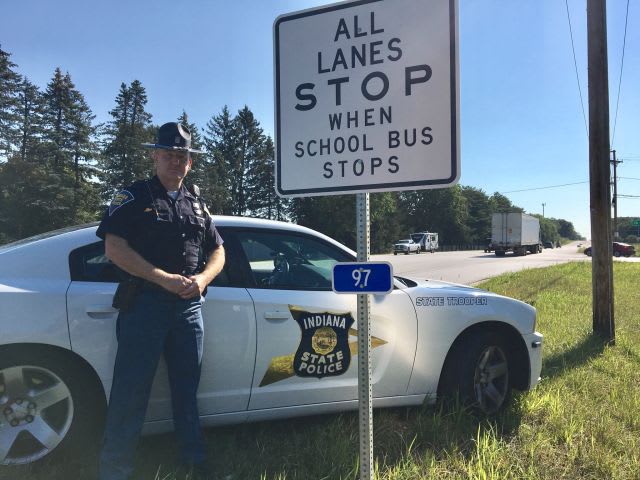
Indiana Trooper Jim Zeser has successfully lobbied for signs that alert drivers to stop for school buses. Photo courtesy Indiana State Police

Indiana Trooper Jim Zeser has successfully lobbied for signs that alert drivers to stop for school buses. Photo courtesy Indiana State Police
ELKHART COUNTY, Ind. — An Indiana state trooper is going the extra mile to make local roads safer for children who ride school buses.
Over the past few years, Trooper Jim Zeser of the Indiana State Police has successfully lobbied for signs that alert drivers to stop for school buses. The signs have been installed along a highway in Dunlap and an avenue in Elkhart.
This summer, Zeser continued his quest after he was contacted by Jeremy Schotts, an officer with the Middlebury Police Department, about drivers not stopping for school buses on another highway in Elkhart County.
Sgt. Ted Bohner of the Indiana State Police told SBF that the safety issue arose when a stretch of the highway was widened into a four-lane road with a center turn lane, which led to some confusion among motorists approaching stopped school buses. Oncoming traffic and some same-direction vehicles were driving past buses that were loading or unloading passengers.
Zeser went to the area and saw that there were no signs instructing all drivers to stop for school buses. The trooper contacted the Indiana Department of Transportation (INDOT) and asked that they look at the area and post signs.
Last week, Zeser followed up and found that there are now four signs posted — two for eastbound traffic and two for westbound traffic — that warn drivers that “all lanes stop when school bus stops.” Also, four additional fluorescent signs with school buses on them have been installed.
“Dirk Schmidt with INDOT did a great job getting this area marked,” Zeser said in a press release. “This will get us headed in the right direction and help with enforcing this violation.”
Bohner told SBF that the local district, Middlebury Community Schools, just started school on Wednesday. If the school bus passing issue persists, he said, troopers could add patrols in the area. But he expects the new signs to help.
“The signs are a nice visual way to educate the public” on stopping for school buses, Bohner said. “The biggest area when [drivers] aren’t sure is on a four-lane road. … Especially when there’s a center turn lane, people get confused.”
Indiana law requires drivers in all lanes, in both directions, to stop for a school bus with its stop arm extended. An exception is made for motorists on the opposite side of a highway divided by a physical barrier or undeveloped median.
As for the road signs that have been posted elsewhere in Elkhart County thanks to Zeser’s efforts, Bohner said they seem to be having a positive impact in deterring bus passing.
“I would say so, because we haven’t had the complaints [about stop-arm running] relayed back to us by the public or the school corporations in those areas,” Bohner said.
More Safety
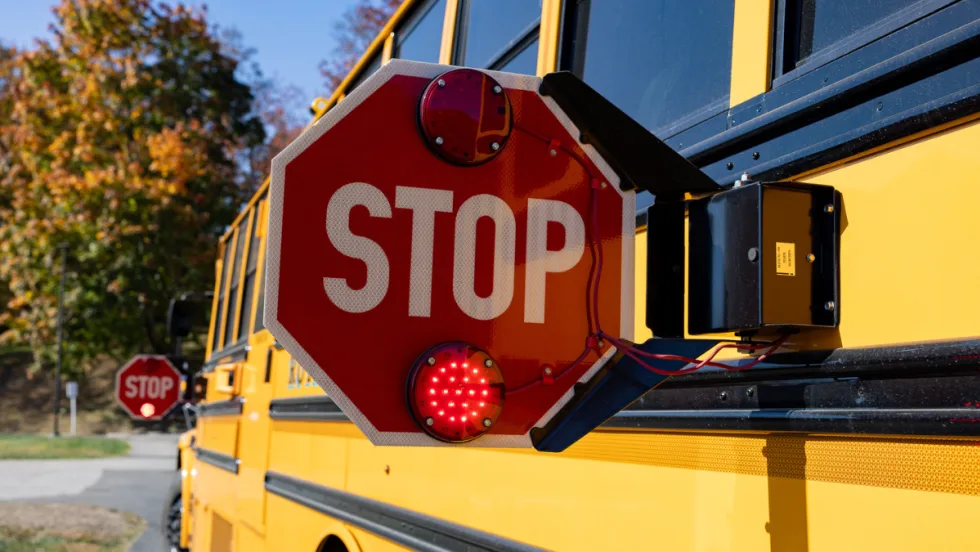
Illegal School Bus Passing Drops 24% in New York Districts
With fewer than 5% of citations involving repeat offenders, Westchester County officials said enforcement, education, and community partnerships are helping change driver behavior.
Read More →
School's Back. Here's What Happened to Traffic, Speeding & Distraction
What happens to traffic when school resumes? New data analysis examines changes in distracted driving, congestion, and speeding around schools.
Read More →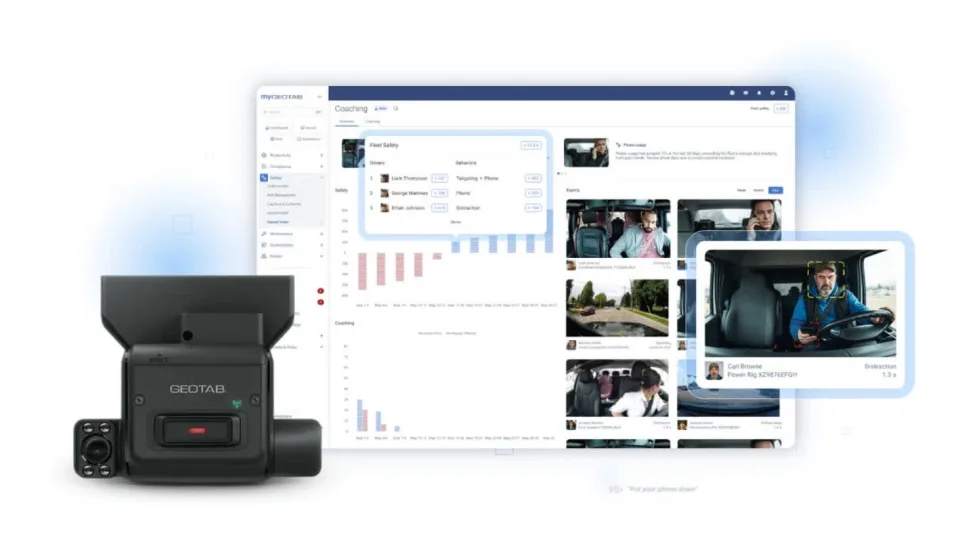
Geotab Expands Fleet Safety Tools With Video Coaching, Risk Insights
New safety and video capabilities aim to help fleet managers assess risk, support drivers, and take targeted action through video coaching, red-light violation detection, and more.
Read More →

How to Build a Better School Bus Driver Training Program
Is it time to strengthen your driver training? Here’s how to pick the right talent and improve recruitment, retention, and safety. This video is brought to you by IC Bus.
Read More →
Recent School Bus Accidents Leave 2 Dead, 2 Injured
Four school bus crashes in Florida, Illinois, and Georgia highlight risks in transportation lots, at bus stops, and during student loading and unloading.
Read More →
When Every Second Matters, Clarity Keeps Routes Moving
From routine delays to urgent incidents, strong communication practices help drivers, dispatchers, schools, and families respond with confidence.
Read More →
What Happens When a School Bus Catches Fire — and What Can Help
School bus fires are rare but can be devastating. Learn how advances in fire suppression and asset protection help fleets detect fires earlier, reduce damage, and improve safety.
Read More →
Geotab Launches Tool to Help Fleets Investigate Road Incidents
Geotab Investigations combines telematics data, video, documents, and other evidence to help fleets reconstruct incidents, resolve claims, and determine what happened.
Read More →
Texas Sixth Grader Wins 2026 National School Bus Safety Poster Contest
Sai Darshana Yekolu of Moseley Middle School in Prosper, Texas, was named the newest winner for her artwork, bringing the theme of “Safe Rides, Everyday Heroes” to life.
Read More →
Doing More With Less: How Transportation Directors Can Prioritize Safety Amid Budget Uncertainty
With diesel prices soaring and nearly one-third of transportation directors expecting budget cuts, maintaining student safety has never been more challenging. Download this guide to learn how leading districts are prioritizing risk, funding critical safety technology, and building stronger budget cases with data.
Read More →