




DERA Escapes Budget Cuts, Tabbed for 20% Increase
Congress’ new appropriations bill for fiscal year 2017 includes $60 million for EPA’s clean diesel grant program.

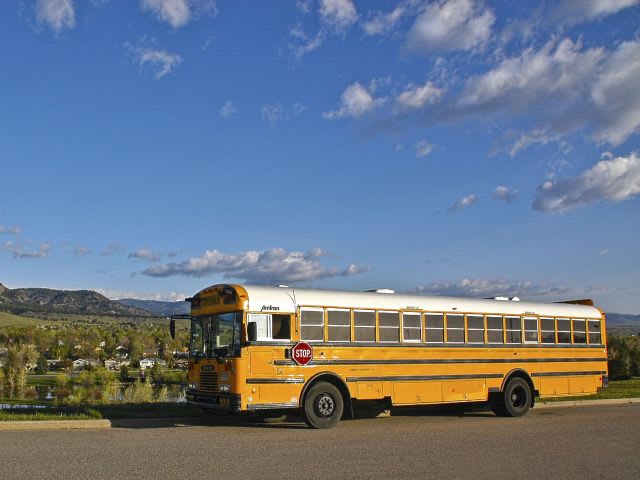
Since it began in 2008, DERA has delivered about 690 grants to retrofit or replace older diesel vehicles — many of them school buses.
Since it began in 2008, DERA has delivered about 690 grants to retrofit or replace older diesel vehicles — many of them school buses.
WASHINGTON, D.C. — After being targeted in federal budget cut proposals, the tables have turned for the Diesel Emissions Reduction Act (DERA): The program has been tabbed for an increase in funding.
Earlier this year, as the Trump administration eyed a so-called “skinny budget,” funding for DERA was one of the targets of proposed cuts. That led a coalition of groups to advocate for DERA in a letter to new Environmental Protection Agency (EPA) Administrator Scott Pruitt in March.
On April 19, EPA announced a new round of DERA funding expected to total at least $11 million for clean diesel projects.
However, the new grant opportunity tapped into previously passed funding. DERA’s funding level for the rest of the year remained unclear until Monday, when Congress released its fiscal year 2017 appropriations bill, which provides discretionary funding for the federal government.
Among the line items in the massive bill is a significant bump for DERA: $60 million for fiscal year 2017, which is a 20% increase from the 2016 level of $50 million. The appropriations bill is expected to be approved by the end of this week.
DERA’s escape from the budget axe is not its first: The program has on numerous occasions faced the threat of being “zeroed out.”
In an interview that will appear in the June issue of School Bus Fleet, Allen Schaeffer, executive director of the Diesel Technology Forum, points out that the Obama administration also aimed to “zero out” DERA in budget proposals several times, but Congress stepped in to continue funding the program.
“On Capitol Hill, the program is seen as highly effective in making the most of limited federal spending to achieve many environmental benefits,” Schaeffer said. “The school bus retrofit program within DERA is specifically highlighted as a highly effective program.”
Since it began in 2008, DERA has delivered about 690 grants to retrofit or replace older diesel vehicles — many of them school buses. In fact, EPA’s DERA report to Congress last year listed school buses as the program’s most frequently funded vehicle sector from fiscal years 2009 through 2013.
The report, released in March 2016, also showed that nearly 13,000 diesel oxidation catalyst systems and about 1,400 diesel particulate filters had been installed on school buses with DERA funding. (Those numbers are likely higher now.)
In all, 73,000 vehicles or engines had been retrofitted or replaced through the program as of the 2016 report.
As the next step in securing DERA’s future, an effort is underway to pass a reauthorization bill that would extend the program through fiscal year 2021 or 2022. As of press time, the legislation was being readied for introduction in both chambers of Congress.
More Alternative Fuels
Alt-Fuel Moves: Electric Bus Rollouts, Bidirectional Charging & Propane Growth
See which fleets are adding electric and propane school buses as districts and operators invest in charging infrastructure, bidirectional technology, and alternative-fuel expansion.
Read More →
Nobody Told Diesel Prices They Were Supposed to Come Down
With diesel prices surging, school bus fleets have new reason to stress-test fuel costs, consider diversification, and calculate what each route really costs to operate.
Read More →
Why Gasoline School Buses Are Making a Comeback
Gasoline is gaining ground in full-size school buses. See how today’s options stack up against diesel on cost, maintenance, emissions, performance, and more.
Read More →
EPA Opens $180M DERA Funding Round for Diesel Upgrades
The 2026 Diesel Emissions Reduction Act program seeks applications from eligible organizations to accelerate the retirement of legacy diesel vehicles.
Read More →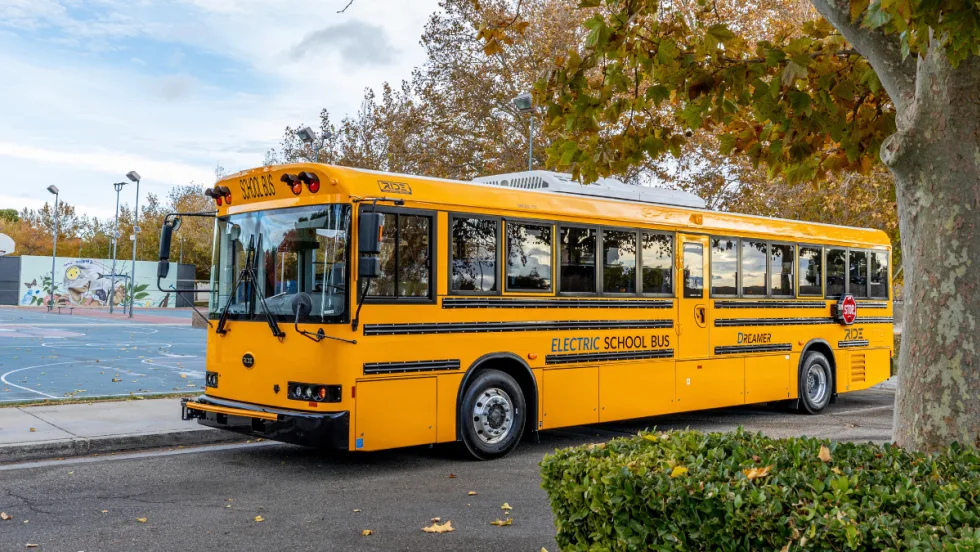
The Secret Life of an Electric School Bus Battery
Batteries change throughout years of daily routes, but degradation doesn’t necessarily mean the end. Here’s what operators should know about performance, safety, and second life.
Read More →
CALSTART and Forth Combine to Form Catalyst Mobility
The new name represents a renewed vision for the nonprofit focused on advancing clean, equitable, and affordable transportation solutions that move people and goods.
Read More →
Alt-Fuel Moves: New Buses, Charging Hubs & Real-World EV Testing
Propane and electric school bus deployments continue to grow as districts add new vehicles, expand charging infrastructure, and gather more real-world operating data.
Read More →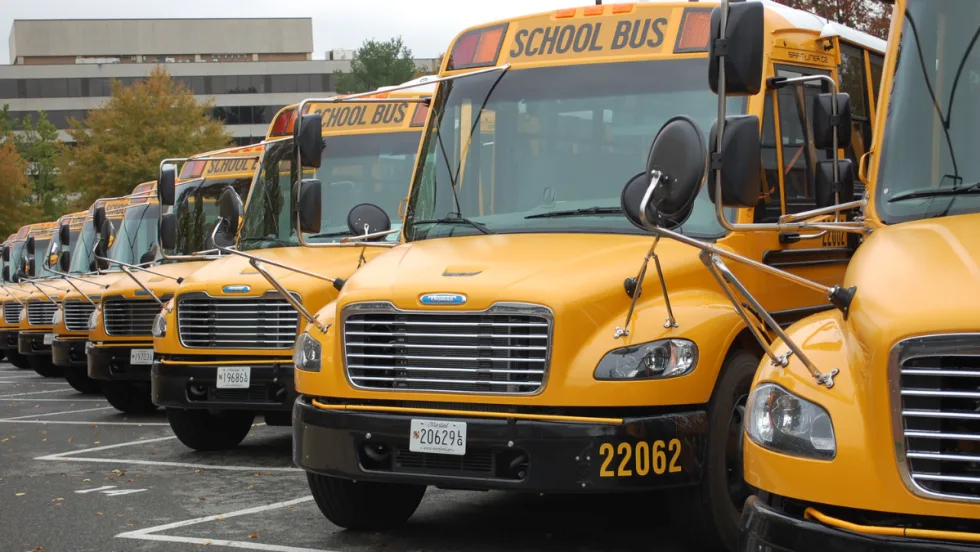
Fewer Electric School Bus Models Reshape the U.S. Market
WRI’s latest buyer’s guide points to a consolidating electric school bus market, but fewer options may reflect a maturing industry rather than fewer meaningful choices for school bus operators.
Read More →
The Fuel Budget You Can Actually Predict: How Propane Autogas Keeps Money in the Classroom
Learn how propane autogas helps school districts manage fuel costs with predictable pricing, lower maintenance, and reduced emissions from former transportation director Joel Stutheit.
Read More →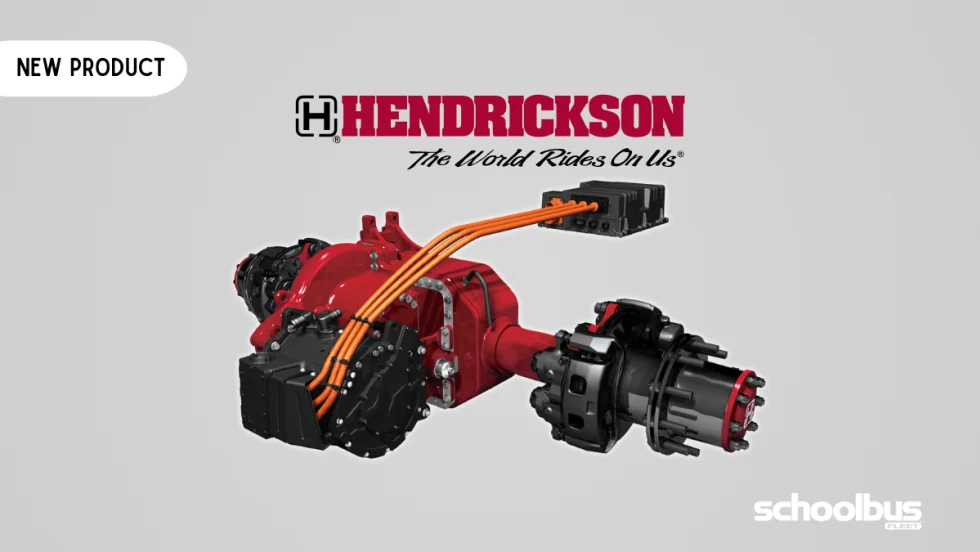
Hendrickson, Driventic Introduce New Electric Powertrain for School Buses
ELECTRAAX, the electrified, lightweight drive axle offers integrated ePowertrain efficiency and modular flexibility for Class 6–7 school bus use.
Read More →