




NTSB: School Bus Driver in Baltimore Crash Had History of Seizures
A preliminary report finds that Glenn Chappell had hypertension, diabetes, and seizures, and in the past five years had been involved in at least 12 crashes or incidents while driving a school bus or personal vehicle.

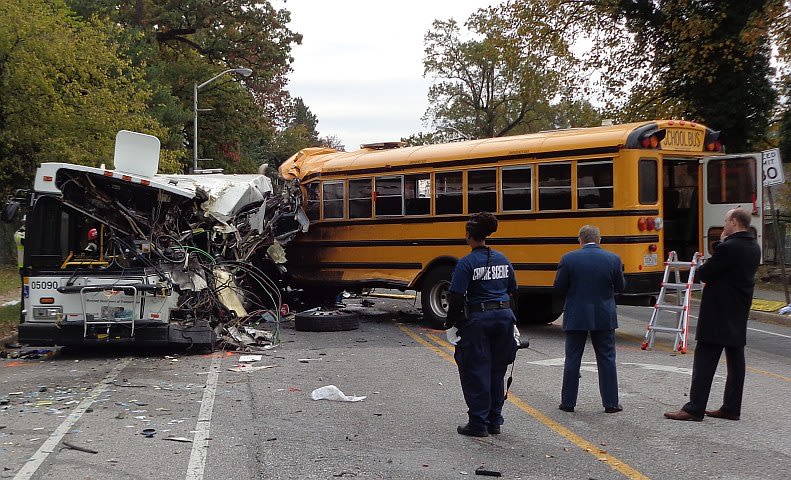
A preliminary NTSB report on the Nov. 1 school bus and transit bus crash in Baltimore found that school bus driver Glenn Chappell had a history of hypertension, diabetes, and seizures. Photo courtesy Maryland Transportation Authority Police
A preliminary NTSB report on the Nov. 1 school bus and transit bus crash in Baltimore found that school bus driver Glenn Chappell had a history of hypertension, diabetes, and seizures. Photo courtesy Maryland Transportation Authority Police
BALTIMORE — The National Transportation Safety Board’s (NTSB’s) preliminary report, released on Wednesday, has found that the school bus driver in the November crash of a school bus and a transit bus here had a history of seizures, diabetes, and hypertension.
The school bus driver, Glenn Chappell, was driving for AA Affordable Transportation on a contracted route for Baltimore City Public Schools. Chappell was driving east on Frederick Ave. when he struck a Ford Mustang, according to a news release from the NTSB. Chappell continued traveling east, and entered the westbound travel lane, where the school bus collided with a Maryland Transit Administration (MTA) bus. The impact continued along the left side of the transit bus and terminated near its rear axle.
The school bus was occupied only by Chappell and an aide. The MTA bus was occupied by the driver and 13 passengers. The drivers of both buses and four transit bus passengers were killed, and seven other passengers were seriously injured. The aide and two MTA bus passengers sustained minor injuries, as did the driver of the Mustang.
The preliminary report states that video from area surveillance cameras and the MTA bus’ onboard video system indicate that Chappell was traveling approximately 57 mph just before he struck the Mustang. The onboard video system captured the crash sequence. The airbag control module on the Mustang recorded that it was traveling approximately 16 mph when it was struck from behind.
After colliding with the Mustang, the school bus continued more than 800 feet and was traveling about 45 mph before impacting the MTA bus, which was traveling about 39 mph. The posted speed limit in the area was 30 mph.
Preliminary information suggests neither bus driver was using a cell phone at the time of the crash, according to the NTSB news release. Both bus drivers reported for work earlier that day and were not operating beyond hours-of-service regulations. Mechanical inspections were completed on both buses and no mechanical defects were found.
Investigators found that Chappell had a history of hypertension, diabetes, and seizures, and in the past five years, had been involved in at least 12 crashes or incidents while operating a school bus or personal vehicle. Reports from a number of these cases described seizure-like episodes. Paramedics were called to AA Affordable Transportation one week before the crash because Chappell experienced a medical emergency that witnesses described as a seizure, The Baltimore Sun reports.
As previously reported, Chappell held a current medical certificate at the time of the crash, but it was not on file with the Maryland Motor Vehicle Administration (MMVA). As a result, the MMVA notified Chappell about two months before the crash that he was no longer authorized to drive a school bus, and could lose his license unless he provided documentation that a doctor had cleared him to drive. However, the MMVA hadn’t informed the school system that Chappell had lost his driving privileges, and he continued to transport students. The state did not revoke Chappell’s CDL until the day after the crash, which is when school officials found out about the revocation.
All aspects of the crash remain under investigation by the NTSB and the Baltimore Police as the NTSB works to determine the probable cause of the crash. Analysis of the accident facts, along with conclusions and a determination of probable cause, will come at a later date when the final report on the investigation is completed.
View the NTSB's preliminary report here.
More Safety
Five Students Died from School Bus Loading/Unloading in 2025-26
Fatalities are down by just one this year across the U.S. as four states reported five children struck and killed while getting on or off their school bus.
How a Texas District Built an Award-Winning Safety Culture
Rockwall ISD's Jennifer Gardella joins The Route to share lessons learned on accident prevention, driver training, coaching, technology, and team culture.

How Rockwall ISD Built an Award-Winning Safety Culture
How did one Texas transportation team strengthen bus and traffic safety? Jennifer Gardella shares lessons on driver training, coaching, technology, and team culture. The Route is brought to you by IC Bus.
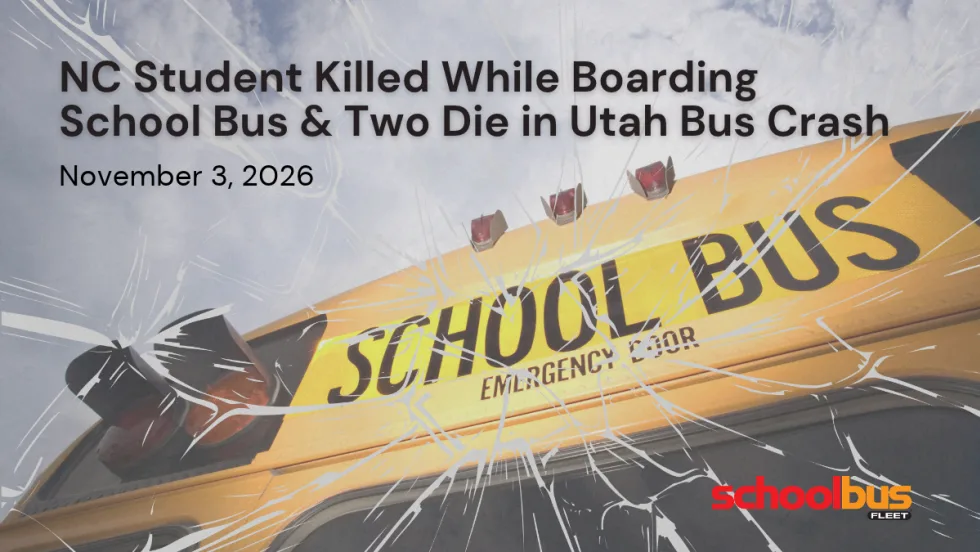
North Carolina Student Killed While Boarding School Bus, Two Die in Utah Bus Crash
A Southern Nash High School student died after being struck by a pickup truck while approaching her school bus. In a separate incident, two people were killed after crashing into a school bus in Utah.
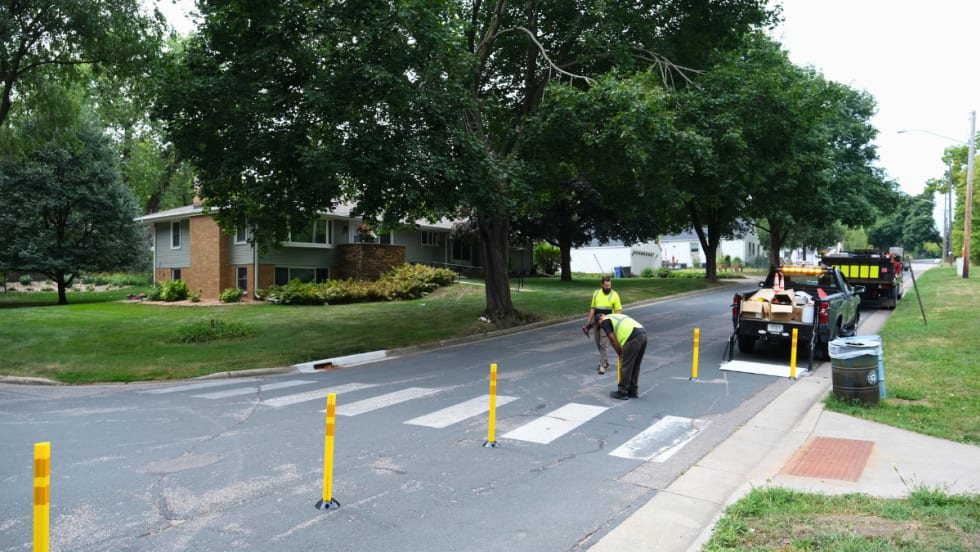
Minneapolis School Zone Pilot Cuts Speeding 41% with Low-Cost Street Design Changes
In a pilot project in Minnesota, two school-area intersections had low-cost, temporary road and traffic flow improvements made to measure the impact on roadway and student safety. Here's what they found.

Sitestream, Safety Vision Partner with Connecticut City to Launch School Bus Stop-Arm Camera Program
The new enforcement initiative combines camera technology and violation management software to document illegal school bus passing, encourage driver compliance, and enhance student safety.
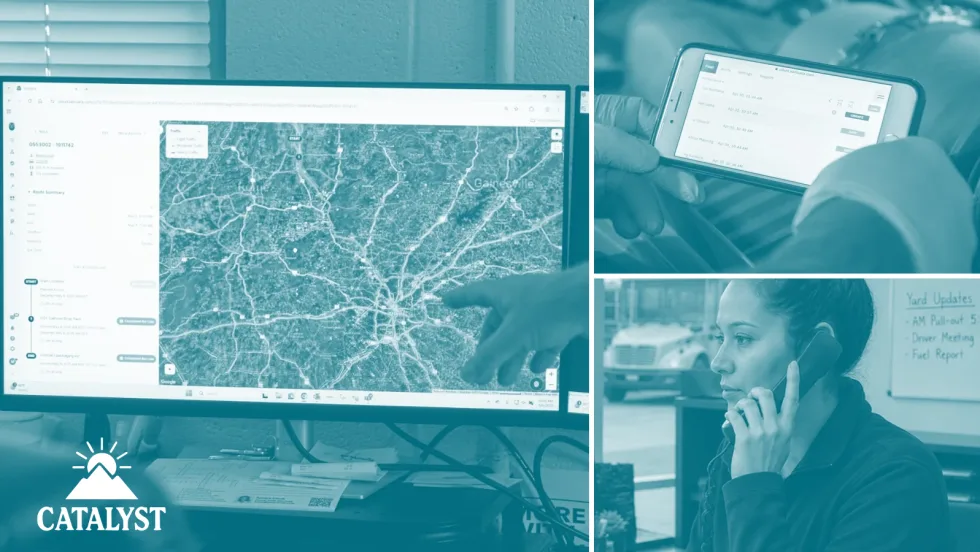
From Reactive to Proactive: Making Every Ride Visible
Smart technology only delivers its full value when it works together. See how Catalyst connects proven industry platforms to move student transportation from reactive to proactive.
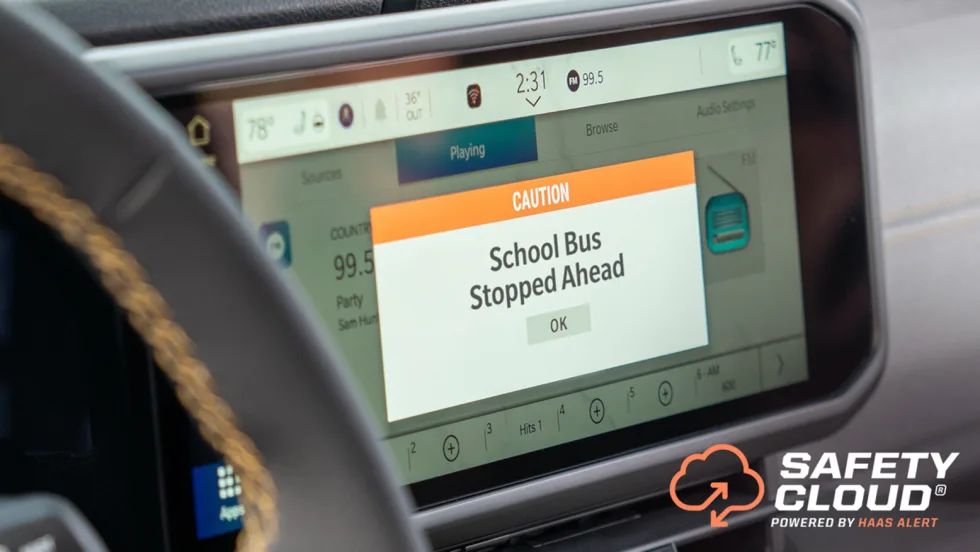
HAAS Alert’s Safety Cloud Warns Motorists of Stopped School Buses
Through a transponder or Samsara connection, the product lets school bus fleets send advance warnings to approaching drivers through in-vehicle alerts.

HopSkipDrive Reports Progress on Safety Advisory Council
More than a year after forming the council, independent safety experts have helped shape new rider-safety features and policy progress, with a new goal to address rider behavior.
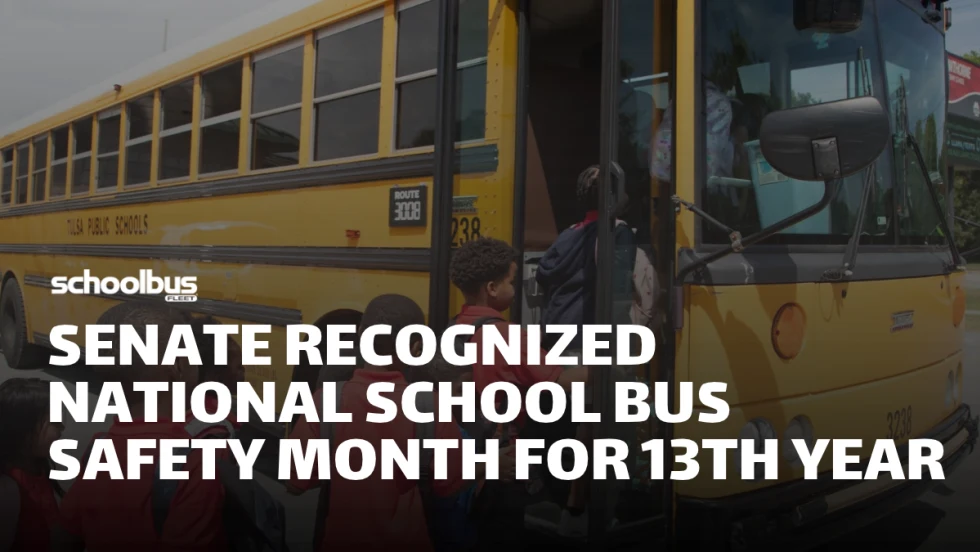
What the 2026 National School Bus Safety Month Resolution Means for Student Transportation
The bipartisan resolution highlights illegal school bus passing, student safety during loading and unloading, and the need for driver training and public education.