

Keeping Pace With Technology a Key Theme for School Bus Contractors
At NSTA’s annual meeting, contractors discuss the potential benefits of new safety technologies — and the potential threat of Uber and other ride-sharing apps.

Thomas McMahon・Executive Editor
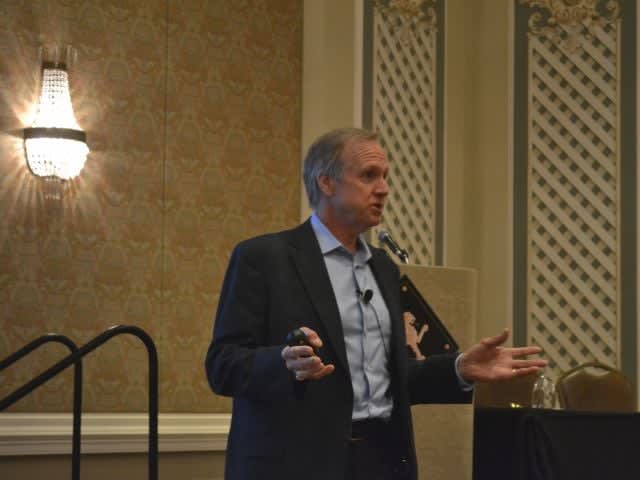
Barry Stock of Landmark Student Transportation led a discussion on Uber and other ride-sharing services at the NSTA annual meeting.
3 min to read
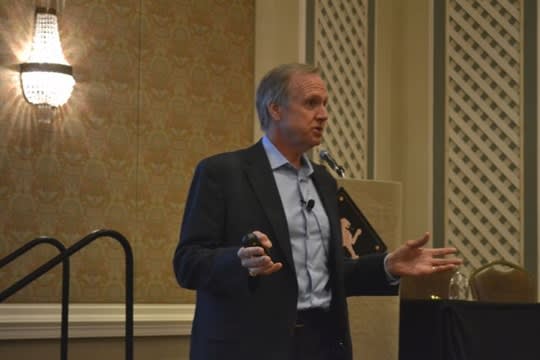
Barry Stock of Landmark Student Transportation led a discussion on Uber and other ride-sharing services at the NSTA annual meeting.
GREENSBORO, N.C. — There’s a host of new and emerging transportation-related technologies, but which ones have the most potential to enhance pupil transportation? And which ones could even pose a threat? (Think Uber.)
Those were overarching issues in discussions among school bus contractors at the National School Transportation Association’s (NSTA’s) annual meeting, which was held this week in Greensboro.
Several speakers touched on technologies like video systems that give a full view around the bus, sensors that detect students in the danger zone, and telematics programs that give managers instant updates about their buses. For contractors, determining which tech investments will provide the most value for their companies and, ultimately, their customers will be critical in the coming years.
That message was conveyed in a session on safety technologies around the school bus. Presenter John Elliott Jr. of National Express LLC recommended being mindful of how these systems can be used in boosting driver training and behavior and in providing real-time information about the fleet.
In another session, the major school bus OEMs briefed NSTA attendees on the latest technologies and alternative-fuel systems available for their buses. Those include new telematics platforms, electronic stability control, and collision avoidance systems, along with an expanding lineup of propane, compressed natural gas, and gasoline options.
The session that likely generated the most discussion was on another timely topic: ride-sharing apps. Barry Stock of Landmark Student Transportation gave an overview of these services, from the ubiquitous Uber and Lyft to the more niche ventures that have been launched to transport children, such as HopSkipDrive, Kango, and Zum.
Stock pointed out that these ride-sharing services for children seem to be moving into the domain of the school bus. For example, they conduct background checks on their drivers, require clean driving records, and present an image of safety and security to parents.
So, Stock asked, “Why should we care?” For one, there is strong demand for ride-sharing services, he noted. This year, a projected 15 million adults in the U.S. will use ride-sharing services, which is a 20% increase from last year. The ride-sharing apps also make use of the smartphones that most people have come to rely on, and they tout their convenience in helping families with busy schedules.
To further drive home the point, Stock broached an underlying concern: the possibility of a school district opening up its transportation service RFP to include Uber, Lyft, and the like.
To that end, Stock recommended that the school bus industry increase its efforts to educate parents, legislators, and the public in general about the safety advantages of school buses compared to ride-sharing services.
During a group discussion after Stock’s presentation, NSTA President Todd Monteferrario of First Student raised another related issue: The popularity of Uber and Lyft may be inhibiting the pupil transportation industry’s recruitment efforts by attracting people who might have otherwise considered becoming school bus drivers. These services, after all, allow their drivers to essentially “be their own boss” and drive when it’s convenient for their schedules.
To help members stay abreast of developments with the ride-sharing providers, NSTA launched a page on its website that aggregates news stories and studies on the topic.
Also at the annual meeting, NSTA attendees heard presentations on school bus seat belts, trends in contracting, and legislative and regulatory issues. The latter included updates on the Federal Motor Carrier Safety Administration’s entry-level driver training negotiated rulemaking, IRS guidance on calculating part-time status for employees, and the National Highway Traffic Safety Administration’s recent seat belt-related activities.
Next year’s NSTA annual meeting will be held in Indianapolis from July 15 to 19.
More Management
5 Student Transportation Technology Companies Make Deloitte Fast 500 List
BusRight, Polara, Samsara, BusPatrol, and Netradyne were recognized for their strong three-year revenue growth.
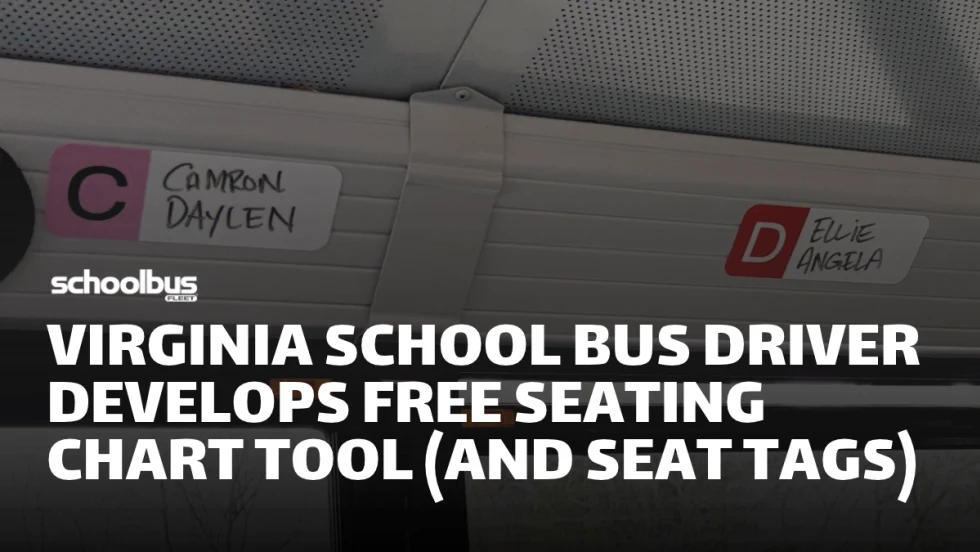
Virginia School Bus Driver Develops Free Seating Chart Tool to Help Manage Students
Montgomery County school bus driver Ben Crenshaw combined his design background with firsthand experience managing young passengers to create a seating system that uses color-coded tags and a free online chart.
Dreams, Discipline, and Dairy Products
One school bus driver's humorous take on student behavior shows why patience, structure, and a little grace matter more than expecting kids to be perfect.
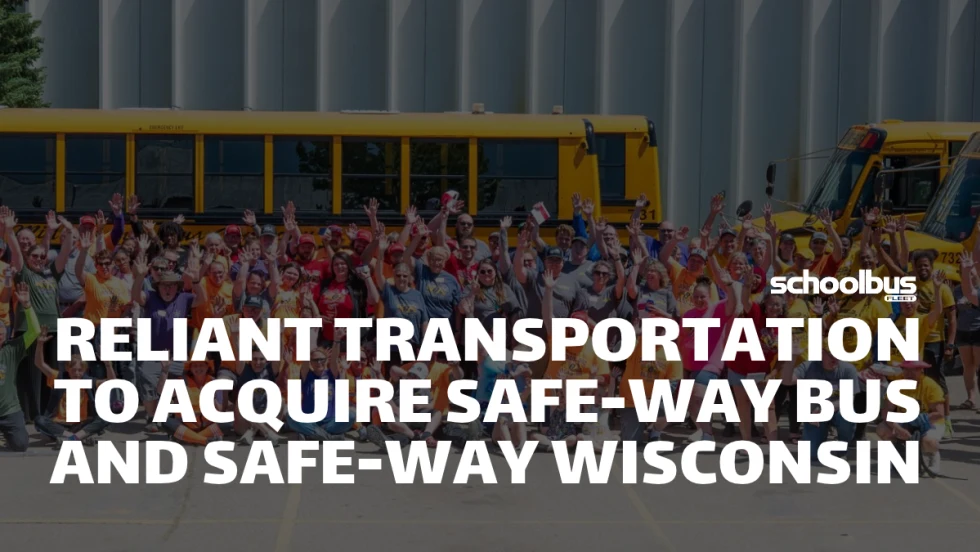
Reliant Transportation to Acquire Safe-Way Bus, Expand Midwest Operations
The Minnesota and Wisconsin-based school and charter service operator adds 160 buses to Reliant's fleet as the company continues its expansion.
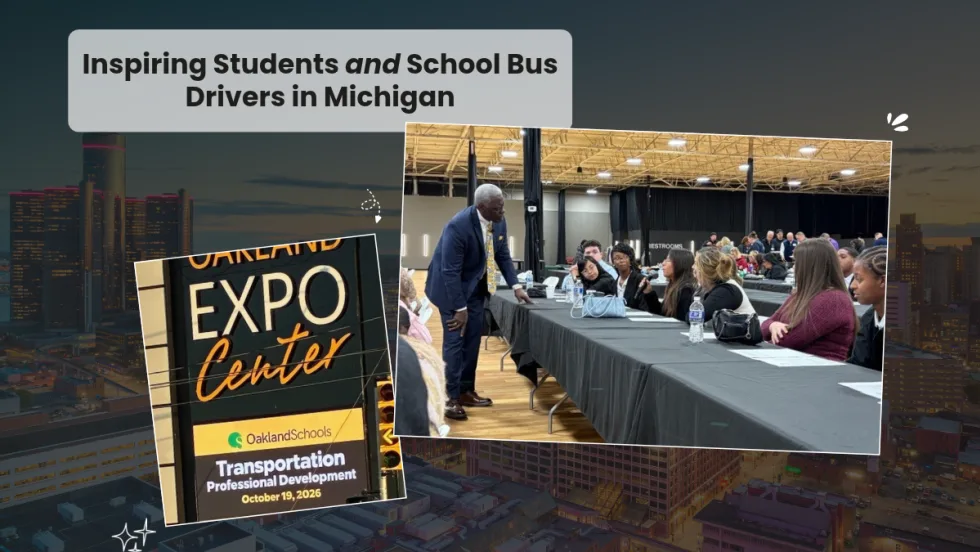
Michigan ISD Brings Students, School Bus Staff Together for Leadership Training
Oakland Schools is expanding its transportation staff training to include students, designed to build mutual respect and stronger relationships between both.

Four Lessons Learned from My Own ‘Mount Rushmore’ of Leaders
What makes a great leader? Shannon Barnett shares what he's learned from influential mentors and why leaders should seek wisdom and pass it on.
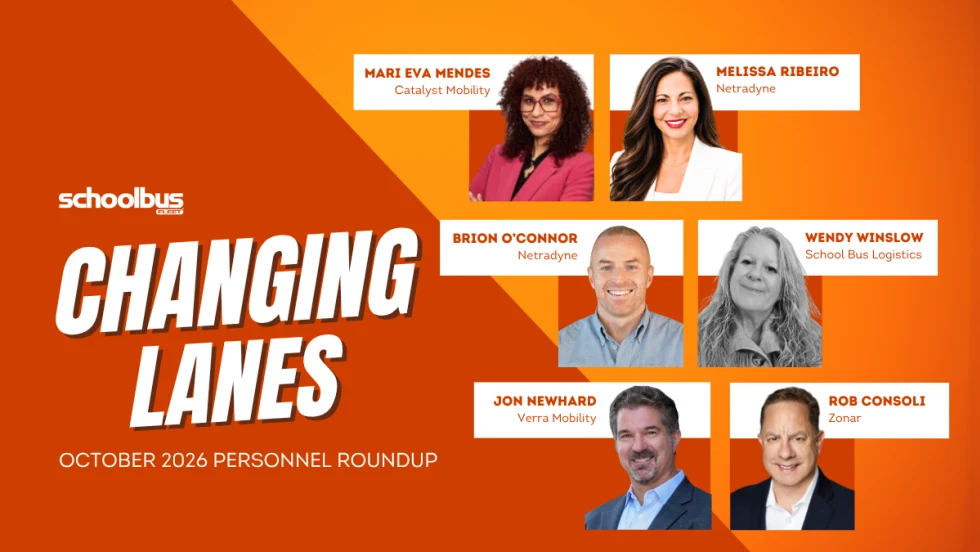
Changing Lanes: Catalyst Mobility, Netradyne, School Bus Logistics, Verra Mobility, Zonar
Get the rundown on who's been hired, promoted, and appointed to leadership positions at school transportation nonprofits, advisory companies, and tech providers.
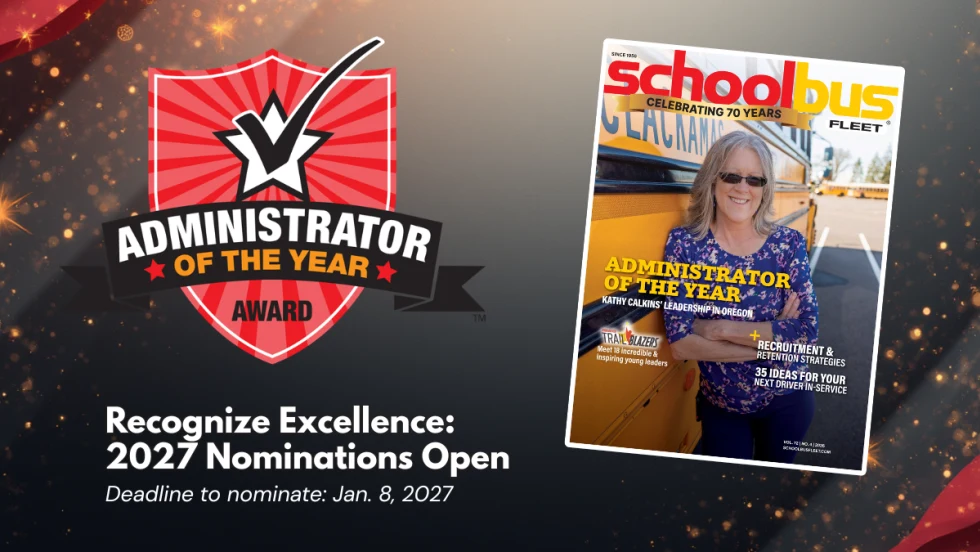
2027 School Bus Fleet Administrator of the Year: Nominations Now Open
Know a state or district-level transportation director who inspires others, leads by example, and goes above and beyond? Tell us about them for their chance to be recognized in this School Bus Fleet award!

5 Questions: How CharterUP Brought a Marketplace to Student Transportation
What does it take to bring a transportation marketplace into K-12? Hear firsthand what CharterUP has learned about the unique needs of schools and bus operators.
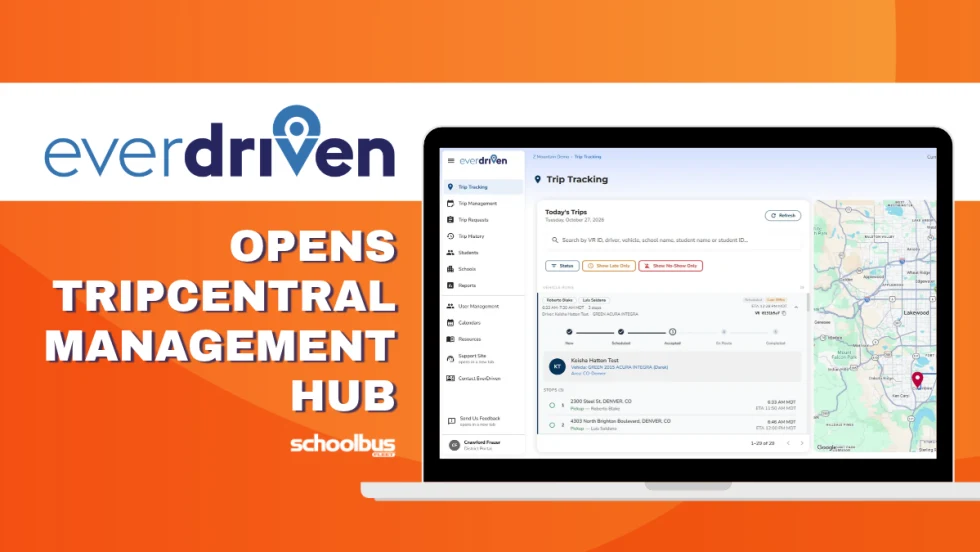
EverDriven Expands TripCentral Transportation Management Platform to All Partner Districts
The platform provides school districts with real-time trip tracking, student transportation scheduling tools, and pickup and drop-off management capabilities.