



Security requirements, terminology key issues at 2015 NCST
The National Congress on School Transportation converged on Des Moines, Iowa, and held spirited discussions on critical industry topics ranging from security practices to proper job titles to equipment placement.

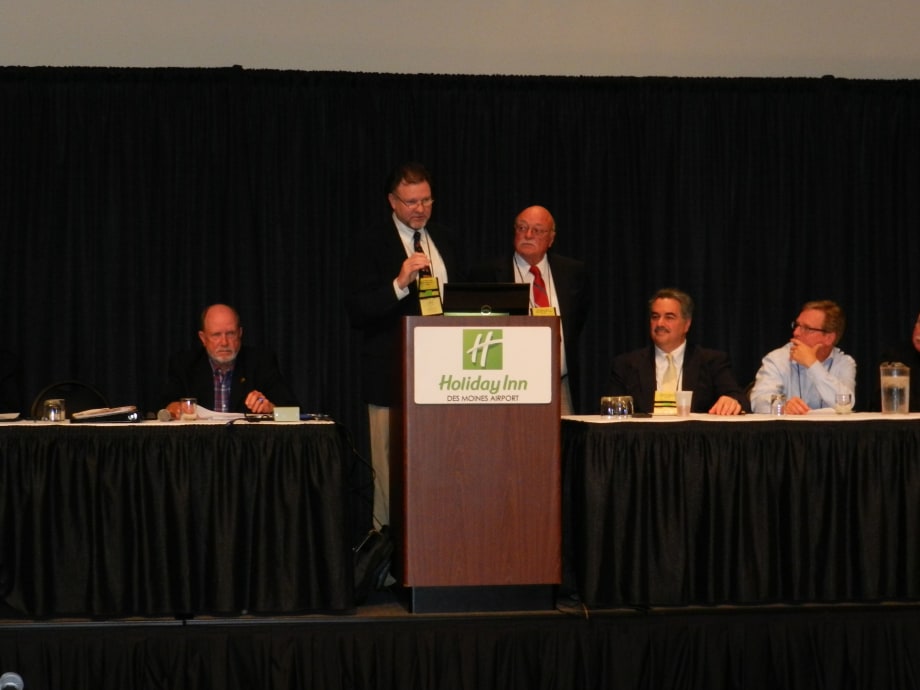
NCST participants discussed critical industry issues as they updated the National School Transportation Specifications and Procedures document.
This week, members of the 16th National Congress on School Transportation (NCST) converged on Des Moines, Iowa, and held spirited discussions on critical industry topics ranging from security practices to proper job titles to equipment placement.
NCST, which is held every five years, evolved from the first national standards conference for school transportation at Columbia University’s Teachers College in New York, organized by Dr. Frank Cyr in 1939.
Approximately 300 state delegates, alternate state delegates and other attendees gathered from May 17 to 20 at a new conference center attached to the Holiday Inn, located directly across the street from the Des Moines International Airport. This is the first time the congress has been hosted by Des Moines; NCST had previously been held at the University of Central Missouri in Warrensburg from 1980 to 2010.
Forty-six states were represented by delegates who reviewed, discussed and adopted updates to the National School Transportation Specifications and Procedures document. The specifications and procedures in the document include formal recommendations designed to provide guidance on vehicles, equipment and operational practices for optimal safety and efficiency.
After the general session kicked off the congress on Sunday evening, members of committees that were created to research topics such as special-needs operations, inspections and vehicle specifications, brought proposed changes to the delegates to discuss Monday through Wednesday. Key points of discussion and debate covered requirements for crossing control arms on school buses, security practices, alternative fuels, job titles and descriptions, verbiage used on the rear of buses, and placement of equipment such as fans and mirrors.
Members of the congress also developed resolutions for topics of research and discussion for 2020, which included draggings and vehicle equipment; standard equipment for the bus driver compartment; video cameras and visibility; and promoting more gender and cultural diversity. Additionally, the congress approved a funding action to be sent to the U.S. Department of Education to underscore the critical need for student transportation.
An awards ceremony held on Tuesday evening honored the late Don Carnahan for his extensive devotion to NCST, and for serving as chair in 1990 and 1995; Bill Loshbough, who served as NCST chair in 1980 and 1985; and Charlie Hood, the NCST chair in 2000 and 2005; as well as many others who help make NCST possible, such as coordinators and committee members, Terry Voy, the congress on-site chair, and Murrell Martin, the chair of the steering committee.
More detailed coverage of the congress will appear in the July issue.
More Safety
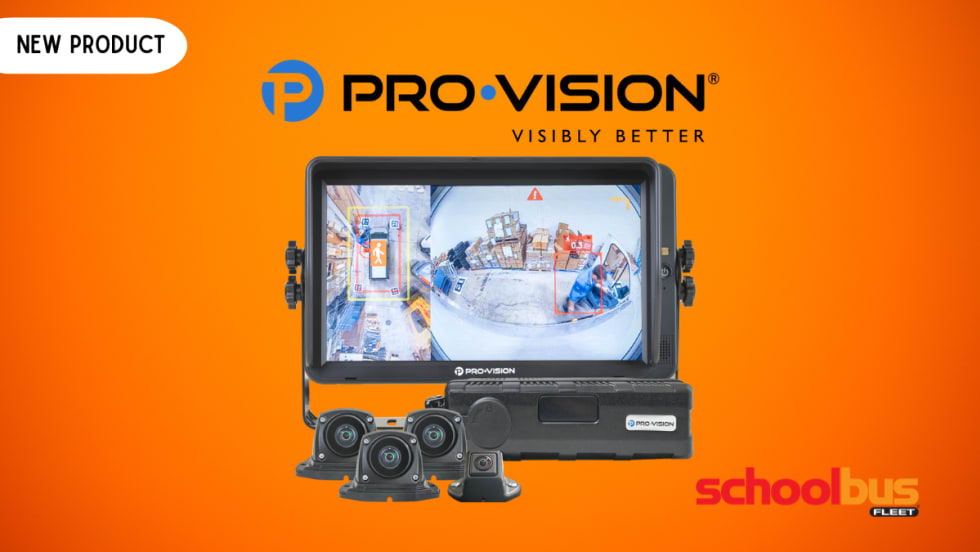
Pro-Vision Launches AI-Powered 360° Camera System
The new Birdseye camera delivers real-time AI-based pedestrian and vehicle detections, full visibility around the bus, and telematics integrations.
Read More →
N.Y. & N.J. Coalitions Call for Modernized Transportation for Vulnerable Students
New statewide coalitions in New York and New Jersey are urging lawmakers to expand student transportation options for vulnerable students amid ongoing driver shortages.
Read More →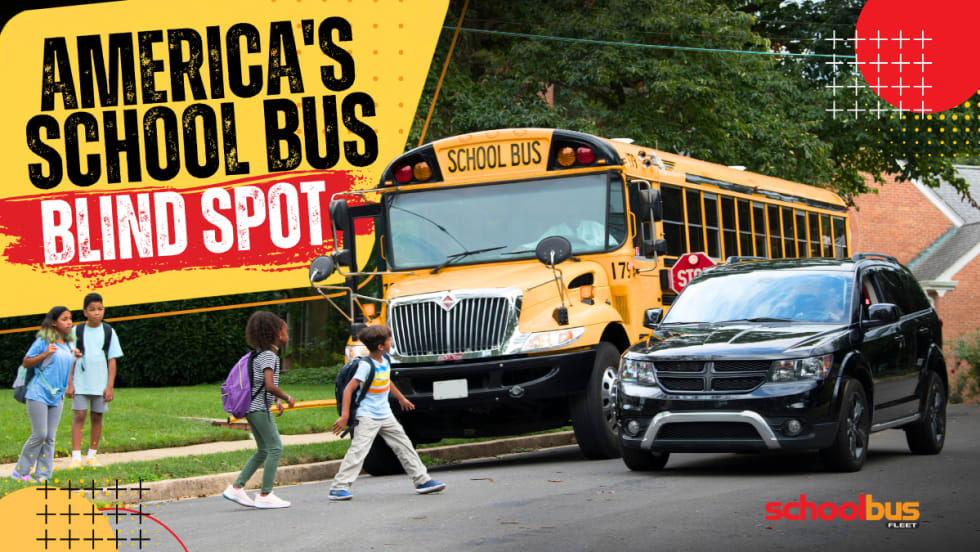
America Has a School Bus Passing Problem — and Distraction Is Making It Worse
Illegal school bus passing remains a major safety threat as distracted driving rises. This op-ed explores why awareness, enforcement, and stop-arm cameras matter more than ever.
Read More →
School Bus Laws to Watch: New York Delays EV Mandate
Plus, federal lawmakers seek new funding for school bus safety as states weigh stop-arm enforcement, disability protections, and education spending.
Read More →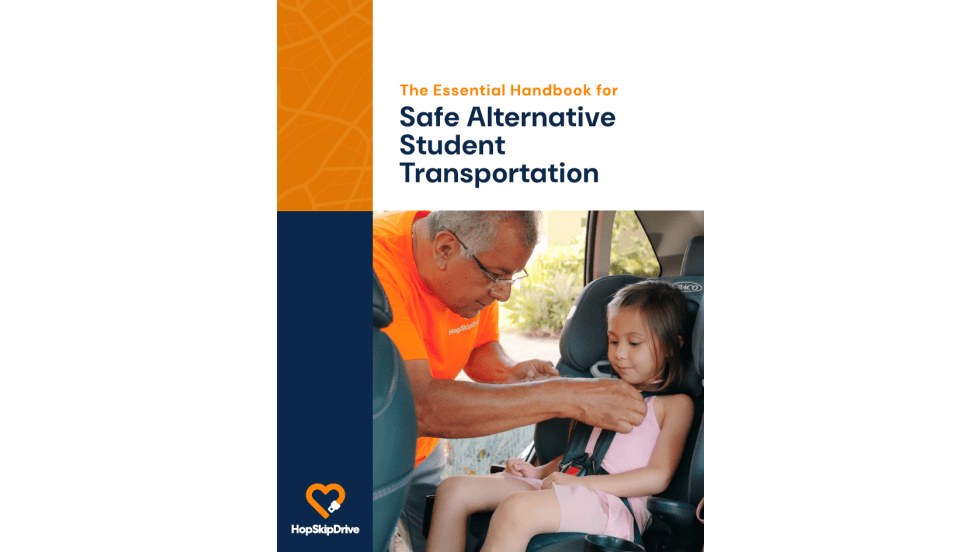
The Essential Handbook for Safe Alternative Student Transportation
Your district's "exception riders" — students with IEPs, those experiencing homelessness, foster care youth — deserve more than a middleman solution. This handbook breaks down exactly what to look for in a supplemental transportation partner: from driver vetting and regulatory compliance to proactive safety technology. Because getting a ride isn't the same as getting a safe one.
Read More →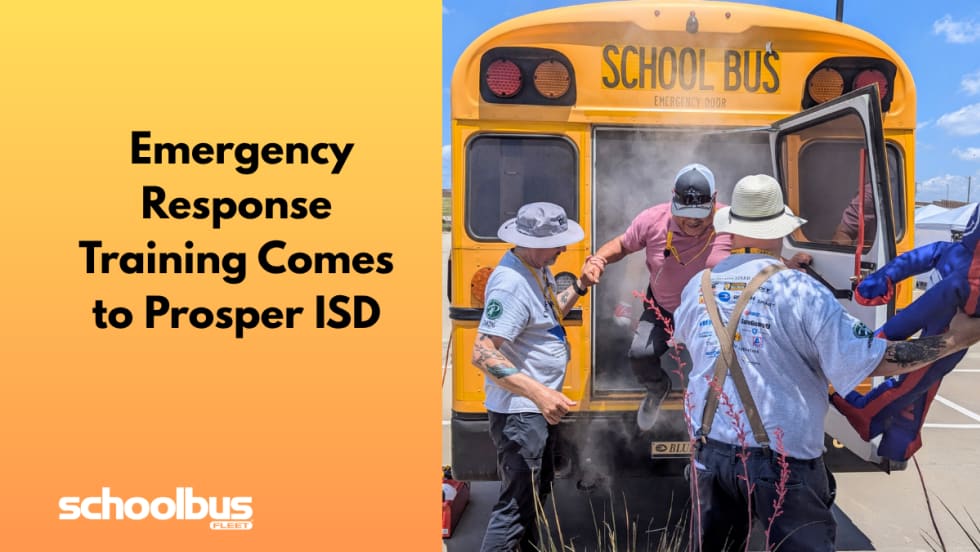
Operation STEER Brings Emergency Response Training to North Texas
Prosper ISD hosted the third annual training for transportation professionals across 67 districts to learn how to respond to emergencies, such as rollovers and evacuations, and proper use of safety equipment.
Read More →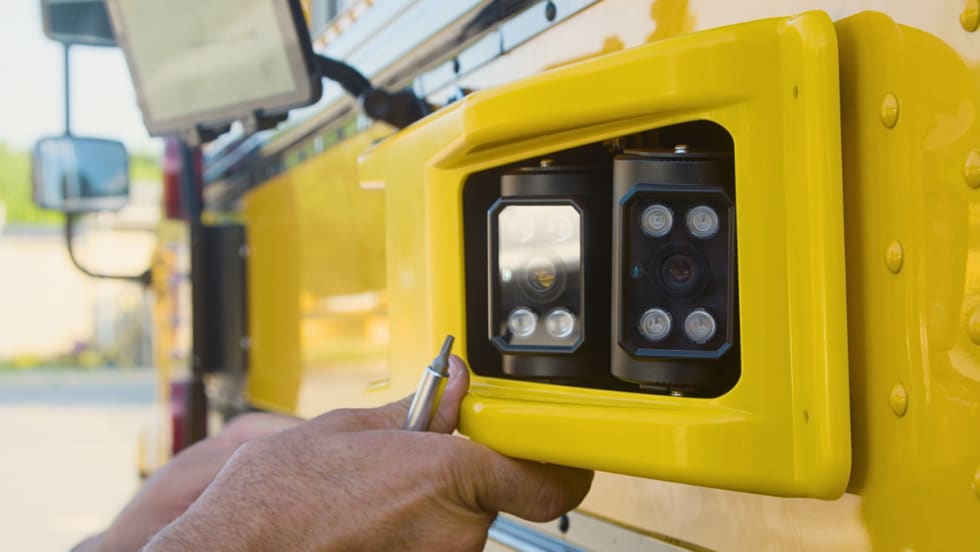
Florida District Relaunches BusPatrol School Bus Camera Program With New Safeguards
After being suspended over due process concerns, Miami-Dade schools and law enforcement are restarting the AI-powered stop-arm camera program with new oversight.
Read More →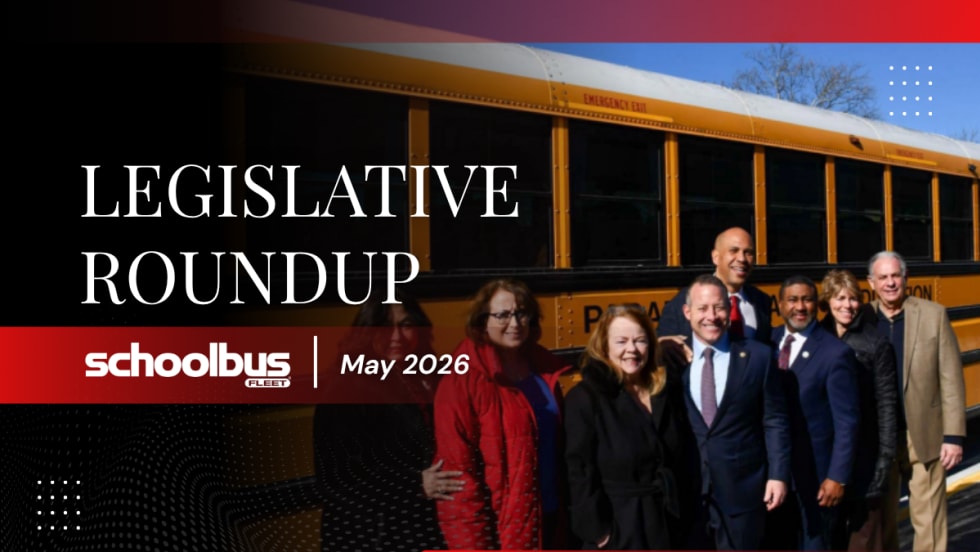
School Bus Laws To Watch: Seat Belt Bills, Funding Fights & EV Changes
From national bills on seat belts and driver oversight to driver awareness campaigns referencing “Finn’s Rule” and ongoing transportation funding debates in Alaska, here’s the latest in school bus legislation across the U.S.
Read More →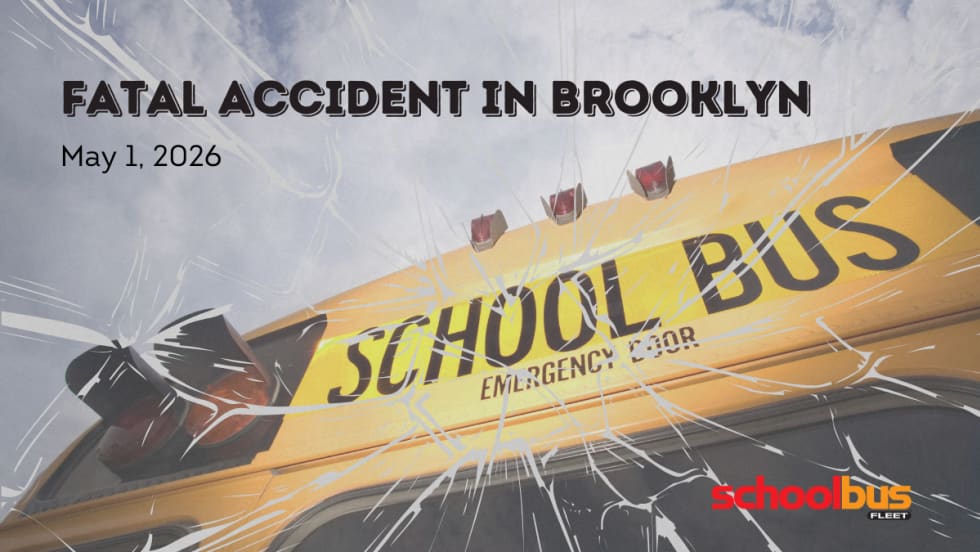
9-Year-Old Boy Killed by School Bus at Busy Brooklyn Intersection
A Williamsburg community is mourning after a child was fatally struck by a private yeshiva bus, prompting calls for urgent safety improvements at the high-traffic crossing.
Read More →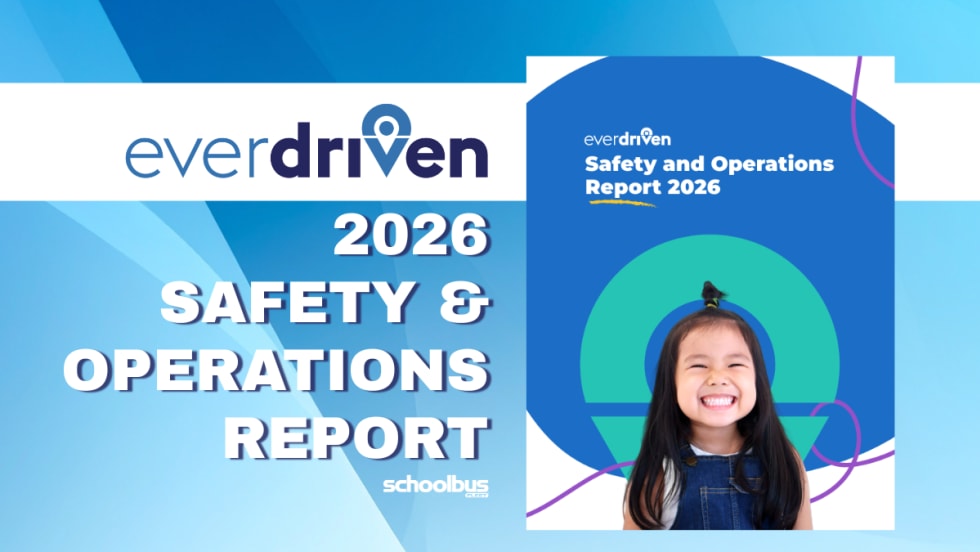
Does Reliable School Transportation Boost Attendance? EverDriven’s Data Says Yes
The new data shows 99.99% incident-free trips and strong on-time performance, reinforcing how dependable transportation, especially for vulnerable student populations, can help districts combat chronic absenteeism.
Read More →