




Report: Blue Bird propane bus performs well in cold temps
Officials from school districts and bus companies on the East Coast and in the Midwest report easy starting, quick warm-up and quiet operation of the propane Vision school buses in their fleets during the recent cold snap. Blue Bird says propane autogas’ natural properties keep the fuel in a constant liquid form, free from freezing or gelling, and the liquid form provides better control of the air-to-fuel ratio, resulting in excellent start-up dependability.


FORT VALLEY, Ga. — While much of North America recently experienced record-breaking cold weather, school districts and contractors reported that their Blue Bird propane school buses started and operated impeccably, according to the manufacturer.
All Star Transportation in Torrington, Conn., has a fleet that includes 40 propane Vision school buses.
The area experienced average temperatures of around zero degrees for several days, and officials for the operation said the propane autogas buses were “stellar performers.”
“The temperature here dipped as low as -12 F, adding complexity to our daily operations,” said Leslie Sheldon, operations manager for All Star Transportation. “The propane autogas buses made the lives of our technicians and bus drivers easier, as the buses started perfectly and came up to temperature promptly.”
Bus companies and school districts in the Midwest were also impacted by low temperatures. In eastern Wisconsin, the temperature fell to -27 F, but the 14 propane Vision school buses in Lamers Bus Lines’ fleet didn’t experience any issues.
“Simply put, our propane Visions are great cold weather buses,” said Allen Lamers, owner of Lamers Bus Lines. “We experienced easy starting, heat within minutes, quiet operation and less headaches. Our drivers love the buses, and when the driver is happy, everyone is happy.”
Likewise, as -13 F temps hit Reed City (Mich.) Area Public Schools’ area of service, the district’s six propane Vision buses started without a problem.
“School was canceled for a few days, but we were out there anyway, starting the buses and making sure our fleet was fully prepared,” said Paul Lewis, director of facilities and transportation. “The quietness of the propane bus is amazing. During these colder temperatures, the drivers love how quickly the buses warm up. We are very happy with our propane buses.”
Officials said Blue Bird’s propane school buses offer superior cold weather starting and operational capabilities due to two important factors. First, propane autogas’ natural properties keep the fuel in a constant liquid form, free from freezing or gelling. Second, propane autogas’ liquid form provides better control of the air-to-fuel ratio, resulting in the superior start-up dependability that districts are widely reporting. Also, there is no need to plug the buses in to pre-heat them.
The Blue Bird propane Vision and propane Micro Bird, equipped with the ROUSH CleanTech propane autogas fuel system and a Ford 6.8-liter engine, meet all EPA and California Air Resources Board certifications.
Recent news related to cold temps and pupil transportation:
More Alternative Fuels
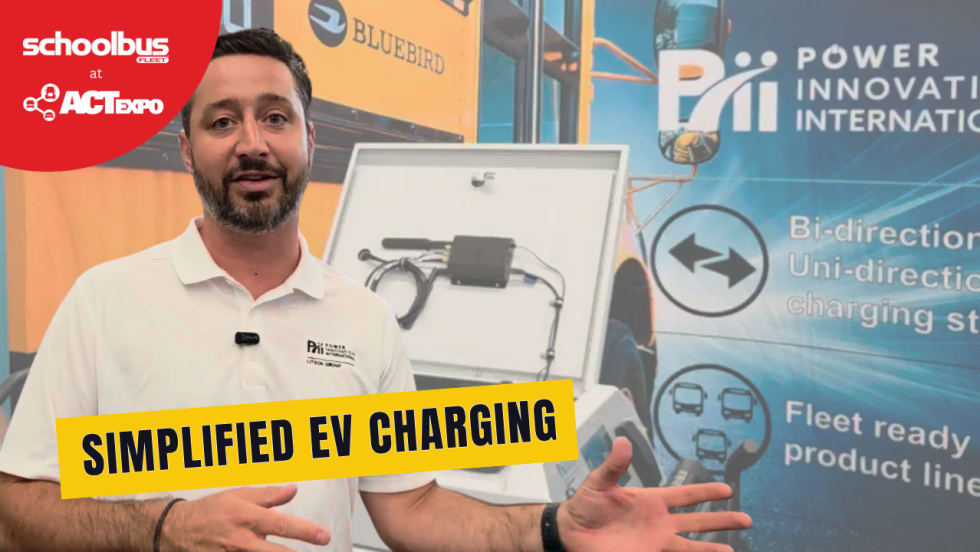
A Solution Helping School Buses Charge Without Major Infrastructure Upgrades
Power Innovations International dishes on its EV charging technology designed to reduce infrastructure barriers, improve reliability, and support V2G applications for school bus fleets.
Read More →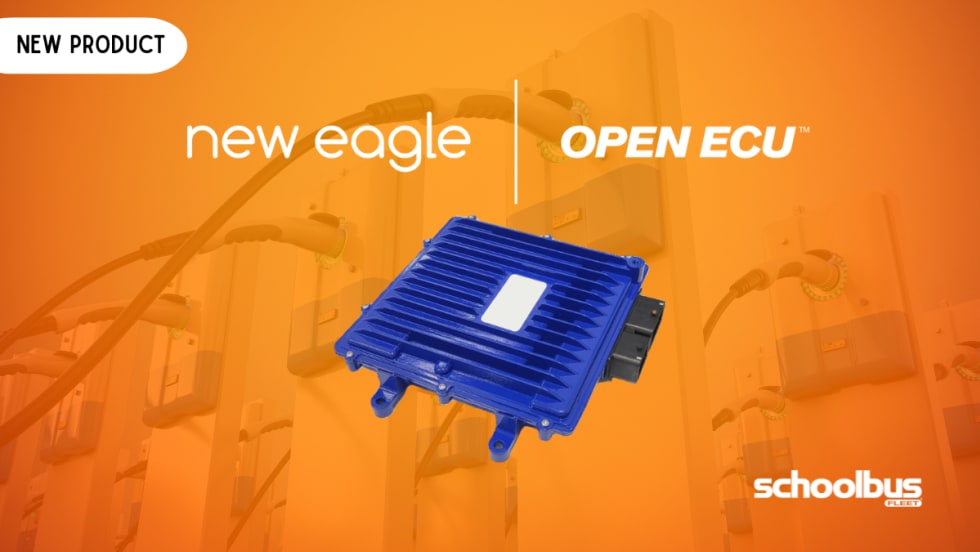
New Eagle Launches All-in-One EV Control Platform
The new OpenECU NX3 platform integrates charging and vehicle controls into a single platform, with support for megawatt charging and vehicle-to-grid technologies.
Read More →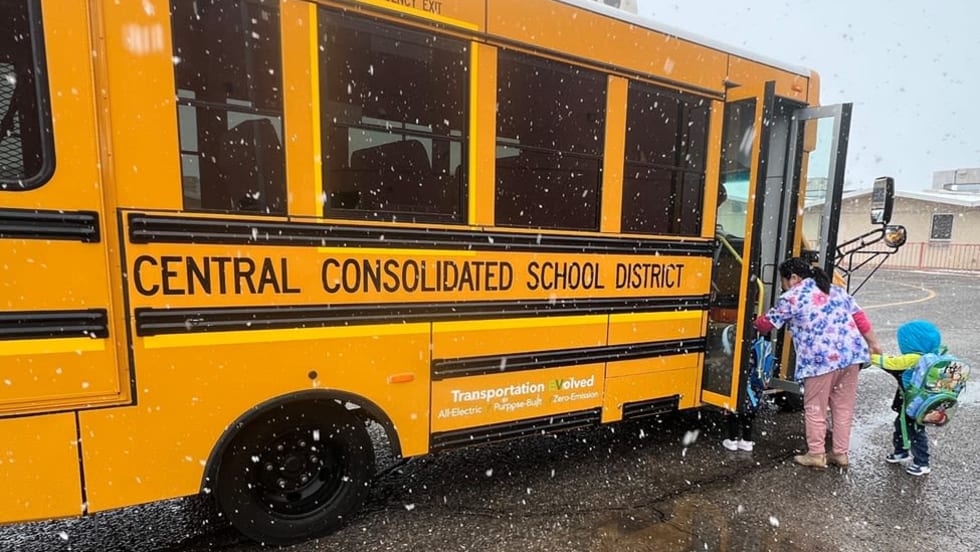
GreenPower Unveils New Heating Solution for Type A Bus
The all-electric bus manufacturer's new product aims to eliminate cold-cabin issues on its Nano BEAST zero-emission school buses operating in cold climates.
Read More →
Alt-Fuel Moves: Fleets Plug In for the Long Haul
School districts across the U.S. are moving electric school bus plans into operation, with new fleet deployments, charging infrastructure, and long-term electrification partnerships taking shape.
Read More →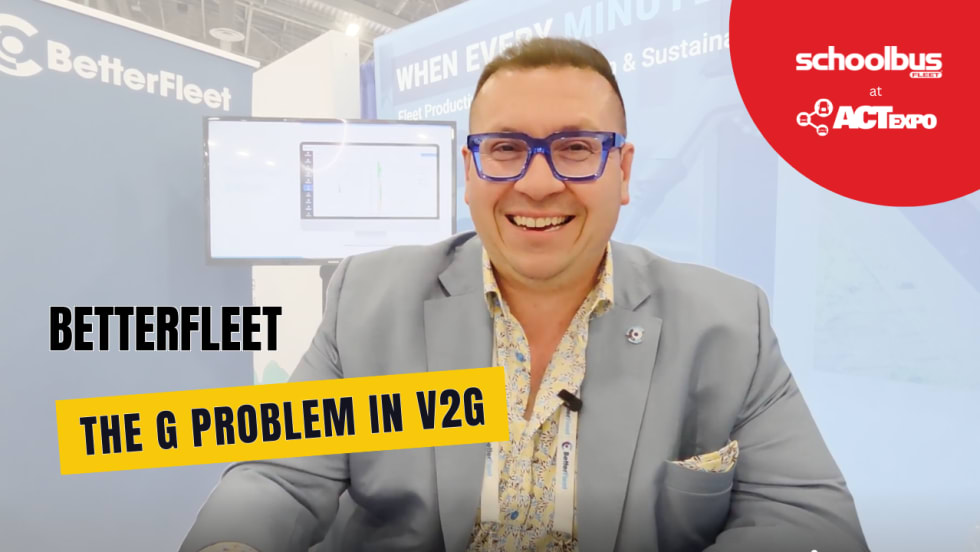
The Achilles Heel of School Bus Electrification: BetterFleet’s Take
BetterFleet’s managing partner discusses AI-powered EV fleet management, vehicle-to-grid challenges, and the real challenges in bus electrification today, from ACT Expo.
Read More →
You're On Your Own to Pick a Drivetrain [Op-Ed]
After years of federal pressure toward electric school buses, districts are suddenly being told to choose their own path. Let’s explore the risks, realities, and politics behind school bus drivetrain decisions.
Read More →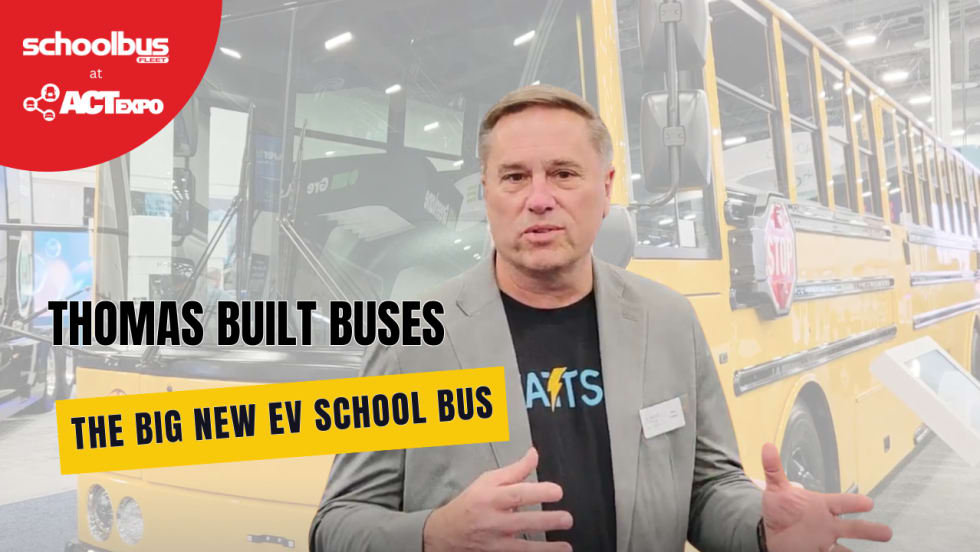
Wattson: Thomas Built’s Largest EV School Bus Yet
Check in with Mark Childers on the new Wattson Type D electric school bus, featuring faster charging, expanded passenger capacity, and advanced safety technology.
Read More →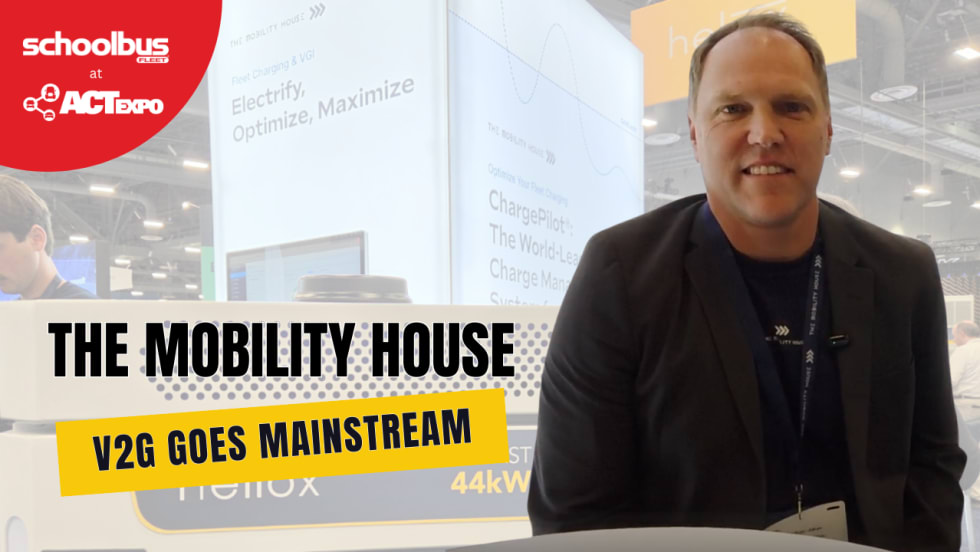
The New Era of Electric School Buses: V2G, Bidirectional Chargers & More
The Mobility House discusses AI-powered charging, vehicle-to-grid technology, smart energy management, and the next phase of school bus electrification.
Read More →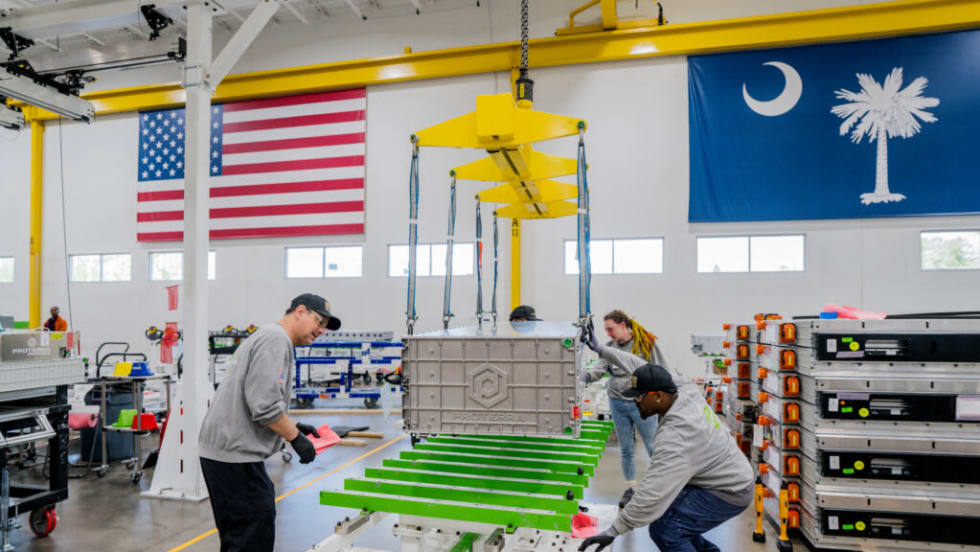
Now Made in America: Proterra Turns to U.S.-Built EV Batteries
Proterra announced a new U.S.-sourced battery cell option for its Onyx platform, boosting domestic content by more than 600% and strengthening EV supply chain resilience for commercial vehicle OEMs.
Read More →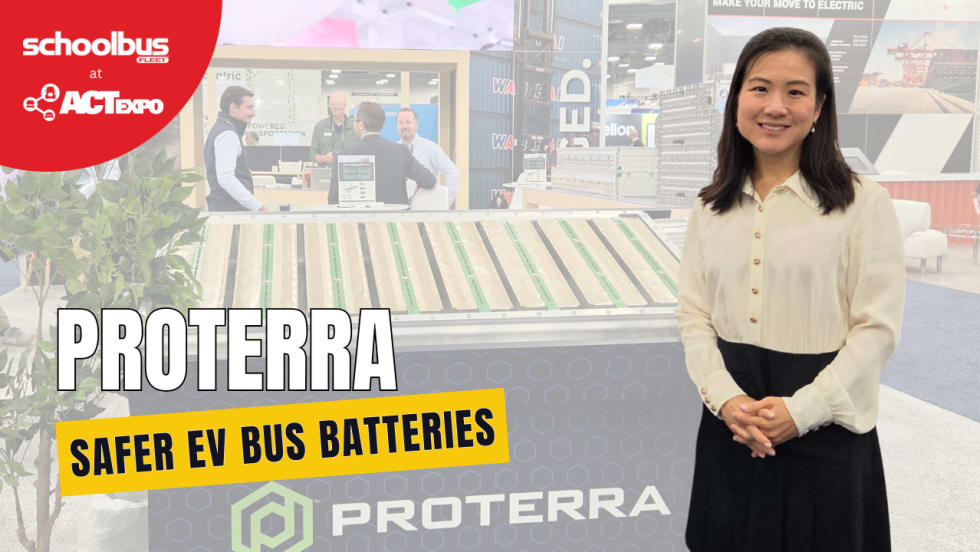
A Look at the Battery Technology Powering Electric School Buses
Check in with Proterra on next-generation EV battery technology for school buses, including safety innovations, predictive diagnostics, EPA 2027 readiness, and the future of transportation from ACT Expo.
Read More →