




Maine district takes action to stop bus bullying
When the transportation director for Maine School Administrative District #61 in Bridgton discovers that 50% of bus drivers’ referrals are from bullying incidents, he tasks bus driver/trainer Line Mulcahy and her colleague with developing an anti-bullying campaign. Mulcahy discusses its components with SBF, and says that it has had a positive impact.
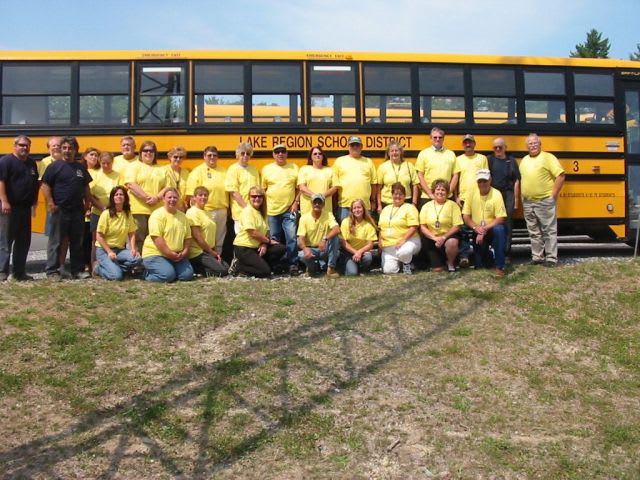
As part of their campaign, Maine School Administrative District #61 transportation staff wear yellow T-shirts that declare the district a bully-free zone.
BRIDGTON, Maine — When bullying incidents on Maine School Administrative District (MSAD) #61’s buses grew to a troublesome level, the transportation department’s employees took action, developing an anti-bullying campaign that has had positive results.
Earlier this year, Transportation Director Andy Madura reviewed referrals made by bus drivers during the last school year, and 50% were from bullying incidents, Line Mulcahy, a bus driver/trainer for the district, told SBF.
Mulcahy and her colleague, Mary Cleveland, also a driver trainer, were tasked by Madura to develop an anti-bullying campaign.
Mulcahy said that as she and Cleveland did research, they found that bullying is a national crisis, and that with kids communicating by cell phone and through the Internet, bullying has reached tragic levels across the country.
“I remember back when I was young, name calling along with pushing and shoving were all actions of ‘kids being kids,’ and adults simply responded, ‘Let them work it out,’” Mulcahy said. “Remember the old saying, ‘Sticks and stones may break my bones, but names will never hurt me?’ Well, not today. So … we educated, educated, educated our students, our staff and our community.”
To aid in developing bullying awareness, Mulcahy and Cleveland made posters for the inside of all MSAD #61’s buses with bullying prevention tips and information on what victims of bullying should do, and yellow T-shirts were made for all drivers, mechanics and office personnel declaring the district a bully-free zone.
“Brochures, banners and posters have been made for all the schools,” Mulcahy added. “Our slogan is very simple: 'See Something, Say Something, Do Something.'”

From left: Christian Martin, Max Evans and Ella Forbes performed a song they composed to educate district staff and board members about bullying.
In addition, Mulcahy and Cleveland discovered that three of the district’s students composed a song on bullying. Songwriter and guitarist Christian Martin, a seventh-grader, joined forces with bass guitarist Ella Forbes, an eighth-grader, and ninth-grade drummer Max Evans to perform the song. (To read the lyrics, click here. To watch a video of the students performing the song, click here.)
The district’s anti-bullying message, complete with a performance by Martin, Forbes and Evans, was brought before the district’s staff on the first day of school, as well as to school board members.
“We even brought this to our governor [Paul LePage] and the Maine State Board of Education in Augusta,” Mulcahy said. “The message is for people to open their eyes and ears to what is going on around them.”
The transportation department’s efforts have had an impact. Mulcahy said that drivers have been able to stop incidents from escalating on their buses.
“I think once the students saw the immediate intervention, it was almost a sigh of relief to them, and we are getting full cooperation from the schools,” she added. “Bus slips are given out, plus phone calls are made to the parents, both from the school and the bus drivers.”
More Safety
2 Killed, Dozens Injured in Florida School Bus Crash
A multi-vehicle collision caused a Polk County school bus carrying 37 students to overturn on its way to Winter Haven High School.
Read More →
Illegal School Bus Passing Drops 24% in New York Districts
With fewer than 5% of citations involving repeat offenders, Westchester County officials said enforcement, education, and community partnerships are helping change driver behavior.
Read More →
School's Back. Here's What Happened to Traffic, Speeding & Distraction
What happens to traffic when school resumes? New data analysis examines changes in distracted driving, congestion, and speeding around schools.
Read More →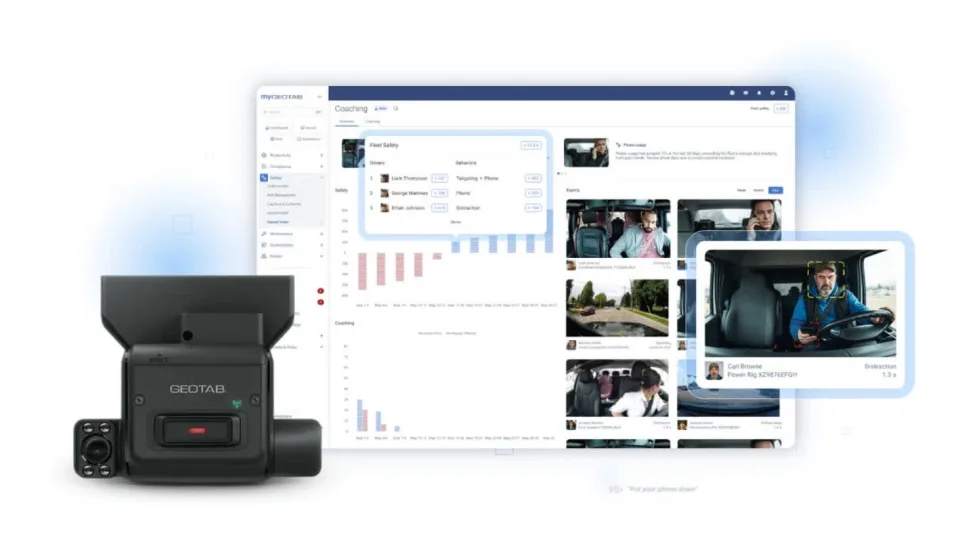
Geotab Expands Fleet Safety Tools With Video Coaching, Risk Insights
New safety and video capabilities aim to help fleet managers assess risk, support drivers, and take targeted action through video coaching, red-light violation detection, and more.
Read More →
How to Build a Better School Bus Driver Training Program
Is it time to strengthen your driver training? Here’s how to pick the right talent and improve recruitment, retention, and safety. This video is brought to you by IC Bus.
Read More →
Recent School Bus Accidents Leave 2 Dead, 2 Injured
Four school bus crashes in Florida, Illinois, and Georgia highlight risks in transportation lots, at bus stops, and during student loading and unloading.
Read More →
When Every Second Matters, Clarity Keeps Routes Moving
From routine delays to urgent incidents, strong communication practices help drivers, dispatchers, schools, and families respond with confidence.
Read More →
What Happens When a School Bus Catches Fire — and What Can Help
School bus fires are rare but can be devastating. Learn how advances in fire suppression and asset protection help fleets detect fires earlier, reduce damage, and improve safety.
Read More →
Geotab Launches Tool to Help Fleets Investigate Road Incidents
Geotab Investigations combines telematics data, video, documents, and other evidence to help fleets reconstruct incidents, resolve claims, and determine what happened.
Read More →
Texas Sixth Grader Wins 2026 National School Bus Safety Poster Contest
Sai Darshana Yekolu of Moseley Middle School in Prosper, Texas, was named the newest winner for her artwork, bringing the theme of “Safe Rides, Everyday Heroes” to life.
Read More →