




Dubai sees increases in school bus ridership, safety
Officials say that Dubai’s school transport law and partnerships with international entities, including NAPT, have helped bolster the Emirate’s pupil transportation system.

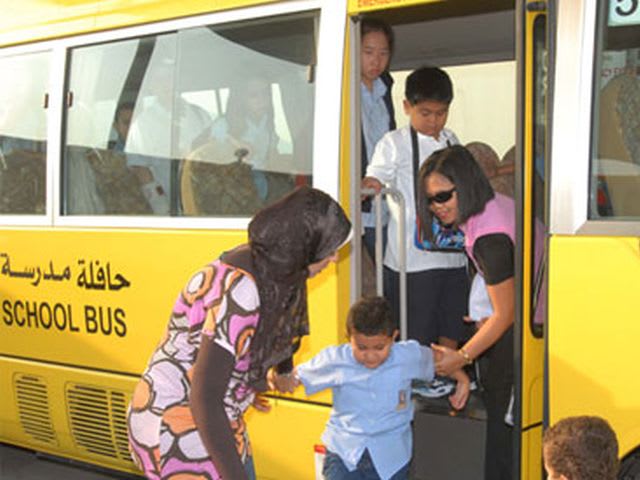
Officials say that Dubai’s school transport law and partnerships with international entities have helped bolster pupil transportation.
DUBAI, United Arab Emirates — School transportation in Dubai has grown and become safer over the past several years, officials announced this week.
The Public Transport Agency at the Roads and Transport Authority (RTA) said that there were increases in the numbers of students transported, buses deployed and bus conductors appointed during the period of 2011 to 2014.
“The number of students lifted by school transport services has increased by 14% between 2011 and 2014,” said Adel Mohammed Shakri, director of planning and business development at RTA’s Public Transport Agency.
Shakri attributed the growth to the implementation of the school transport law issued by the Dubai Executive Council. The law was initiated by the RTA, which has worked to oversee its implementation at the highest international standards, Shakri said.
To that end, RTA formed partnerships with several specialized international entities, including the National Association for Pupil Transportation (NAPT) in the U.S. The RTA worked with NAPT to hold an international conference on school transportation in Dubai in 2013.
“The implementation of the school transport law has played a pivotal role in securing the safety of students of different ages served by school transport services,” Shakri said. “The sound implementation of the law contributed to cutting the number of accidents recorded in this sector by 10%, thanks to the fruitful cooperation between the RTA, school managements, school transport companies and parents.”
Most notably, the number of fatalities in school transportation in Dubai dropped to zero in 2014, according to the RTA.
Officials said that implementation of the school transport law has had positive social, environmental, economic and educational implications. The social dimension has reportedly included higher confidence in the school transportation system and more attention to people who have disabilities — which is reflected in the designing and deploying of 50 buses to assist the mobility of this community segment.
According to the RTA, the key economic impacts have been saving parents time (an estimated 24,689 hours) and saving fuel consumed by vehicles (equivalent to 20,095 hours of travel).
The school transport law has also had an environmental aspect, reducing the carbon footprint from vehicles by as much as 22,000 kilograms (48,502 pounds) in four years, officials said.
The RTA is considering the introduction of new technologies in school transportation, such as placing sensors underneath bus seats to send signals if a child is left behind. Also, an online educational module is being developed, and safety tips will be taught through cartoons that simulate child safety issues.
More Safety
NHTSA Releases 10-Year Review of Fatal School Bus Crashes
The latest federal analysis reinforces the safety of school buses while identifying where school-age pedestrians and other motorists remain most at risk.
Read More →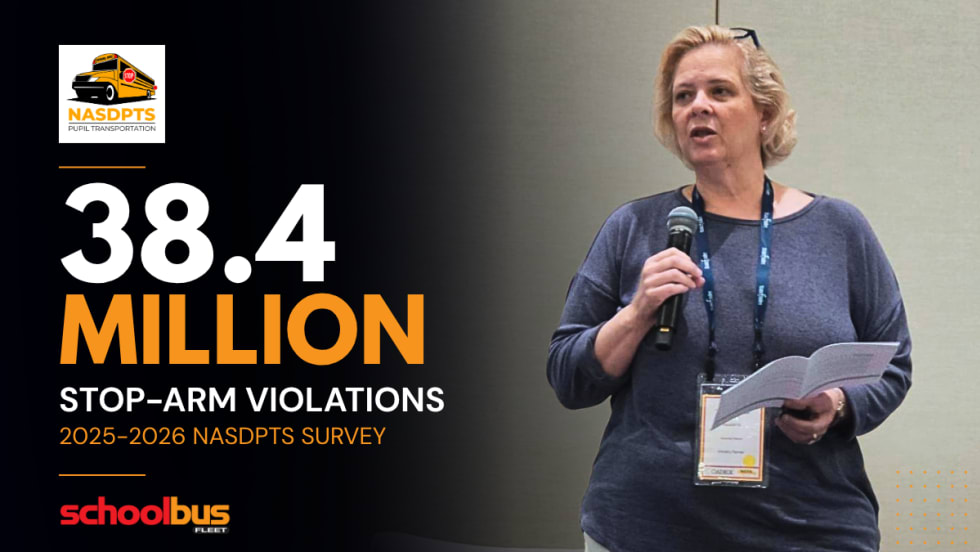
2026 NASDPTS Survey: Data Shows Further Reduction of Illegal Passing
New data is in! School bus stop-arm passings are down to 38.4 million violations per year, about a 2.3% decrease from last school year — but passings on the right side of the bus are higher than ever.
Read More →
Another School Bus Fatality Reported in Monsey, New York
A 7-year-old girl died after being struck by a school bus in Rockland County, New York while crossing the street. Here's what we know.
Read More →
NSTA Announces 2026 School Bus Driver International Safety Competition Winners
Drivers from across the U.S. and Canada showcased their safety and driving skills, with two defending champions successfully retaining their titles.
Read More →
The Driver Shortage Playbook
Driver shortages are still a major challenge for student transportation fleets, but the real issue has shifted. It’s no longer just about filling seats quickly. It’s about finding safe, reliable drivers who meet performance expectations and want to stay. The Driver Shortage Playbook covers why traditional recruitment tactics are falling short and how school fleets are adapting with smarter hiring, stronger retention strategies and a greater focus on driver quality.
Read More →
Pro-Vision Launches AI-Powered 360° Camera System
The new Birdseye camera delivers real-time AI-based pedestrian and vehicle detections, full visibility around the bus, and telematics integrations.
Read More →
N.Y. & N.J. Coalitions Call for Modernized Transportation for Vulnerable Students
New statewide coalitions in New York and New Jersey are urging lawmakers to expand student transportation options for vulnerable students amid ongoing driver shortages.
Read More →
America Has a School Bus Passing Problem — and Distraction Is Making It Worse
Illegal school bus passing remains a major safety threat as distracted driving rises. This op-ed explores why awareness, enforcement, and stop-arm cameras matter more than ever.
Read More →
School Bus Laws to Watch: New York Delays EV Mandate
Plus, federal lawmakers seek new funding for school bus safety as states weigh stop-arm enforcement, disability protections, and education spending.
Read More →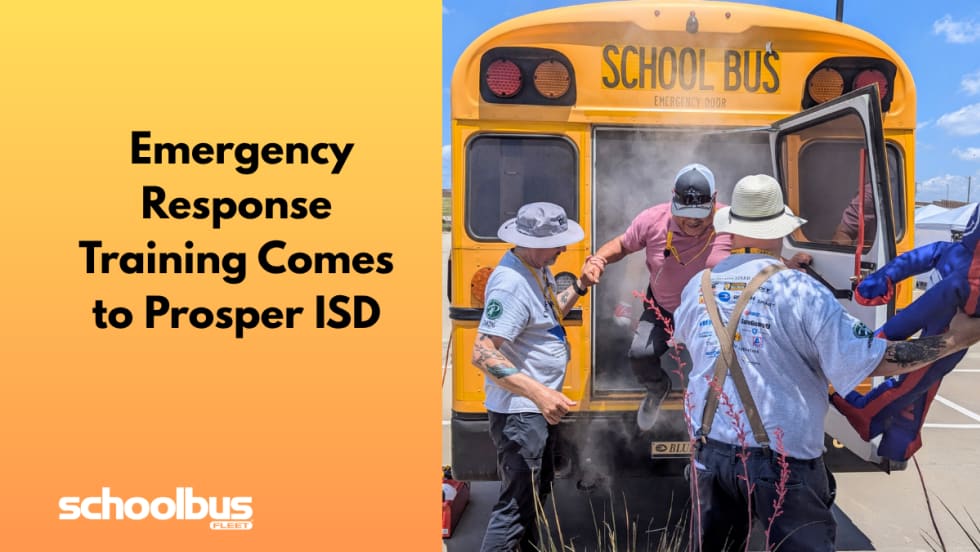
Operation STEER Brings Emergency Response Training to North Texas
Prosper ISD hosted the third annual training for transportation professionals across 67 districts to learn how to respond to emergencies, such as rollovers and evacuations, and proper use of safety equipment.
Read More →