




School buses exempt from electronic stability control mandate
NHTSA has finalized a rule that requires electronic stability control systems on heavy trucks and some large buses, but not school buses.

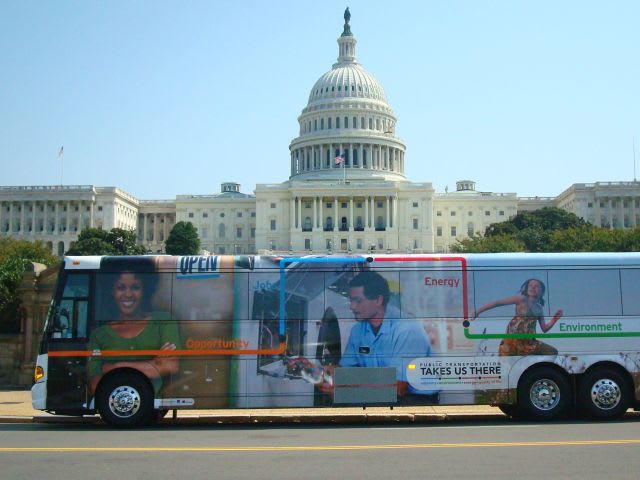
NHTSA has finalized a rule that requires electronic stability control systems on heavy trucks and some large buses, such as motorcoaches.
WASHINGTON, D.C. — School buses are not included in a federal rulemaking that requires electronic stability control (ESC) systems on heavy trucks and some large buses, such as motorcoaches.
The National Highway Traffic Safety Administration (NHTSA) has finalized the rule and has submitted it for publication in the Federal Register, although it had not yet been published as of this writing.
ESC systems have sensors that monitor vehicle movement and steering. They can help mitigate rollover incidents by using automatic computer-controlled braking, and they can aid the driver in addressing severe understeer or oversteer conditions that can lead to loss of control.
When NHTSA proposed the ESC rulemaking for large commercial trucks, motorcoaches and some other large buses in 2012, school buses were excluded, although the agency said that it sought “comment on whether this proposal should be applied to the types of buses that are excluded from the proposed rule, such as school buses and transit buses.”
Six commenters on the proposal said that NHTSA should include school buses in the ESC requirement. For example, Consumers Union commented that ESC technology should be required for school buses in order to set a precedent for future crash-avoidance technologies. The National Transportation Safety Board and the Insurance Institute for Highway Safety advocated an ESC mandate for all buses greater than 10,000 pounds, including school buses.
The National School Transportation Association (NSTA) was one of the commenters that agreed with NHTSA’s decision to exclude school buses. NSTA said that an ESC requirement would increase the cost of school buses, which could potentially reduce the number of school buses on the road and the number of children riding them. Also, NSTA noted that school buses travel primarily at low speeds and in residential areas.
As in its proposed rulemaking, NHTSA decided to make school buses exempt from the ESC final rule.
“Each NHTSA rulemaking must address a present safety need and be justified by present safety benefits,” the agency said in the final rule. “We cannot accept Consumers Union’s recommendation to do rulemaking now based on speculative benefits of ESC systems on school buses.”
Also, NHTSA again cited federal data showing that most school bus crashes are not rollover or loss-of-control crashes that ESC systems are capable of preventing.
“For these reasons, we will not require school buses to be equipped with ESC at this time,” NHTSA said in the final rule.
NSTA officials expressed their support for the federal agency’s decision.
“NHTSA clearly evaluated the research and made the right decision for school buses across the country,” NSTA Executive Director Ronna Weber said. “Our greatest concern was that the financial burden of this additional and unnecessary technology could cause a reduction in the number of school buses on the road, which would lead to an increase in the number of children not riding school buses and, in the end, create a greater safety concern.”
NSTA President Tim Flood added that “the safety of the 25 million children that ride the school bus each day is our top concern, and any improvement to that safety bears very thoughtful consideration. … We appreciate the due diligence of NHTSA and applaud them for this most important decision.”
Mike Martin, executive director of the National Association for Pupil Transportation, noted that school bus operators are still free to consider ESC technology for their fleets.
"While not required by NHTSA, there is nothing to stop a school district from evaluating and deciding that ESC makes sense for buses in their districts," Martin said. "After all is said and done, decisions about new bus purchases are made by local officials based on local circumstances, budgets and other factors."
More Safety
From Reactive to Proactive: Making Every Ride Visible
Smart technology only delivers its full value when it works together. See how Catalyst connects proven industry platforms to move student transportation from reactive to proactive.
Read More →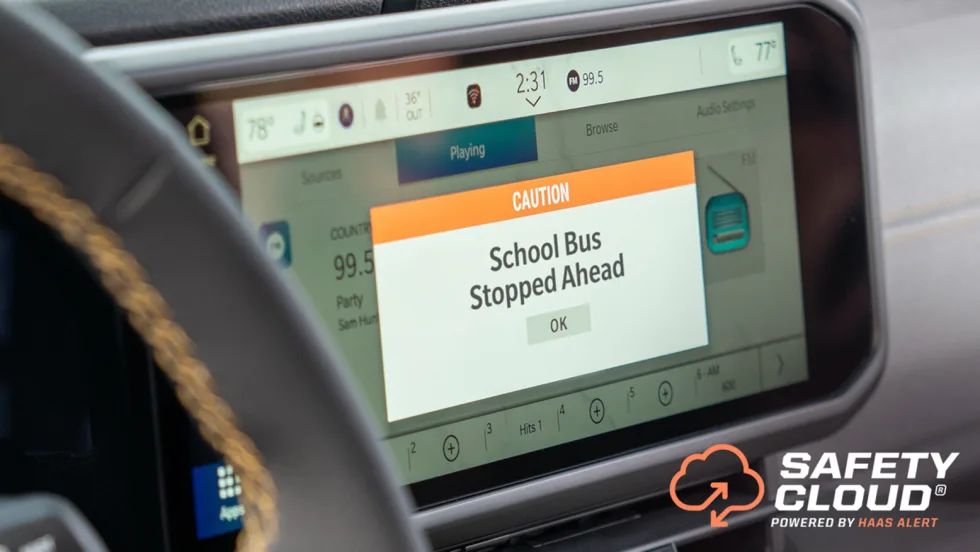
HAAS Alert’s Safety Cloud Warns Motorists of Stopped School Buses
Through a transponder or Samsara connection, the product lets school bus fleets send advance warnings to approaching drivers through in-vehicle alerts.
Read More →
HopSkipDrive Reports Progress on Safety Advisory Council
More than a year after forming the council, independent safety experts have helped shape new rider-safety features and policy progress, with a new goal to address rider behavior.
Read More →
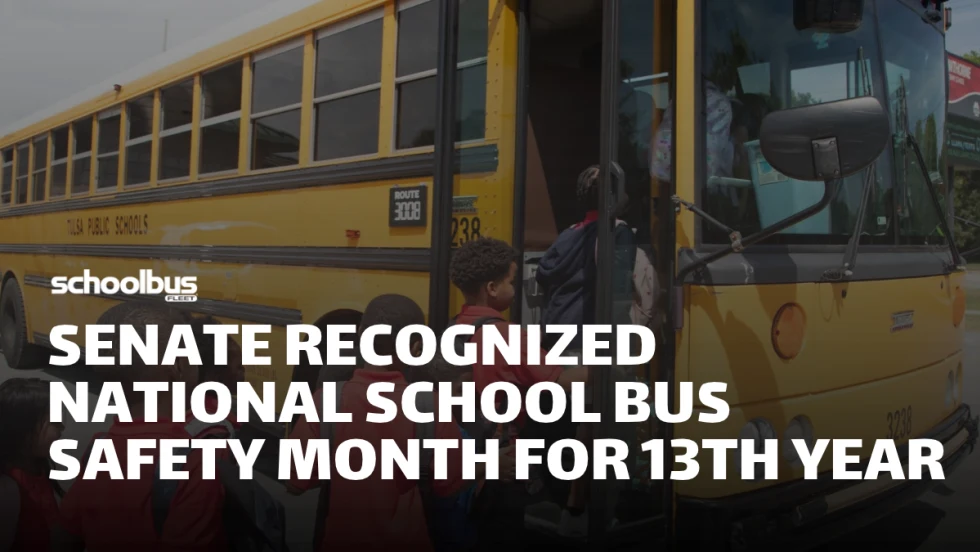
What the 2026 National School Bus Safety Month Resolution Means for Student Transportation
The bipartisan resolution highlights illegal school bus passing, student safety during loading and unloading, and the need for driver training and public education.
Read More →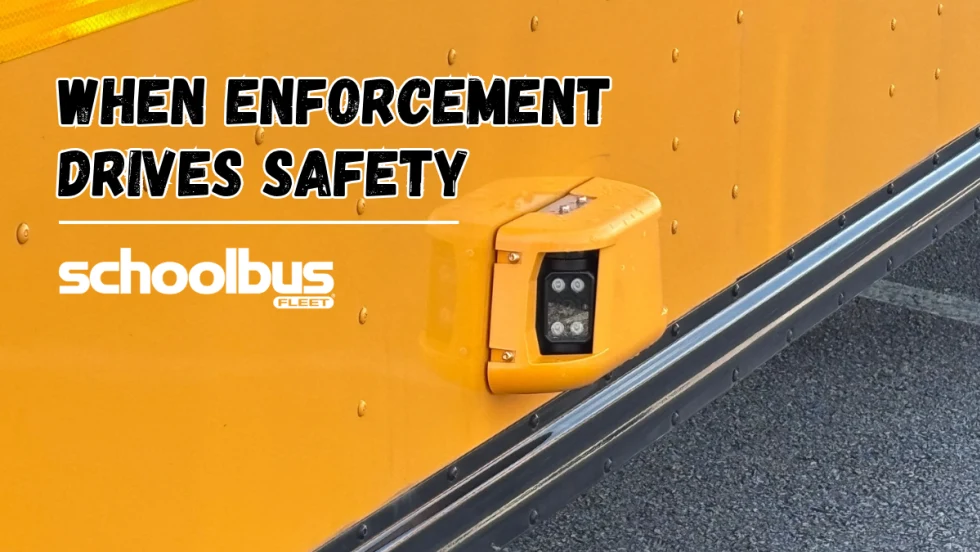
School Bus Stop-Arm Violations Decline 53% Across Verra Mobility Programs
Verra Mobility shares how school bus stop-arm cameras and school zone safety programs are changing driver behavior, reducing violations, and protecting students.
Read More →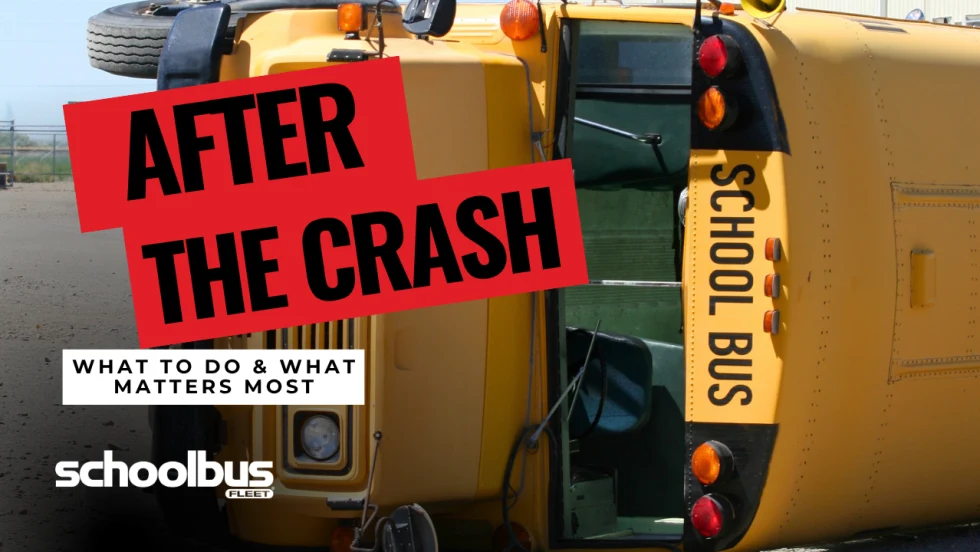
Most Bus Crashes Aren’t Your Fault. Here’s How to Prove It.
A guide for what to do in between a school bus crash and a claim: what to preserve, who to notify, and how to keep the facts available when they matter.
Read More →
National School Bus Safety Week 2026: Tips, Toolkits & Resources to Keep Students Safe
School bus safety takes more than awareness. Explore expert tips, enforcement strategies, and free resources to help protect students on every ride.
Read More →
2 Killed, Dozens Injured in Florida School Bus Crash
A multi-vehicle collision caused a Polk County school bus carrying 37 students to overturn on its way to Winter Haven High School.
Read More →
Illegal School Bus Passing Drops 24% in New York Districts
With fewer than 5% of citations involving repeat offenders, Westchester County officials said enforcement, education, and community partnerships are helping change driver behavior.
Read More →
School's Back. Here's What Happened to Traffic, Speeding & Distraction
What happens to traffic when school resumes? New data analysis examines changes in distracted driving, congestion, and speeding around schools.
Read More →