




Drug, alcohol clearinghouse for CDL drivers proposed
Federal officials say that the clearinghouse would make it easier to determine whether a truck or bus driver is prohibited from operating a commercial motor vehicle for failing to comply with drug and alcohol regulations. A spokesperson for the Federal Motor Carrier Safety Administration says that all employers of CDL holders, including school bus drivers, would have to have programs to satisfy the proposed rule.

WASHINGTON, D.C. — A new proposed rule from the Federal Motor Carrier Safety Administration (FMCSA) would establish a drug and alcohol clearinghouse for all national commercial driver's license (CDL) holders.
Federal officials said that the clearinghouse would help improve roadway safety by making it easier to determine whether a truck or bus driver is prohibited from operating a commercial motor vehicle for failing to comply with federal drug and alcohol regulations, including mandatory testing.
Current federal regulations require employers to conduct mandatory pre-employment screening of a CDL driver's qualifications based on his or her driving record. However, there has not been a single federal repository recording positive drug and alcohol tests by CDL holders that employers would be able to search to ensure that the driver is able to perform safety-sensitive duties.
The new proposed rule, announced last week, would create such a repository and would require employers to conduct pre-employment searches for all new CDL drivers and annual searches on current drivers.
FMCSA spokesperson Donna Aggazio told SBF that the proposed rule would apply to all employers of CDL holders, including school bus drivers.
"Employers of school bus drivers, whether it’s the school district or a for-hire contractor working for the school district, must have programs that satisfy the rule," Aggazio said. "This means the service providers that handle the drug and alcohol testing must report the positive test results for school bus drivers to the clearinghouse, and the employers of the school bus drivers must query the system to ensure that any school bus driver they employ is not identified as failing to fulfill all of the return to duty requirements after testing positive."
For the privacy of drivers involved, each CDL holder would need to provide his or her consent before an employer could access the clearinghouse.
FMCSA Administrator Anne Ferro said in a statement that the agency is "leveraging technology to create a one-stop verification point to help companies hire drug- and alcohol-free drivers. This proposal moves us further down the road toward improving safety for truck and bus companies, commercial drivers and the motoring public everywhere."
For each of the past three years, federal and state safety inspectors have conducted approximately 3.5 million random roadside inspections of commercial vehicles and of their drivers.
In 2013, on 2,095 occasions (0.23% of the unannounced inspections), a CDL holder was immediately placed out of service and cited for violating federal regulations on alcohol consumption. On 1,240 occasions (0.13% of the unannounced inspections), a CDL holder was placed out of service and cited for violating federal regulations on controlled substances.
The new proposed rule was directed by Congress in the most recent transportation bill, the Moving Ahead for Progress in the 21st Century Act.
To read the proposal, go here.
More Safety
Another School Bus Fatality Reported in Monsey, New York
A 7-year-old girl died after being struck by a school bus in Rockland County, New York while crossing the street. Here's what we know.
Read More →
NSTA Announces 2026 School Bus Driver International Safety Competition Winners
Drivers from across the U.S. and Canada showcased their safety and driving skills, with two defending champions successfully retaining their titles.
Read More →
The Driver Shortage Playbook
Driver shortages are still a major challenge for student transportation fleets, but the real issue has shifted. It’s no longer just about filling seats quickly. It’s about finding safe, reliable drivers who meet performance expectations and want to stay. The Driver Shortage Playbook covers why traditional recruitment tactics are falling short and how school fleets are adapting with smarter hiring, stronger retention strategies and a greater focus on driver quality.
Read More →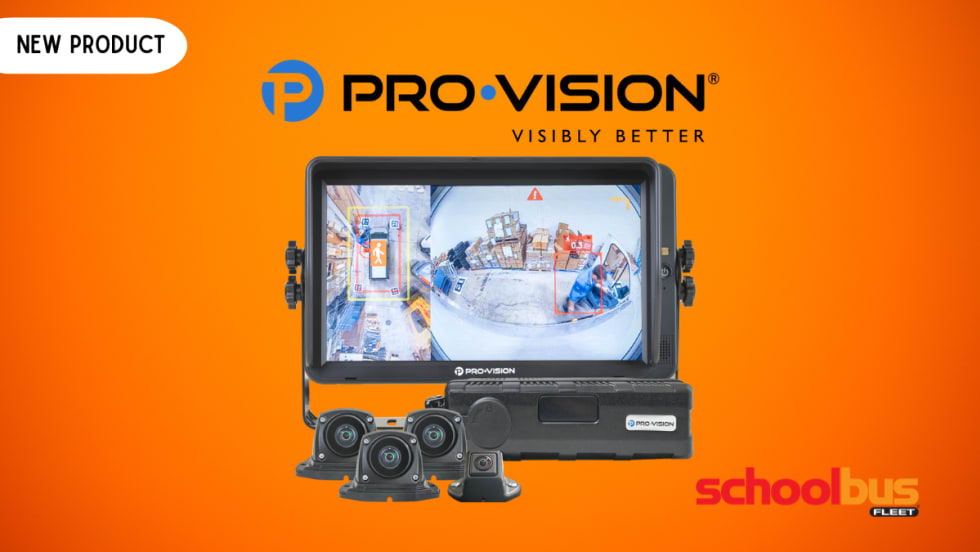
Pro-Vision Launches AI-Powered 360° Camera System
The new Birdseye camera delivers real-time AI-based pedestrian and vehicle detections, full visibility around the bus, and telematics integrations.
Read More →
N.Y. & N.J. Coalitions Call for Modernized Transportation for Vulnerable Students
New statewide coalitions in New York and New Jersey are urging lawmakers to expand student transportation options for vulnerable students amid ongoing driver shortages.
Read More →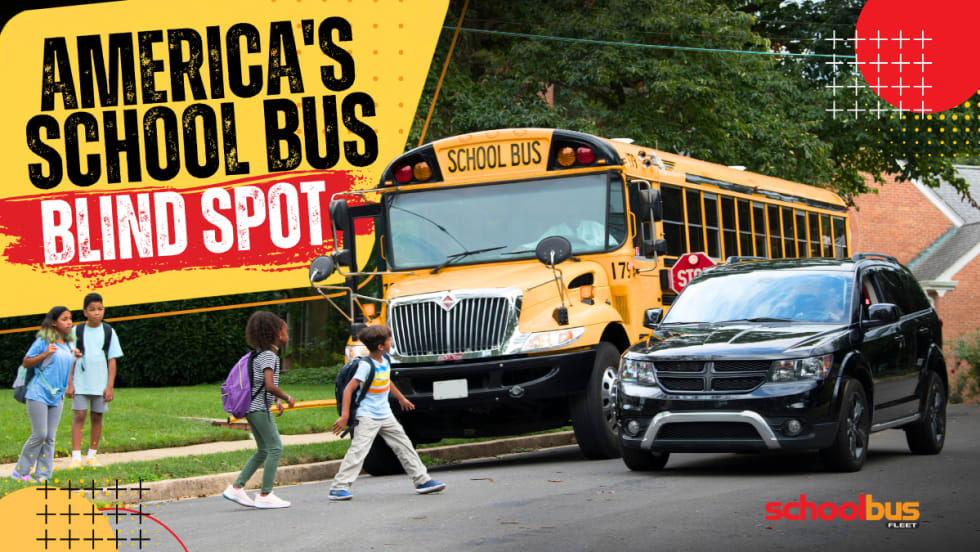
America Has a School Bus Passing Problem — and Distraction Is Making It Worse
Illegal school bus passing remains a major safety threat as distracted driving rises. This op-ed explores why awareness, enforcement, and stop-arm cameras matter more than ever.
Read More →
School Bus Laws to Watch: New York Delays EV Mandate
Plus, federal lawmakers seek new funding for school bus safety as states weigh stop-arm enforcement, disability protections, and education spending.
Read More →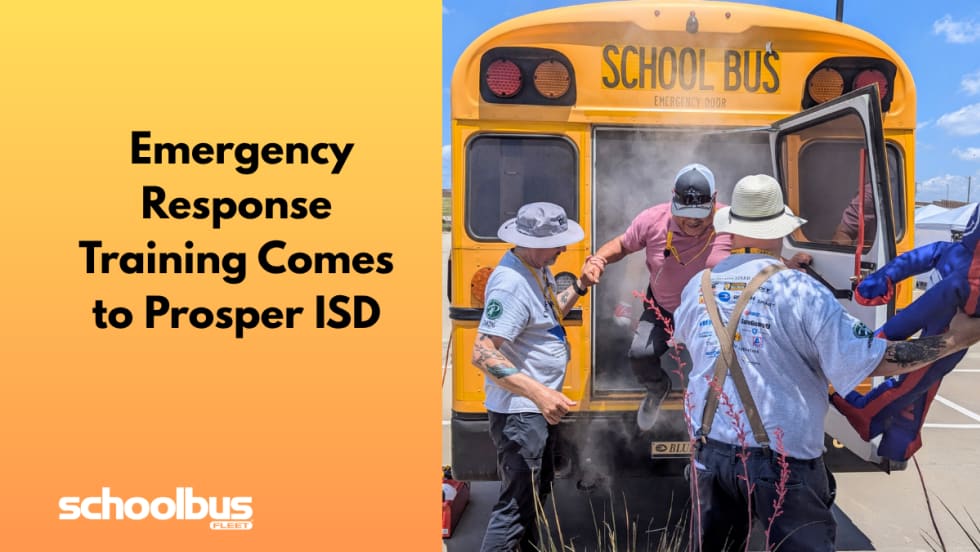
Operation STEER Brings Emergency Response Training to North Texas
Prosper ISD hosted the third annual training for transportation professionals across 67 districts to learn how to respond to emergencies, such as rollovers and evacuations, and proper use of safety equipment.
Read More →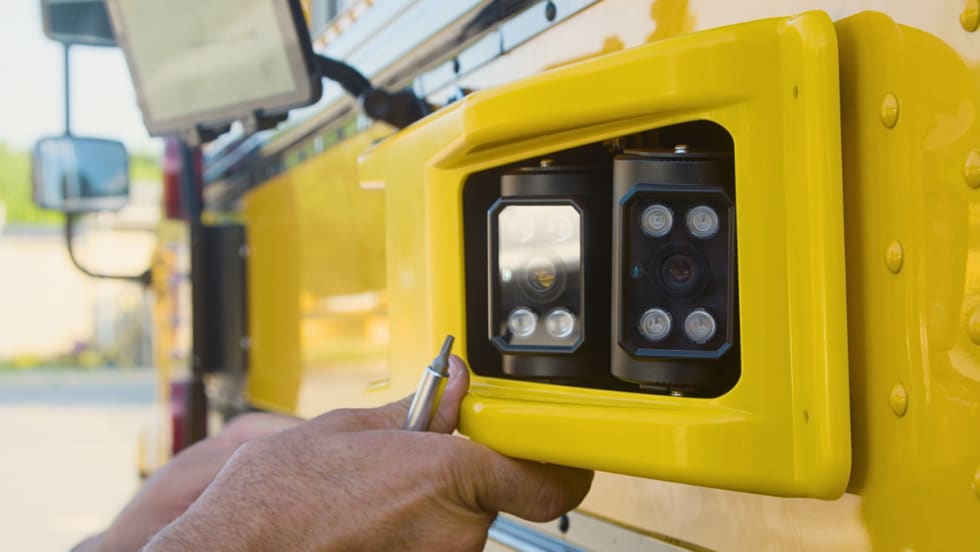
Florida District Relaunches BusPatrol School Bus Camera Program With New Safeguards
After being suspended over due process concerns, Miami-Dade schools and law enforcement are restarting the AI-powered stop-arm camera program with new oversight.
Read More →
School Bus Laws To Watch: Seat Belt Bills, Funding Fights & EV Changes
From national bills on seat belts and driver oversight to driver awareness campaigns referencing “Finn’s Rule” and ongoing transportation funding debates in Alaska, here’s the latest in school bus legislation across the U.S.
Read More →