




Boston Public Schools buys 86 propane buses
The district’s new Blue Bird propane school buses have a shorter 169-inch wheelbase and a 50-gallon tank to accommodate shorter runs.

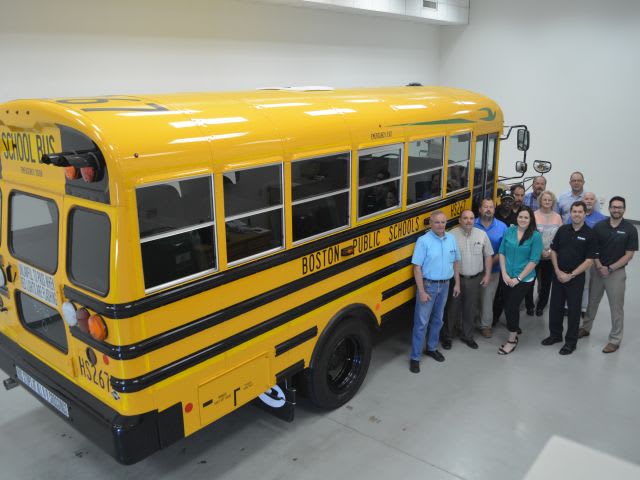
Boston Public Schools’ new Blue Bird propane buses have a shorter 169-inch wheelbase and a 50-gallon tank to accommodate shorter runs.
BOSTON — Boston Public Schools will operate 11% of its total school bus fleet on propane starting in September, officials announced last week.
The district purchased 86 Blue Bird propane autogas buses this month, and district officials said that they hope to convert more of the diesel fleet to propane buses in the future.
“These new Blue Bird Propane Visions mean many students will no longer be exposed to diesel fumes when boarding or disembarking our buses,” said Peter Crossan, fleet manager for Boston Public Schools’ transportation department.
Like many urban cities, Boston has enacted mandates for reducing tailpipe emissions. The school district, which is the city’s largest user of diesel fuel, has implemented a number of emissions-reducing initiatives in the past 15 years through its “Greening Boston Public Schools” program.
“The propane bus purchase fits with our mission to choose vehicles with the highest efficiency and the lowest environmental emissions," Crossan said.
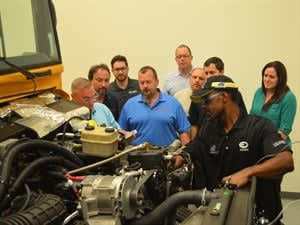
Boston’s new propane buses are powered by a Ford V10 engine and a ROUSH CleanTech propane autogas fuel system.
The new buses are powered by a Ford V10 engine and a ROUSH CleanTech propane autogas fuel system. According to Blue Bird, Boston Public Schools’ propane fleet will emit 66,000 fewer pounds of nitrogen oxide and 2,700 fewer pounds of particulate matter each year compared to the diesel buses they are replacing.
Boston Public Schools started exploring alternative fuels once the city’s outdated tunnel restrictions were lifted.
About 40% of the district’s fleet consists of 169-inch wheelbase buses. Officials said that this smaller bus size meets the district’s needs for range and hours of service, and it works well for Boston’s urban routes and special-needs applications.
“We designed and engineered a propane autogas fuel system on the short wheelbase buses to meet Boston Public Schools’ operating needs,” said Phil Horlock, president and CEO of Blue Bird.
The 169-inch wheelbase bus is designed with a 50-gallon tank to accommodate shorter runs. This new offering expands Blue Bird’s propane autogas portfolio, which also includes 70-gallon standard and 100-gallon extended-range propane tanks.
Boston Public Schools expects savings of at least $1 per gallon on fuel and lower maintenance costs due to the cleaner burning properties of propane autogas, officials said.
To fuel the buses, the district has contracted with a company that performs on-site propane autogas fleet fueling services.
“We want other school districts to know that on-site infrastructure isn’t the only option when introducing propane autogas into their fleet,” Crossan said.
Boston Public Schools will take delivery of the buses in June.
More Alternative Fuels
Alt-Fuel Moves: Electric Bus Rollouts, Bidirectional Charging & Propane Growth
See which fleets are adding electric and propane school buses as districts and operators invest in charging infrastructure, bidirectional technology, and alternative-fuel expansion.
Read More →
Nobody Told Diesel Prices They Were Supposed to Come Down
With diesel prices surging, school bus fleets have new reason to stress-test fuel costs, consider diversification, and calculate what each route really costs to operate.
Read More →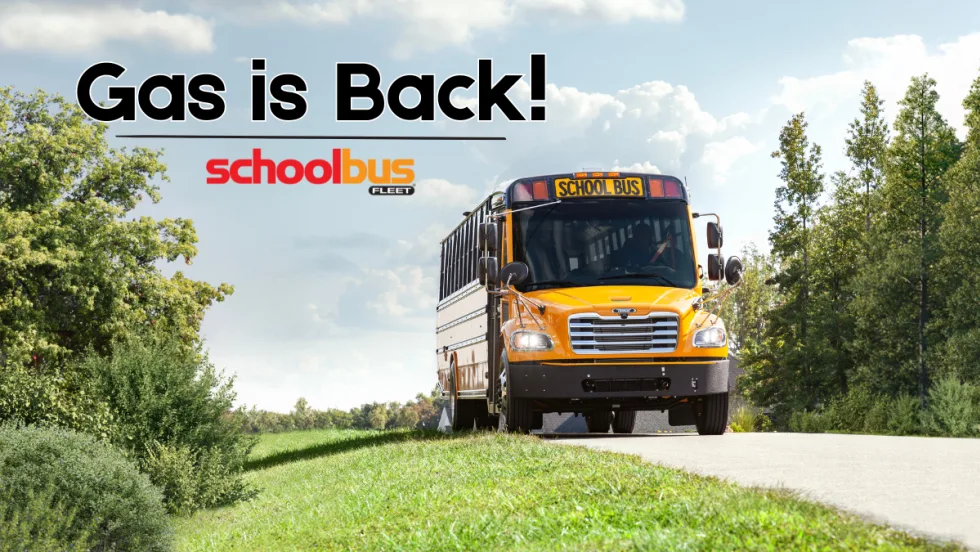
Why Gasoline School Buses Are Making a Comeback
Gasoline is gaining ground in full-size school buses. See how today’s options stack up against diesel on cost, maintenance, emissions, performance, and more.
Read More →
EPA Opens $180M DERA Funding Round for Diesel Upgrades
The 2026 Diesel Emissions Reduction Act program seeks applications from eligible organizations to accelerate the retirement of legacy diesel vehicles.
Read More →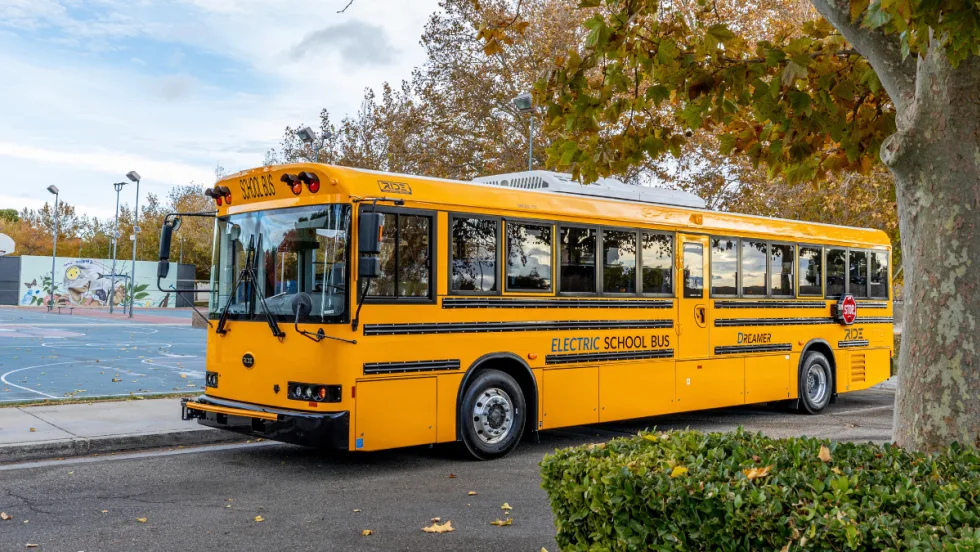
The Secret Life of an Electric School Bus Battery
Batteries change throughout years of daily routes, but degradation doesn’t necessarily mean the end. Here’s what operators should know about performance, safety, and second life.
Read More →
CALSTART and Forth Combine to Form Catalyst Mobility
The new name represents a renewed vision for the nonprofit focused on advancing clean, equitable, and affordable transportation solutions that move people and goods.
Read More →
Alt-Fuel Moves: New Buses, Charging Hubs & Real-World EV Testing
Propane and electric school bus deployments continue to grow as districts add new vehicles, expand charging infrastructure, and gather more real-world operating data.
Read More →
Fewer Electric School Bus Models Reshape the U.S. Market
WRI’s latest buyer’s guide points to a consolidating electric school bus market, but fewer options may reflect a maturing industry rather than fewer meaningful choices for school bus operators.
Read More →
The Fuel Budget You Can Actually Predict: How Propane Autogas Keeps Money in the Classroom
Learn how propane autogas helps school districts manage fuel costs with predictable pricing, lower maintenance, and reduced emissions from former transportation director Joel Stutheit.
Read More →
Hendrickson, Driventic Introduce New Electric Powertrain for School Buses
ELECTRAAX, the electrified, lightweight drive axle offers integrated ePowertrain efficiency and modular flexibility for Class 6–7 school bus use.
Read More →