




Communication Systems Upgrades Boost Efficiency, Expand Capabilities
An app that combines smartphone capabilities with radio systems and school radio systems that connect with public safety radio systems are among the offerings designed to expedite and expand school transportation communications.
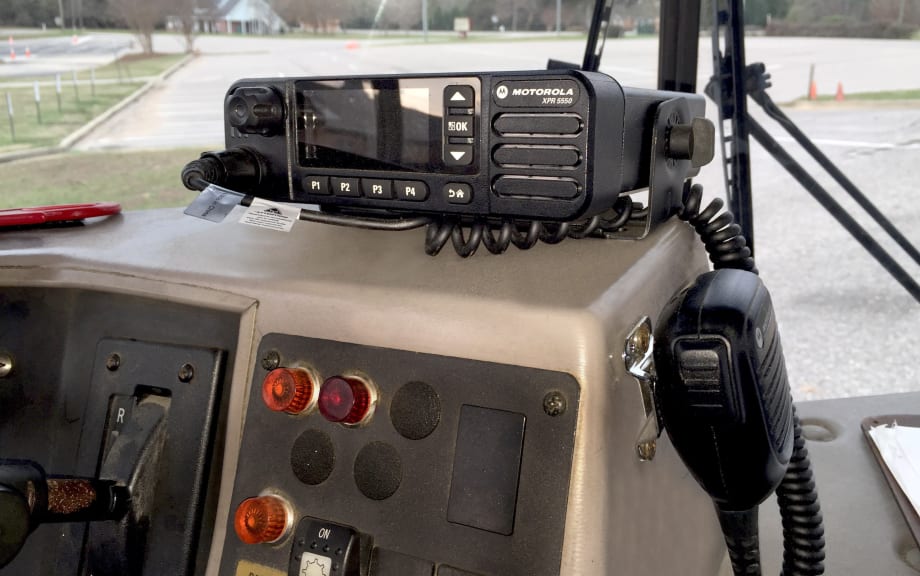
The XPR 5000 mobile radio from Motorola Solutions features a full-color display, integrated GPS, and embedded Bluetooth audio.
The XPR 5000 mobile radio from Motorola Solutions features a full-color display, integrated GPS, and embedded Bluetooth audio.
Most of the world relies heavily on digital technology, and communication service providers are no exception. Companies like Motorola Solutions and AT&T have updated their devices and systems, as well as created new solutions, to fit the needs of school transportation markets.
Motorola Solutions
Motorola Solutions remains active in providing communication capabilities for the school transportation market with its XPR 7000e series, the company’s latest line of digital two-way radios.
The features for the series include integrated Wi-Fi, indoor location tracking, and enhanced audio quality, all of which are improvements over its predecessor series, the XPR 7000.
In addition to releasing its new line of radios, the company has also continued to look at and respond to trends in the industry with new services and solutions.
According to Randy Helm, director of product management for Motorola Americas commercial market, education and school communications systems are prioritizing improvement of overall communications for the systems they are currently using (e.g., rugged devices and smartphones), and improving coordination and efficiency in a way that is similar to other transportation markets.
Additionally, Motorola Solutions has teamed up with SchoolSAFE Communications to offer a solution to meet the need of school transportation providers for a device that can reach out to first responders, Helm says. SchoolSAFE Communications offers digital signaling that creates interoperability between school radio systems and public safety radio systems.
The companies have released a mobile radio that is also tied to first responders. “When there is an emergency event, not only are you able to be talking to leadership in the school campus, but you’re also able to talk to the first responder that may be arriving at a scene,” Helm adds.
Motorola Solutions donated roughly 250 phones that were equipped with the SchoolSAFE solution to 10 Ohio schools in 2014, according to the company.
Training is an essential element in the deployment of the radios with SchoolSAFE solutions, Helm notes.
Motorola Solutions has also created an app called the WAVE Mobile Communicator PTT, which allows for communication between a smart device and a network of radios. “Think of it as the ability to join the land mobile radio network that a school district is employing to the external, outside of coverage, smartphone environment,” Helm says.
The app is utilized through the implementation of servers that are combined with equipment from a radio network. There are two WAVE servers available for use with the app: the WAVE 3000, which can support 500 users, and the WAVE 5000, which supports 3,000 users. WAVE also has GPS tracking capabilities, and it can be downloaded on any smartphone, tablet, or PC.
The app follows another significant trend in the transportation industry, Helm says: the ability to combine smartphone capabilities with radio systems.
Integrating instant group communications with data elements and data capabilities is a feature that Motorola Solutions has noticed is becoming a necessity when providing radios and the ability to walkie-talkie, Helm says.
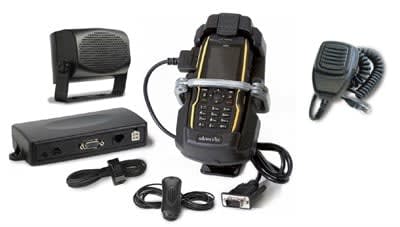
AT&T offers Enhanced Push-to-Talk accessories that include a rugged device that can be mounted and locked, a speaker box, a hand mic, and a foot pedal.
AT&T
AT&T is constantly looking for ways to create a better user experience, says Igor Glubochansky, AT&T’s executive director of mobility product management. One way the company plans to do this is by improving simplicity and ease of use in the features it offers.
The company has also remained active in releasing new solutions for the school transportation market. With AT&T Enhanced Push-to-Talk (EPTT), there are no private radio networks to build or bulky radios to buy and program. Unlike two-way radios, push-to-talk devices can run applications for location tracking, dispatch, messaging, and more.
One of EPTT’s more recent features is AT&T Dynamic Traffic Management. Introduced in January, AT&T Dynamic Traffic Management enables prioritized call treatment for users on its push-to-talk system, Glubochansky says.
When there is communication congestion on a network and communication is critical, AT&T Dynamic Traffic Management will allow a customer to prioritize their PTT communications over the network data traffic.
Meanwhile, AT&T Mobile Device Management allows an organization to manage the mobile devices of an entire fleet. Unlike two-way radios, Enhanced PTT devices and PTT contact lists can be updated over the air. Adminstrators can distribute and update applications to user groups and remotely wipe missing or stolen smartphones.
The company also plans to launch a new feature that automatically adds and updates personnel on a push-to-talk contact list.
“If you have 50 buses and 30 employees, you don’t want to spend hours and hours thinking about what group lists to create and how to populate them,” Glubochansky says.
Rugged devices that AT&T utilizes in school transportation markets include the purpose-built Sonim XP5 and Kyocera Dura XE, and rugged smartphones Sonim XP6, XP7, and Kyocera Duraforce, all of which were launched last year, he adds.
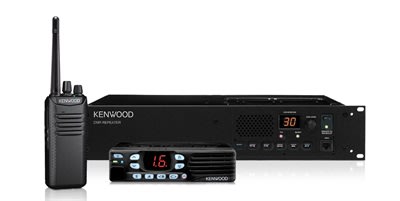
JVCKENWOOD’s DMR digital repeaters feature the ability to accommodate up to 100 groups. The repeaters can also operate in DMR digital and FM analogue mode on the same channel.
JVCKENWOOD
JVCKENWOOD USA Corp. released the Nexedge Gen2, an upgraded version of KENWOOD’s previous multi-site digital trunked network system (a two-way radio system that lets a large group of users share a few radio frequency channels).
The NEXEDGE Gen2 is a good fit for school districts because it now offers a more efficient way to manage data messaging as well as featuring the ability to manage GPS traffic, according to the company. These features were made available as a result of increased capacity and updates, which has given school bus operators a more effective tool to manage their fleets, according to John North, vice president of sales/enterprise systems at JVCKENWOOD USA Corp.
The NEXEDGE Gen2 can now connect to 1,000 sites, a significant upgrade from the previous system’s 48.
“Gen2 is built on an IP platform, greatly increasing scalability. So, as your fleet grows, Gen2 can grow with it,” North says.
North also points to the importance of DMR, which is an open digital mobile radio standard. It provides a method to increase the number of users on a single radio frequency channel, which is important for districts that need to expand their school bus fleet and want to create more channels.
In terms of trends, KENWOOD has noticed that schools have started to gravitate more toward data applications in buses and facilities, according to North.
“School systems use third-party applications to scan and time stamp IDs and transmit the information back to the school or data center,” North says. “School districts also use the two-way radio system to have their drivers clock in and out, which is a more efficient method to log when drivers are on the job and when they sign off.”
More Management
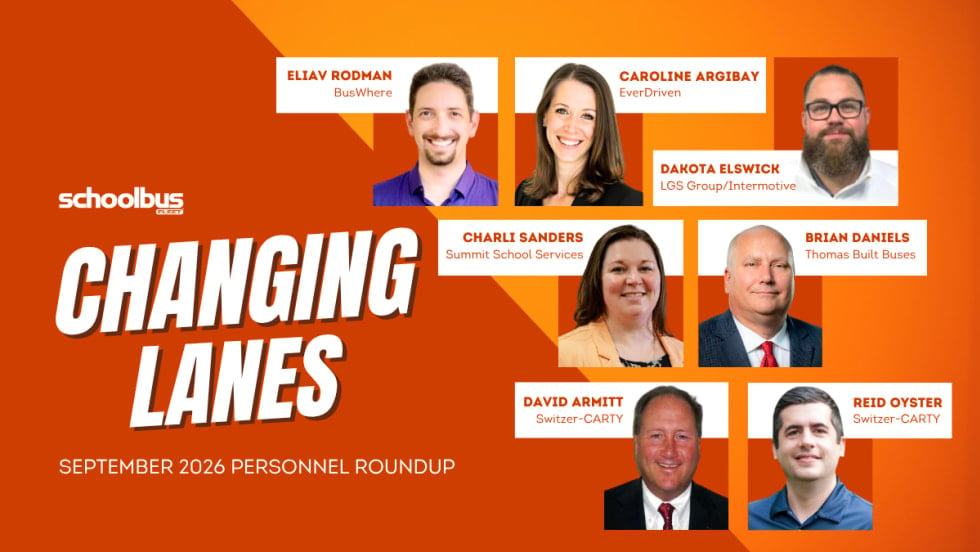
Changing Lanes: BusWhere, EverDriven, InterMotive, Summit School Services, Switzer-Carty & Thomas Built Buses
Check out who's been hired, promoted, and appointed to leadership positions at various school transportation suppliers, contractors, and manufacturers.
Read More →
The Most Expensive Thing You Do Before Selling a School Bus: Wait
When should you sell an aging school bus? Learn how maintenance, mileage, corrosion, specifications, and timing can affect resale value long before the auction.
Read More →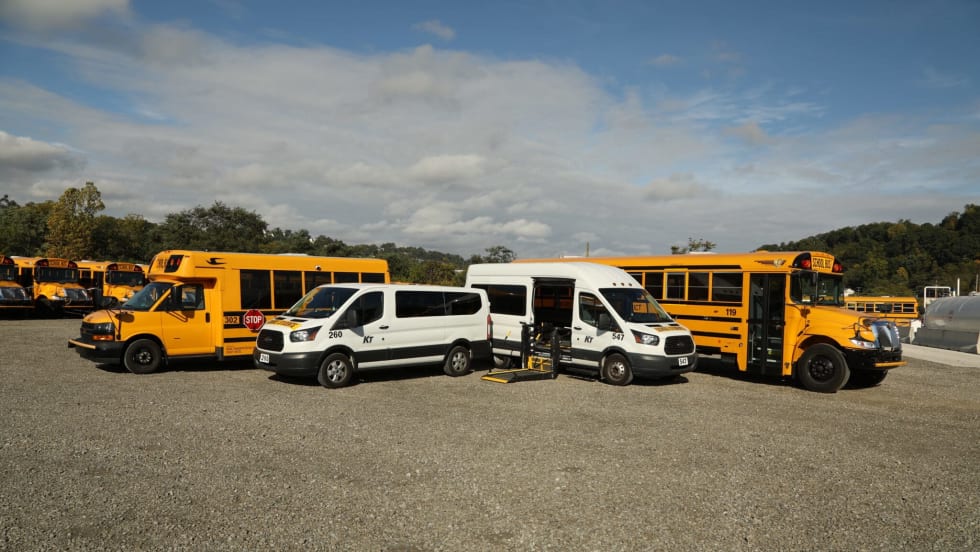
American Student Transportation Partners Acquires AJ Myers and Sons
A new deal brings a 75-year Pennsylvania student transportation provider into one of the nation’s largest private school bus contracting groups.
Read More →
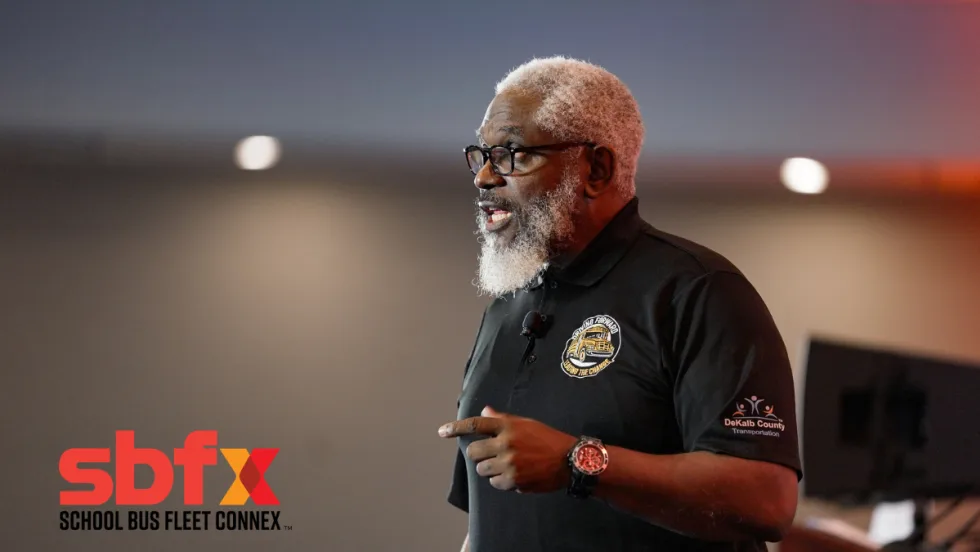
What I Brought Home From SBFX: Relationships, Leadership, and Preparing What's Next
Who could lead your transportation operation tomorrow if you couldn't? Bernando Brown explores succession planning, mentorship, and preparing emerging leaders to step up.
Read More →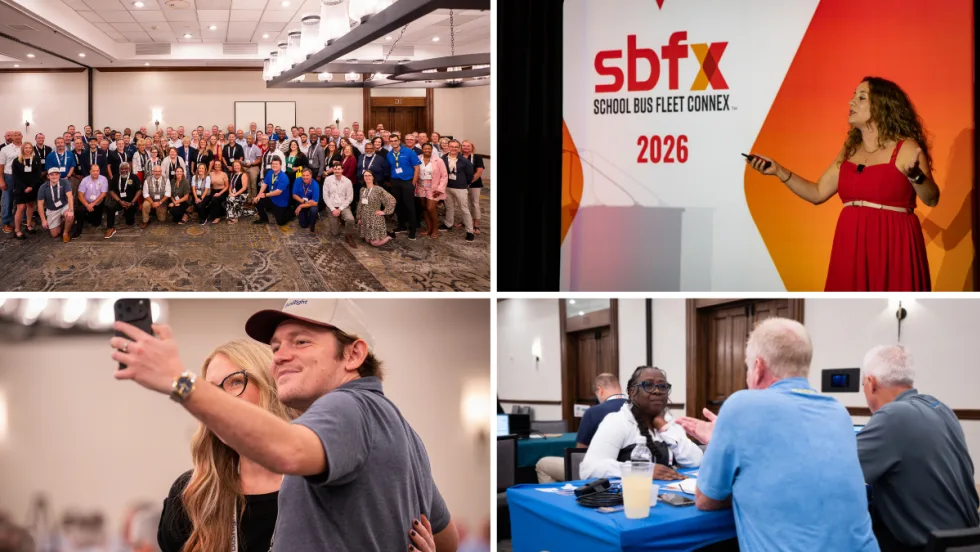
Inside School Bus Fleet ConneX 2026: Industry Leaders Connect in Scottsdale [Photos]
See highlights from SBFX 2026 in Arizona, where school bus operators and suppliers gathered for meetings, education, networking, awards, and more.
Read More →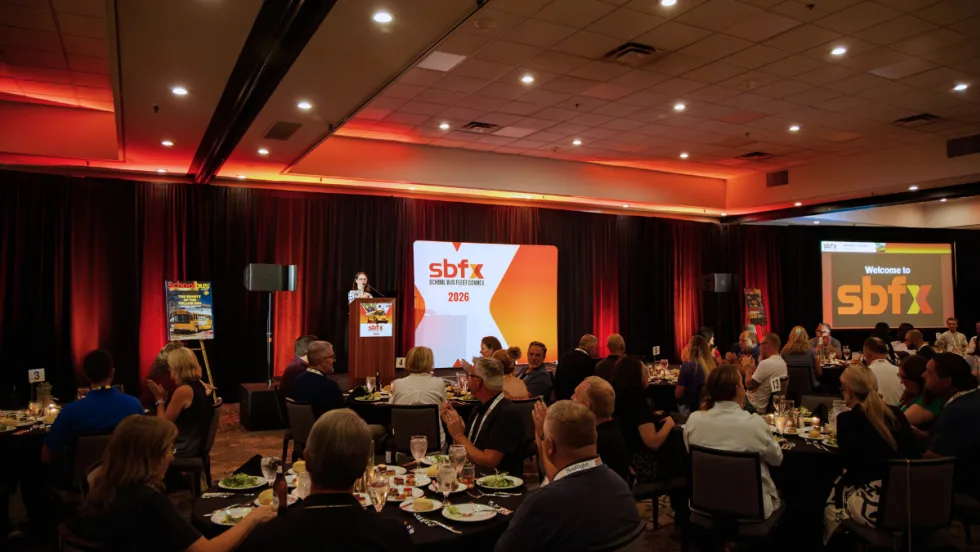
School Transportation’s Biggest Pressures and Opportunities: SBFX Attendees Weigh In
School bus operators point to rising costs, staffing, and vehicle prices as immediate pressures while identifying technology, training, and routing as opportunities for growth.
Read More →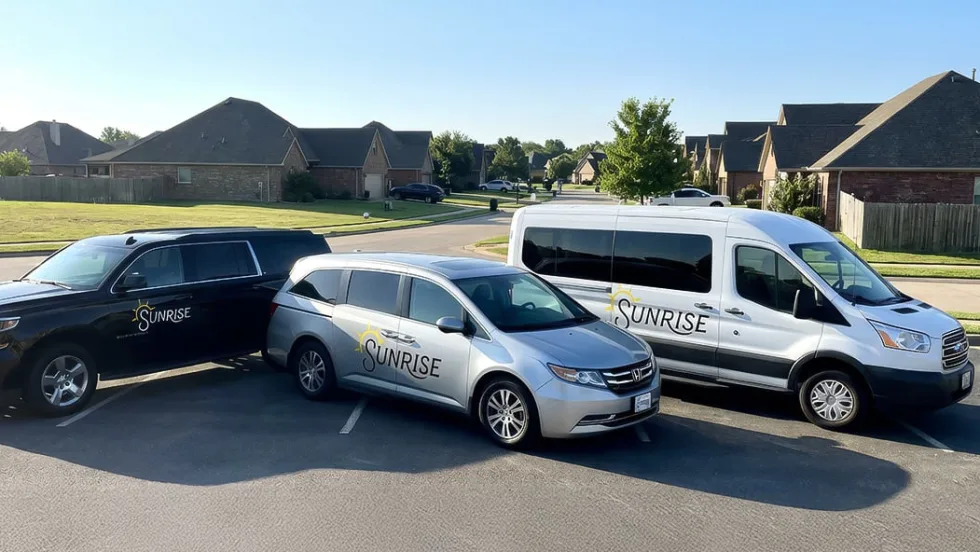
STA Acquires Sunrise Transportation
Student Transportation of America expands in Illinois and Connecticut through Sunrise's fleet of nearly 1,000 vehicles.
Read More →
EPA Opens $180M DERA Funding Round for Diesel Upgrades
The 2026 Diesel Emissions Reduction Act program seeks applications from eligible organizations to accelerate the retirement of legacy diesel vehicles.
Read More →
HopSkipDrive’s CareEngine Targets the ‘Exceptions’ in Student Transportation
The new platform works alongside districts’ existing transportation management systems to coordinate specialized rides, automate last-minute changes, and turn ride data into operational improvements.
Read More →
The Right Ride for Every Student: Navigating the New Student Transportation Ecosystem
How should districts blend school buses with small-vehicle transportation and other options? EverDriven CEO Mitch Bowling discusses safety, costs, partnerships, and strategy.
Read More →