




6 Tips for a Smooth School Start
Planning and practice can prevent transportation troubles on the first day of school. Bus prep, dry runs and parent contact are some of the key steps for a successful start.
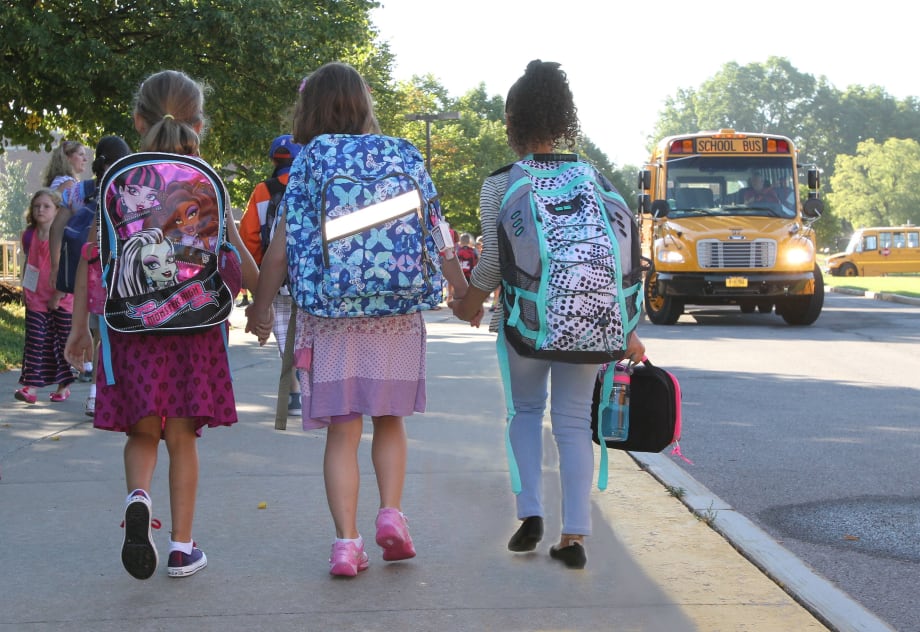
Photo by Scott Goble
Throughout my school transportation career, I have heard numerous people say, “You know the first two weeks of school is always a mess.”
My reply to that negative thought is, “It doesn’t have to be.” There are several steps that you as a transportation director or contract manager can take to ensure that you keep your job and that your school bus operation hits the ground running with a great first day of school.
Essentially, the strategy is the same as what it takes to get to Carnegie Hall or the major leagues: practice, practice, practice. To expound on that idea, here are six tips to follow for a smooth school start.
1. Conduct dry runs
Make sure that your school bus drivers get their routes in ample time to do a sufficient dry run. The dry run should be done in a bus similar to their regularly assigned route bus, at approximately the same time as their morning/afternoon route would be run.
The addresses for all bus stops should be identified so there won’t be buses driving around in circles looking for a stop on the first day of school. Drivers often think they know the routes, but there might be unexpected changes. In urban areas, two-way streets have been known to convert to one-way streets. In urban, suburban and country areas, road repairs cause detours. Trees and bushes may need attention, etc. Routing software has been known to direct a bus to turn into a brick wall.
A dry run will sort out all of these issues that can destroy a route on the first day. There should be no exceptions — dry runs should not be optional. Transportation managers should use GPS (if available) to verify that the routes were run in their entirety.
This tip may sound basic, and it is. But you would not believe the number of transportation managers who do not require this exercise to ensure a better first day of school.
The school district and the community should appreciate seeing the school bus drivers out practicing their routes.
2. Inform parents
Many first-day calls to the transportation office originate because parents or guardians of kindergarten/pre-K students just do not know the routine. School bus drivers should get contact lists for first-time riders, primarily kindergarten and pre-K students, and talk to their parents or guardians on the phone.
These parents and guardians should be informed of the school bus identification information and the time and location of their child’s bus stop. If possible, transportation staff members should be available at school open houses to spread important transportation information.
3. Prep the buses
School bus preparation is an important step toward a smooth school start. You should begin the new school year with clean, fueled, well-maintained buses.
Most school bus operations have an entire summer to prepare buses. Be sure to address the following items, among others:
• Repair or replace bus seats.
• Tires should be within required margins.
• Check crossing arms, stop arms, cameras, air-conditioning systems, GPS and all lights.
• Wheelchair lifts should be working according to spec.
In other words, all components and equipment should be confirmed to be functioning properly. Don’t skimp on anything.
4. Cold-start the fleet
Another way to ensure that your yellow buses will be ready to go on the first day is to conduct a cold-start exercise. This means starting up the entire school bus fleet the day before school begins.
You don’t want any of your drivers to have a bus that doesn’t start on the first day, leaving them frustrated and in need of a spare bus.
Maybe you already do cold starts on very cold winter days. Consider also doing a cold start at the end of the summer, the day before the school year begins.
"A dry run will sort out all of these issues that can destroy a route on the first day."
5. Send staff to schools
Make sure that transportation staff members are at schools during the first few days to check in buses. Drivers of any buses that arrive late should be asked why they are running late. It’s important to determine what happened. (Let’s hope it’s not that they got lost because they didn’t do a dry run — see step 1.) Some drivers may say that they didn’t have enough time for their route. In that case, you may need to tweak the route.
6. Consider a dress rehearsal
Another way to prepare for the first day of school is to conduct a dress rehearsal. If you choose to do this exercise, you can avoid some of the dry run and cold start steps.
As a school bus contractor, I required drivers to start a couple of days early. They would check in at the regular time in the morning, do a pre-trip inspection of their bus, leave base, make all of their stops and go to school. Times here are important because they will mirror the first day, when there will be passengers on board. A lot can be learned by doing a dress rehearsal.
I have only met one other transportation manager who did a dress rehearsal like this. He called it a mock school day. This manager knew how to make life easier for everyone at the start of school.
Surprise those who expect disaster
Next time you experience or hear of a messy start of school, think about the preparation that the operation went through. There is a high probability that management did not take sufficient steps to get the transportation team ready.
Some managers tend to let issues “work themselves out.” What that really means is all-around pain for days or weeks.
Don’t let the kinks “work themselves out” over the first couple of weeks. You owe it to the students you transport to make sure your staff is prepared to get it right on the first day of school.
When your operation does get it right on the first day, you will have a very happy transportation staff, you will be a hero to your passengers’ parents, and the school district will be very appreciative that they didn’t get a flood of calls about poor school bus service.
Perhaps most people expect a transportation disaster on the first day of school. Give them the surprise of their lives. Get it right the first time.
Mike Guzaldo has 15 years of experience in pupil transportation. He has served as a senior contract manager for First Student, a regional manager for Illinois Central School Bus and a transportation manager for an Indiana school district.
More Management

How to Build a Better Driver Training Program
Ready to boost up your school bus instructor training? Here’s how to pick the right talent and improve recruitment, retention, and safety.
Read More →
CALSTART and Forth Combine to Form Catalyst Mobility
The new name represents a renewed vision for the nonprofit focused on advancing clean, equitable, and affordable transportation solutions that move people and goods.
Read More →
What Makes a Great School Bus Driver Trainer?
Choosing the right school bus driver trainer takes more than experience. Learn six keys to selecting and developing trainers and evaluating program effectiveness.
Read More →


School Bus Contractors Expand Through New Deals, Acquisitions & Partnerships
STA's Canadian division acquires Ontario-based G&L Stevenson Transport while Durham School Services adds a new district contract in California, First Student adds a New Jersey contract, and Minnesota Coaches acquires Halo Transportation.
Read More →
Logan Bus Company Rolls Out AI Phone System for NYC School Bus Families
A summer pilot found that AI agents could handle most routine calls, freeing up time for customer service staff to focus on emergencies and complex family concerns.
Read More →
From Intent to Impact: What I Learned About Leadership from TAPT
A Texas transportation supervisor shares lessons on self-awareness, accountability, managing stress and building trust — and why investing in leadership development matters at every stage of your career.
Read More →
NAPT Names 2026 Award Recipients, Hall of Fame Inductee
Who earned national recognition for their work in student transportation? This year, NAPT named five recipients of its 2026 awards for service, safety, and leadership, plus its newest Hall of Famer.
Read More →
2026 State of Student Transportation Report
Driver shortages. Rising costs. Growing safety expectations. More data, but not enough time to act on it. The 2026 State of Student Transportation Report reveals what transportation leaders say is putting the most pressure on their operations—and where they’re investing next. See how your priorities compare.
Read More →
How to De-Escalate an Angry Person: 5 Steps for Handling Workplace Conflict
What makes emotions run high, and how should you handle an angry colleague or parent? Follow these steps for staying calm, listening, showing empathy, and resolving conflict.
Read More →
What Readiness Looks Like This School Year
Learn about the challenges shaping the 2026–2027 school year, from persistent driver shortages and budget pressure to technology and readiness gaps. See how school districts are responding and adapting in Zonar’s 2026 Back-to-School Readiness Report.
Read More →