




Room for more growth in alt-fuels
In the past two years, alternative-fuel school bus sales more than doubled, and the options for alternative-fuel school buses have multiplied.

James Blue is general manager of School Bus Fleet.
Just under 6%.
That’s the proportion of total school buses sold last year that were alternative-fuel models, according to our research. In other words, 2,166 of the 37,663 school buses (5.8%) sold in the U.S. and Canada in 2014 were powered by an alternative fuel.
Being fairly new to the school bus industry, I must say that I was surprised by how low that percentage was. I expected to see a much wider adoption of alternative fuels in pupil transportation.
Still, after looking back at our sales data from the past couple of years, it’s clear that there has been substantial growth in the green school bus market recently.
In the 2012 sales year, there were 807 alternative-fuel school buses sold, which was 2.5% of the total school bus sales. So in the past two years, alternative-fuel school bus sales more than doubled.
The most popular alternative fuel in the school bus industry at this point is propane. In 2014, there were 1,820 propane school buses sold, accounting for 84% of the alt-fuel model sales. The other 16% were compressed natural gas (CNG) school buses, with 346 units sold.
The market seems primed for more growth. In the past few years, the options for alternative-fuel school buses have multiplied. The large and small school bus manufacturers now offer more than a dozen models that are powered by propane, CNG or electricity.
We’ve heard about the benefits of alt-fuel buses from many school districts and contractors that are operating them: reduced fuel and maintenance costs, lower emissions, a quieter ride, positive publicity in the community, etc. But there are other factors to be considered before making a switch to alternative fuels.
At our new School Bus eXchange event in April, I got a chance to sit and talk with the two dozen school bus operators in attendance. We discussed a variety of topics, including alternative fuels.
Some of the attendees are already running alt-fuel buses. Among those who aren’t, there were some common concerns — primarily the fueling infrastructure involved and the higher purchase price of the buses compared to diesel or gasoline models.
To that end, Nicole Schlosser’s article takes an in-depth look at the cost considerations involved in alternative-fuel school buses and the results that several operations are seeing with them.
There’s certainly great room for growth in the alt-fuel space for the school bus industry, but the bottom line is that each operation needs to look into the various factors involved — fuel availability and pricing in their area, availability of grants and tax incentives, training needs, etc. — in order to figure out what their best fuel choice will be.
I encourage you to do the research on alternative-fuel school buses. Check them out at the National Association for Pupil Transportation trade show or your state conference. Talk to the school bus OEMs and your local dealers. Better still, talk to a colleague who is already operating alt-fuel buses.
Gather as much information as you can, assess your operation’s needs, run the numbers and try to determine whether alternative fuels will pay off for your operation in the long run.
More Alternative Fuels
Bipartisan Bill Seeks to Extend Clean School Bus Program Through 2031
The proposed legislation would renew federal support for cleaner school buses as districts navigate funding uncertainty, rising fuel and infrastructure costs, and fleet replacement needs.
Read More →
Alt-Fuel Moves: Electric Bus Rollouts, Bidirectional Charging & Propane Growth
See which fleets are adding electric and propane school buses as districts and operators invest in charging infrastructure, bidirectional technology, and alternative-fuel expansion.
Read More →
Nobody Told Diesel Prices They Were Supposed to Come Down
With diesel prices surging, school bus fleets have new reason to stress-test fuel costs, consider diversification, and calculate what each route really costs to operate.
Read More →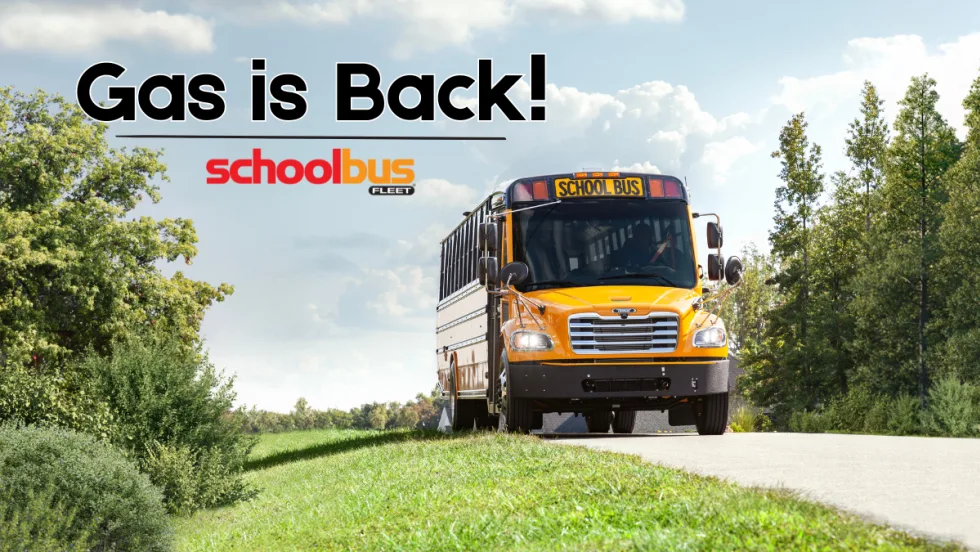
Why Gasoline School Buses Are Making a Comeback
Gasoline is gaining ground in full-size school buses. See how today’s options stack up against diesel on cost, maintenance, emissions, performance, and more.
Read More →
EPA Opens $180M DERA Funding Round for Diesel Upgrades
The 2026 Diesel Emissions Reduction Act program seeks applications from eligible organizations to accelerate the retirement of legacy diesel vehicles.
Read More →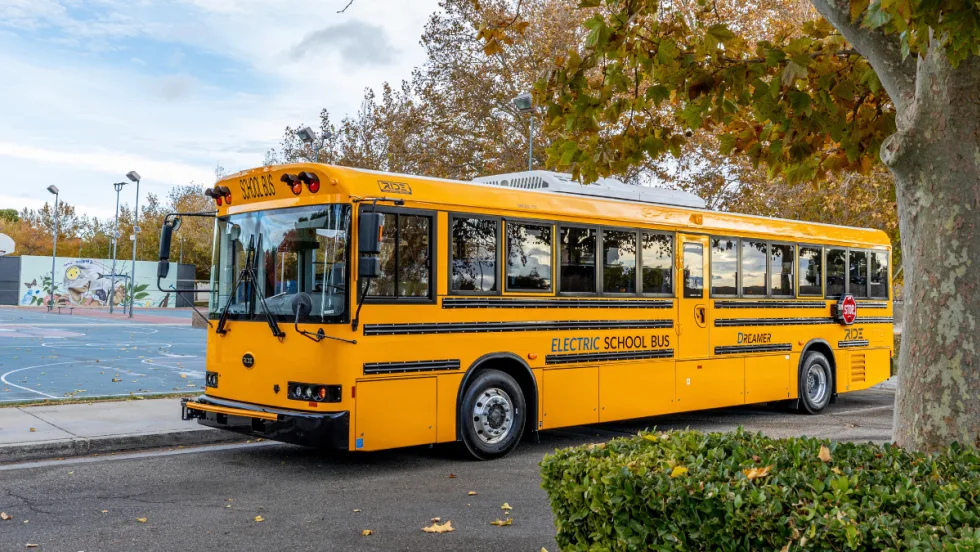
The Secret Life of an Electric School Bus Battery
Batteries change throughout years of daily routes, but degradation doesn’t necessarily mean the end. Here’s what operators should know about performance, safety, and second life.
Read More →
CALSTART and Forth Combine to Form Catalyst Mobility
The new name represents a renewed vision for the nonprofit focused on advancing clean, equitable, and affordable transportation solutions that move people and goods.
Read More →
Alt-Fuel Moves: New Buses, Charging Hubs & Real-World EV Testing
Propane and electric school bus deployments continue to grow as districts add new vehicles, expand charging infrastructure, and gather more real-world operating data.
Read More →
Fewer Electric School Bus Models Reshape the U.S. Market
WRI’s latest buyer’s guide points to a consolidating electric school bus market, but fewer options may reflect a maturing industry rather than fewer meaningful choices for school bus operators.
Read More →
The Fuel Budget You Can Actually Predict: How Propane Autogas Keeps Money in the Classroom
Learn how propane autogas helps school districts manage fuel costs with predictable pricing, lower maintenance, and reduced emissions from former transportation director Joel Stutheit.
Read More →