




Wheelchair use study discussed at NAPT Summit
Mary Ellen Buning of the University of Louisville in Kentucky spoke to attendees about the preliminary findings and data from a Rehabilitation Engineering Research Center study on wheelchair use and safety in school transportation. Bus drivers and attendants were surveyed and asked questions related to training, wheelchair securement and lap-shoulder restraints, among other topics.

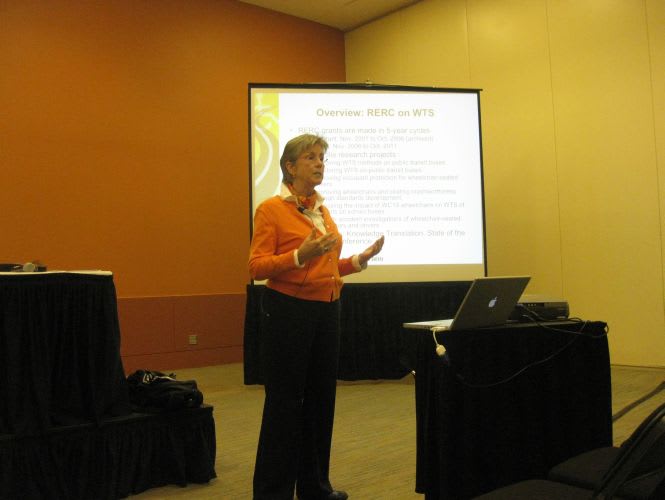
Mary Ellen Buning of the University of Louisville in Kentucky shared preliminary findings from a Rehabilitation Engineering Research Center study on wheelchair use and safety in school transportation.
CINCINNATI — During the NAPT Summit here in October, attendees learned about the preliminary results of recent research conducted by officials at the universities of Michigan, Pittsburgh and Louisville for the Rehabilitation Engineering Research Center (RERC) on Wheelchair Transportation Safety.
The project is funded by the National Institute on Disability and Rehabilitation Research, and it is being conducted to obtain accurate and objective information on the real-world experience of transporting wheelchair-seated students in school buses.
The study has focused on key issues related to driver training, the prevalence of WC19-compliant wheelchairs and ease of using wheelchair tiedown and occupant restraint systems (WTORS) to improve safety.
Mary Ellen Buning, Ph.D., OTR/L, ATP, of the University of Louisville in Kentucky, told conferees that the ultimate goal of the study is to “improve the safety of people who use wheelchairs and remain seated while using wheelchairs in vehicles.”
In the initial stages of the project, researchers contacted the National Association of State Directors of Pupil Transportation Services’ executive committee and worked with members to create a survey for the states’ pupil transportation directors to complete.
Among the respondents, Buning said that the majority had policies and procedures in their state for lift and ramp use, while almost the same percentage had policies on WTORS use. Many were aware of the specifications for a WC19-compliant wheelchair.
Researchers then sent out a survey to obtain information from current school bus drivers and attendants on their practices while transporting wheelchair-bound students.
Buning said that her and other researchers’ first impressions based on the results of this survey are that bus drivers and attendants care about their students and they are trying to do a good job in securing and transporting them, but they don’t have adequate training or advice based on evidence and best practices.
She also said that many respondents indicated that they want more training on how to handle exceptions to standard training procedures.
In terms of training, Buning told attendees that nearly all respondents reported that they have received instruction on how to secure a wheelchair in a school bus, but a small percentage reported that they have never received training.
Of the people who said they have received training, many are trained annually, but some people reported that they were only trained at the time that they were hired, and many were hired more than four years ago.
Respondents were also asked about such topics as wheelchair securement procedures, lap-shoulder restraints, types of wheelchairs they encounter while transporting special-needs students, wheelchair lift training and operation, and injuries sustained on the job that were related to transporting students in wheelchairs.
Buning said that in doing research on wheelchair securement, most respondents indicated that they use all four securement straps to anchor the wheelchair to the bus floor. However, some respondents said they have difficulty for a variety of reasons, including not having enough space to maneuver around the wheelchair, the fact that it is difficult to find the attachment points on the wheelchair or that they have difficulty tightening or seeing the straps once the wheelchair is in place.
Nearly all respondents said that they use lap-shoulder restraints to secure a student in his or her wheelchair.
To learn more about the RERC study on wheelchair transportation safety, go to www.rercwts.org. The center is also on Facebook here.
More Special Needs Transportation
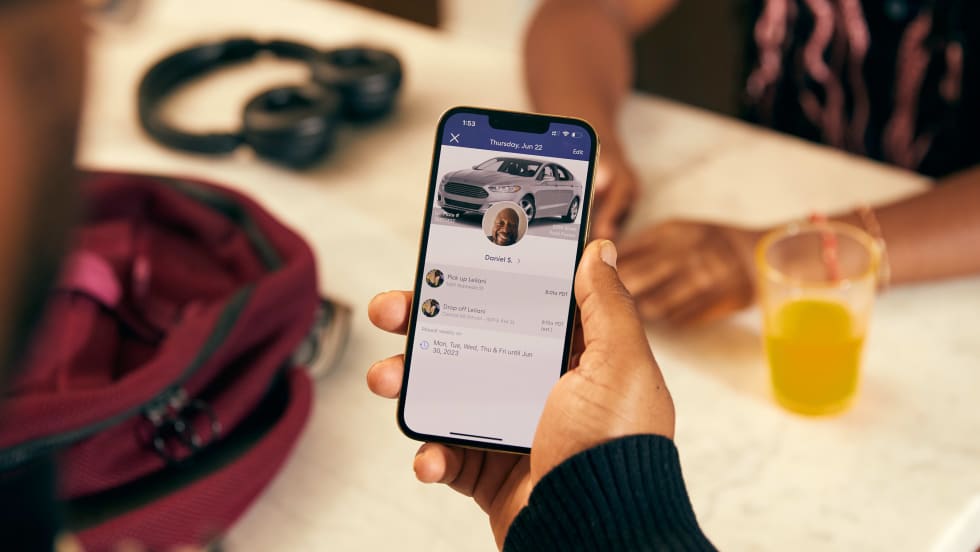
HopSkipDrive Launches New Safety, Driver Consistency Features for 2026-27 School Year
The company’s free ride recording, live ride tracking, and consistent driver assignments aim to improve safety and continuity for diverse student transportation needs.
Read More →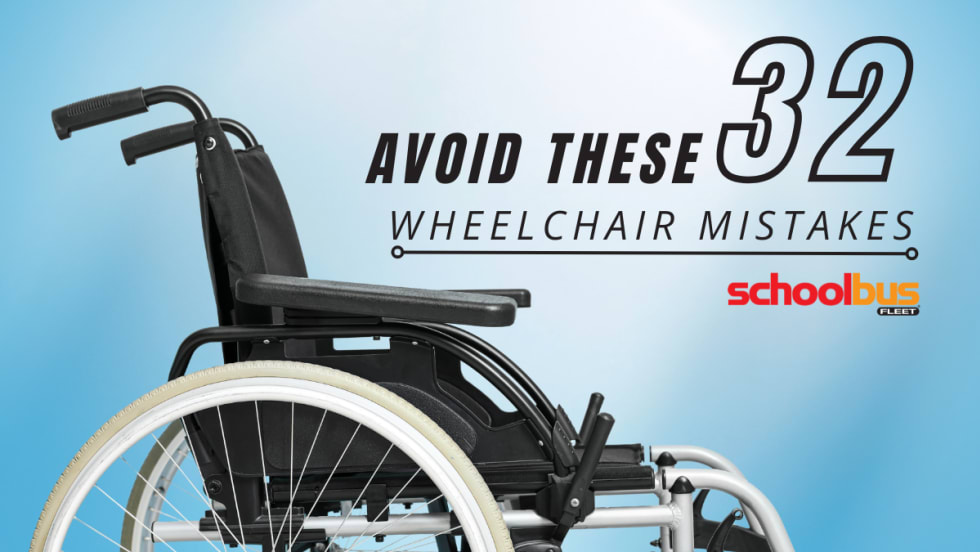
The Most Common Wheelchair Securement Mistakes on School Buses (and How to Fix Them)
Small missteps in wheelchair securement can have serious consequences. Here are 32 tips from experts to reduce risk and increase student safety on the bus.
Read More →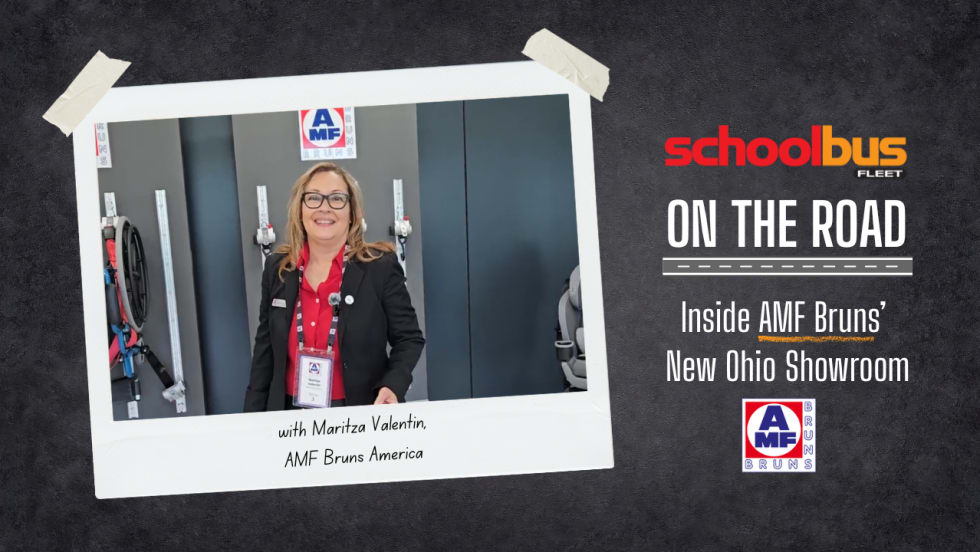
Inside AMF Bruns’ New Showroom: School Bus Securement Solutions Explained
Go inside AMF Bruns America’s new Ohio showroom with Maritza Valentin to see its FutureSafe technology, driver training tools, securement systems, and seating innovations.
Read More →
What AMF Bruns’ New Facility Means for Customers [Video]
Inside AMF Bruns’ new Stow, Ohio, operations: See how expanded space and innovation will enhance customer support and operations.
Read More →
AMF Bruns Expands in Ohio, Investing in Growth and Community
With expanded production space, local investment, and a growing workforce, AMF Bruns is scaling its U.S. presence. Here’s an exclusive first look inside the new Stow, Ohio, HQ.
Read More →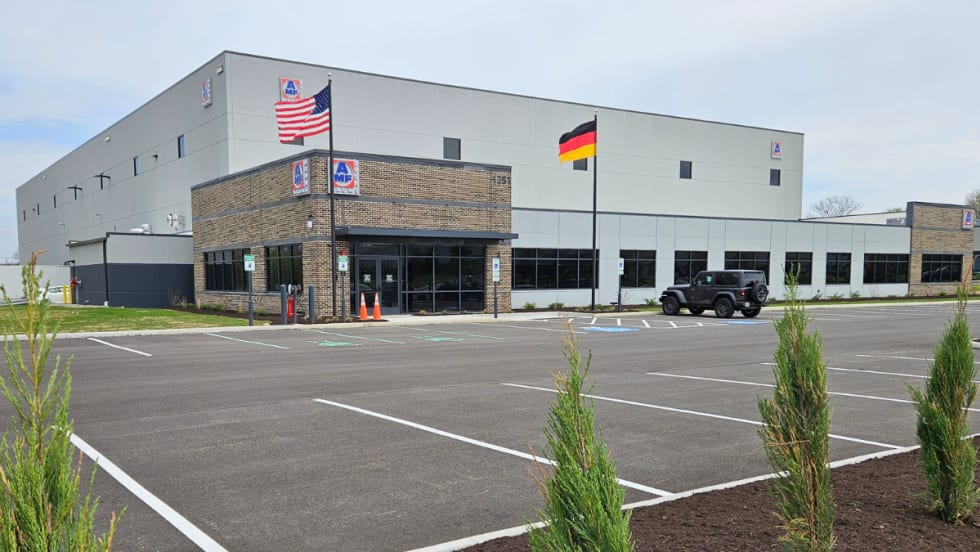
Inside AMF Bruns of America’s New Ohio Manufacturing Facility [Photos]
Take a behind-the-scenes look at AMF Bruns of America’s new 41,000-square-foot Stow, Ohio, headquarters, featuring advanced manufacturing, expanded space, and future-ready mobility solutions.
Read More →
First Student Boosts Student Support in Wichita & Texas
First Student and Wichita Public Schools are using behavioral support strategies to improve student ride experiences, while a separate initiative expands access to after-school programs through a bus donation.
Read More →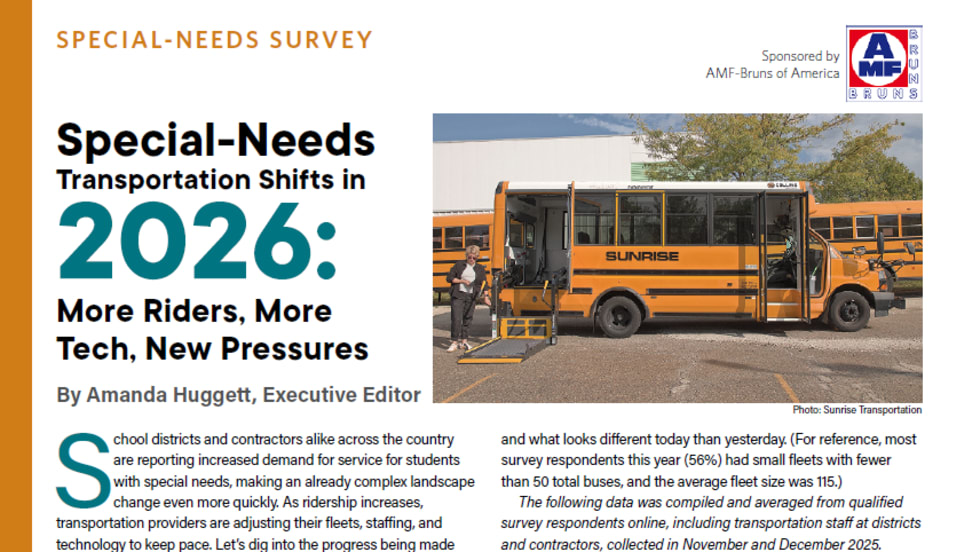
2026 Special-Needs Transportation Survey
What’s changing in special-needs transportation? This year, student transportation operators report a rising need, easing driver shortages, growing tech adoption, and evolving challenges. Sponsored by AMF Bruns of America.
Read More →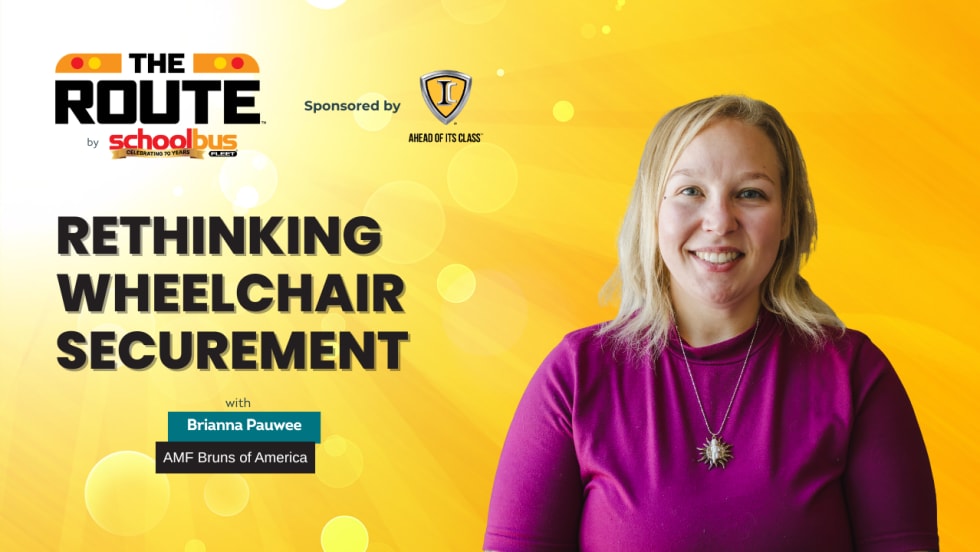
The Lived-Experience Gap in Mobility Tech: An Expert Take on Safe Student Transportation
Brianna Pauwee, a product application specialist at AMF Bruns of America and a wheelchair user, drops in to The Route to share practical securement and training insights, plus the story behind the new “Beyond Mobility” podcast. The Route is sponsored by IC Bus.
Read More →
What Transportation Gets Wrong About Wheelchair Securement (And How to Fix It)
Brianna Pauwee, product application specialist at AMF Bruns of America and a wheelchair user shares practical securement and training insights, plus why she launched the “Beyond Mobility” podcast. The Route is sponsored by IC Bus.
Read More →