




Transporting students with autism
Autism can affect behavior, speech and language development, sensorimotor skills, visual and auditory processing, and learning skills. Understanding the extent of this condition in your passengers will help in determining how they should be treated during bus rides and evacuations.

©iStockphoto.com/LindaEpstein
The earlier a family knows their child has an autism spectrum disorder (ASD), the sooner they can get help for the child. There is a new clinical report from the American Academy of Pediatrics that will help pediatricians recognize ASD in their patients earlier, and help them assess it. There is also a second report that talks about educational strategies and associated therapies for ASD.
The world of ASD is a very complicated one. Autism can affect behavior, speech and language development, sensorimotor skills, visual and auditory processing, and learning skills. This article will discuss the areas that might be affected in a child with an ASD, the effects of it and how it can impact school bus transportation and evacuations.
Signs of an autism spectrum disorder
Our brain regulates how we interpret all the information that comes to us from the environment. The information can include stimuli, such as touch, movement, sight, sound and gravity. Once the brain receives this information, it interprets the information as being too much (hypersensitive), too little (hyposensitive) or just the right amount.
Many students with an ASD will have trouble with tactile stimulation. A light touch can feel to some students like a truck is on their shoulders. Other students can have a heavy object on them and they will feel no additional weight. The child will react very differently between a light touch and a heavy touch.
Language is another area that is affected by an ASD. The child may not even babble at 1 year of age. Some children will start to develop language and then stop abruptly. Although their hearing has been checked, they still do not respond to their name. The children also will not point to things to direct people’s attention, and they will avoid eye contact and cuddling.
Children with autism may also have vestibular dysfunction. These children may be over-responsive to movement. We all know these children — the ones afraid of playground equipment, who avoid taking risks and may appear “wimpy.” These students may also be fearful of going up or down stairs or walking on uneven surfaces. The students who are under-responsive to movement are in constant motion; they could spin for hours and never appear to be dizzy. They are “thrill seekers,” always running, jumping, hopping, etc., instead of walking.
Other signs of ASD include oral input dysfunction, auditory dysfunction, olfactory dysfunction, visual input dysfunction, and social, emotional, play and self-regulation dysfunction.
[PAGEBREAK]

Impact on bus rides, evacuations
Now that we have a snapshot of ASD, here are factors to consider when transporting students with autism, and information on how it can affect the school bus ride, both during a normal route and during an evacuation.
• In regard to touch, the student may be fearful, anxious or aggressive toward a light or unexpected touch.
• Other students may crave touch. They will seek out surfaces and textures that provide strong tactile feedback. These are the students who need a firm touch when being moved or led from the bus.
• The student with poor tactile perception may be afraid of the dark and may not be able to identify which part of their body was touched by something if they were not looking. In addition, some students with autism appear fearful of standing in close proximity to other people, especially in lines.
• Students who are hypersensitive to movement will appear terrified of falling, even when there is no real risk of it. They are afraid of heights and fearful of their feet leaving the ground.
• By contrast, the students who are not hypersensitive to movement are thrill seekers and dangerous at times. As previously mentioned, they are always running, jumping or hopping instead of walking.
ASD is very complicated to understand, as is knowing how to work with children who have an ASD. You must know your students and how they match up to the scenarios outlined in this article.
It is the role of the teachers and transportation staff to work together closely so that they are aware of how to treat the students on the bus and during an evacuation.
Remember: If you have set rules that you have your students follow every day, they will be more likely to follow those directions during an evacuation.
More Special Needs Transportation

What More Than Two Million Rides Reveal About School Transit
More than two million student trips. Nearly 28million miles. Here's what that data reveals about the future of alternative student transportation.
Read More →
HopSkipDrive Launches New Safety, Driver Consistency Features for 2026-27 School Year
The company’s free ride recording, live ride tracking, and consistent driver assignments aim to improve safety and continuity for diverse student transportation needs.
Read More →
The Most Common Wheelchair Securement Mistakes on School Buses (and How to Fix Them)
Small missteps in wheelchair securement can have serious consequences. Here are 32 tips from experts to reduce risk and increase student safety on the bus.
Read More →
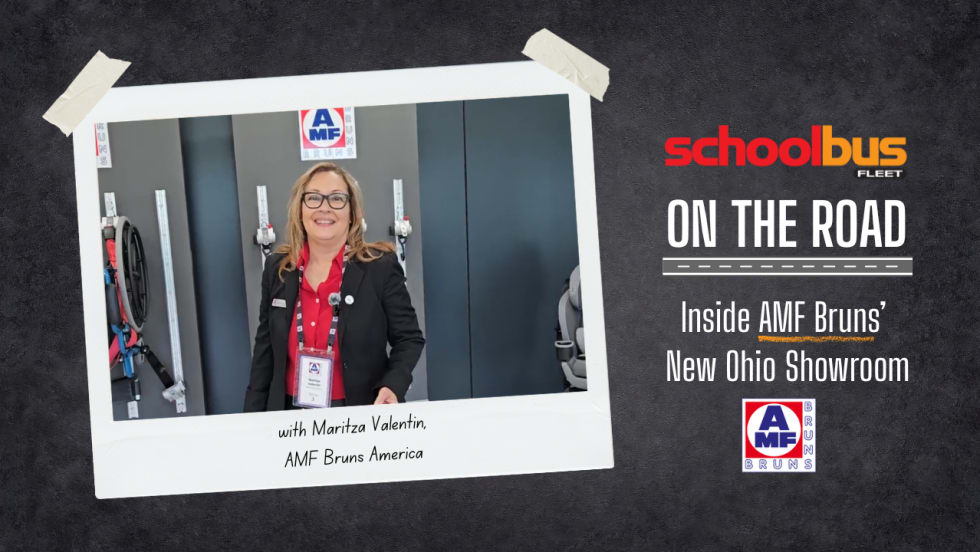
Inside AMF Bruns’ New Showroom: School Bus Securement Solutions Explained
Go inside AMF Bruns America’s new Ohio showroom with Maritza Valentin to see its FutureSafe technology, driver training tools, securement systems, and seating innovations.
Read More →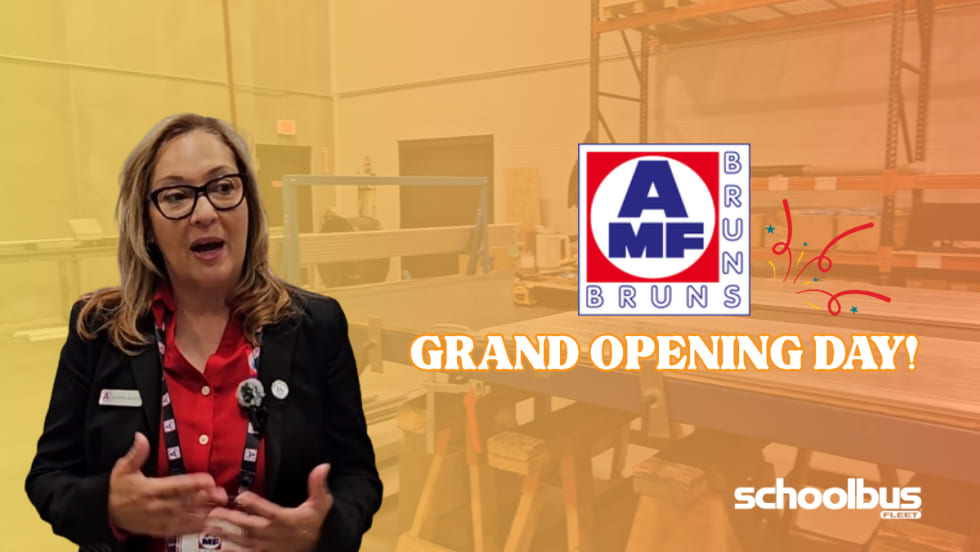
What AMF Bruns’ New Facility Means for Customers [Video]
Inside AMF Bruns’ new Stow, Ohio, operations: See how expanded space and innovation will enhance customer support and operations.
Read More →
2026 State of Student Transportation Report
Student transportation teams are being asked to do more with less, facing driver shortages, rising costs, and increasing safety expectations. This report uncovers how fleets are adapting, where technology is making the biggest impact, and why student ridership tracking is emerging as a top priority. Download the report to explore the key trends shaping 2026 and what they mean for your operation.
Read More →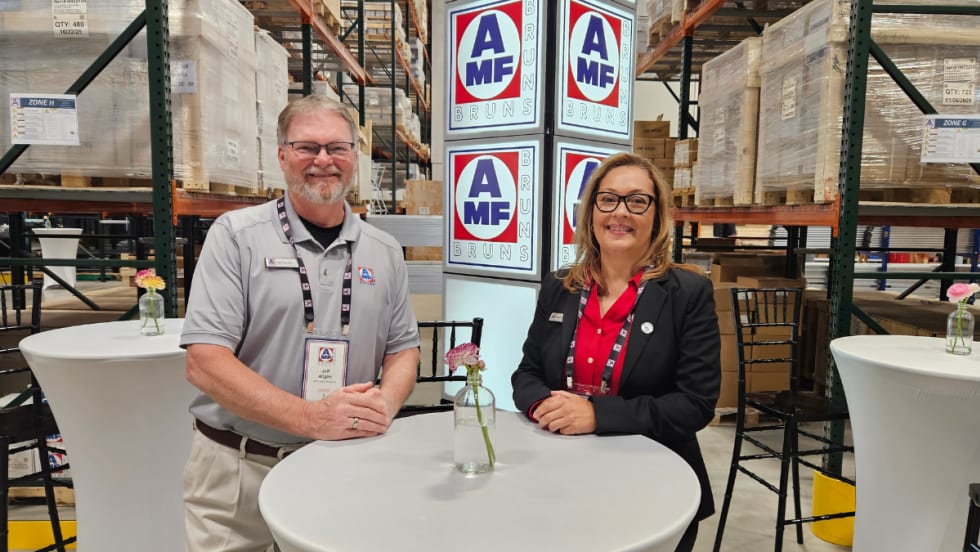
AMF Bruns Expands in Ohio, Investing in Growth and Community
With expanded production space, local investment, and a growing workforce, AMF Bruns is scaling its U.S. presence. Here’s an exclusive first look inside the new Stow, Ohio, HQ.
Read More →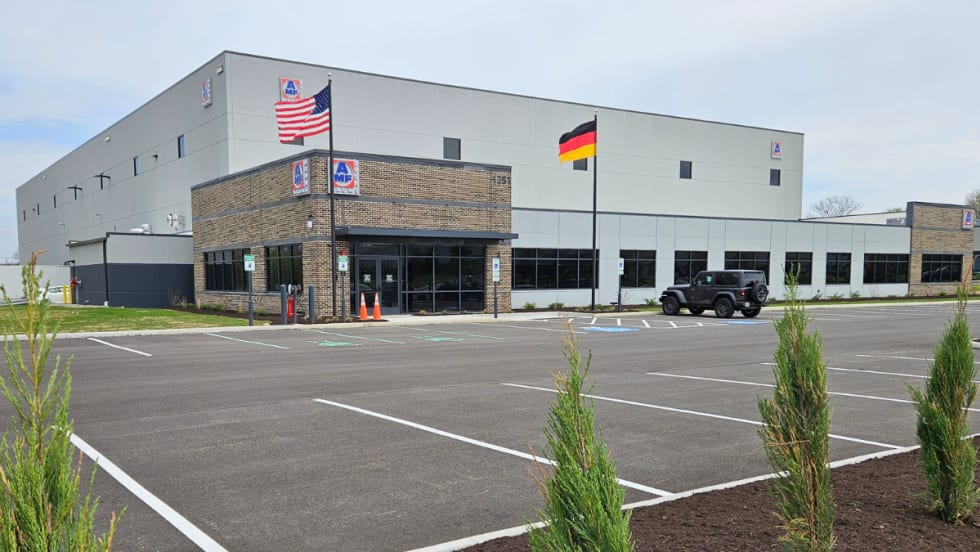
Inside AMF Bruns of America’s New Ohio Manufacturing Facility [Photos]
Take a behind-the-scenes look at AMF Bruns of America’s new 41,000-square-foot Stow, Ohio, headquarters, featuring advanced manufacturing, expanded space, and future-ready mobility solutions.
Read More →
First Student Boosts Student Support in Wichita & Texas
First Student and Wichita Public Schools are using behavioral support strategies to improve student ride experiences, while a separate initiative expands access to after-school programs through a bus donation.
Read More →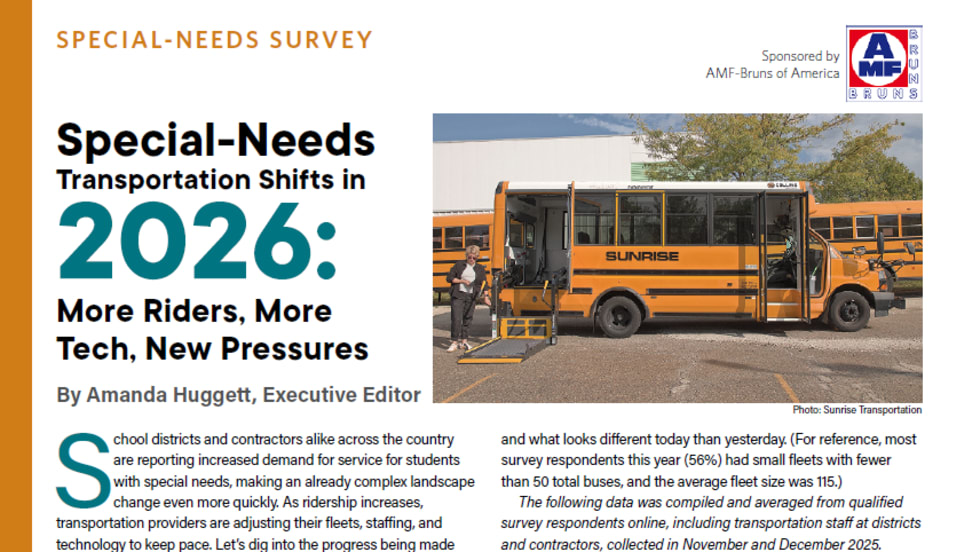
2026 Special-Needs Transportation Survey
What’s changing in special-needs transportation? This year, student transportation operators report a rising need, easing driver shortages, growing tech adoption, and evolving challenges. Sponsored by AMF Bruns of America.
Read More →