




Specific Special-Needs Evacuations: OI
Students with osteogenesis imperfecta have bones that break easily. In spite of the urgency of a school bus evacuation, these passengers must be moved slowly and carefully.
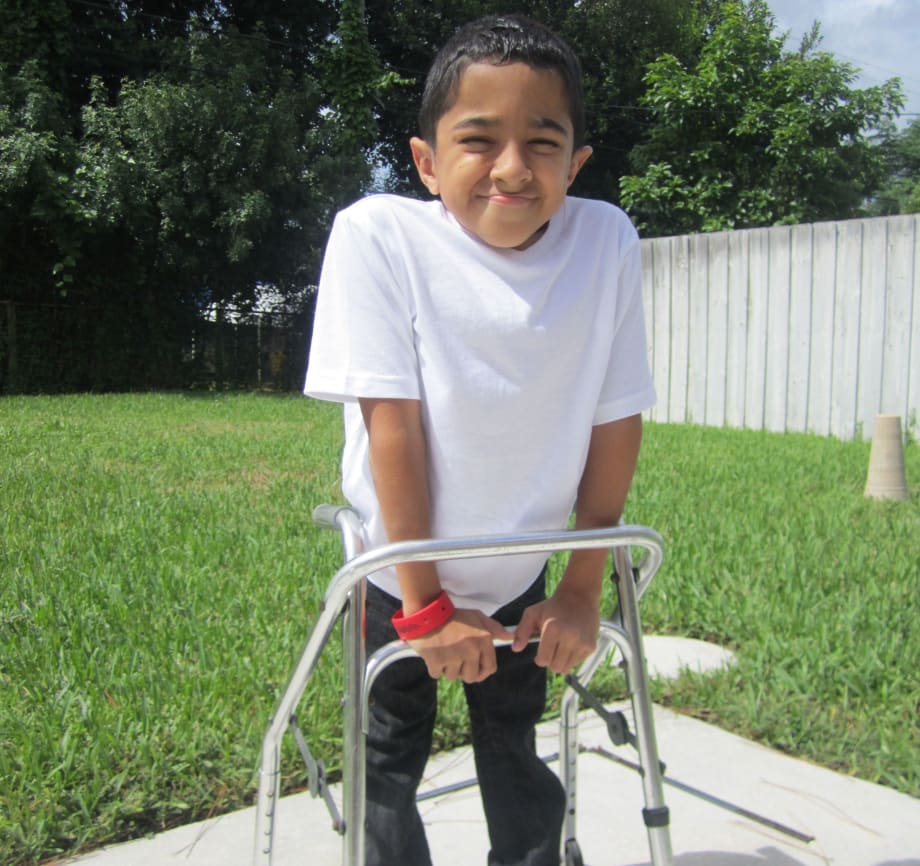
Osteogenesis imperfecta (OI) is a genetic disorder that is commonly called “brittle bone disease.” Fernando, a student with Type III OI, prefers his walker slightly shorter than his therapist does.
Over the last several issues of SCHOOL BUS FLEET, we’ve looked at a variety of medical conditions and how they affect emergency evacuations from the school bus.
In the fifth edition of the series, we will discuss evacuating students who have osteogenesis imperfecta (OI).
Specifics of OI
OI is a genetic disorder that is commonly called “brittle bone disease.” The disorder is inherited, and both genders are affected. OI is characterized by bones that break easily, often from little to no apparent cause.
It has been found that children who have OI have a problem with the development of collagen in their body. Collagen can be described as the framework upon which bone and tissues are built. If the collagen is defective, bones fracture more easily and muscles lack tone.
There are currently four known types of OI.
Type I OI:
• This is the mildest and most common form.
• These children have half the normal amount of collagen. However, this collagen is structurally normal.
• They may have muscle weakness, joint laxity and flat feet along with dislocations and sprains.
• Life expectancy seems average.
Type II OI:
• This is the most severe form.
• Infants are quite small at birth, and they are born with multiple fractures, an unusually soft skull and an unstable neck.
• Almost all infants with Type II die at or shortly after birth.
Type III OI:
• These children are born with fractures, and X-rays may reveal healed fractures that occurred before birth.
• They may have anywhere from several dozen to several hundred fractures in a lifetime. With these children, surgical correction of long bone bowing and scoliosis is common.
• They may need supplemental oxygen.
• Life expectancy varies.
Type IV OI:
• This is considered the moderate form.
• These children will have frequent fractures that decrease after puberty.
• They have mild to moderate bone malformation.
• Life expectancy appears to be average.
With all four types of OI, fractures decrease after puberty.
Researchers are beginning to identify additional types of OI, namely Type V and Type VI.
[PAGEBREAK]

The type of OI is determined based on clinical and radiographic data. When working with a student with OI, it is important to focus on his or her particular abilities, strengths and weaknesses rather than the particular OI type.
OI treatment involves caring for fractures, maximizing independent mobility and function, and developing optimal bone mass and muscle strength.
Orthopedic surgery can be done to insert metal rods into the long bones to reduce malformations and control fractures. Medications developed for perimenopausal osteoporosis are currently being tested for OI.
Implications for evacuation
Here are some key factors to keep in mind for evacuating students with OI from the school bus.
1. Just the impact of an accident may cause a fracture for a student with OI. The staff must be extremely careful in how they move and handle the student.
2. When students with OI have to be evacuated from the bus, they will be best protected in their mobility device (unless it is motorized — see No. 3), especially if it is a customized molded seating system. Bus staff must be extremely careful as they move the mobility device out of the bus.
3. If a student with OI is in a motorized mobility device, it will be necessary to remove the student from the device.
Instead of “dragging” an emergency evacuation device and the student down the bus aisle, lift and carry the student as much as possible to avoid hitting the floor. This will reduce impact to fragile bones. Two people lifting from the same side of the student, while cradling the entire body, may put less strain on any one part of the student’s body.
4. A student with OI would not physically participate in an emergency evacuation drill. However, the student will need to be “walked and talked” through the process to know what would happen in an emergency evacuation.
5. Be sure to let emergency personnel or bystanders outside the bus know about the student’s medical condition. Inform them about the student’s brittle bones, and tell them to be extra careful when touching or moving the student.
6. Immediately let paramedics know about this student. A broken bone could create an injury that would need to be attended to immediately.
Summary
Obviously, students with OI do need extra care while being evacuated from a school bus. In spite of the urgency during an actual evacuation, we must try to lift and move these students slowly and carefully.
Also, as noted above, we would not actually evacuate a student with OI during a drill. Rather, we would “walk and talk” the student and the staff through the evacuation procedures.
Jean M. Zimmerman is supervisor of occupational and physical therapy for the School District of Palm Beach County (Fla.). She is the author of Evacuating Students With Disabilities, a comprehensive manual and training course written in conjunction with the Pupil Transportation Safety Institute. The program can be purchased at www.ptsi.org or by calling (800) 836-2210.
More Special Needs Transportation
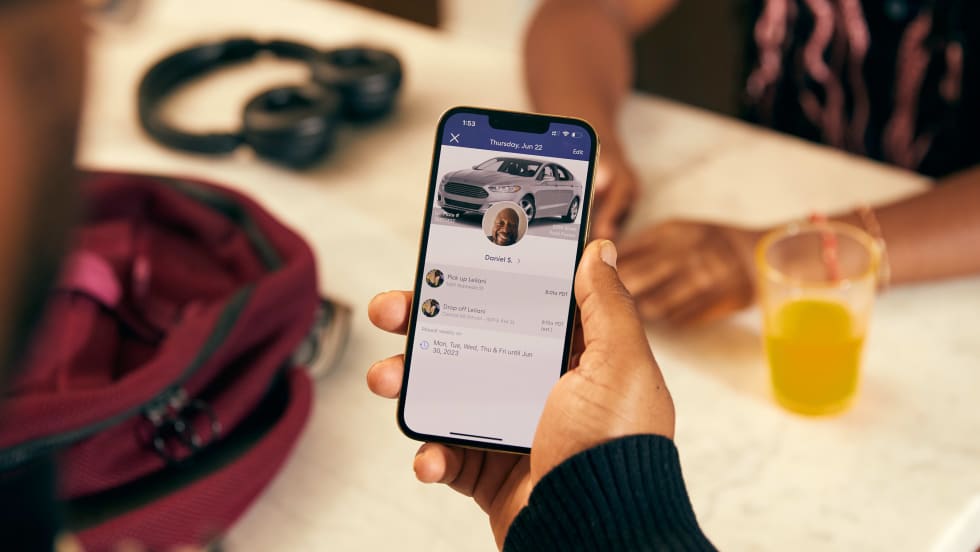
HopSkipDrive Launches New Safety, Driver Consistency Features for 2026-27 School Year
The company’s free ride recording, live ride tracking, and consistent driver assignments aim to improve safety and continuity for diverse student transportation needs.
Read More →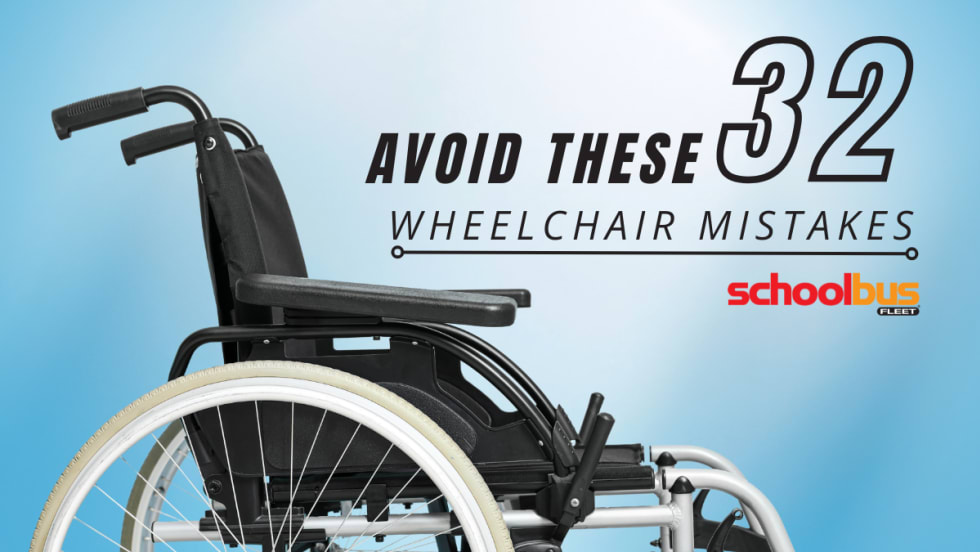
The Most Common Wheelchair Securement Mistakes on School Buses (and How to Fix Them)
Small missteps in wheelchair securement can have serious consequences. Here are 32 tips from experts to reduce risk and increase student safety on the bus.
Read More →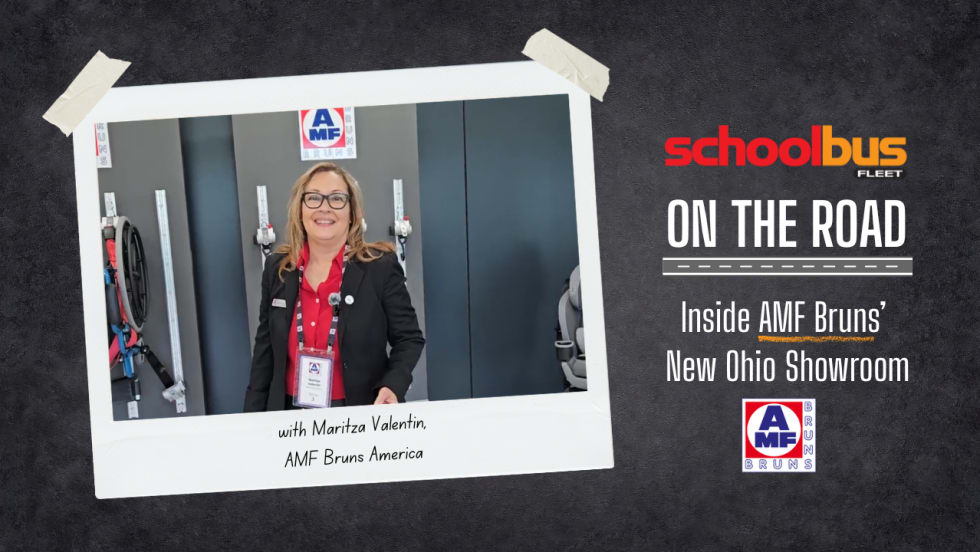
Inside AMF Bruns’ New Showroom: School Bus Securement Solutions Explained
Go inside AMF Bruns America’s new Ohio showroom with Maritza Valentin to see its FutureSafe technology, driver training tools, securement systems, and seating innovations.
Read More →
What AMF Bruns’ New Facility Means for Customers [Video]
Inside AMF Bruns’ new Stow, Ohio, operations: See how expanded space and innovation will enhance customer support and operations.
Read More →
AMF Bruns Expands in Ohio, Investing in Growth and Community
With expanded production space, local investment, and a growing workforce, AMF Bruns is scaling its U.S. presence. Here’s an exclusive first look inside the new Stow, Ohio, HQ.
Read More →
Inside AMF Bruns of America’s New Ohio Manufacturing Facility [Photos]
Take a behind-the-scenes look at AMF Bruns of America’s new 41,000-square-foot Stow, Ohio, headquarters, featuring advanced manufacturing, expanded space, and future-ready mobility solutions.
Read More →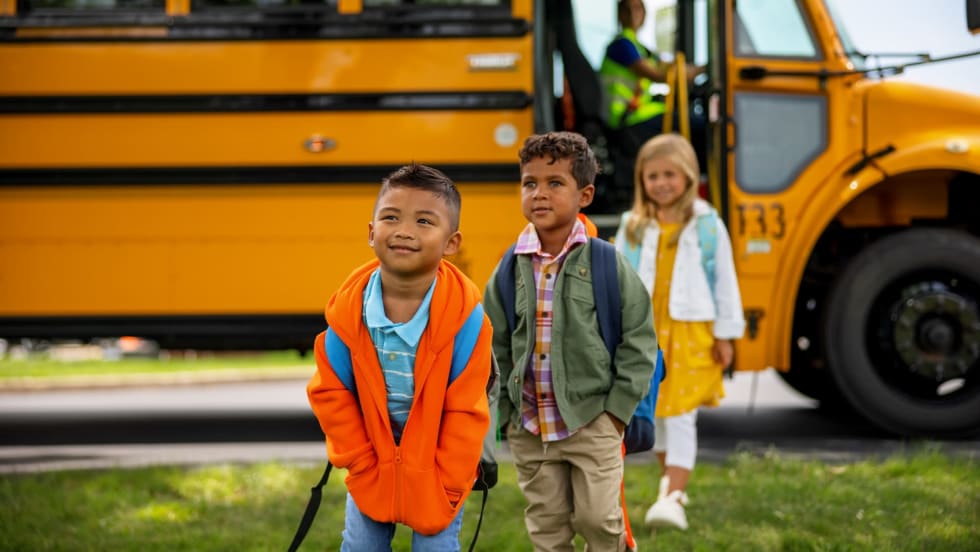
First Student Boosts Student Support in Wichita & Texas
First Student and Wichita Public Schools are using behavioral support strategies to improve student ride experiences, while a separate initiative expands access to after-school programs through a bus donation.
Read More →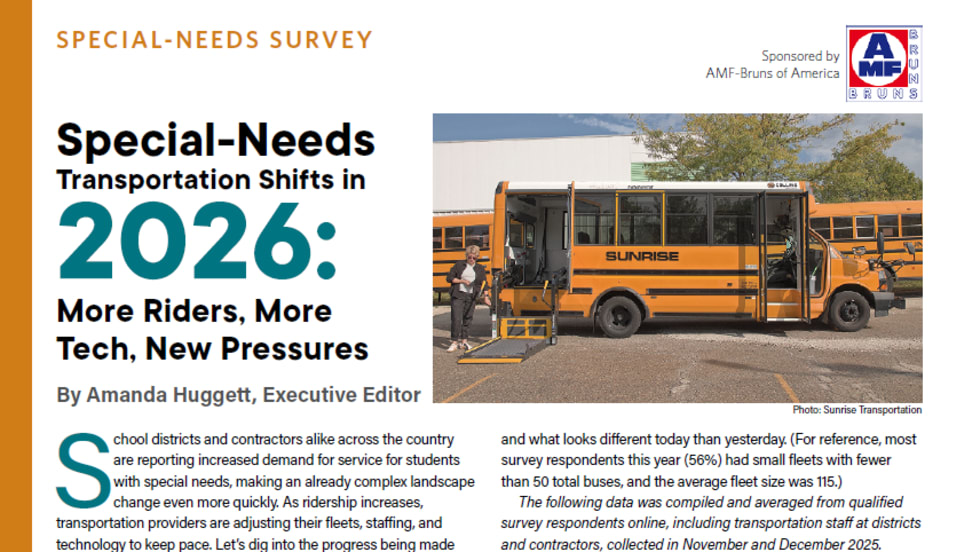
2026 Special-Needs Transportation Survey
What’s changing in special-needs transportation? This year, student transportation operators report a rising need, easing driver shortages, growing tech adoption, and evolving challenges. Sponsored by AMF Bruns of America.
Read More →
The Lived-Experience Gap in Mobility Tech: An Expert Take on Safe Student Transportation
Brianna Pauwee, a product application specialist at AMF Bruns of America and a wheelchair user, drops in to The Route to share practical securement and training insights, plus the story behind the new “Beyond Mobility” podcast. The Route is sponsored by IC Bus.
Read More →
What Transportation Gets Wrong About Wheelchair Securement (And How to Fix It)
Brianna Pauwee, product application specialist at AMF Bruns of America and a wheelchair user shares practical securement and training insights, plus why she launched the “Beyond Mobility” podcast. The Route is sponsored by IC Bus.
Read More →