




Specific Special-Needs Evacuations: Cerebral Palsy
A physical therapist explains common disabilities and how they affect school bus emergency evacuations. This article, focusing on students with cerebral palsy, is the first in a series.
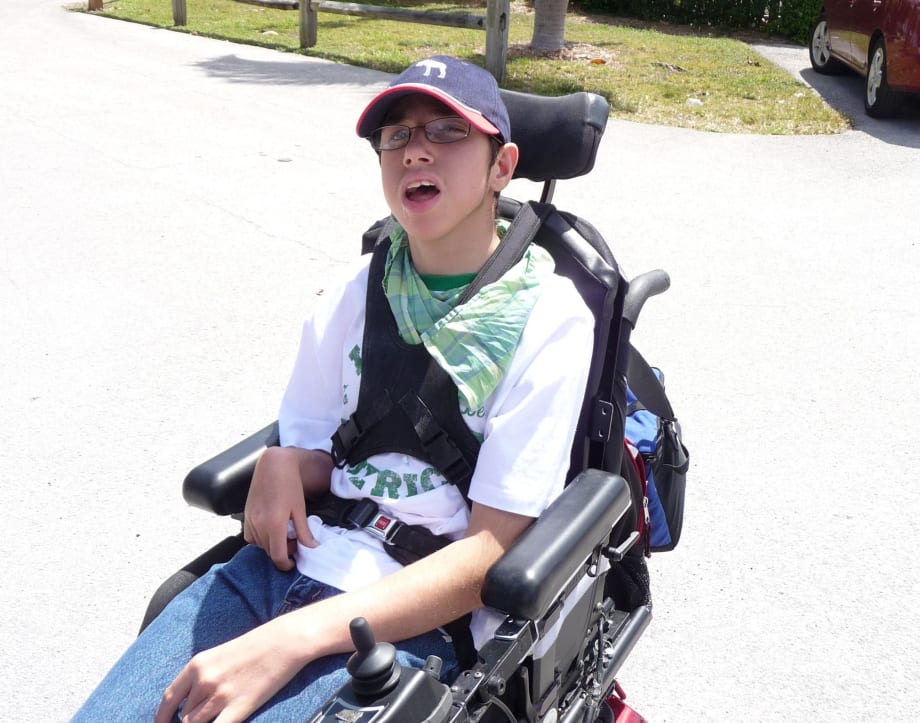
Jonathan is a high school student with cerebral palsy who uses a wheelchair for his mobility.
Is there a difference in evacuating a school bus passenger who has cerebral palsy versus one who has a muscle disease? The answer is a definite yes.
So in our training programs, we must be sure that we are covering the distinctions of the disease or medical condition of each student that we are talking about evacuating.
In the next few issues of SBF, I will be writing about various disabilities and medical conditions and the specific knowledge that we need to have for emergency evacuations.
The goals of these articles are:
1. To help pupil transportation professionals understand more clearly the characteristics of the most common medical conditions and the behaviors associated with them.
2. To learn implications for evacuating safely from the school bus.
Specifics of cerebral palsy
The first medical condition I will cover is cerebral palsy, which is one of the most common medical conditions of the students that we transport.
Simply stated, cerebral palsy is damage to the developing brain. The damage could have happened before birth, during birth or immediately after birth. This brain damage can affect the student’s physical ability in a variety of ways.
Some students with cerebral palsy can have one entire side of their body involved, and these students may still have the ability to walk.
Cerebral palsy can also manifest itself in involuntary movements primarily in the lower extremities, and usually these students can walk with a walker or crutches — however, they need a wheelchair for distances.
Finally, there are students with cerebral palsy whose entire body is involved. These students are usually in a wheelchair at an early age. As they get older, the wheelchair becomes more customized and may have to be molded specifically around the student.
The mental involvement of students with cerebral palsy is also very variable. Some students may have completely normal mental functioning; others may be at the lowest end of the spectrum of mental capacity.
Cerebral palsy does not get worse over time. However, as students get older and bigger, they will often have increased difficulty with movements because they have a larger body to control against gravity.
The entire gamut of a student’s cerebral palsy must be taken into consideration when the individualized transportation plan is being developed. Is staying in the wheelchair and being lowered down the back of the bus, with the wheelchair being lowered over the back bumper, a preferred way to evacuate this student? Or is the student so large that you will need to take him or her out via the drag method on an Evac-Aide?
[PAGEBREAK]
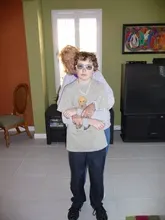
Step 1
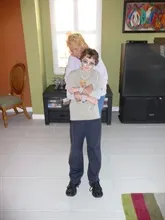
Step 2

Step 3. Author Jean Zimmerman demonstrates the correct way to physically lower a student onto the bus floor, which may be necessary in an evacuation.
Implications for evacuation
The following other implications must be taken into account when doing an emergency evacuation for a student with cerebral palsy:
• If able to walk, the student will have difficulty with balance.
• Loud noises and hurried activities may cause increased spasticity in the student’s extremities.
• The student may have difficulty controlling arm movements.
• In an evacuation, the student will be slow to move and/or speak.
• The student will need assistance to walk down the bus aisle and up and down steps.
• You may have to help the student physically down onto the bus floor. You may also have to help the student maintain this seated position until the person on the ground outside of the bus is able to offer full protection. The person on the ground must have a wide base of support and steady balance and be ready to accept the student, whose balance may be impaired.
• Do not tell students with spasticity to relax. In an attempt to follow directions, they will only become more spastic and have even more difficulty with their movements. Instead, try a distraction, which may take their attention off their muscles. Give alternative directions — e.g., “Let’s go see Miss Jean at the back of the bus.”
• Be aware that in an emergency evacuation, the student may have a seizure even if he or she has not had one in a while. Bus staff must time the seizure and notify dispatch as soon as possible once the evacuation is complete.
• These students will have difficulty controlling arm movements.
• If evacuating a student using an emergency evacuation device, try curling up the edges of the device around the student’s arms so as the student is dragged down the aisle, rigid arm extensions will not slow evacuation.
• Hurrying may cause muscles to become spastic, causing rigid extremities.
• The student may have a tracheostomy (a surgical opening in the windpipe to allow the student to breathe). Avoid blocking the tracheostomy in any way. Protect the student’s head from falling forward, which could potentially block the tracheostomy.
• Many students will have very poor head control and may wear a soft cervical collar during transportation. When evacuating, leave the neck collar on, as it will give extra support and protection for the student’s head and neck areas.
Summary
Prior to any actual evacuation, it is critical that a transportation team discuss the student and his or her medical condition in full details.
The team needs to discuss all of the possibilities listed and decide on the options for evacuating the student depending on which exits are not blocked.
Jean M. Zimmerman is supervisor of occupational and physical therapy for the School District of Palm Beach County (Fla.). She is the author of Evacuating Students With Disabilities, a comprehensive manual and training course written in conjunction with the Pupil Transportation Safety Institute. The program can be purchased at www.ptsi.org or by calling (800) 836-2210.
More Special Needs Transportation
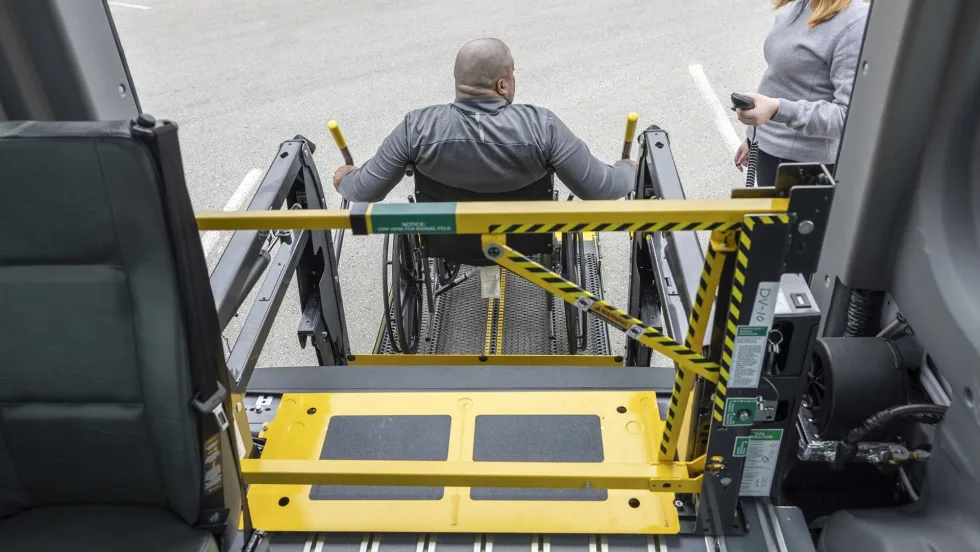
BraunAbility Introduces New Safety Barrier for Wheelchair Lifts
LiftSentinel is designed to add another layer of protection during wheelchair loading and unloading and can be retrofitted to many existing commercial lift installations.
Read More →
HopSkipDrive Launches New Safety, Driver Consistency Features for 2026-27 School Year
The company’s free ride recording, live ride tracking, and consistent driver assignments aim to improve safety and continuity for diverse student transportation needs.
Read More →
The Most Common Wheelchair Securement Mistakes on School Buses (and How to Fix Them)
Small missteps in wheelchair securement can have serious consequences. Here are 32 tips from experts to reduce risk and increase student safety on the bus.
Read More →
Inside AMF Bruns’ New Showroom: School Bus Securement Solutions Explained
Go inside AMF Bruns America’s new Ohio showroom with Maritza Valentin to see its FutureSafe technology, driver training tools, securement systems, and seating innovations.
Read More →
What AMF Bruns’ New Facility Means for Customers [Video]
Inside AMF Bruns’ new Stow, Ohio, operations: See how expanded space and innovation will enhance customer support and operations.
Read More →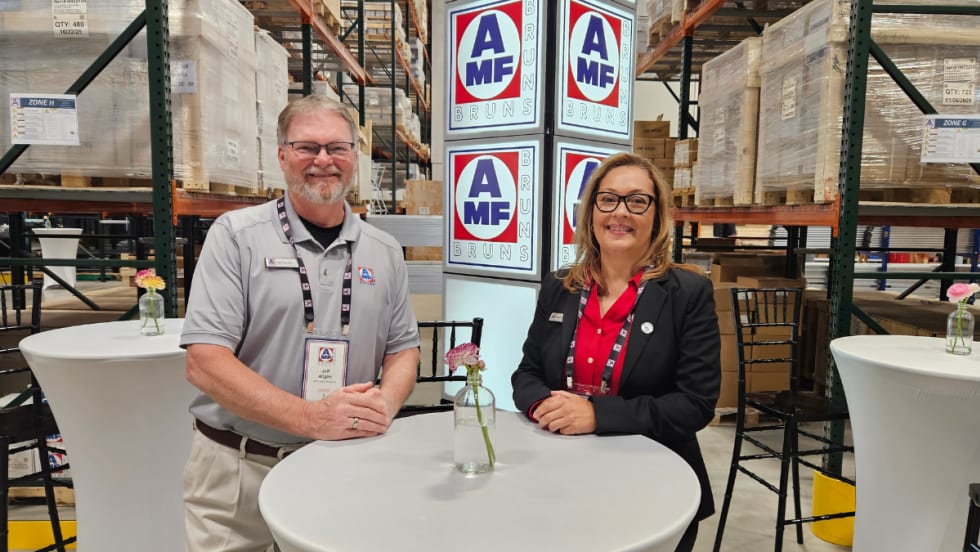
AMF Bruns Expands in Ohio, Investing in Growth and Community
With expanded production space, local investment, and a growing workforce, AMF Bruns is scaling its U.S. presence. Here’s an exclusive first look inside the new Stow, Ohio, HQ.
Read More →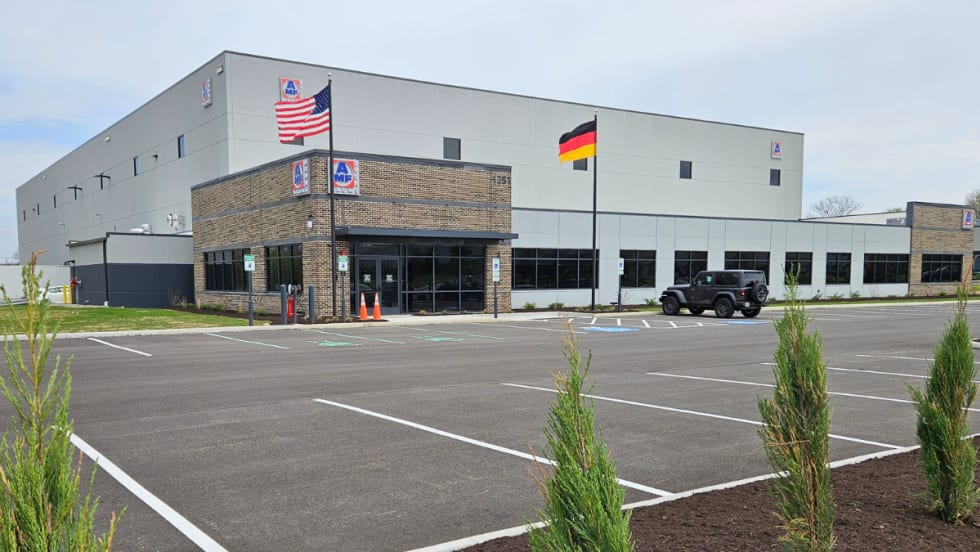
Inside AMF Bruns of America’s New Ohio Manufacturing Facility [Photos]
Take a behind-the-scenes look at AMF Bruns of America’s new 41,000-square-foot Stow, Ohio, headquarters, featuring advanced manufacturing, expanded space, and future-ready mobility solutions.
Read More →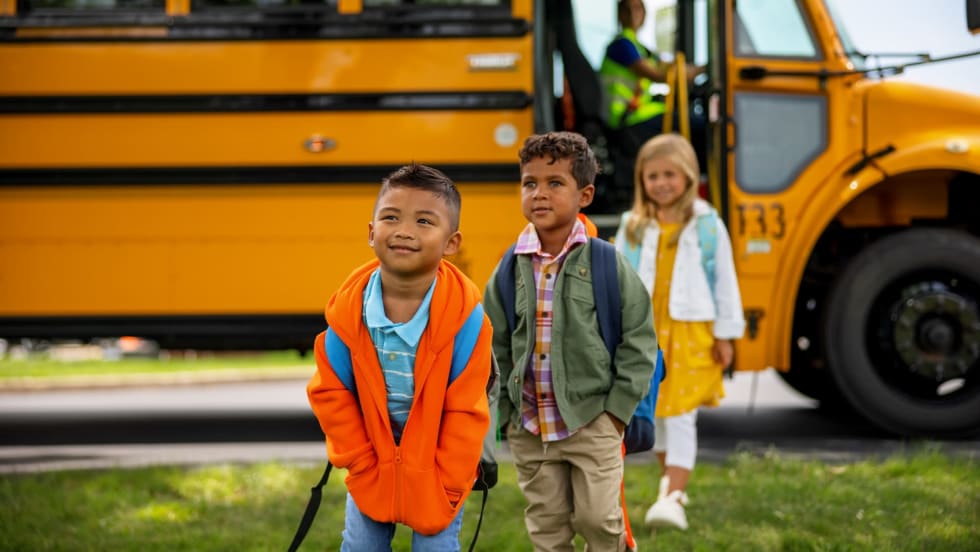
First Student Boosts Student Support in Wichita & Texas
First Student and Wichita Public Schools are using behavioral support strategies to improve student ride experiences, while a separate initiative expands access to after-school programs through a bus donation.
Read More →
2026 Special-Needs Transportation Survey
What’s changing in special-needs transportation? This year, student transportation operators report a rising need, easing driver shortages, growing tech adoption, and evolving challenges. Sponsored by AMF Bruns of America.
Read More →
The Lived-Experience Gap in Mobility Tech: An Expert Take on Safe Student Transportation
Brianna Pauwee, a product application specialist at AMF Bruns of America and a wheelchair user, drops in to The Route to share practical securement and training insights, plus the story behind the new “Beyond Mobility” podcast. The Route is sponsored by IC Bus.
Read More →