



Group Harmony Keeps Operation in Sync With Community
Southeast Kansas Community Action Program (SEK-CAP), located in Girard, Kan., a hilly, rural city that sits due west of the Missouri border, transport...

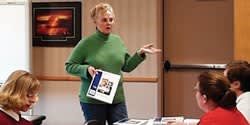
Southeast Kansas Community Action Program (SEK-CAP), located in Girard, Kan., a hilly, rural city that sits due west of the Missouri border, transports about 500 Head Start students daily using a fleet of 28 vehicles. The area of service the program operates in is approximately 7,200 square miles and consists of some of the poorest counties in Kansas.
About two years ago, SEK-CAP’s former transportation director, Jay Russell, was called to duty in Iraq. Russell was initially scheduled to be away for six months during his first tour of duty, but he ended up actively engaged for almost a year. In the interim, SEK-CAP named Claudia Christiansen, former director of development for a developmental disabilities organization called Class Limited, as Russell’s temporary replacement. The rest, as they say, is her story.
When duty calls
Christiansen filled in for Russell at SEK-CAP for almost a year. During this time, she learned some of the ins and outs of student and general transportation — enough to know that she was fond of the industry. Russell returned to SEK-CAP for a short time before deciding to return to Afghanistan to work for Halliburton. At that time, Christiansen was working within SEK-CAP as a public relations specialist and was asked by administrators if she had any interest in returning to the transportation position. “I found out Jay was leaving, and I decided to come back,” she says. “I enjoy it. It’s a great way to meet people from all different walks of life.”
Taking the reins
It didn’t take Christiansen long to get into the groove, especially with SEK-CAP’s receptive staff. George Horne of Horne Enterprises in Metairie, La., thought Christiansen’s leadership skills were impressive.
“I conducted training there,” says Horne. “Claudia was quickly “whipping” them into compliance with CFR 1310.” She accomplished this feat by enhancing training programs already in place.
Horne also found SEK-CAP, the organization itself, to be well put together. “They employ a great group of drivers and monitors,” he says. “They’re eager to participate and are quite knowledgeable in operational techniques.”
While Christiansen names the staff as the top strength of the operation, she also points to the communities as important assets. “All the communities we work with are supportive of us,” she says. “We’re still working to help everyone understand what we do, but, overall, the communities are supportive and knowledgeable about what we do.”
Cultivating harmony
Morale is high at SEK-CAP due to management’s ability to involve everyone in day-to-day operations.
The organization covers 12 counties, but only provides transportation in 10 of the 12. The three counties with the highest transported populations — Montgomery, Crawford and Allen — are among the poorest in Kansas. But they are SEK-CAP’s target population. “We’re in the areas where the need is the greatest,” Christiansen says.
Transporting students safely is important to everyone at SEK-CAP. As such, the organization makes a special effort to keep everyone on the same page with regard to defining and demonstrating safety.
All 220 staff members of SEK-CAP come together under one roof for an annual transportation safety meeting. The event holds special meaning for Christiansen.
“You get to talk about things people are doing in an area that someone else might not be familiar with,” she says. “It’s a time for sharing and exchanging ideas. It has helped out a lot.”
{+PAGEBREAK+}
Making training hands-on
The networking sessions cultivated at SEK-CAP’s annual safety program have spawned new ways for staff to look at safety. For instance, technicians now have more face time with drivers and are able to instruct them directly on the mechanics of their buses.
“Around here, it’s not, ‘I’m going to take a look at your vehicle,’” says Christiansen. “It’s, ‘I’ll come around and we’ll look at your vehicle.’” The end result of this type of exchange between techs and drivers is the driver’s ability to understand problems with buses and a stronger ability to clearly articulate them to a technician.
In addition to the annual safety program, drivers are required to go through the Head Start bus driver and monitor training at the beginning of the school year. Some of the topics covered include First Aid/CPR, defensive driving and fire safety. Drivers undergo approximately 30 hours of behind-the-wheel training and eight hours of preventive maintenance training.
Equipment roundup
SEK-CAP’s Head Start fleet is relatively young. Its oldest bus is a 2001; the newest is a 2004.
The program is working on a bus replacement schedule, but is currently in the dark with it because of federal budget constraints. Dollars that may have been funneled down to school transportation have been directed to hurricane relief efforts in the south. The upside, however, is that SEK-CAP’s buses are so new they really don’t need replacing. Christiansen’s concern about bus replacement is more about quantity rather than quality.
“We’re trying to purchase a number of new buses,” Christiansen says. “We don’t have any spares.”
Equipment spec’d on SEK-CAP’s buses includes C.E. White seats, front and rear air conditioning and heating, and emergency hatches. There are also the features required by CFR 1310, such as labeled seat-belt cutters, First Aid kits and fire extinguishers.
SEK-CAP buses, which aren’t required to undergo state inspections, run on gasoline that is purchased from local fueling stations using Wright Express cards. These cards allow drivers to purchase any brand or station’s fuel. Diesel is not easily obtainable at stations in southeast Kansas, and it’s easier for the program if everyone runs the same fuel type.
The entire fleet at SEK-CAP is painted white as opposed to the ever-popular school bus yellow. Government regulations state that Head Start programs in Kansas can paint their buses practically any color in the Pantone system except school bus yellow and black. “They don’t want people to think we’re a school bus,” says Christiansen. “We transport Head Start students only.”
Meeting the challenges
Like other transportation operations, SEK-CAP has been unsuccessful at ducking the challenges that accompany high fuel costs. The problem is worsened by the program's second-biggest challenge — the long distances drivers travel throughout the service area. Meeting the stringent, unfunded mandates of CFR 1310 has also been a challenge. Additional requirements have been added with no dollars to cover the increased costs of meeting the mandates, which range from equipment to training to personnel.
SEK-CAP uses cell phones as opposed to two-way radios. Monitors carry the phones to communicate with the central office, but lack of multiple towers and the valleys that snake through the hilly region create dead zones for the wireless technology.
“Another challenge is reducing the turnover rate with drivers,” says Christiansen. “We haven’t come up with a good solution for that, but we keep trying. We provide good training and require our drivers to obtain a CDL, which we pay for.”
The CDL qualifies employees to drive for Head Start, but it also qualifies them to drive for local school districts and trucking companies that are able to pay higher wages.
“Our Head Start budget has been level-funded for four years, which makes it hard to compete,” says Christiansen.
More Special Needs Transportation

What More Than Two Million Rides Reveal About School Transit
More than two million student trips. Nearly 28million miles. Here's what that data reveals about the future of alternative student transportation.
Read More →
HopSkipDrive Launches New Safety, Driver Consistency Features for 2026-27 School Year
The company’s free ride recording, live ride tracking, and consistent driver assignments aim to improve safety and continuity for diverse student transportation needs.
Read More →
The Most Common Wheelchair Securement Mistakes on School Buses (and How to Fix Them)
Small missteps in wheelchair securement can have serious consequences. Here are 32 tips from experts to reduce risk and increase student safety on the bus.
Read More →
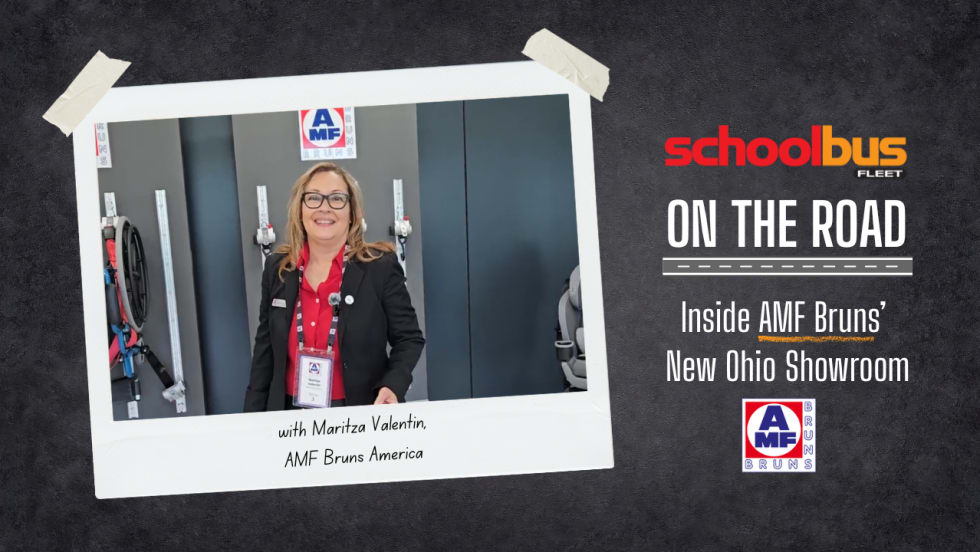
Inside AMF Bruns’ New Showroom: School Bus Securement Solutions Explained
Go inside AMF Bruns America’s new Ohio showroom with Maritza Valentin to see its FutureSafe technology, driver training tools, securement systems, and seating innovations.
Read More →
What AMF Bruns’ New Facility Means for Customers [Video]
Inside AMF Bruns’ new Stow, Ohio, operations: See how expanded space and innovation will enhance customer support and operations.
Read More →
2026 State of Student Transportation Report
Student transportation teams are being asked to do more with less, facing driver shortages, rising costs, and increasing safety expectations. This report uncovers how fleets are adapting, where technology is making the biggest impact, and why student ridership tracking is emerging as a top priority. Download the report to explore the key trends shaping 2026 and what they mean for your operation.
Read More →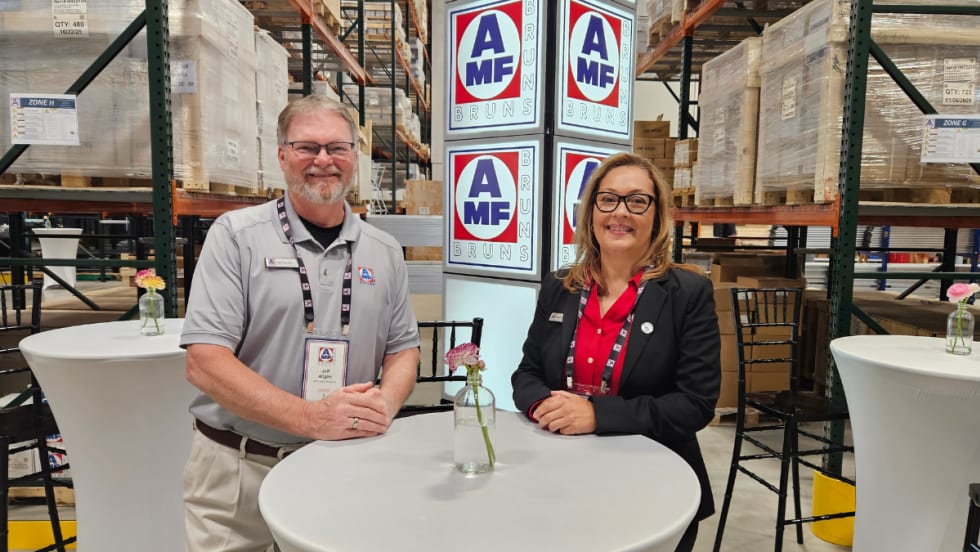
AMF Bruns Expands in Ohio, Investing in Growth and Community
With expanded production space, local investment, and a growing workforce, AMF Bruns is scaling its U.S. presence. Here’s an exclusive first look inside the new Stow, Ohio, HQ.
Read More →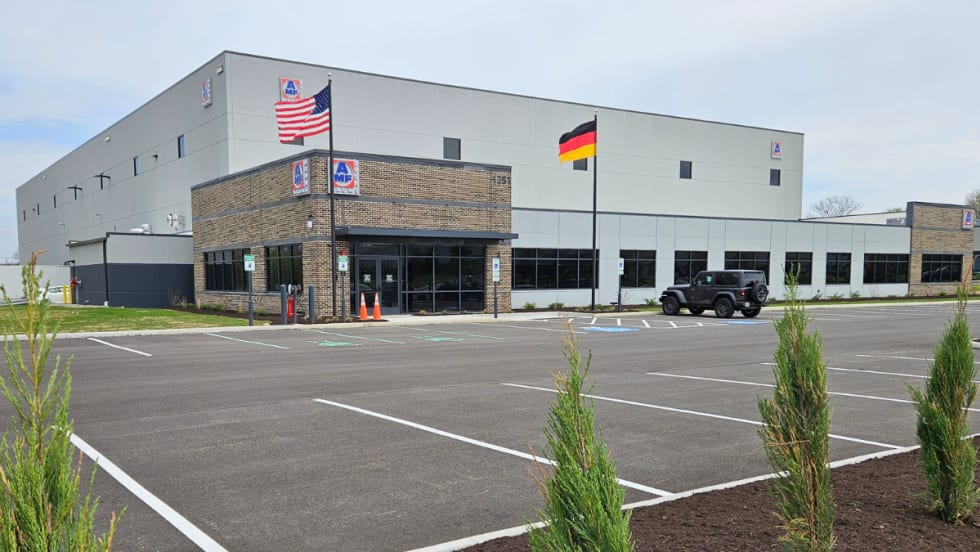
Inside AMF Bruns of America’s New Ohio Manufacturing Facility [Photos]
Take a behind-the-scenes look at AMF Bruns of America’s new 41,000-square-foot Stow, Ohio, headquarters, featuring advanced manufacturing, expanded space, and future-ready mobility solutions.
Read More →
First Student Boosts Student Support in Wichita & Texas
First Student and Wichita Public Schools are using behavioral support strategies to improve student ride experiences, while a separate initiative expands access to after-school programs through a bus donation.
Read More →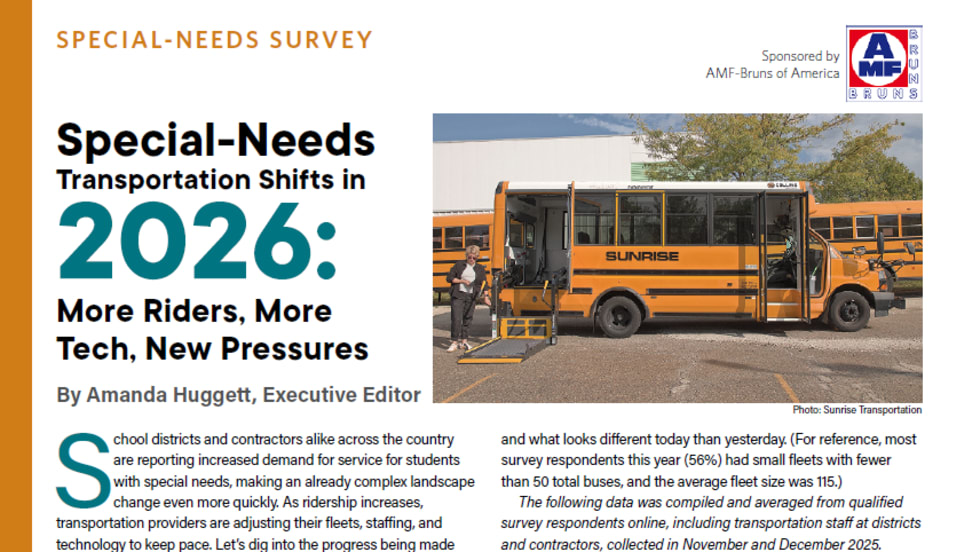
2026 Special-Needs Transportation Survey
What’s changing in special-needs transportation? This year, student transportation operators report a rising need, easing driver shortages, growing tech adoption, and evolving challenges. Sponsored by AMF Bruns of America.
Read More →