



Take nothing in life for granted
We have all heard a million catch phrases accentuating the day-to-day activities that make us similar as human beings. “She ties her shoelaces the sam...
We have all heard a million catch phrases accentuating the day-to-day activities that make us similar as human beings. “She ties her shoelaces the same way as everyone else,” or “He puts his pants on one leg at a time just like you and I.” These maxims allay our fears and uneasiness about others and remind us that, despite our differences, we all have a lot in common. But what if you couldn’t relate to simple concepts such as dressing yourself, brushing your own teeth, taking a walk or eating a sandwich?
In his article titled “Riding With Jordan” beginning on pg. 20, Assistant Editor Thomas McMahon offers us a glimpse of what it would be like to live without the physical ability to take care of ourselves. Jordan Forster, the story’s heroine, is a 5-year-old who suffers from spinal muscular atrophy. Despite having above average intelligence for a child her age, Jordan’s muscle makeup is so weak that she is unable to chew or swallow food.
Based on observations made by Thomas after spending a school day with Jordan, the article gives an almost minute-by-minute account of the struggle that is Jordan’s daily life. Aside from the grit and determination of Jordan and her family, one of the story’s lasting impressions is that it takes the sum of many people’s labors — teachers, assistants, nurses and bus drivers — to give Jordan a legitimate chance to pursue a happy, and somewhat normal, path to education.
Keeping things in perspective
From the bus stop to school and back again, Thomas makes many other eye-opening discoveries about the young student’s plight. Frankly, most of her problems make perfect sense. For instance, it isn’t surprising that someone with muscular dystrophy would be visibly exhausted after even a short day of classes. But, distracted by the repetitive set of routines that our lives can become, we sometimes forget how fortunate we are. We forget that there are people out there who literally have to strive for every inch they move. When we see or read about the state of affairs for someone like Jordan, even the parts that make sense feel like humbling revelations.
Nevertheless, it’s important that we face the reality of every situation, in both our personal and professional lives. It’s natural to feel sorry for a student with special needs akin to Jordan’s. But children don’t need our pity half as much as they need our commitment to working hard so that they all may receive an equal opportunity.
Faced with the daunting task of getting so many kids to school safely each day, transportation professionals must constantly remember the goal they are working toward. Even when transporting only one child requires the yeomen effort of multiple individuals, Jordan proves that it’s worth it.
Applying Jordan’s story to your job
Just as we may take our health, our families, our freedom or our jobs for granted, many people likewise view the safety and efficiency of school transportation as a given. The remarkable success of the school bus is enough for them. Very few outside the confines of the bus yard question where that success comes from. Yet those of us “in the know” realize that the exceptional record of this industry is a result of the dedication of a great many people.
Success by itself makes a great story. But the moral here is that success is not guaranteed. Especially not in school transportation, where millions of lives are potentially on the line every day, and a great many futures are influenced. If you aren’t sure what I mean, read Thomas’ article...and put yourself in Jordan’s shoes. That can motivate us all to work a little harder.
Leading Off appears this issue in place of Editor’s Note. Steve Hirano’s regular column will return next issue.
More Special Needs Transportation
What More Than Two Million Rides Reveal About School Transit
More than two million student trips. Nearly 28million miles. Here's what that data reveals about the future of alternative student transportation.
Read More →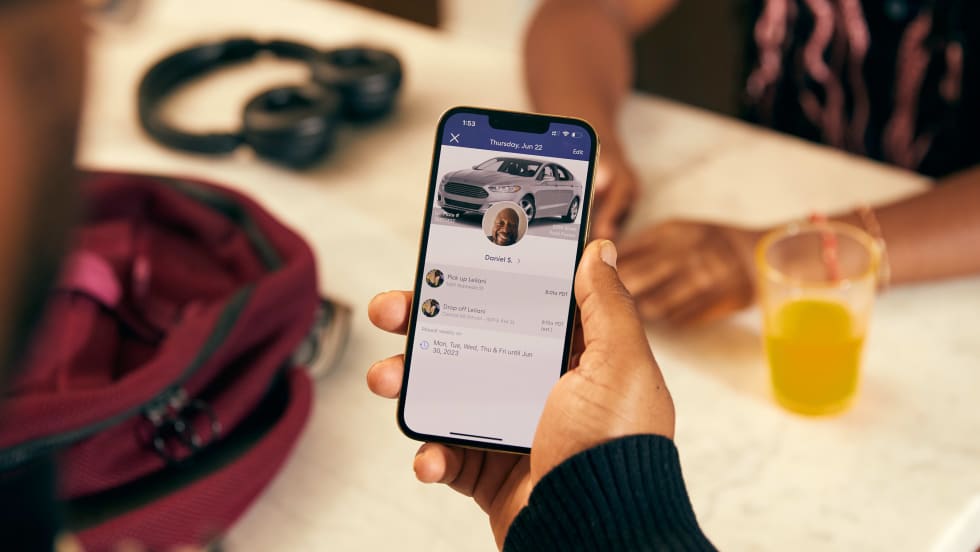
HopSkipDrive Launches New Safety, Driver Consistency Features for 2026-27 School Year
The company’s free ride recording, live ride tracking, and consistent driver assignments aim to improve safety and continuity for diverse student transportation needs.
Read More →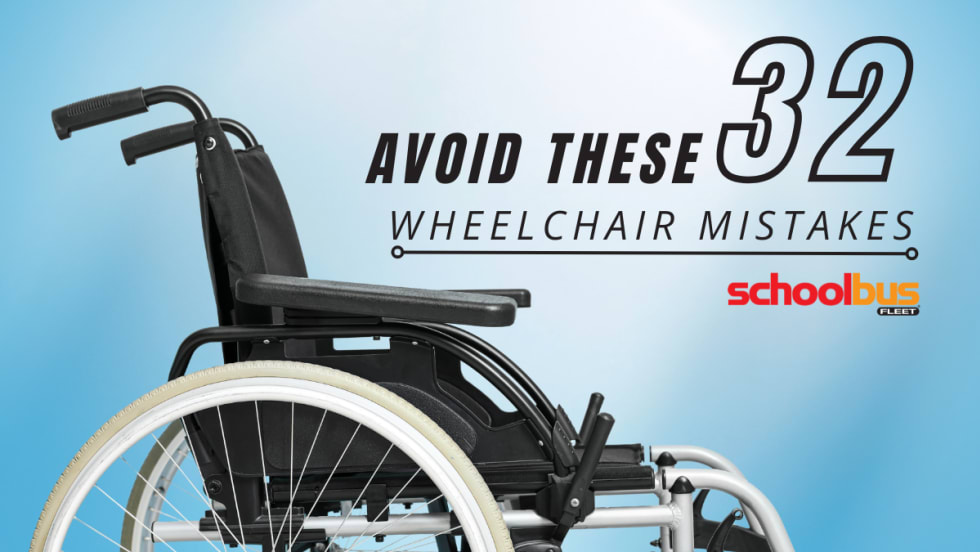
The Most Common Wheelchair Securement Mistakes on School Buses (and How to Fix Them)
Small missteps in wheelchair securement can have serious consequences. Here are 32 tips from experts to reduce risk and increase student safety on the bus.
Read More →
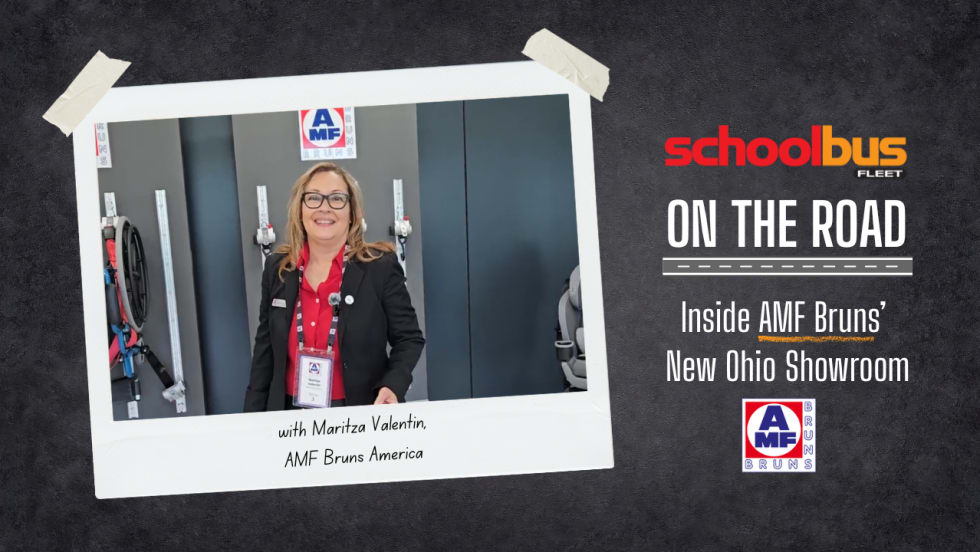
Inside AMF Bruns’ New Showroom: School Bus Securement Solutions Explained
Go inside AMF Bruns America’s new Ohio showroom with Maritza Valentin to see its FutureSafe technology, driver training tools, securement systems, and seating innovations.
Read More →
What AMF Bruns’ New Facility Means for Customers [Video]
Inside AMF Bruns’ new Stow, Ohio, operations: See how expanded space and innovation will enhance customer support and operations.
Read More →
2026 State of Student Transportation Report
Student transportation teams are being asked to do more with less, facing driver shortages, rising costs, and increasing safety expectations. This report uncovers how fleets are adapting, where technology is making the biggest impact, and why student ridership tracking is emerging as a top priority. Download the report to explore the key trends shaping 2026 and what they mean for your operation.
Read More →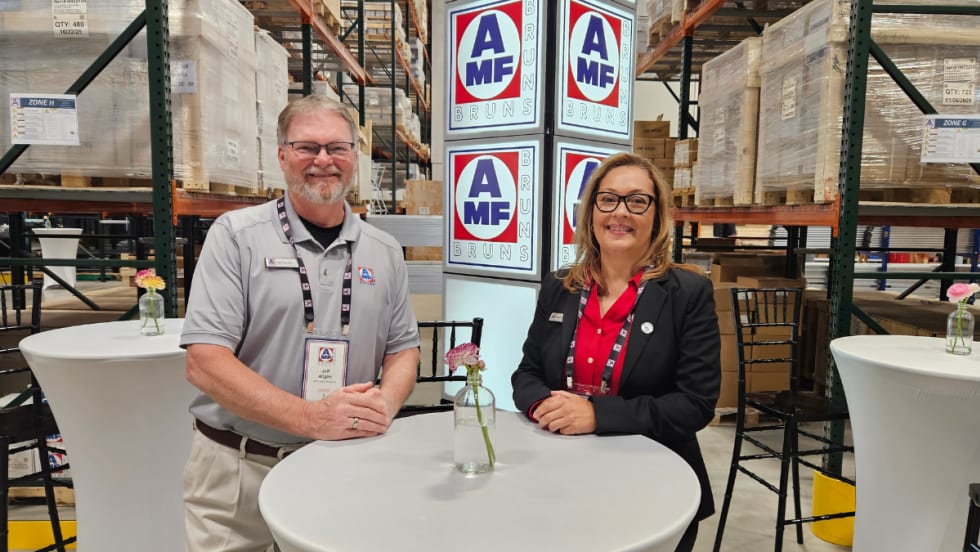
AMF Bruns Expands in Ohio, Investing in Growth and Community
With expanded production space, local investment, and a growing workforce, AMF Bruns is scaling its U.S. presence. Here’s an exclusive first look inside the new Stow, Ohio, HQ.
Read More →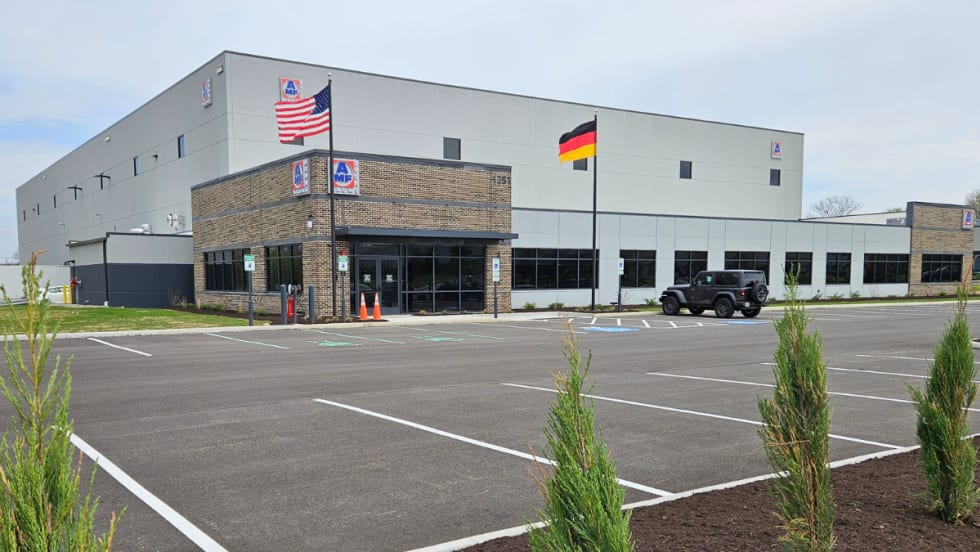
Inside AMF Bruns of America’s New Ohio Manufacturing Facility [Photos]
Take a behind-the-scenes look at AMF Bruns of America’s new 41,000-square-foot Stow, Ohio, headquarters, featuring advanced manufacturing, expanded space, and future-ready mobility solutions.
Read More →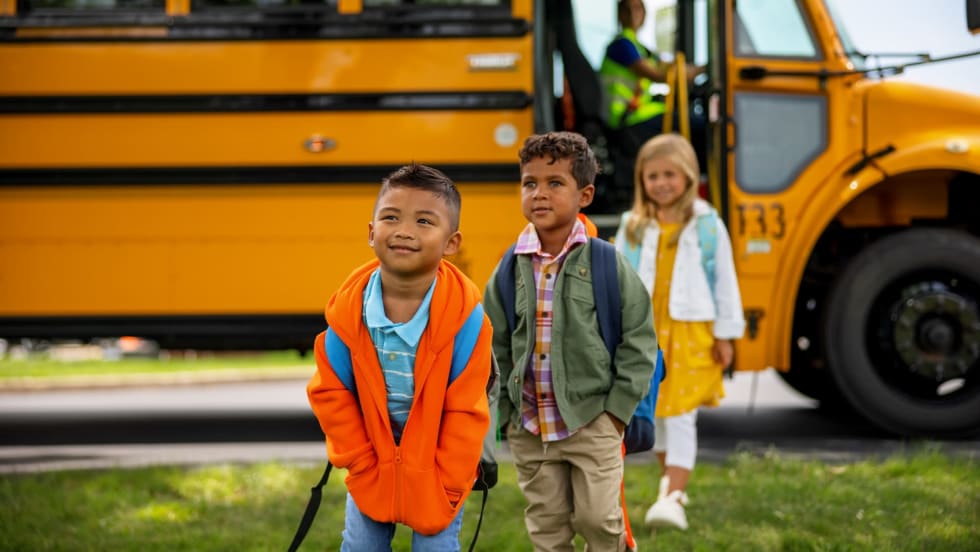
First Student Boosts Student Support in Wichita & Texas
First Student and Wichita Public Schools are using behavioral support strategies to improve student ride experiences, while a separate initiative expands access to after-school programs through a bus donation.
Read More →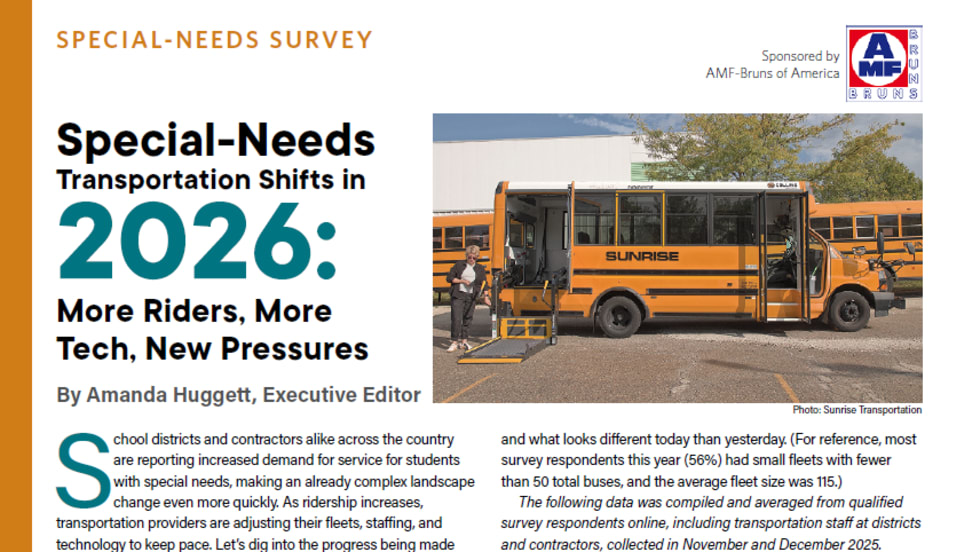
2026 Special-Needs Transportation Survey
What’s changing in special-needs transportation? This year, student transportation operators report a rising need, easing driver shortages, growing tech adoption, and evolving challenges. Sponsored by AMF Bruns of America.
Read More →