



Tranporting Medically Fragile or Technology-Assisted Students
Ray Turner, Ed.D., provided the pupil transportation community a valuable resource when he wrote “Transporting Medically Fragile or Technology-A...
Ray Turner, Ed.D., provided the pupil transportation community a valuable resource when he wrote “Transporting Medically Fragile or Technology-Assisted Students.” The manual offers descriptions of numerous medical conditions as well as strategies for transporting students with those conditions. But the book doesn’t stop there. It offers everything from an overview of IDEA and the IEP process to a driver team self-assessment guide for the special-needs bus. Turner proposes that the driver team that transports medically fragile or technology-assisted students must regularly perform self-assessment to ensure that appropriate services are provided and safety standards maintained. Turner shows the importance of developing daily healthcare and emergency plans for each student in accordance with specific handling requirements for the driver team. His in-depth discussion of “do not resuscitate” (DNR) orders on the special-needs bus is thought provoking, and Turner offers suggestions for what to include in developing a DNR protocol. He also stresses the importance of creating a transportation team, which includes the school nurse and a physical and occupational therapist and, when appropriate, a speech therapist, a respiratory therapist and a private-duty nurse. The team concept acts as a continuous thread throughout the manual and is characterized as a key aspect of safe transportation. Discuss before implementing
Turner provides excellent recommendations for transporting medically fragile students, as well as a list of support personnel who might be used as resources. But we as transporters must keep in mind that all individual transportation plans for special-needs students must be agreed-upon and documented during the IEP conference. Turner’s recommendations should be discussed with the student’s school nurse, healthcare provider(s) and the IEP team before implementation. Advances in medical technology have allowed children with special healthcare needs to attend public schools and we, as transporters, are challenged daily to provide safe transportation for them. Turner has moved us a step forward in our efforts to provide this related service to a very special population. I highly recommend this manual as a valuable resource to the pupil transportation industry. A look at what’s inside
Dense with information, Ray Turner’s manual is divided into the following seven chapters: Chapter 1 — Introduction: Transporting the Medically Fragile or Technology Assisted
Chapter 2 — Special Bus Handling for Specific Medical Conditions
Chapter 3 — Transporting the Technology Assisted
Chapter 4 — Support Personnel for the Medically Fragile/Technology Dependent
Chapter 5 — Students Requiring Extreme Special Handling
Chapter 6 — Related Medical and Health Issues on the Special-Needs Bus
Chapter 7 — Transporting the Medically Complex: A Driver Team Self-Assessment Guide for the Special-Needs Bus
Ray Turner's 340-page "Transporting Medically-Fragile or Technology-Assisted Students" is available through White Buffalo Press at www.whitebuffalopress.com.
More Special Needs Transportation
What More Than Two Million Rides Reveal About School Transit
More than two million student trips. Nearly 28million miles. Here's what that data reveals about the future of alternative student transportation.
Read More →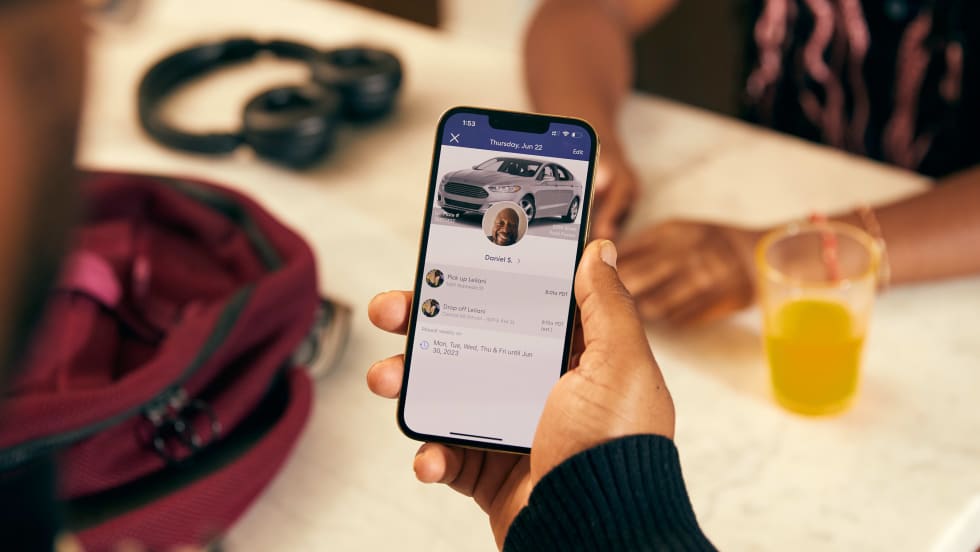
HopSkipDrive Launches New Safety, Driver Consistency Features for 2026-27 School Year
The company’s free ride recording, live ride tracking, and consistent driver assignments aim to improve safety and continuity for diverse student transportation needs.
Read More →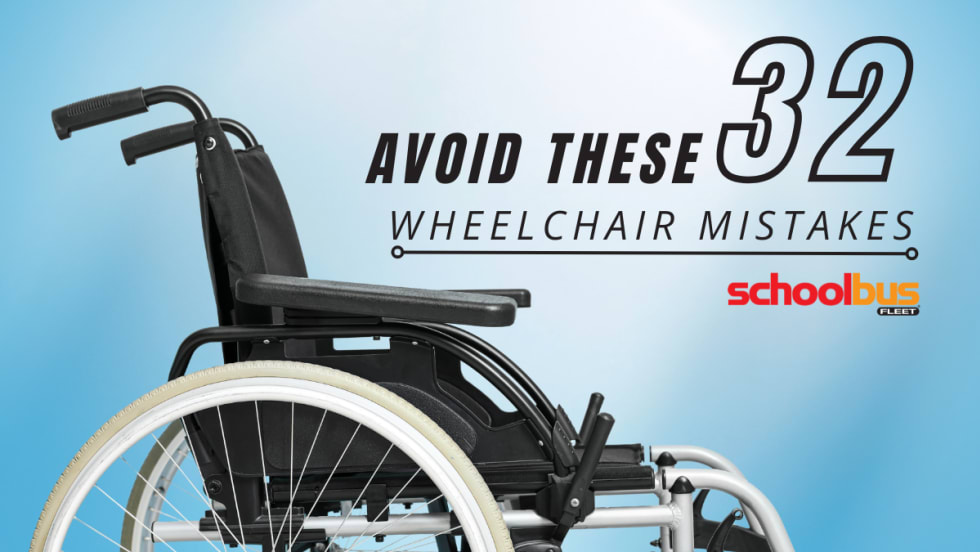
The Most Common Wheelchair Securement Mistakes on School Buses (and How to Fix Them)
Small missteps in wheelchair securement can have serious consequences. Here are 32 tips from experts to reduce risk and increase student safety on the bus.
Read More →
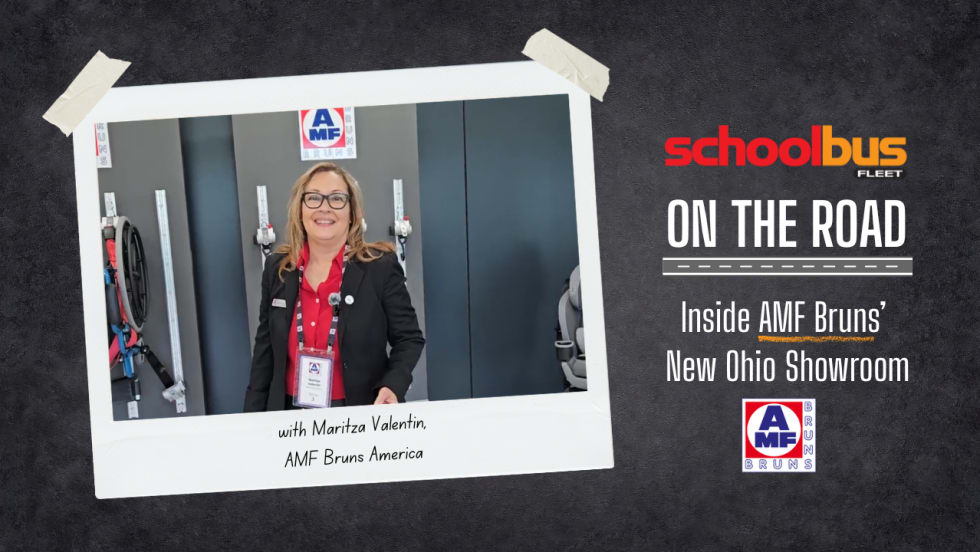
Inside AMF Bruns’ New Showroom: School Bus Securement Solutions Explained
Go inside AMF Bruns America’s new Ohio showroom with Maritza Valentin to see its FutureSafe technology, driver training tools, securement systems, and seating innovations.
Read More →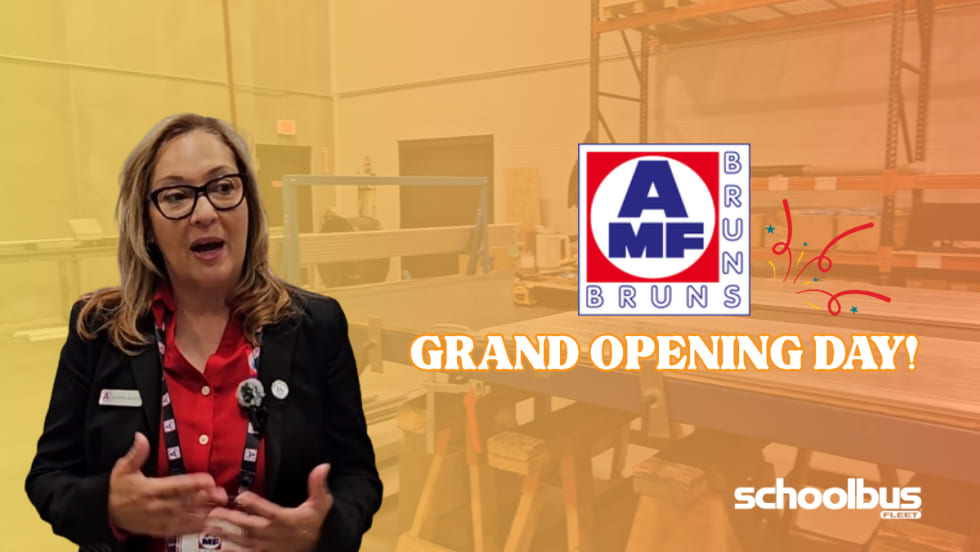
What AMF Bruns’ New Facility Means for Customers [Video]
Inside AMF Bruns’ new Stow, Ohio, operations: See how expanded space and innovation will enhance customer support and operations.
Read More →
2026 State of Student Transportation Report
Student transportation teams are being asked to do more with less, facing driver shortages, rising costs, and increasing safety expectations. This report uncovers how fleets are adapting, where technology is making the biggest impact, and why student ridership tracking is emerging as a top priority. Download the report to explore the key trends shaping 2026 and what they mean for your operation.
Read More →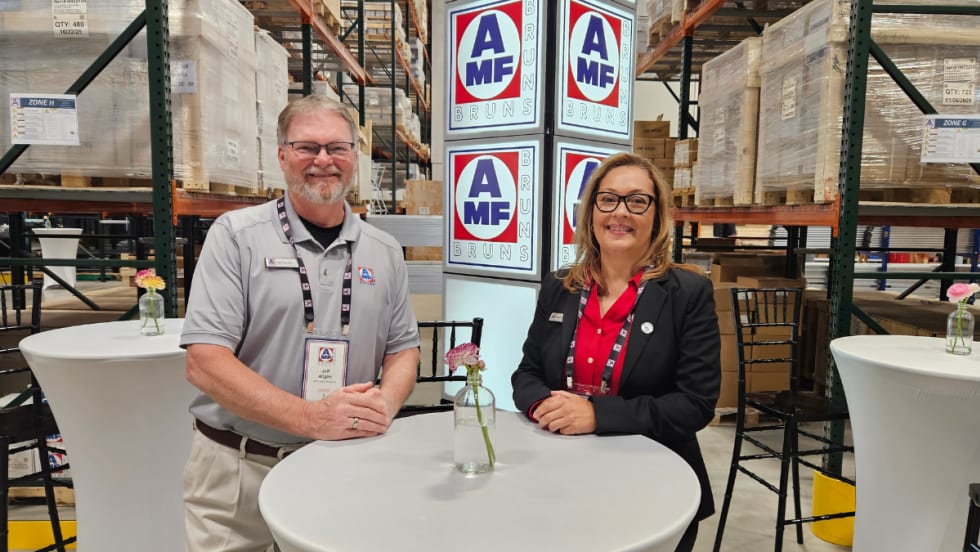
AMF Bruns Expands in Ohio, Investing in Growth and Community
With expanded production space, local investment, and a growing workforce, AMF Bruns is scaling its U.S. presence. Here’s an exclusive first look inside the new Stow, Ohio, HQ.
Read More →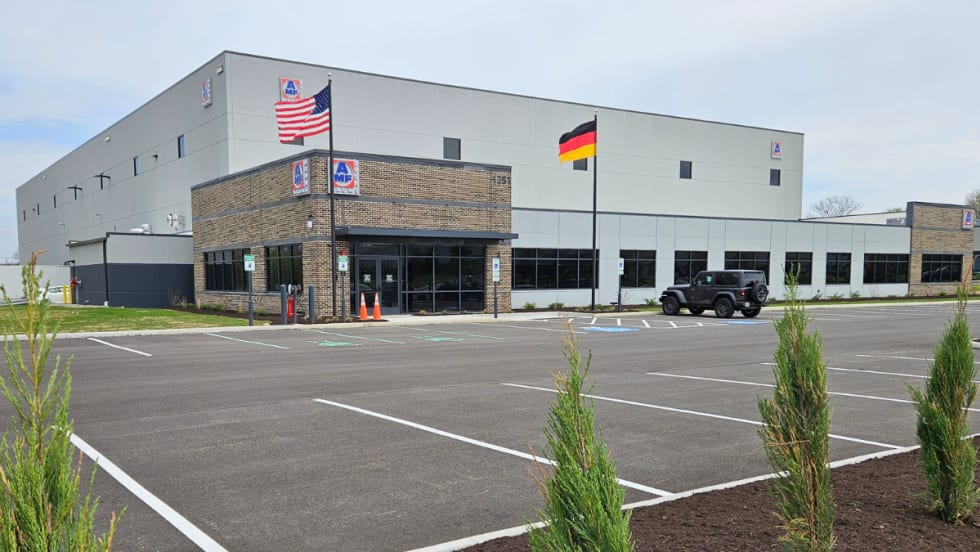
Inside AMF Bruns of America’s New Ohio Manufacturing Facility [Photos]
Take a behind-the-scenes look at AMF Bruns of America’s new 41,000-square-foot Stow, Ohio, headquarters, featuring advanced manufacturing, expanded space, and future-ready mobility solutions.
Read More →
First Student Boosts Student Support in Wichita & Texas
First Student and Wichita Public Schools are using behavioral support strategies to improve student ride experiences, while a separate initiative expands access to after-school programs through a bus donation.
Read More →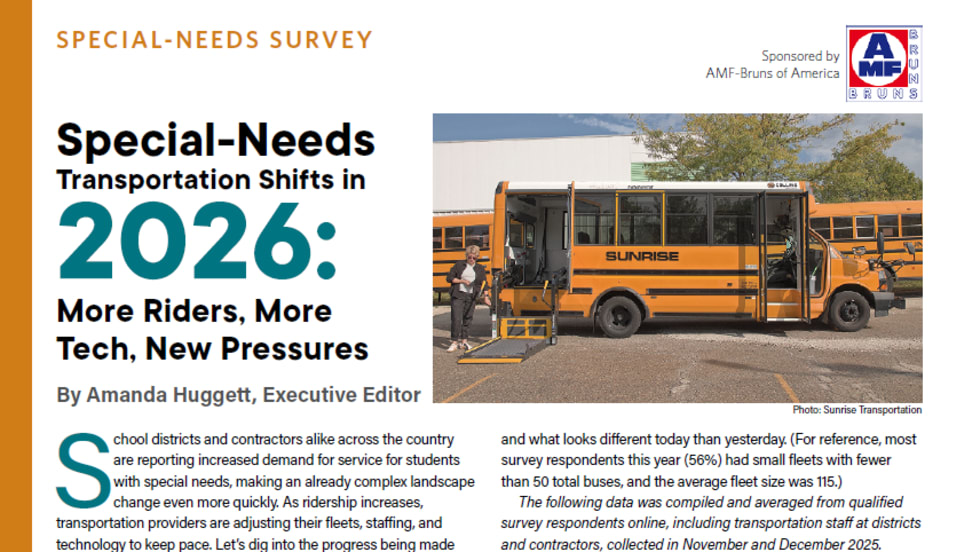
2026 Special-Needs Transportation Survey
What’s changing in special-needs transportation? This year, student transportation operators report a rising need, easing driver shortages, growing tech adoption, and evolving challenges. Sponsored by AMF Bruns of America.
Read More →