



Heat-sensitive students have special A/C needs
The heat-sensitive are prone to heat exhaustion or heat prostration during their bus ride. Cold-sensitive students require steady temperature levels high enough for their safety, health and comfort.
Air conditioning means different things to different special-needs students. Some humidity-sensitive students require carefully controlled humidity levels. The heat-sensitive are prone to heat exhaustion or heat prostration during their bus ride. Cold-sensitive students require steady temperature levels high enough for their safety, health and comfort. Meanwhile, some students tend to quickly dehydrate in heated or cooled buses, especially during long rides, and need to be allowed to bring beverages onboard. They require appropriate fluid intake, which needs to be monitored by the driver team. The bus assistant may be authorized by the physician and transportation supervisor to provide this additional service. Without this authorization, a nurse may be required to ride as a personal attendant to the student. One of the byproducts of this situation is that other students or their parents may insist on the same beverage privilege. This is manageable as long as the driver team does not permit ice-chewing (which carries a high risk of choking). Drivers and attendants also need to be aware of their own possible adverse reactions to temperature swings. Any temperature-related illness increases the risk of an accident.
What air conditioners do
Air conditioners really do condition the air. Not only do they cool the air, they also remove dust and dirt and lower humidity levels. That’s why it’s important to choose the right unit. The wrong unit not only wastes energy but also adds to passenger discomfort. Oversized systems cool the air too quickly, causing the unit to frequently switch off and on. This reduces its ability to remove moisture from the air and causes the bus to feel cold and clammy. An A/C unit that’s too small runs constantly without ever cooling the bus to a comfortable temperature. To pick the right cooling unit, follow the original equipment manufacturer recommendations. When an A/C bus is out of service and no similarly equipped spare is available, parents have the right to expect repairs or preventive maintenance to be completed quickly. One alternative is to pay the parents to transport the child. In addition, taxis or paratransit service may temporarily assist medically fragile or technology-dependent students. Ambulance service is a last resort; it is extremely expensive.
Lift buses pose A/C challenge
Buses with wheelchair lifts may require extra cooling capability because of the lengthy loading process. In addition, these buses may require heavy-duty alternators, additional bus insulation, window tinting and white roofs. If possible, store lift-equipped buses indoors or in the shade. The most efficient A/C unit can reduce the interior temperature by no more than 20 degrees. If the outdoor air temperature is 110 degrees, then the coolest the bus interior can reach is 90 degrees. Other ways to keep special-needs buses as cool as possible include the following:
Be sure the cooling system has been properly installed. All manufacturer instructions should be followed.
Keep the cool air inside by caulking or weatherstripping bus windows, lift doors and front and rear exit windows.
Avoid heat- or humidity-producing activities in special-needs students.
Maintain the cooling unit. This includes changing the filter at least once a month.
Dirty filters reduce A/C efficiency by 5 to 15 percent.
Keep vents clear. Check for obstructions caused by students’ personal belongings.
Ray Turner is a special-education transportation coordinator at Northside Independent School District in San Antonio, Texas.
More Special Needs Transportation

What More Than Two Million Rides Reveal About School Transit
More than two million student trips. Nearly 28million miles. Here's what that data reveals about the future of alternative student transportation.
Read More →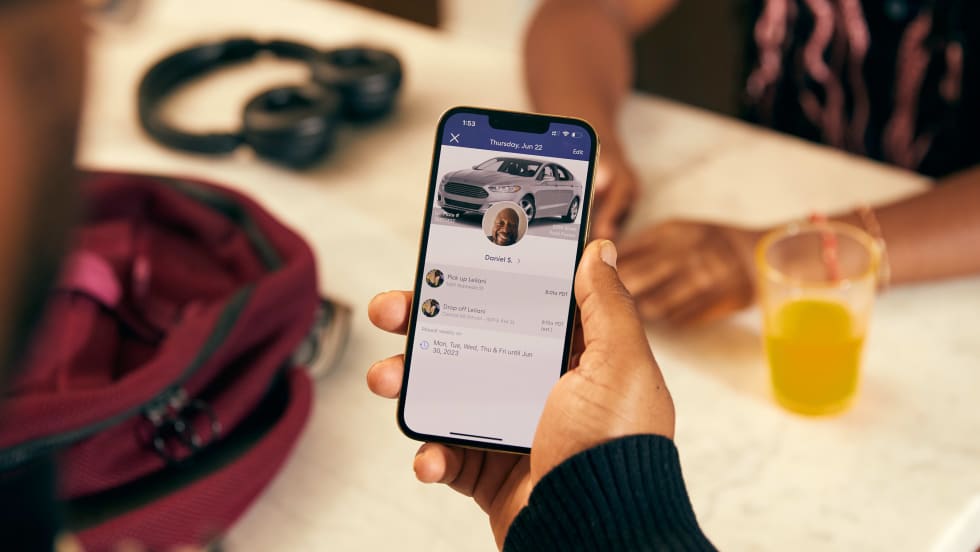
HopSkipDrive Launches New Safety, Driver Consistency Features for 2026-27 School Year
The company’s free ride recording, live ride tracking, and consistent driver assignments aim to improve safety and continuity for diverse student transportation needs.
Read More →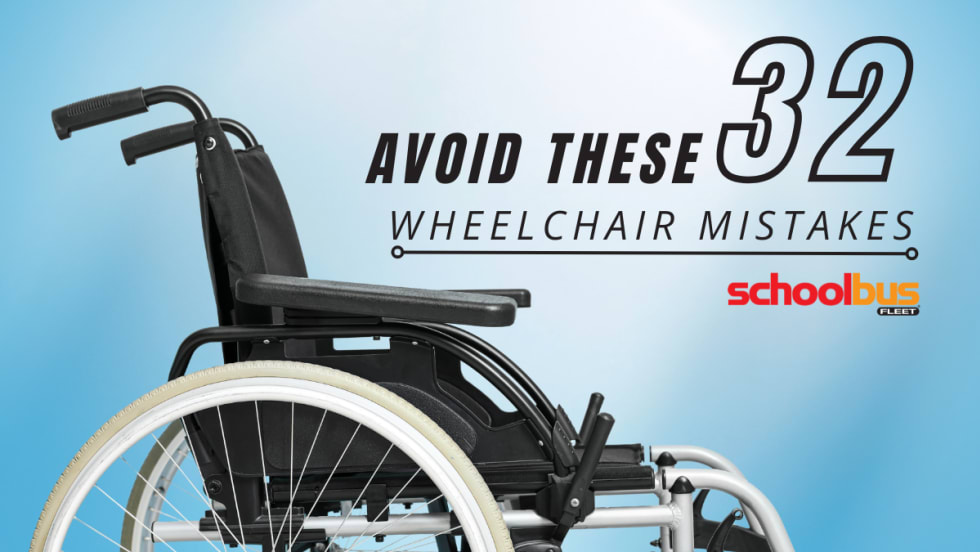
The Most Common Wheelchair Securement Mistakes on School Buses (and How to Fix Them)
Small missteps in wheelchair securement can have serious consequences. Here are 32 tips from experts to reduce risk and increase student safety on the bus.
Read More →
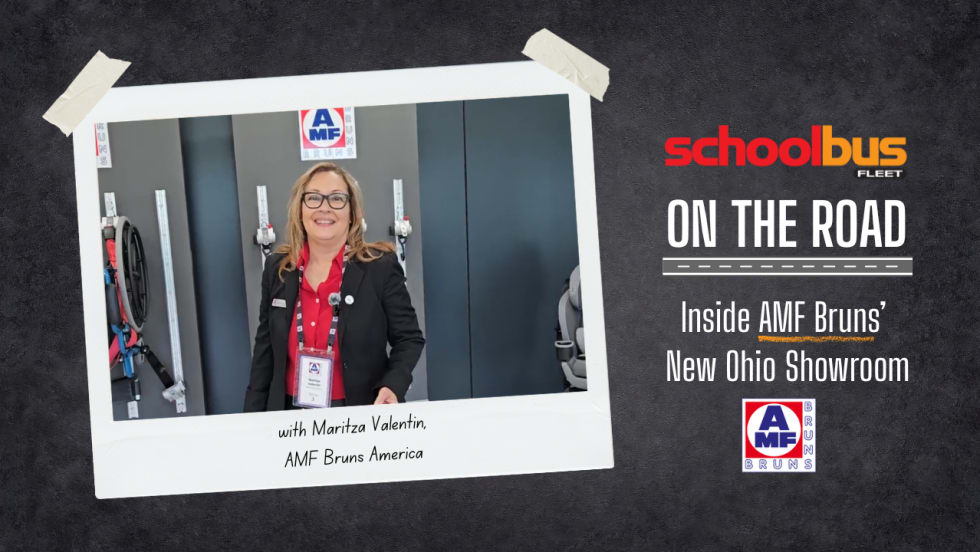
Inside AMF Bruns’ New Showroom: School Bus Securement Solutions Explained
Go inside AMF Bruns America’s new Ohio showroom with Maritza Valentin to see its FutureSafe technology, driver training tools, securement systems, and seating innovations.
Read More →
What AMF Bruns’ New Facility Means for Customers [Video]
Inside AMF Bruns’ new Stow, Ohio, operations: See how expanded space and innovation will enhance customer support and operations.
Read More →
2026 State of Student Transportation Report
Student transportation teams are being asked to do more with less, facing driver shortages, rising costs, and increasing safety expectations. This report uncovers how fleets are adapting, where technology is making the biggest impact, and why student ridership tracking is emerging as a top priority. Download the report to explore the key trends shaping 2026 and what they mean for your operation.
Read More →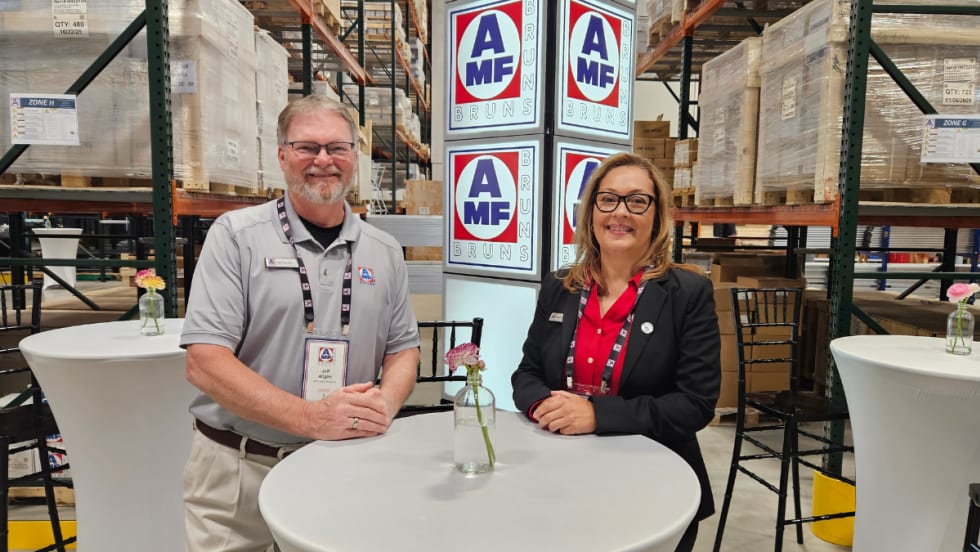
AMF Bruns Expands in Ohio, Investing in Growth and Community
With expanded production space, local investment, and a growing workforce, AMF Bruns is scaling its U.S. presence. Here’s an exclusive first look inside the new Stow, Ohio, HQ.
Read More →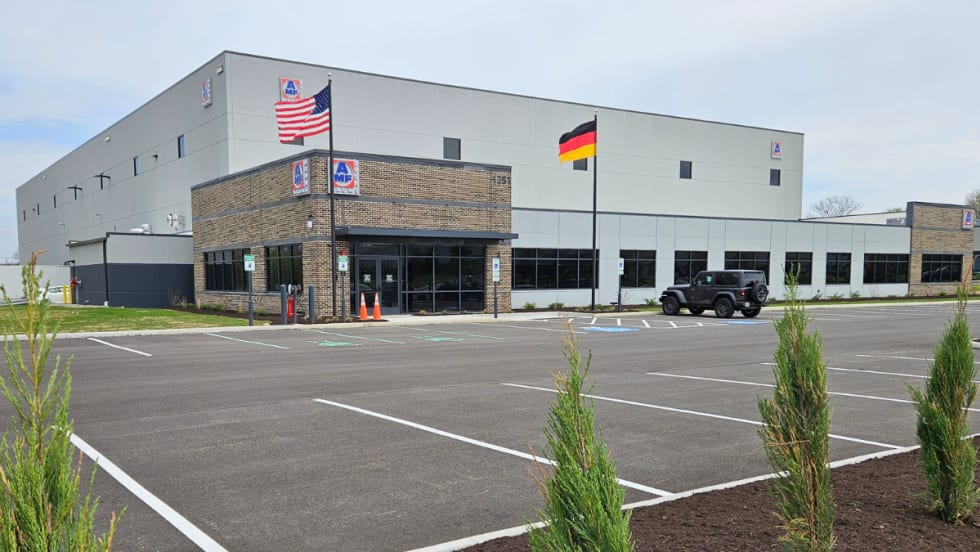
Inside AMF Bruns of America’s New Ohio Manufacturing Facility [Photos]
Take a behind-the-scenes look at AMF Bruns of America’s new 41,000-square-foot Stow, Ohio, headquarters, featuring advanced manufacturing, expanded space, and future-ready mobility solutions.
Read More →
First Student Boosts Student Support in Wichita & Texas
First Student and Wichita Public Schools are using behavioral support strategies to improve student ride experiences, while a separate initiative expands access to after-school programs through a bus donation.
Read More →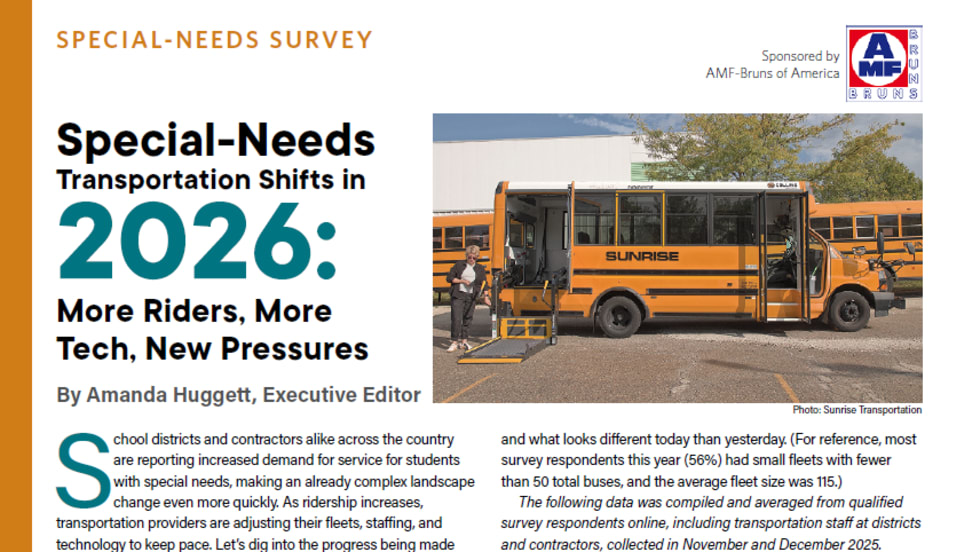
2026 Special-Needs Transportation Survey
What’s changing in special-needs transportation? This year, student transportation operators report a rising need, easing driver shortages, growing tech adoption, and evolving challenges. Sponsored by AMF Bruns of America.
Read More →