



Drivers who build bridges make the journey easier
Relationship-savvy drivers perceive the needs that underlie problem behavior, understand those needs aren't going away and find constructive ways to fulfill them.
From my discussions with hundreds of school bus drivers, I'm always amazed at how little behavioral support they receive from teachers and other professionals trained to deal with problem students. When they do get help, it is often in the form of elaborate procedures designed for classrooms rather than the "hothouse" conditions presented by a moving school bus. Good drivers realize, however, that behavior management is largely a relationships game — if their relationship with a student is good, that student will be more likely to comply with instructions when it really counts. Children behave or misbehave to get their wide-ranging needs met. Some students need control or independence. Others need attention and approval. Still others seek status or excitement. Relationship-savvy drivers perceive the needs that underlie problem behavior, understand those needs aren't going away and find constructive ways to fulfill them.
Implement reward systems
Showing genuine interest in student's concerns, efforts and achievements may be the easiest and most effective way to prevent problems and maintain constructive behavior. Yet, too often teachers and drivers alike are lulled into the belief that too much attention will create a "monster." But the question isn't, "How much attention is too much?" but rather, "How can this person get his need for attention met constructively?" "David" is a good example. Much time has been spent ignoring David's histrionics, but other students find him funny and the driver has tried warnings and restrictions to no long-term avail. Finally, a "Rider of the Week" system is implemented with the winner treated to lunch with a friend. After several weeks of seeing the award going to his quieter peers, David's behavior is sufficiently improved for him to win. Some students find the environment on the bus threatening, restrictive or simply too demanding. They may exhibit destructive or abusive behavior in an attempt to cope with whatever causes them so much stress. Good drivers not only avoid "power struggles" that could risk a verbal battle that escalates out of control, they also intervene to reduce the environmental stress that may trigger problem behavior.
Identify behavioral 'triggers'
It is commonplace for an individual's supposedly unpredictable and unprovoked behavior to be related to such things as proximity to other students, noise, the duration of the ride, staff or activities during the first or last class period. Environments are complex things, and sorting them out for behavioral "triggers" may be time-consuming, but is nearly always productive. Even when the triggers remain obscure, the following prevention strategies may be helpful. If a correction shows the right way to perform after a behavior has occurred, the following "pre-corrections" show the right way before the behavior occurs. A rule review is a responsive question-and-answer dialogue about the driver's expectations for the student. For example, before getting on the bus, "Eric" recites the rules for travel: no hands out the window, no yelling and so forth. Since he's eager to get home, boarding the bus is the reward for getting the rules right. Role-plays (done off the bus) and rehearsals (done on the bus) involve acting-out constructive responses to troublesome situations. They provide valuable practice and feedback for students willing to imagine themselves in the problem setting. Naturally, the ideal prevention strategy would provide individuals with the tools they need to manage their own behavior. One particular method is worth noting. Self-monitoring allows students to record their own behavior in whatever way is meaningful to them. Precision is less important than a display of progress. A "bad day" in these systems is seen merely as a temporary set-back to the accumulation of "good days," and even on a bad day the student can be praised for recording his data correctly!
Brent Toleman is a training consultant whose work with Georgetown University's Child Development Center included behavioral support training for nearly 400 drivers and aides with the Washington, D.C., public school system.
More Special Needs Transportation

What More Than Two Million Rides Reveal About School Transit
More than two million student trips. Nearly 28million miles. Here's what that data reveals about the future of alternative student transportation.
Read More →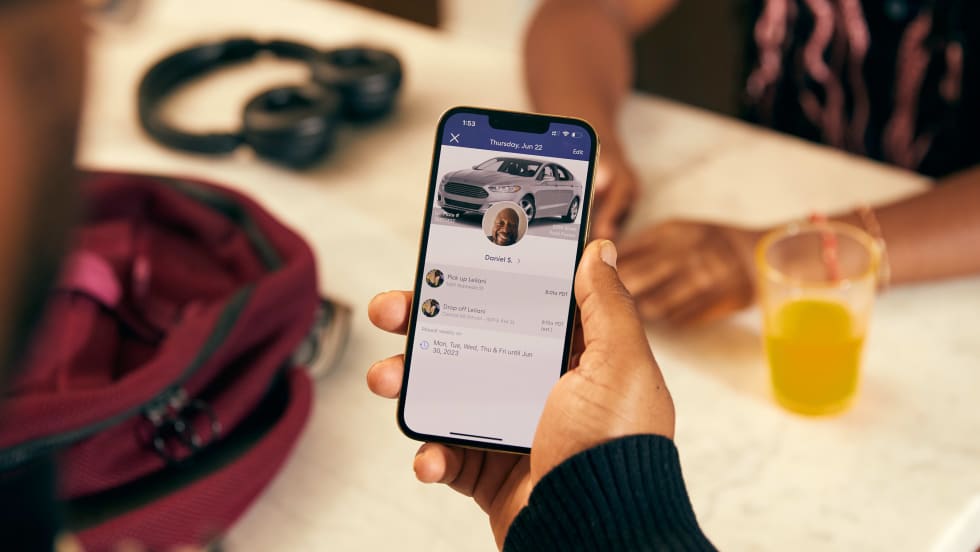
HopSkipDrive Launches New Safety, Driver Consistency Features for 2026-27 School Year
The company’s free ride recording, live ride tracking, and consistent driver assignments aim to improve safety and continuity for diverse student transportation needs.
Read More →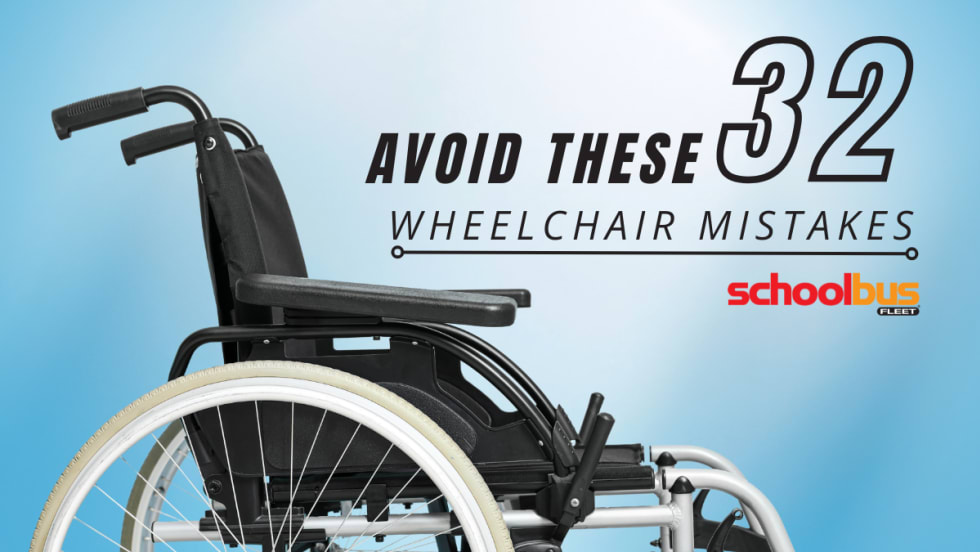
The Most Common Wheelchair Securement Mistakes on School Buses (and How to Fix Them)
Small missteps in wheelchair securement can have serious consequences. Here are 32 tips from experts to reduce risk and increase student safety on the bus.
Read More →
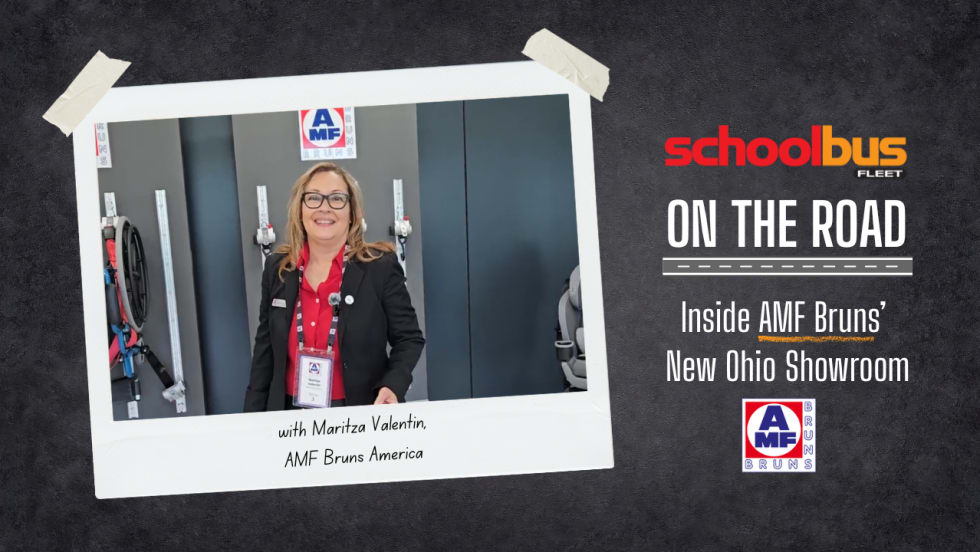
Inside AMF Bruns’ New Showroom: School Bus Securement Solutions Explained
Go inside AMF Bruns America’s new Ohio showroom with Maritza Valentin to see its FutureSafe technology, driver training tools, securement systems, and seating innovations.
Read More →
What AMF Bruns’ New Facility Means for Customers [Video]
Inside AMF Bruns’ new Stow, Ohio, operations: See how expanded space and innovation will enhance customer support and operations.
Read More →
2026 State of Student Transportation Report
Student transportation teams are being asked to do more with less, facing driver shortages, rising costs, and increasing safety expectations. This report uncovers how fleets are adapting, where technology is making the biggest impact, and why student ridership tracking is emerging as a top priority. Download the report to explore the key trends shaping 2026 and what they mean for your operation.
Read More →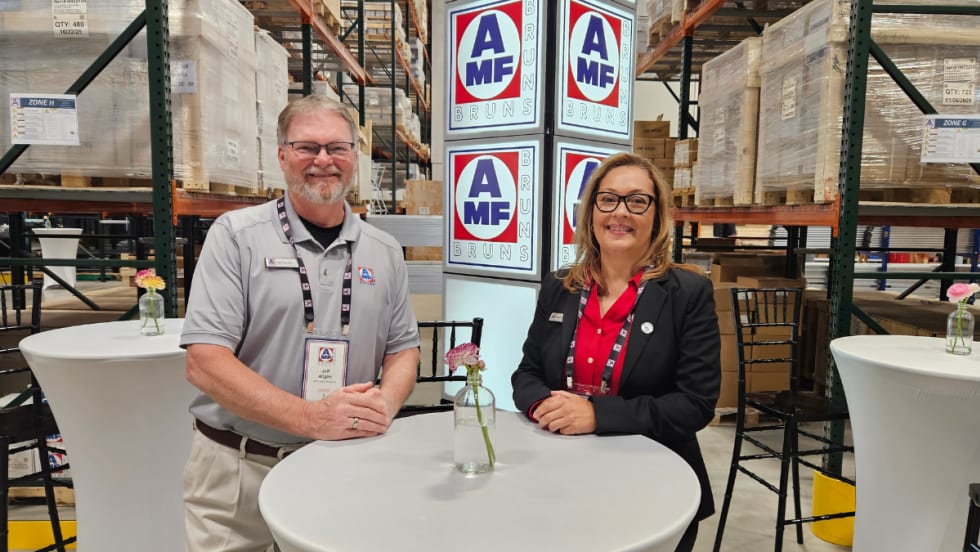
AMF Bruns Expands in Ohio, Investing in Growth and Community
With expanded production space, local investment, and a growing workforce, AMF Bruns is scaling its U.S. presence. Here’s an exclusive first look inside the new Stow, Ohio, HQ.
Read More →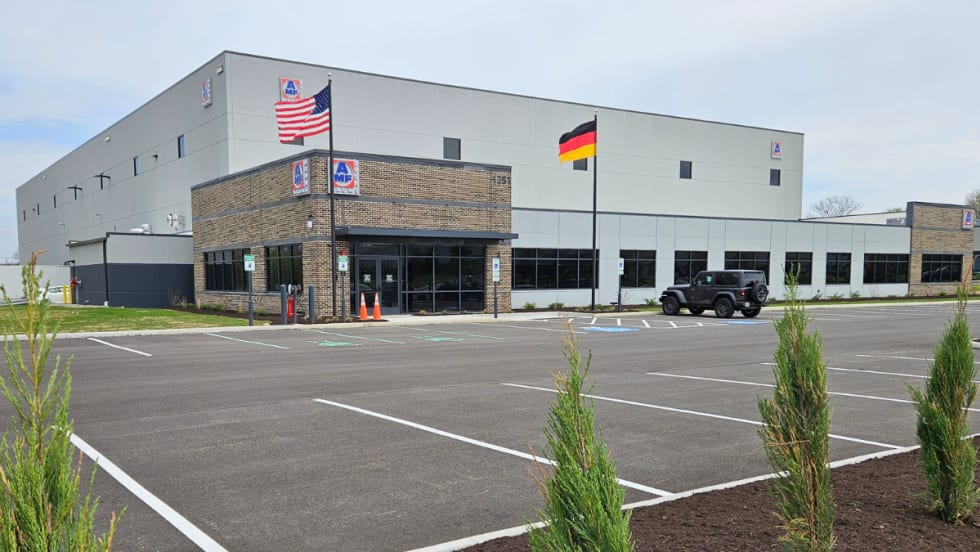
Inside AMF Bruns of America’s New Ohio Manufacturing Facility [Photos]
Take a behind-the-scenes look at AMF Bruns of America’s new 41,000-square-foot Stow, Ohio, headquarters, featuring advanced manufacturing, expanded space, and future-ready mobility solutions.
Read More →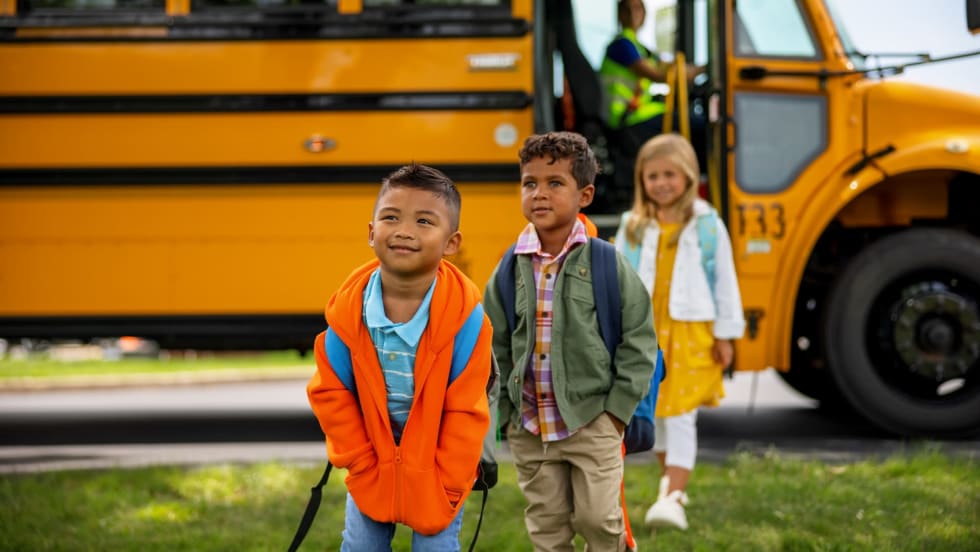
First Student Boosts Student Support in Wichita & Texas
First Student and Wichita Public Schools are using behavioral support strategies to improve student ride experiences, while a separate initiative expands access to after-school programs through a bus donation.
Read More →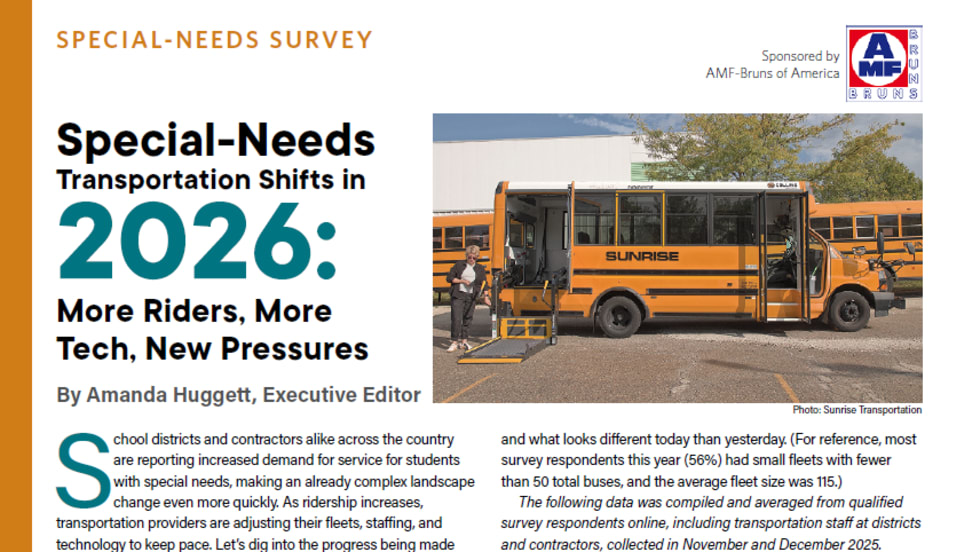
2026 Special-Needs Transportation Survey
What’s changing in special-needs transportation? This year, student transportation operators report a rising need, easing driver shortages, growing tech adoption, and evolving challenges. Sponsored by AMF Bruns of America.
Read More →