




NAPT News & Views — Safety performance: The silence is deafening
The public expectation of outstanding performance is now carved in stone based on decades of our industry doing just that. So, trying to get reporters interested in still another story about our safety record is challenging to say the least.
We’ve all heard that old line that goes like this: “OK, but what have you done for me lately?”
It comes to mind when talking school bus safety. Why? Because the public expectation of outstanding performance is now carved in stone based on decades of our industry doing just that. So, trying to get reporters interested in still another story about our safety record is challenging to say the least.
But it can be done with some effort, especially in communities where school bus budget, walking distances and similar topics are already on the public agenda. When that’s the case, sharing the safety facts with local reporters is important, and many of them will appreciate your outreach.
Those of us who monitor school bus industry media stories know there’s no shortage of yellow bus news, but rare are stories about the good safety and reliability record.
In the media culture of the day, good news usually travels slowly, but bad news races to the front of the line.
For example, here are just a few headlines from school bus stories around the country on one day in September last year: “Pickup crashes into bus; third school bus crash in Mitchel area this school year,” “Hundreds of Buses Fail Safety Inspections in 2 States,” “Lack of mechanics mean long waits for DeKalb school buses,” and “Idaho kindergartner forgotten on school bus, spent half-hour alone in district.”
These are typical of the messages the public gets every day. Many have a negative cast and certainly do nothing to encourage strong public support during tough economic times when budgets are on the chopping block. Worse, there is little that can be done locally to alter this drumbeat.
The bad news will not be put aside for a good news story. But once in a while, it would be nice to see some good news at least intermingled in an otherwise not-so-good story to provide balance.
Even the feds usually are not able to penetrate the media bubble that thrives on the sensational over the more mundane.
To wit, there was a worthy story that could have been highlighted in September last year that — to our knowledge — got no major media coverage at the very time most children were heading back to school: the release of the National Highway Traffic Safety Administration’s (NHTSA) “Traffic Safety Facts: School Transportation-Related Crashes,” a bottom-line summary of crashes over the last decade.
Isn’t this information that parents, city councils, mayors and others who decide education budgets need to hear? We sure think so.
NHTSA looked at its data from 2001 to 2010 and provided a high-megapixel image of the safety performance of our industry.
The agency included in its analysis crashes involving, “either directly or indirectly, a school bus body vehicle, or a non-school bus functioning as a school bus, transporting children to or from school or school-related activities.”
Just to be clear, this definition includes people killed riding in other vehicles that were involved in a school bus-related crash. And, that’s the largest share of the fatalities: 72%. School bus occupants accounted for just 7% of the fatalities, and pedestrians, bicyclists, etc. accounted for 21%.
Here are some key factoids:
• From 2001 to 2010, there was a total of 363,839 fatal motor vehicle crashes of all kinds. Of those, 1,236 (0.34%) were considered school-transportation related — 1,368 deaths.
• An average of 18 school-age children are killed each year in school transportation-related crashes — six occupants of school transportation vehicles and 12 pedestrians.
• On average, nine school-age pedestrians are killed by school transportation vehicles (school buses and non-school bus vehicles used as school buses) each year, and three are killed by other vehicles involved in school bus-related crashes.
• From 2001 to 2010, 123 school-age pedestrians (younger than 19) died in school transportation-related crashes. Forty-nine (40%) were between ages 5 and 7. Sixty-nine percent were struck by school buses, 5% by vehicles functioning as school buses and 26% by other vehicles involved in the crashes.
• Also during that time period, three drivers and one passenger died in school bus body vehicles providing transportation for purposes other than school or school-related activities (churches, civic organizations, etc.).
The NHTSA data are broken down by categories like year, time of day and crash type. School bus professionals should have the entire fact sheet available to offer reporters and elected officials. It’s available here.
More Safety
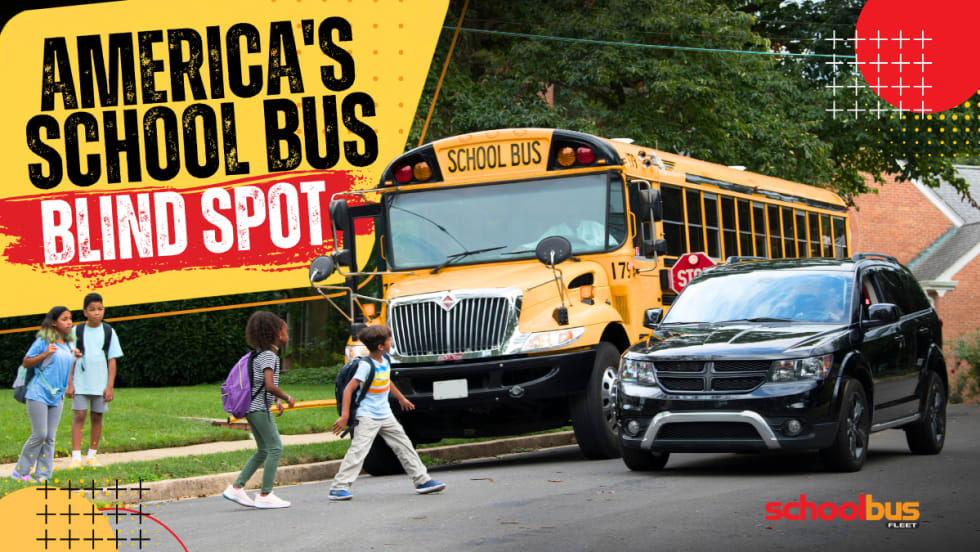
America Has a School Bus Passing Problem — and Distraction Is Making It Worse
Illegal school bus passing remains a major safety threat as distracted driving rises. This op-ed explores why awareness, enforcement, and stop-arm cameras matter more than ever.
Read More →
School Bus Laws to Watch: New York Delays EV Mandate
Plus, federal lawmakers seek new funding for school bus safety as states weigh stop-arm enforcement, disability protections, and education spending.
Read More →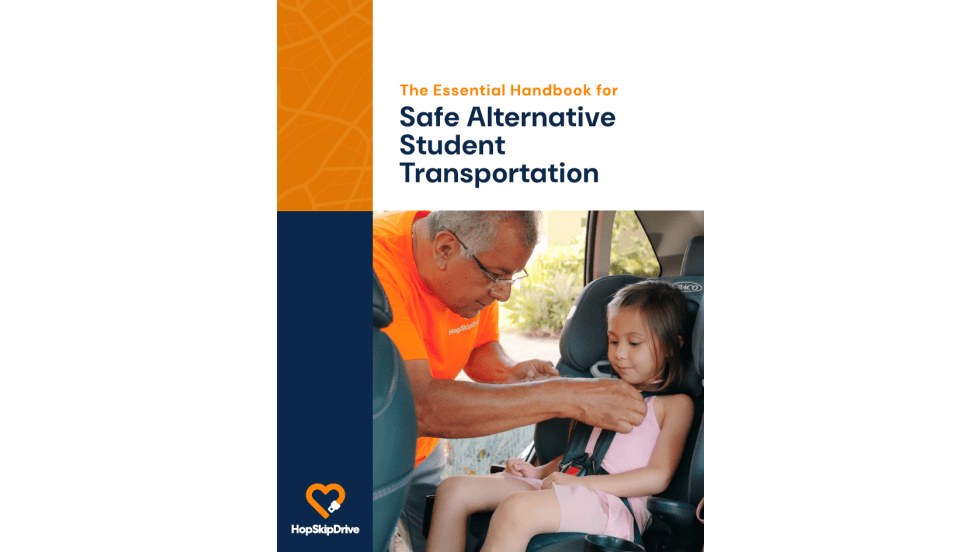
The Essential Handbook for Safe Alternative Student Transportation
Your district's "exception riders" — students with IEPs, those experiencing homelessness, foster care youth — deserve more than a middleman solution. This handbook breaks down exactly what to look for in a supplemental transportation partner: from driver vetting and regulatory compliance to proactive safety technology. Because getting a ride isn't the same as getting a safe one.
Read More →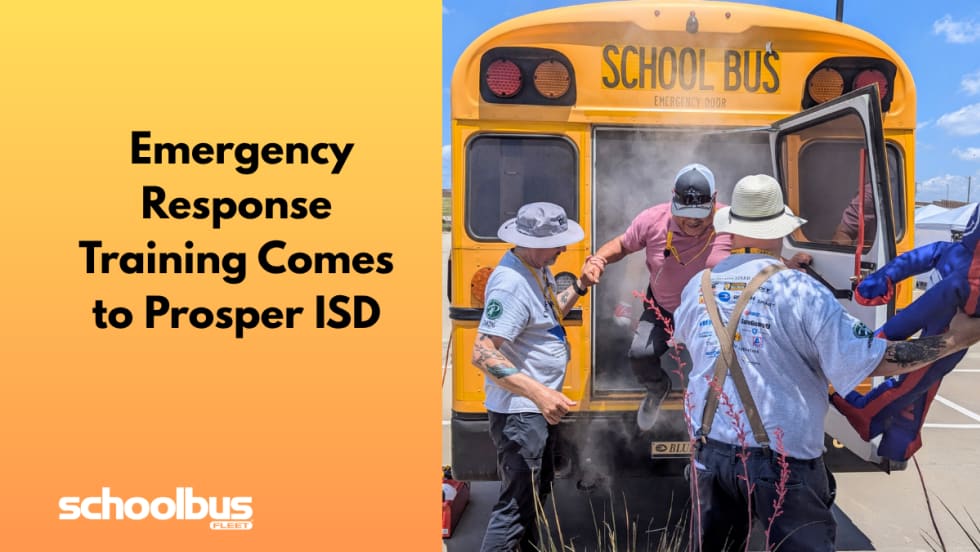
Operation STEER Brings Emergency Response Training to North Texas
Prosper ISD hosted the third annual training for transportation professionals across 67 districts to learn how to respond to emergencies, such as rollovers and evacuations, and proper use of safety equipment.
Read More →
Florida District Relaunches BusPatrol School Bus Camera Program With New Safeguards
After being suspended over due process concerns, Miami-Dade schools and law enforcement are restarting the AI-powered stop-arm camera program with new oversight.
Read More →
School Bus Laws To Watch: Seat Belt Bills, Funding Fights & EV Changes
From national bills on seat belts and driver oversight to driver awareness campaigns referencing “Finn’s Rule” and ongoing transportation funding debates in Alaska, here’s the latest in school bus legislation across the U.S.
Read More →
9-Year-Old Boy Killed by School Bus at Busy Brooklyn Intersection
A Williamsburg community is mourning after a child was fatally struck by a private yeshiva bus, prompting calls for urgent safety improvements at the high-traffic crossing.
Read More →
Does Reliable School Transportation Boost Attendance? EverDriven’s Data Says Yes
The new data shows 99.99% incident-free trips and strong on-time performance, reinforcing how dependable transportation, especially for vulnerable student populations, can help districts combat chronic absenteeism.
Read More →
NTSB Calls for Alcohol Impairment Systems, Seat Belts After W.V. Crash Investigation
The federal agency's report asks NHTSA to require all new school buses to be equipped with vehicle-integrated alcohol detection systems and passenger lap-shoulder belts.
Read More →
2026 State of Student Transportation Report
Student transportation teams are being asked to do more with less, facing driver shortages, rising costs, and increasing safety expectations. This report uncovers how fleets are adapting, where technology is making the biggest impact, and why student ridership tracking is emerging as a top priority. Download the report to explore the key trends shaping 2026 and what they mean for your operation.
Read More →