




The case for crossing arms
Many actions have resulted in reducing the overall average danger zone fatalities from 29 to 12, but by far the greatest reduction is in front of the bus — a 73% reduction compared to 47% in the other positions. Jeff Cassell, president of the School Bus Safety Co., says he believes the answer is crossing arms.
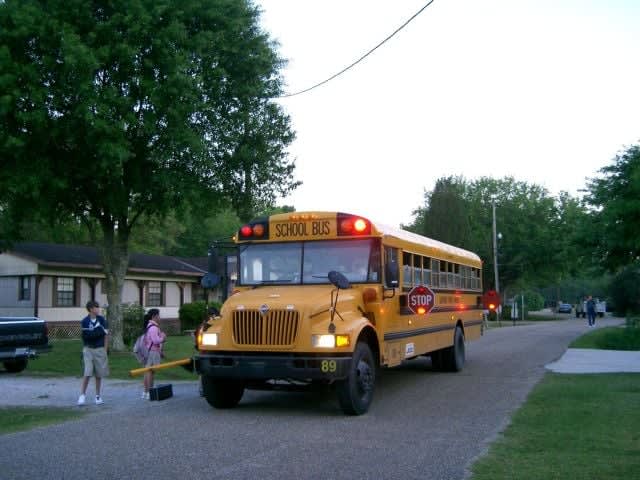
In the past eight years, 92 children were killed in the danger zone of school buses. This is an average of about 12 per year.
As we analyze these catastrophes, we learn that 25 of these were children who went in front of the bus. There is no doubt in my mind that crossing arms are effective in preventing front-of-the-bus child fatalities.
Why doesn’t every school bus have a crossing arm? A very good question. It is estimated that around 50% of the school buses in the U.S. currently have crossing arms.
A total of 26 states have regulations requiring crossing arms; 24 and the District of Columbia do not. I believe they should.
Crossing arms are inexpensive compared to the rest of the items you can add to a school bus — cost is only around $250. In addition, crossing arms require very little maintenance.
I was the vice president of corporate risk management for Laidlaw for almost 21 years. Over this period, the company grew from a fleet of 15,000 school buses to 38,000 school buses.
In the first 10 years, without crossing arms, we had 15 child fatalities at the front of the bus. In the next 10 years, with crossing arms, we had one child fatality at the front of the bus.
That drop from 15 to one, with a larger fleet, very clearly shows the effectiveness of crossing arms.
The fitting of crossing arms really started to increase in 1997. Before then, only a small number of buses had them. To look at the U.S. danger zone fatalities before and after 1997, see the chart.
Annual average front-of-bus danger zone fatalitiesAnnual average danger zone fatalities in other positionsTotal danger zone fatalities14 years before crossing arms (1983 to 1996) 11.6 17.9 29.5 14 years after crossing arms (1997 to 2010) 3.1 9.5 12.6 Reduction 73% 47% 57%
The data in that chart were taken from the Kansas State Department of Education’s national surveys of school bus danger zone fatalities (see story about the latest survey here).
Many actions have resulted in reducing the overall average fatalities from 29 to 12, but as you can see, by far the greatest reduction is in front of the bus — a 73% reduction compared to 47% in the other positions. I believe the answer is crossing arms, and these data support this belief.
A total of 26 states have already made crossing arms mandatory. Some of the major contractors are convinced that they are necessary and have them fitted on all of their school buses. The data from Laidlaw overwhelmingly prove that they work. The national data prove that they work.
If you do not have crossing arms on any of your buses, fit them as soon as possible.
State directors and state associations of pupil transportation, please do all you can to get these required in your state.
Please note: The School Bus Safety Co. has no financial interest in crossing arms. Our only interest is reducing danger zone fatalities from 12 to zero. Installing crossing arms is a necessary step.
Jeff Cassell is president of the School Bus Safety Co.
More Safety
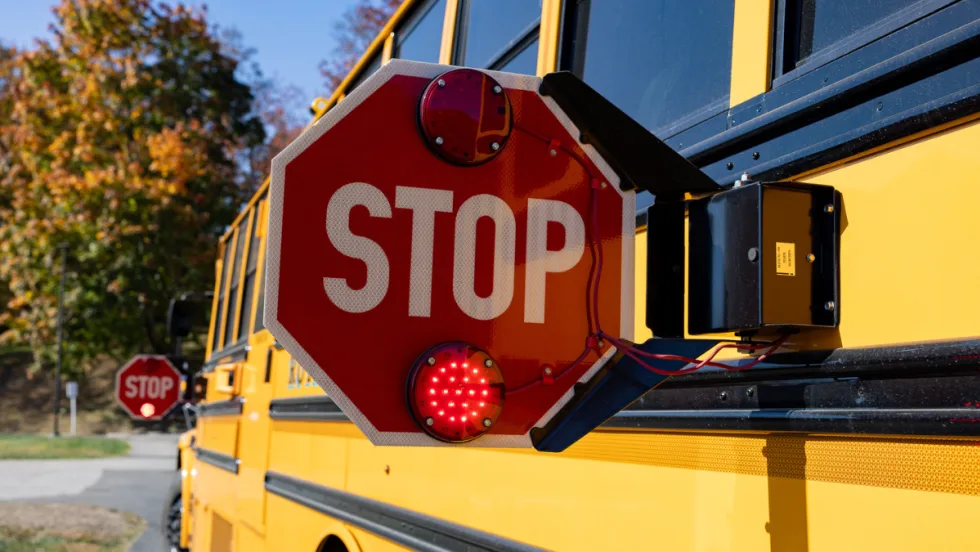
Illegal School Bus Passing Drops 24% in New York Districts
With fewer than 5% of citations involving repeat offenders, Westchester County officials said enforcement, education, and community partnerships are helping change driver behavior.
Read More →
School's Back. Here's What Happened to Traffic, Speeding & Distraction
What happens to traffic when school resumes? New data analysis examines changes in distracted driving, congestion, and speeding around schools.
Read More →
Geotab Expands Fleet Safety Tools With Video Coaching, Risk Insights
New safety and video capabilities aim to help fleet managers assess risk, support drivers, and take targeted action through video coaching, red-light violation detection, and more.
Read More →
How to Build a Better School Bus Driver Training Program
Is it time to strengthen your driver training? Here’s how to pick the right talent and improve recruitment, retention, and safety. This video is brought to you by IC Bus.
Read More →
Recent School Bus Accidents Leave 2 Dead, 2 Injured
Four school bus crashes in Florida, Illinois, and Georgia highlight risks in transportation lots, at bus stops, and during student loading and unloading.
Read More →
When Every Second Matters, Clarity Keeps Routes Moving
From routine delays to urgent incidents, strong communication practices help drivers, dispatchers, schools, and families respond with confidence.
Read More →
What Happens When a School Bus Catches Fire — and What Can Help
School bus fires are rare but can be devastating. Learn how advances in fire suppression and asset protection help fleets detect fires earlier, reduce damage, and improve safety.
Read More →
Geotab Launches Tool to Help Fleets Investigate Road Incidents
Geotab Investigations combines telematics data, video, documents, and other evidence to help fleets reconstruct incidents, resolve claims, and determine what happened.
Read More →
Texas Sixth Grader Wins 2026 National School Bus Safety Poster Contest
Sai Darshana Yekolu of Moseley Middle School in Prosper, Texas, was named the newest winner for her artwork, bringing the theme of “Safe Rides, Everyday Heroes” to life.
Read More →
Doing More With Less: How Transportation Directors Can Prioritize Safety Amid Budget Uncertainty
With diesel prices soaring and nearly one-third of transportation directors expecting budget cuts, maintaining student safety has never been more challenging. Download this guide to learn how leading districts are prioritizing risk, funding critical safety technology, and building stronger budget cases with data.
Read More →