




Sleep for safety
Good sleep is important for everyone’s well-being, but it’s even more crucial for those who work in transportation.
How many times has this happened to you? You get home from work and tell yourself, “I’m going to bed early tonight” — only to get caught up in other tasks and, before you know it, it’s too late to turn in early.
Sometimes it seems like “catch up on sleep” is always on our to-do list. Even when we can get to bed at a decent hour, some of us struggle to fall asleep — or to stay asleep.
Good sleep is important for everyone’s well-being, but it’s even more crucial for those who work in transportation.
This issue was explored in a recent study by the National Sleep Foundation (NSF). The group said its 2012 Sleep in America poll is the first to ask transportation professionals — including pilots, train operators, and truck, bus, taxi and limo drivers — about sleep habits and work performance.
Among the findings: About one-fourth of train operators and pilots admit that sleepiness has affected their job performance at least once a week. Also, one in five pilots admit that they have made a serious error, and about one in six train operators and truck drivers say that they have had a “near miss,” due to sleepiness.
The study drew a federal-level response.
“The results of the NSF poll should serve as a literal ‘wake-up call,’” said Deborah Hersman, chairman of the National Transportation Safety Board. “Inadequate sleep puts lives at risk — we see this over and over in our accident investigations.”
In the poll results, bus drivers were grouped with taxi and limo drivers. School bus drivers were about 43 percent of the respondents in the bus/taxi/limo category.
The bus/taxi/limo group seemed to fare better than others in some key issues. For example, 10 percent of them said that sleepiness has affected their job performance at least once a week, compared with 23 percent of pilots, 26 percent of train operators and 15 percent of truck drivers.
NSF also issued tips for those who struggle with sleep:
• Go to sleep and wake at the same time every day, and avoid spending more time in bed than needed.
• Use bright light to help manage your “body clock.” Avoid bright light in the evening, and expose yourself to sunlight in the morning.
• Use your bedroom only for sleep to strengthen the association between your bed and sleep. It may help to remove work materials, computers and televisions from your bedroom.
• Select a relaxing bedtime ritual, like a warm bath or listening to calming music.
• Create an environment that is conducive to sleep — quiet, dark and cool with a comfortable mattress and pillows.
• Save your worries for the daytime. If concerns come to mind, write them in a “worry book” so you can address those issues the next day.
• If you can’t sleep, go into another room and do something relaxing until you feel tired.
• Exercise regularly, but avoid vigorous workouts close to bedtime.
Everyone can benefit from at least some of these suggestions. No matter what type of work we do, we’ll be healthier, safer and more productive when we get a good night’s sleep.
More Safety
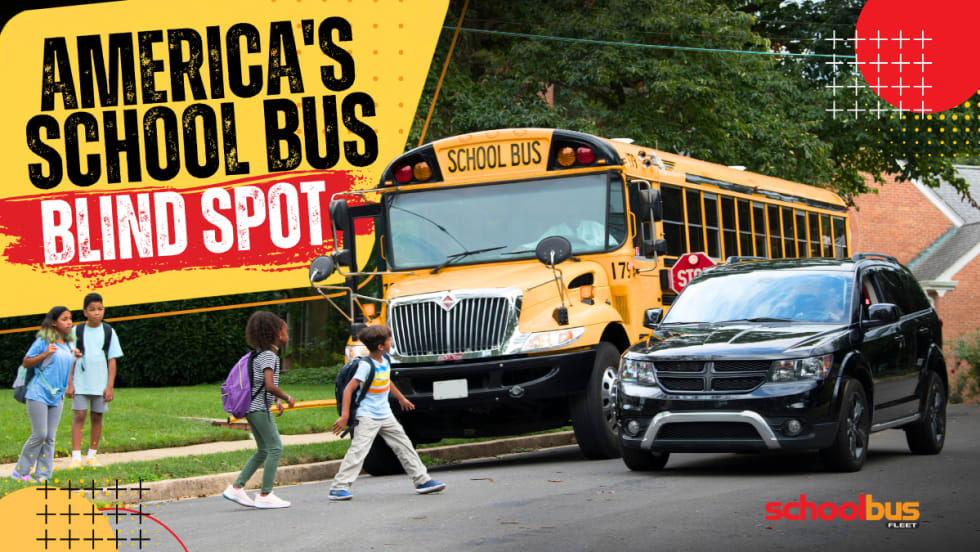
America Has a School Bus Passing Problem — and Distraction Is Making It Worse
Illegal school bus passing remains a major safety threat as distracted driving rises. This op-ed explores why awareness, enforcement, and stop-arm cameras matter more than ever.
Read More →
School Bus Laws to Watch: New York Delays EV Mandate
Plus, federal lawmakers seek new funding for school bus safety as states weigh stop-arm enforcement, disability protections, and education spending.
Read More →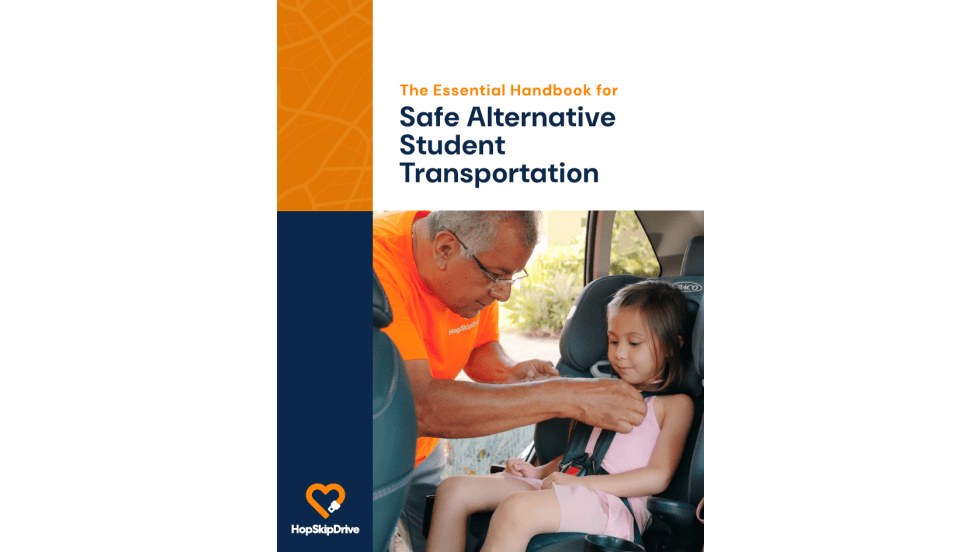
The Essential Handbook for Safe Alternative Student Transportation
Your district's "exception riders" — students with IEPs, those experiencing homelessness, foster care youth — deserve more than a middleman solution. This handbook breaks down exactly what to look for in a supplemental transportation partner: from driver vetting and regulatory compliance to proactive safety technology. Because getting a ride isn't the same as getting a safe one.
Read More →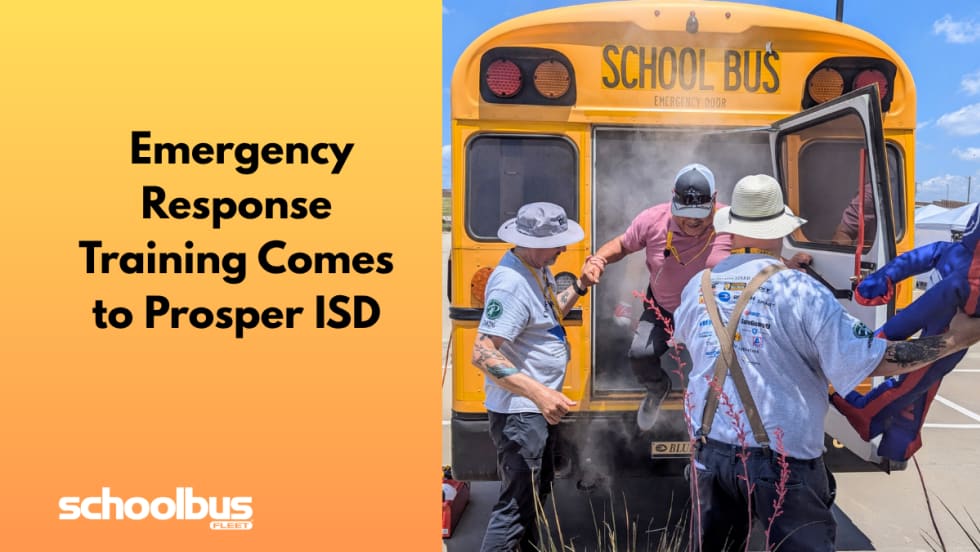
Operation STEER Brings Emergency Response Training to North Texas
Prosper ISD hosted the third annual training for transportation professionals across 67 districts to learn how to respond to emergencies, such as rollovers and evacuations, and proper use of safety equipment.
Read More →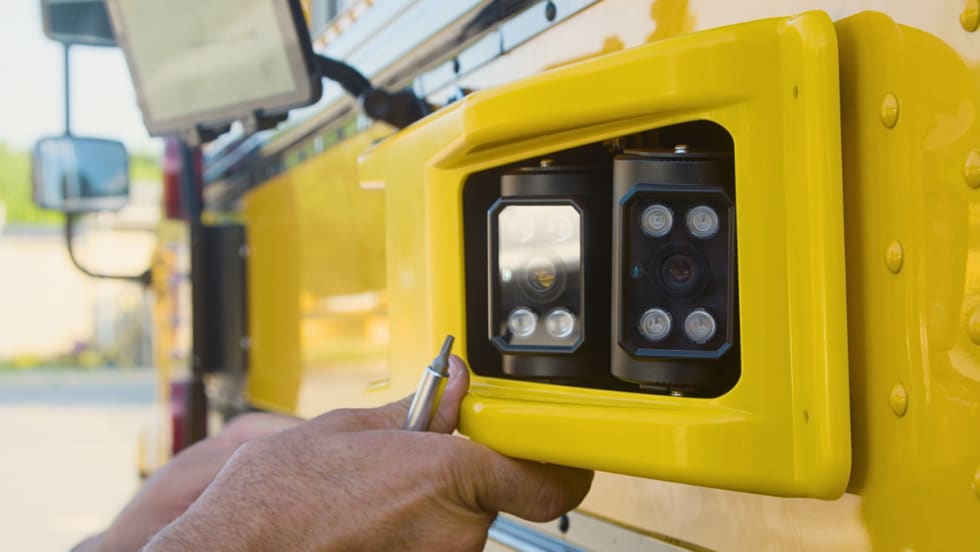
Florida District Relaunches BusPatrol School Bus Camera Program With New Safeguards
After being suspended over due process concerns, Miami-Dade schools and law enforcement are restarting the AI-powered stop-arm camera program with new oversight.
Read More →
School Bus Laws To Watch: Seat Belt Bills, Funding Fights & EV Changes
From national bills on seat belts and driver oversight to driver awareness campaigns referencing “Finn’s Rule” and ongoing transportation funding debates in Alaska, here’s the latest in school bus legislation across the U.S.
Read More →
9-Year-Old Boy Killed by School Bus at Busy Brooklyn Intersection
A Williamsburg community is mourning after a child was fatally struck by a private yeshiva bus, prompting calls for urgent safety improvements at the high-traffic crossing.
Read More →
Does Reliable School Transportation Boost Attendance? EverDriven’s Data Says Yes
The new data shows 99.99% incident-free trips and strong on-time performance, reinforcing how dependable transportation, especially for vulnerable student populations, can help districts combat chronic absenteeism.
Read More →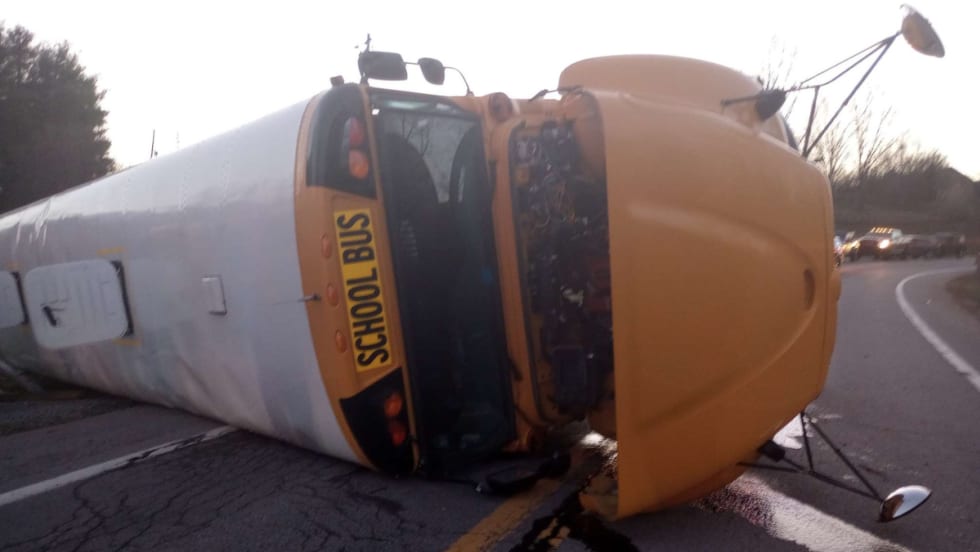
NTSB Calls for Alcohol Impairment Systems, Seat Belts After W.V. Crash Investigation
The federal agency's report asks NHTSA to require all new school buses to be equipped with vehicle-integrated alcohol detection systems and passenger lap-shoulder belts.
Read More →
2026 State of Student Transportation Report
Student transportation teams are being asked to do more with less, facing driver shortages, rising costs, and increasing safety expectations. This report uncovers how fleets are adapting, where technology is making the biggest impact, and why student ridership tracking is emerging as a top priority. Download the report to explore the key trends shaping 2026 and what they mean for your operation.
Read More →