




Managing Student Behavior Improves Onboard Safety
Pupil transporters discuss practices they have established toward this effort, such as assigned seating. They also address the importance of creating policies on eating and drinking and transporting backpacks and instruments, as well as ways to reduce noise inside the bus.

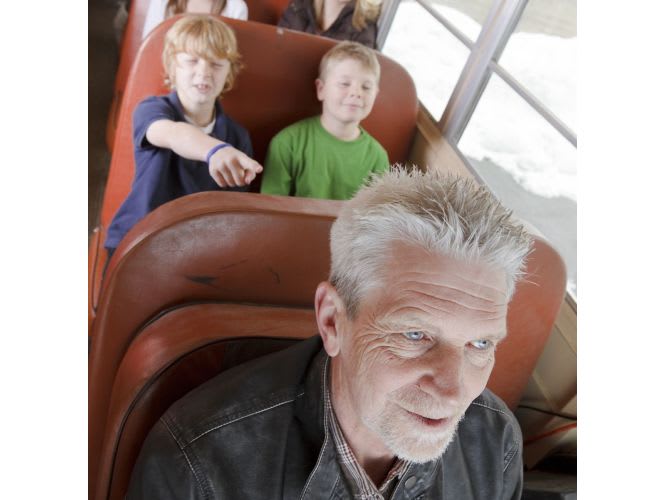
There are many facets to ensuring that students have a safe ride to and from school, and a substantial one is maintaining a safe environment within the bus.
Keeping students’ behavior under control is integral to achieving this environment, and operations have implemented policies, programs and technology to support this effort.
“Surveillance cameras in the bus have been a great behavior management tool once the students realize they are being watched,” says Charlotte Trejbal, transportation supervisor at Freeman School District in Rockford, Wash.
John Nunes, transportation supervisor for Vail (Ariz.) School District, agrees and adds that cameras have been a great asset in terms of increasing safety on his operation’s buses.
“When something happens, we have a video record of it — we can deal with bullying or any accident issues. It makes our operation very transparent,” he says.
Operations enforce assigned seating, reward good behavior
Assigned seating can also encourage good student behavior. In general, officials say they arrange their passengers so that young students sit toward the front of the bus (it is easier for the driver to monitor them), middle school students sit in the middle and high school students sit in the back.
In addition to assigned seating, Trejbal says students receive “Outstanding You” certificates for following all of the bus rules and keeping their voices down during the ride. Students turn in their certificates at a store at their school and receive an item of their choice. Then, their name is entered in a weekly drawing for a prize.
The program is run by the district’s principals and teachers for rewarding good behavior on the bus and in all areas of school.
“We are fortunate that our principals and administrators are very supportive of our efforts to provide safe transportation,” Trejbal says. “We are included in their Positive Behavioral Interventions and Supports (PBIS) system, so the same message is being received by the students from all the staff.”
Vail School District’s transportation department is in the process of implementing the PBIS system. Nunes says the staff is working with personnel at the University of Arizona to modify the program for use on school buses.
Moreover, the operation enforces assigned seating for their bus riders, and drivers are required to stay on their routes for a minimum of two years. Nunes says this enables the drivers to get to know students, which has helped to keep their behavior under control.
Mike Hayward is transportation director at Andrew (Iowa) Community School, and he regularly drives a bus for the school system. He has also found that maintaining a good relationship with students can improve their bus riding behavior.
Hayward takes an interest in his passengers’ lives. He has also made his bus rules clear and has established consequences if they are not followed.
“We treat our kids with mutual respect and that works well, but you can’t be their friend — you have to be the pack leader,” he explains.
Noise-reduction practices and technology
In conjunction with ensuring that students have proper bus etiquette, keeping them quiet will help the driver concentrate, facilitating a safe ride. Hayward says that playing the radio can help to reduce noise, as the students are inclined to listen to the music rather than talk. Scott Thorner, transportation manager at Star and Strand Transportation in Troy, N.Y., agrees.
“We’re very strict about what we allow to be played, but we give students a choice and I think it helps a lot,” he says.
Sound-dampening ceilings can also decrease noise in a school bus. All of Freeman School District’s newer buses have this feature, and Nunes says his new units do, too.
“On the buses that we acquired last year, we have some sound barriers that we put in the engine compartment so that we don’t get as much engine noise in the bus,” he adds.
(For information on a device that sounds an alarm when students become too loud on the bus, click here.)
[PAGEBREAK]

No food or drinks allowed
Due to the choking hazard that food and drinks can present, many operations do not allow these items to be consumed on the bus, and they have a policy that states as much. Nunes says that the cameras in Vail School District’s buses have helped to ensure that students are adhering to his operation’s policy.
Trejbal, on the other hand, has found it difficult to enforce her operation’s policy in spite of the cameras on many of her operation’s route buses, as students are adept at hiding behind the buses’ high seat backs while eating.
“Students who are observed breaking the rule sweep the bus for a few days, and a note is sent home to their parents,” she says. “If the problem continues, the principals take over with inhouse detention — that usually takes care of the problem.”
At Star and Strand Transportation, the operation’s no eating and drinking policy applies to students, bus drivers and monitors. Thorner says buses are checked while drivers are performing their pre-trip inspections to make sure there aren’t food or beverages inside.
Bus aisle and exits should be kept clear
Another essential component to increasing safety on board the school bus, officials say, is keeping the aisle and exits clear.
At Vail and Freeman school districts, students must keep their backpacks on their lap or in between their legs on the floor in front of them.
At Star and Strand Transportation, backpacks and instruments must be secured in the bus before the drivers begin transporting students. Thorner says there are usually empty seats on the buses, so items can be strapped in next to students.
Larry Riggsbee, executive director of the Tennessee Association of Pupil Transportation, is among the industry professionals who believe that large items on school buses can present a safety hazard (see “Oversized carry-ons create lurking danger on buses").
Riggsbee says that the first step to reducing this hazard lies with the district’s school board. Members must create clear rules about what is and is not allowed on the school bus. Those rules must then be distributed to those who play a role in the transportation of students to and from school and school-related events, including school bus drivers, parents, teachers, band directors, principals, coaches and athletic directors.
Moreover, Riggsbee says he feels that school bus drivers should be given the authority to enforce the school district’s policy regarding large items on the bus.
“Drivers shouldn’t have a ton of personal items, food or drinks on the bus,” he says. “If the driver does that, the students will do the same thing.” While Riggsbee led the transportation program at Sumner County (Tenn.) Schools, his policy was “if it’s not on the bus when I gave it to you, don’t put it on the bus.”
More Safety
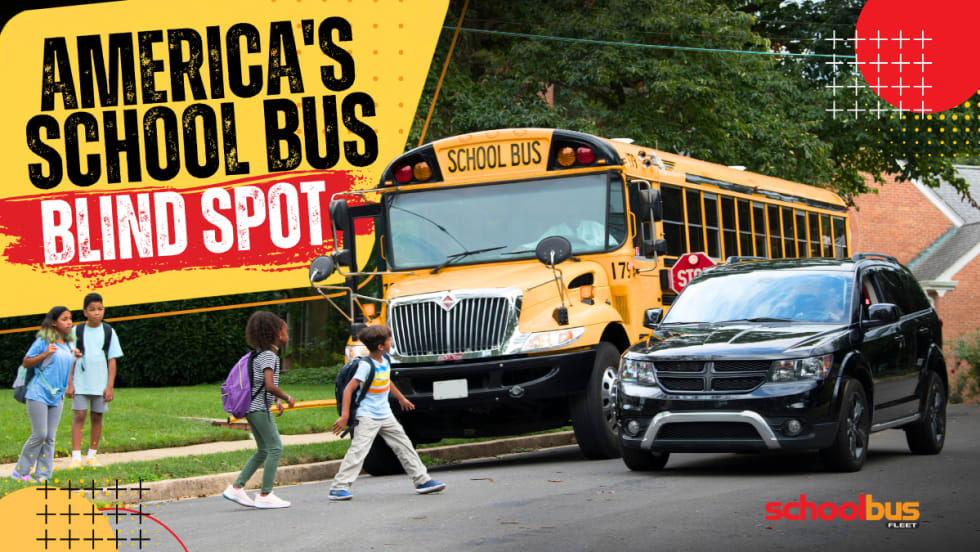
America Has a School Bus Passing Problem — and Distraction Is Making It Worse
Illegal school bus passing remains a major safety threat as distracted driving rises. This op-ed explores why awareness, enforcement, and stop-arm cameras matter more than ever.
Read More →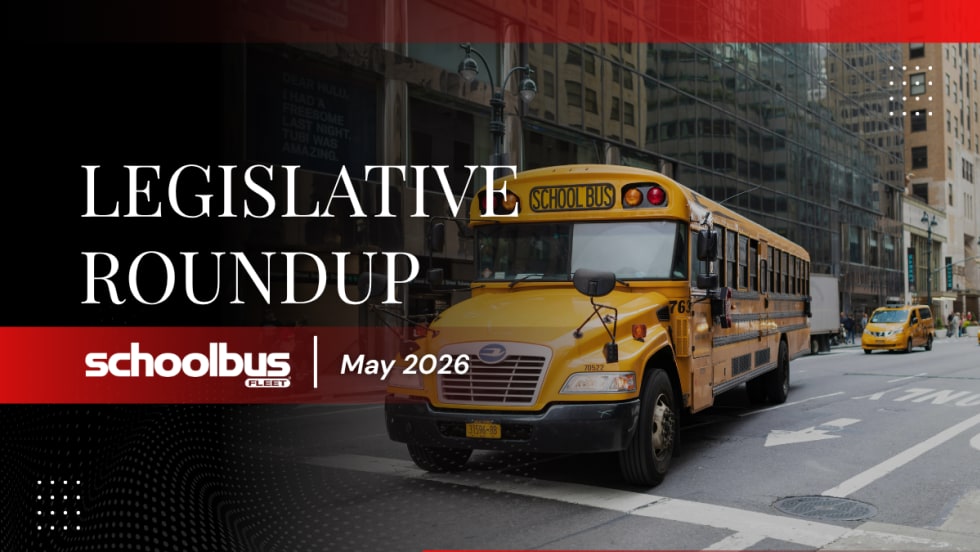
School Bus Laws to Watch: New York Delays EV Mandate
Plus, federal lawmakers seek new funding for school bus safety as states weigh stop-arm enforcement, disability protections, and education spending.
Read More →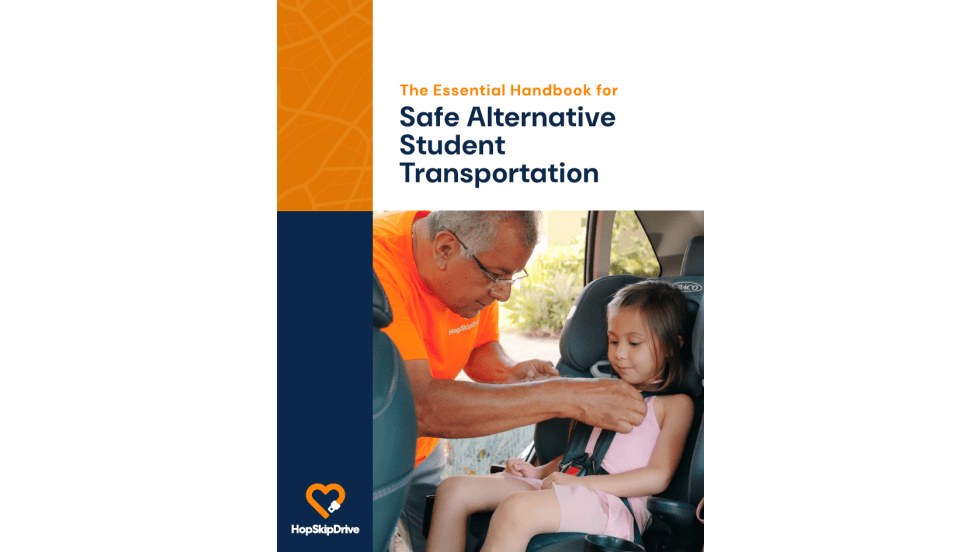
The Essential Handbook for Safe Alternative Student Transportation
Your district's "exception riders" — students with IEPs, those experiencing homelessness, foster care youth — deserve more than a middleman solution. This handbook breaks down exactly what to look for in a supplemental transportation partner: from driver vetting and regulatory compliance to proactive safety technology. Because getting a ride isn't the same as getting a safe one.
Read More →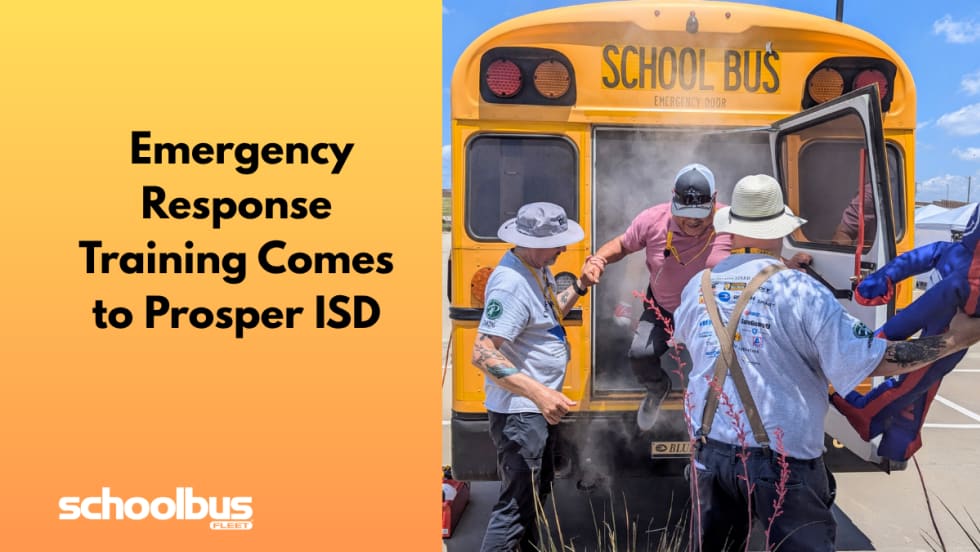
Operation STEER Brings Emergency Response Training to North Texas
Prosper ISD hosted the third annual training for transportation professionals across 67 districts to learn how to respond to emergencies, such as rollovers and evacuations, and proper use of safety equipment.
Read More →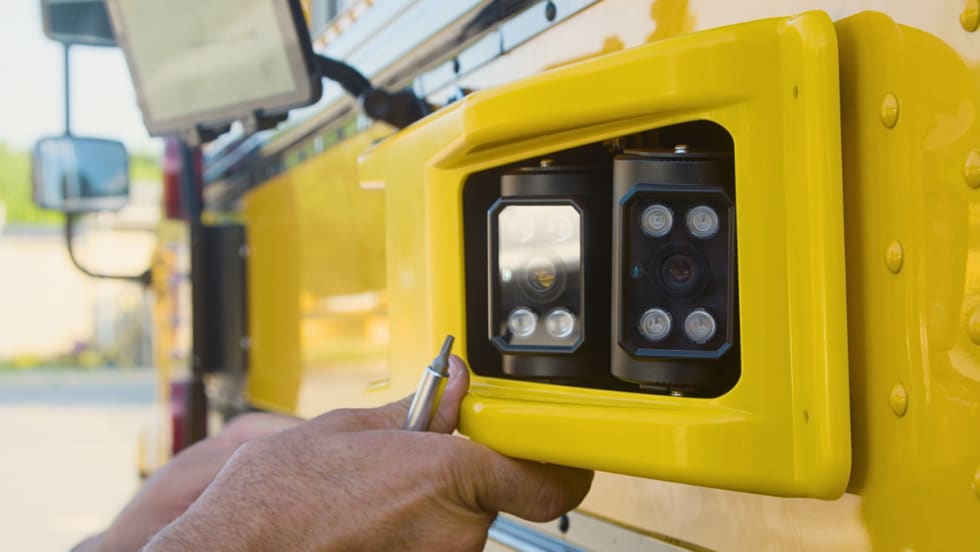
Florida District Relaunches BusPatrol School Bus Camera Program With New Safeguards
After being suspended over due process concerns, Miami-Dade schools and law enforcement are restarting the AI-powered stop-arm camera program with new oversight.
Read More →
School Bus Laws To Watch: Seat Belt Bills, Funding Fights & EV Changes
From national bills on seat belts and driver oversight to driver awareness campaigns referencing “Finn’s Rule” and ongoing transportation funding debates in Alaska, here’s the latest in school bus legislation across the U.S.
Read More →
9-Year-Old Boy Killed by School Bus at Busy Brooklyn Intersection
A Williamsburg community is mourning after a child was fatally struck by a private yeshiva bus, prompting calls for urgent safety improvements at the high-traffic crossing.
Read More →
Does Reliable School Transportation Boost Attendance? EverDriven’s Data Says Yes
The new data shows 99.99% incident-free trips and strong on-time performance, reinforcing how dependable transportation, especially for vulnerable student populations, can help districts combat chronic absenteeism.
Read More →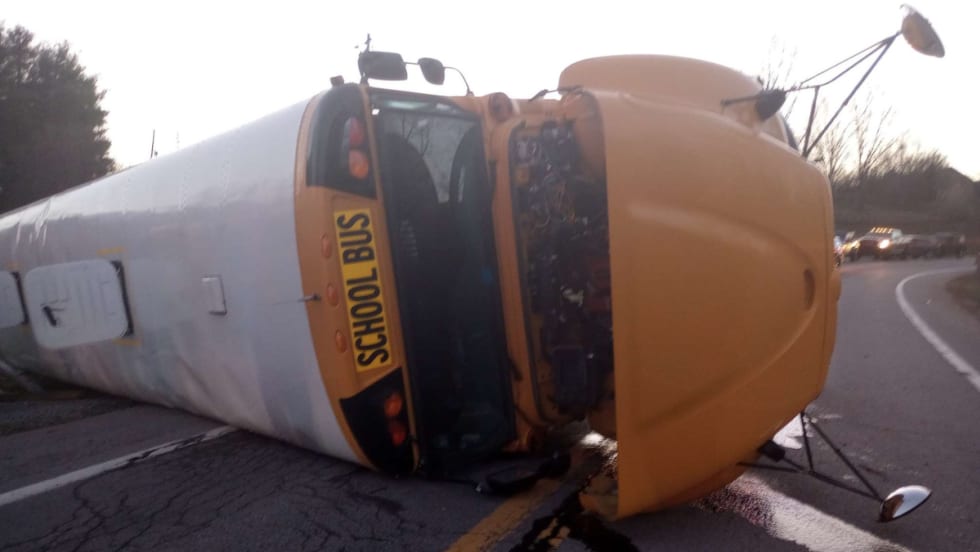
NTSB Calls for Alcohol Impairment Systems, Seat Belts After W.V. Crash Investigation
The federal agency's report asks NHTSA to require all new school buses to be equipped with vehicle-integrated alcohol detection systems and passenger lap-shoulder belts.
Read More →
2026 State of Student Transportation Report
Student transportation teams are being asked to do more with less, facing driver shortages, rising costs, and increasing safety expectations. This report uncovers how fleets are adapting, where technology is making the biggest impact, and why student ridership tracking is emerging as a top priority. Download the report to explore the key trends shaping 2026 and what they mean for your operation.
Read More →