



A Comprehensive Plan for School Bus Accidents
A veteran transportation director discusses the four phases of an emergency response cycle in relation to this type of event and how using them enhances student safety.
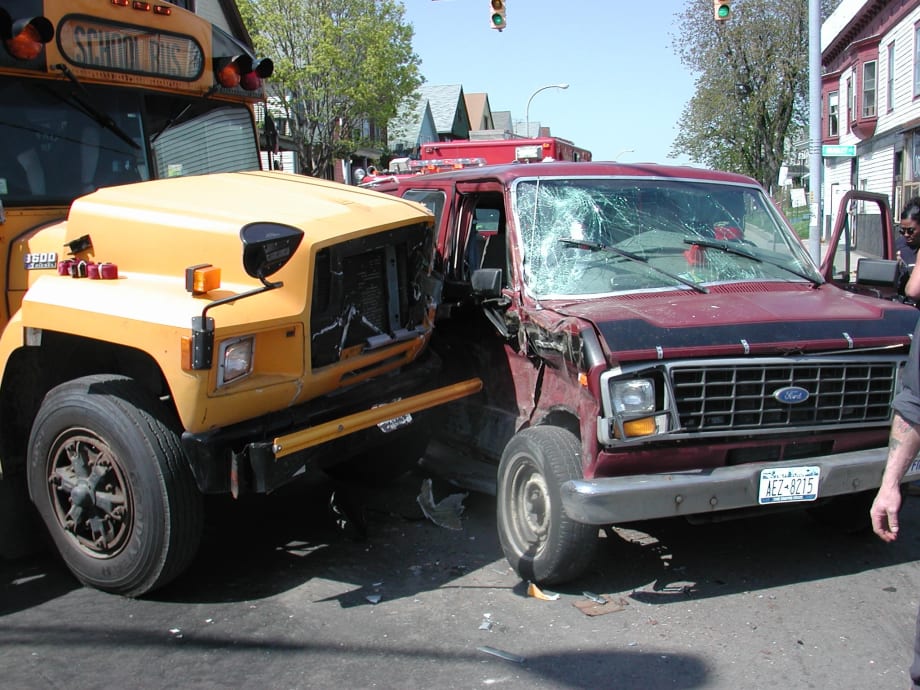
As transportation professionals, what would you say is the single most important thing we do? Make sure our buses run on time? Keep our buses maintained? Manage our budgets? Certainly these things are critical, but our job really amounts to one primary responsibility: keeping kids safe. And one
of the most critical ingredients in keeping kids safe is our ability to properly handle a school bus accident.
All of our plans to keep kids safe are put to the test when a school bus accident occurs. In the blink of an eye, we have the possibility of emergency responders, injured students, urgent communications with parents, and a host of other complicated, chaotic and stressful issues that need an immediate and appropriate response from us.
The best way we can prepare for a school bus accident is to use the same type of planning that we would use for any other type of emergency event that could occur in our schools, such as weather-related closings, bomb threats or fire drills. Emergency planners know that breaking these situations down into the four phases of the emergency response cycle — prevent, prepare, respond and recover — offers the best way for us to successfully fulfill our responsibilities.
Like so many aspects of our work, when you handle these situations perfectly, no one notices. But when you do it wrong, it can attract media attention. Using the emergency response cycle to plan for school bus accidents is a way to add structure and order to managing this potentially stressful event. Consider each phase of this cycle as equally critical and we will find our response phase activities much more manageable once the inevitable call comes in that an accident has occurred.
Phase 1: Prevention
The goal of prevention is to decrease the need to respond to an accident in the first place. Typical activities that we would do to prevent accidents include identifying known local hazards, conducting and reviewing safety audits, encouraging staff to provide input about safety issues and reviewing past accident data to determine our vulnerability to certain types of accidents.
Critical questions we should be asking include:
• Are we sending the buses on the safest routes possible?
• Have we used the new National Highway Traffic Safety Administration guidelines to make sure our bus stops are located correctly?
• Have we conducted a recent safety assessment of each of our school loading zones?
• Have we ensured that our drivers and monitors are receiving high-quality safety training?
• Are our student riders trained on how to safely board, ride and exit the bus, and what to do in an emergency?
The New York State Department of Education publishes a document every year (do a web search for "School Bus Safety Is One Bus Stop At A Time") that is an excellent example of analyzing data to help us prevent school bus accidents. Through this document, New York State bus drivers and monitors are advised of important trends that help them to better protect their student riders. For example, in New York, we know that it is our youngest riders — students 4 to 8 years old — who are at the greatest risk on a school bus.
We routinely analyzed our bus accident data at Buffalo (N.Y.) Public Schools, which enabled us to know that 71 percent of our accidents occurred at intersections. This type of knowledge helped us shape our training curriculum so that drivers knew where the areas of greatest concern were.
Phase 2: Preparedness
Being prepared will enable a rapid, coordinated and effective response when a crisis occurs. What are some of the things we do in this phase? We identify all of our partners who might be involved with us in a bus accident response. Coordinating with partners ahead of time is the best way to make sure that we are ready to work together during a real emergency.
We should develop procedures for communicating with staff, parents and the media. We need to know who is on the bus, and we need to be able to account for all students during an accident. We should prepare the equipment needed for an accident response — things like vehicles, cameras, clipboards and phones.
We often have weather issues here in Buffalo, and because of these issues we learned that pencils work much better than pens in wet or snowy weather, so we were always prepared with a supply of sharpened No. 2s.
Phase 3: Response
The response phase is sometimes thought of as the entirety of a school bus accident, but as we are discussing, this is a mistake.
Typical activities of the response phase include putting notification procedures in place so that we are aware of an accident as quickly as possible. We need to be able to identify and understand the type of accident that occurred so that we can determine the appropriate response. We need to maintain communication among all parties during the duration of the response. We need to monitor how any emergency first aid is being administered and the disposition of all students involved in the accident. A crisis is the time to follow the crisis plan and make use of our preparations; it is not the time to figure it all out.
Whenever there is a bus accident, a bus driver's first call is inevitably to report something like, "We've just had a bus accident, but everybody's OK." This is completely understandable, as everything about the bus driver's training and expectations is geared toward keeping the kids safe.
[PAGEBREAK]
At Buffalo Public Schools, we recognized the stress and confusion that often surrounded a bus accident, and we boiled down the start of our response to two simple questions that the dispatcher was required to ask every time: "Was it a big bump or a little bump?" and "Did anyone bump anything?"
By requiring the answers to these two questions, we immediately had critical information that helped us to start to shape an appropriate response. If it was a "big bump," or if anyone bumped anything, it was an automatic trigger to call 911 for emergency medical assistance. Critical moments in the response clock were conserved by using this simple but effective strategy.
Phase 4: Recovery
The goal of the recovery phase is to return to normal as quickly as possible. Typical activities might include assessing students for the emotional impact of the accident, identifying what follow-up interventions are available or necessary for students and staff, conducting debriefings, and incorporating the lessons learned into plan revisions and training. The recovery phase starts the cycle over.
At Buffalo Public Schools, we knew who would notify parents after a bus accident, and how and when the notification would occur using a combination of phone calls and mailings for these notices.

We collected documentation on the accident and included it in our central records and in the individual student records of those involved. That way, if in the future we talked to a parent about a service issue, we would have the information at hand and know that the parent's child was involved in a school bus accident earlier in his or her bus riding career. This level of detail increased parents' trust in us, as they saw that we took their children's safety as seriously as they did.
The U.S. Department of Education published a recovery synopsis on the tragic Cottonwood, Minn., bus accident of 2008 (go to http://rems.ed.gov and search for "Bus Crash at Lakeview Public Schools"). This is a tremendous resource for recovery planning efforts.
There is an old saying in the education business: "It's not the test scores that gets the superintendents fired."
School bus accident response might not seem like one of the most critical functions of your job until you don't do it right, and then you might find out too late that it is the most important expectation that your community has of you. Parents trust us with the lives of their children. Don't wait until you have a bus emergency to realize what is expected and required of you.
By putting our bus accident responsibilities into the format of the emergency response cycle, we can handle this difficult event in a way that keeps our kids as safe as possible, which is our goal every moment of our working lives.
John P. Fahey was in charge of the Buffalo (N.Y.) Public Schools transportation program for 18 years. He joined the Tyler Technologies Versatrans Solution team as a consultant at the beginning of 2010. Fahey can be reached at john.fahey@tylertech.com.
More Safety
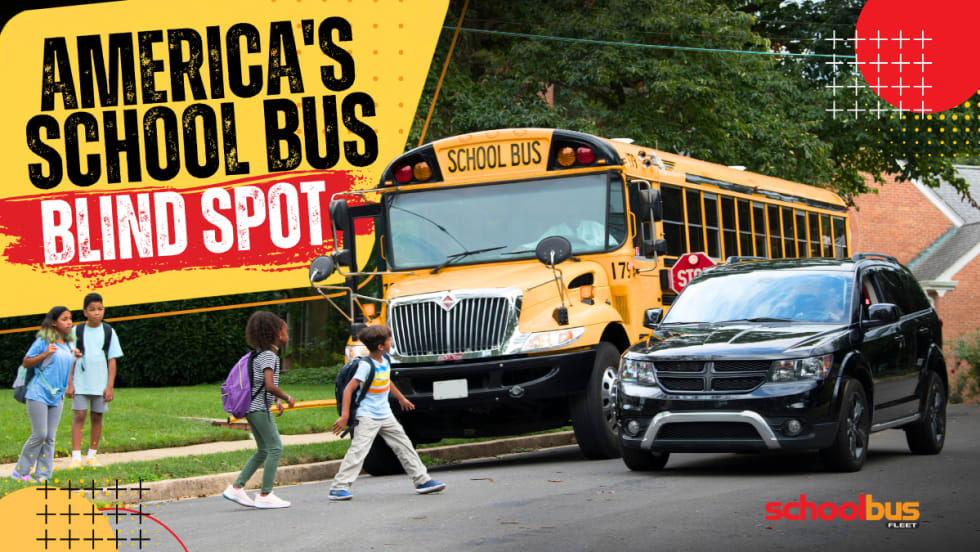
America Has a School Bus Passing Problem — and Distraction Is Making It Worse
Illegal school bus passing remains a major safety threat as distracted driving rises. This op-ed explores why awareness, enforcement, and stop-arm cameras matter more than ever.
Read More →
School Bus Laws to Watch: New York Delays EV Mandate
Plus, federal lawmakers seek new funding for school bus safety as states weigh stop-arm enforcement, disability protections, and education spending.
Read More →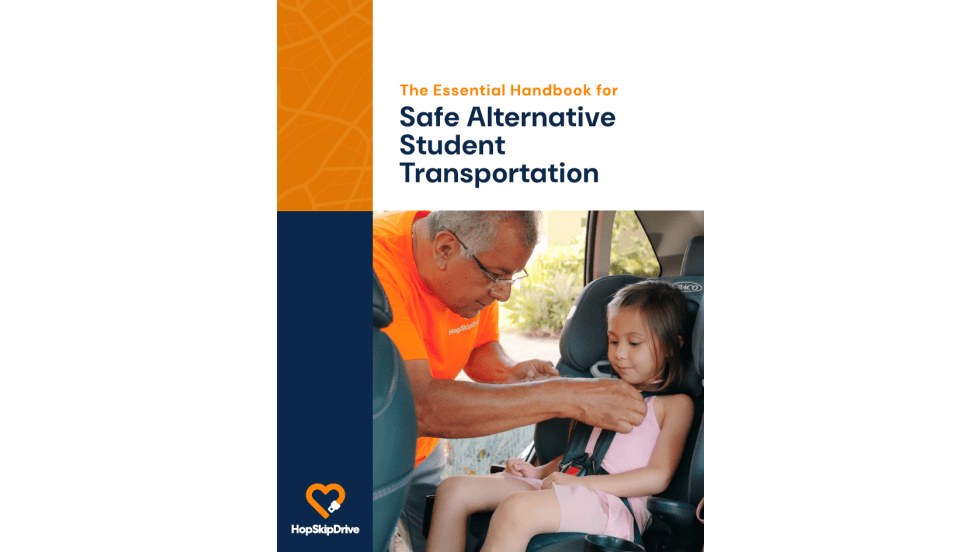
The Essential Handbook for Safe Alternative Student Transportation
Your district's "exception riders" — students with IEPs, those experiencing homelessness, foster care youth — deserve more than a middleman solution. This handbook breaks down exactly what to look for in a supplemental transportation partner: from driver vetting and regulatory compliance to proactive safety technology. Because getting a ride isn't the same as getting a safe one.
Read More →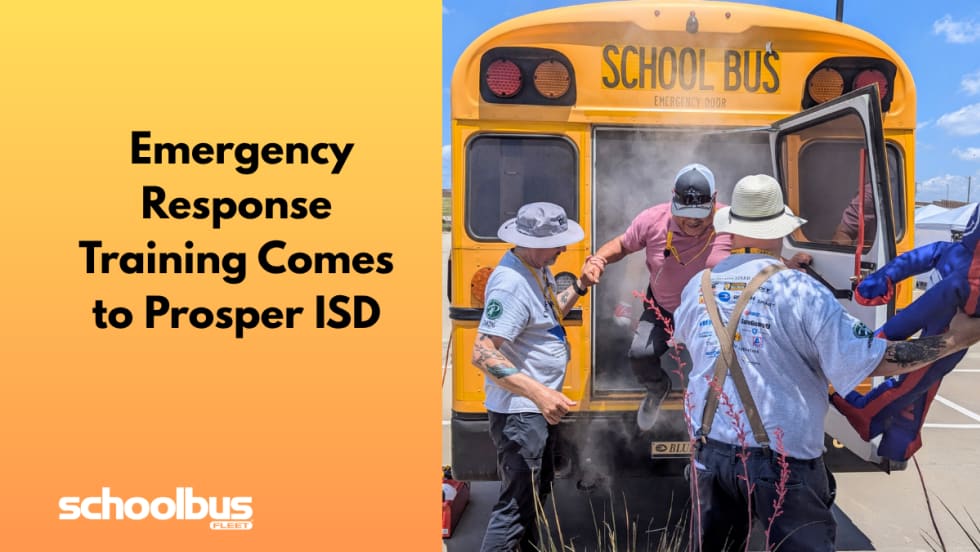
Operation STEER Brings Emergency Response Training to North Texas
Prosper ISD hosted the third annual training for transportation professionals across 67 districts to learn how to respond to emergencies, such as rollovers and evacuations, and proper use of safety equipment.
Read More →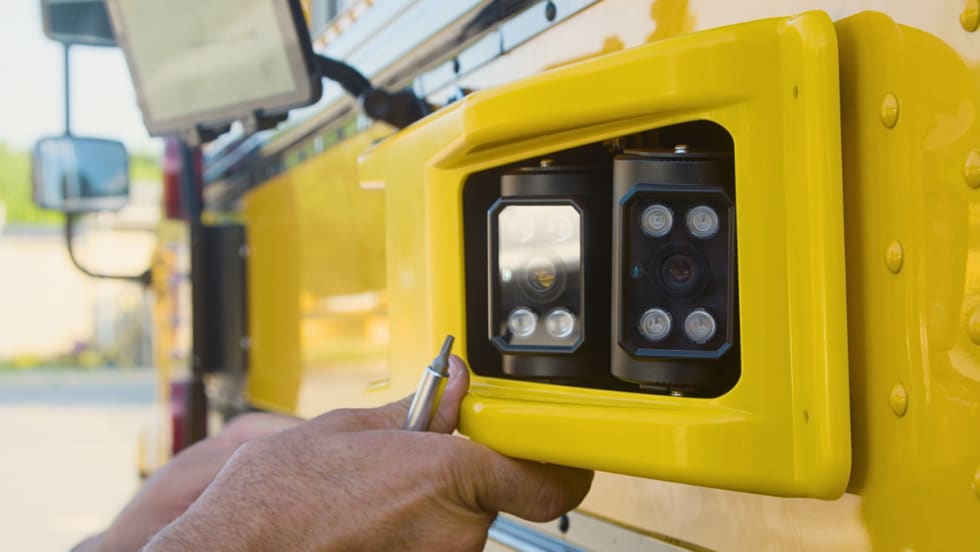
Florida District Relaunches BusPatrol School Bus Camera Program With New Safeguards
After being suspended over due process concerns, Miami-Dade schools and law enforcement are restarting the AI-powered stop-arm camera program with new oversight.
Read More →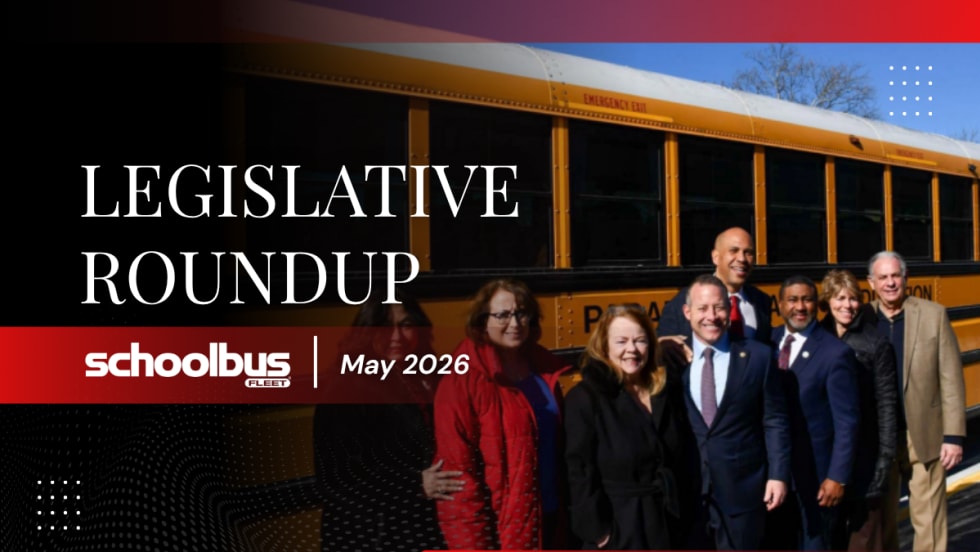
School Bus Laws To Watch: Seat Belt Bills, Funding Fights & EV Changes
From national bills on seat belts and driver oversight to driver awareness campaigns referencing “Finn’s Rule” and ongoing transportation funding debates in Alaska, here’s the latest in school bus legislation across the U.S.
Read More →
9-Year-Old Boy Killed by School Bus at Busy Brooklyn Intersection
A Williamsburg community is mourning after a child was fatally struck by a private yeshiva bus, prompting calls for urgent safety improvements at the high-traffic crossing.
Read More →
Does Reliable School Transportation Boost Attendance? EverDriven’s Data Says Yes
The new data shows 99.99% incident-free trips and strong on-time performance, reinforcing how dependable transportation, especially for vulnerable student populations, can help districts combat chronic absenteeism.
Read More →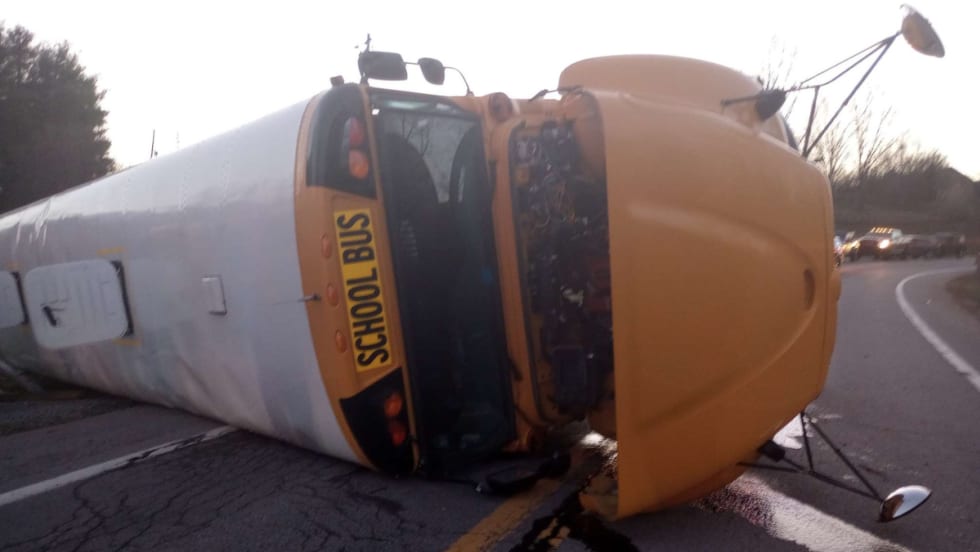
NTSB Calls for Alcohol Impairment Systems, Seat Belts After W.V. Crash Investigation
The federal agency's report asks NHTSA to require all new school buses to be equipped with vehicle-integrated alcohol detection systems and passenger lap-shoulder belts.
Read More →
2026 State of Student Transportation Report
Student transportation teams are being asked to do more with less, facing driver shortages, rising costs, and increasing safety expectations. This report uncovers how fleets are adapting, where technology is making the biggest impact, and why student ridership tracking is emerging as a top priority. Download the report to explore the key trends shaping 2026 and what they mean for your operation.
Read More →