




Don't dismiss this idea
What else can be done to protect students from stop-arm runners? There’s one approach that, despite its long record of effectiveness, is only required in one state.

Despite the ongoing efforts of the pupil transportation community, law enforcement and state legislators, motorists continue to illegally pass stopped school buses at alarming rates.
Over the years, we've devoted many pages to the topic of stop-arm running, discussing strategies to cut down on this dangerous scourge. Legislation to increase penalties, using cameras on the outside of the bus, and setting up sting operations with police officers are among the efforts that can help catch, punish and deter bus passers. And these efforts should continue.
But the problem is never going to go away completely. There will always be those motorists who don't realize that they need to stop or who think they can get around the bus without incident.
So what else can be done to protect students from stop-arm runners while they cross the street? There's one approach that, despite its long record of effectiveness, is only required in one state in the country.
As you'll read in our feature on ways to improve safety, California mandates that school bus drivers escort children who need to cross the street to or from the bus. The driver shuts down the bus and walks into the road with a hand-held stop sign to help the student cross safely.
State pupil transportation director John Green says that California has not had a documented death of a student during the driver escort procedure, and the requirement was put in place in the 1950s.
According to the Kansas State Department of Education's most recent national survey, seven children in the U.S. were killed by a passing vehicle while loading or unloading from their school buses in the 2008-09 school year. Ten children were struck and killed by their own bus.
Green has long been following the loading/unloading statistics and has been urging other states to give the driver escort practice a shot. He gained some headway at the National Congress on School Transportation in May when it was included as an approved alternative method in the appendix of the industry's specifications manual.
But Green says that he typically meets resistance when he shares the idea with industry people from other states. Common concerns include the amount of time the process might add to routes, whether chaos would break out when the driver leaves the bus, and whether it would work in winter weather.
"I think we have an excellent answer for each and every one" of the concerns, Green says. For example, he says that the escort process can actually save time — particularly with middle schoolers, who are known to lollygag when left to their own devices.
And any kind of transportation environment experienced in other states most likely exists in some form in the expansive state of California.
"We have major metropolitan areas with gang violence. We have deserts and rural areas. We have freezing weather in the Sierras. And [the escort method] seems to work in every single situation," Green says.
But it's not about wanting everyone to just do what California does, Green insists.
"The bottom line is the statistics," he says. "If the driver gets out of that seat, they'll protect the kids better than any piece of technology."
More Safety

HopSkipDrive Reports Progress on Safety Advisory Council
More than a year after forming the council, independent safety experts have helped shape new rider-safety features and policy progress, with a new goal to address rider behavior.
Read More →
What the 2026 National School Bus Safety Month Resolution Means for Student Transportation
The bipartisan resolution highlights illegal school bus passing, student safety during loading and unloading, and the need for driver training and public education.
Read More →
School Bus Stop-Arm Violations Decline 53% Across Verra Mobility Programs
Verra Mobility shares how school bus stop-arm cameras and school zone safety programs are changing driver behavior, reducing violations, and protecting students.
Read More →
Most Bus Crashes Aren’t Your Fault. Here’s How to Prove It.
A guide for what to do in between a school bus crash and a claim: what to preserve, who to notify, and how to keep the facts available when they matter.
Read More →
National School Bus Safety Week 2026: Tips, Toolkits & Resources to Keep Students Safe
School bus safety takes more than awareness. Explore expert tips, enforcement strategies, and free resources to help protect students on every ride.
Read More →
2 Killed, Dozens Injured in Florida School Bus Crash
A multi-vehicle collision caused a Polk County school bus carrying 37 students to overturn on its way to Winter Haven High School.
Read More →
Illegal School Bus Passing Drops 24% in New York Districts
With fewer than 5% of citations involving repeat offenders, Westchester County officials said enforcement, education, and community partnerships are helping change driver behavior.
Read More →
School's Back. Here's What Happened to Traffic, Speeding & Distraction
What happens to traffic when school resumes? New data analysis examines changes in distracted driving, congestion, and speeding around schools.
Read More →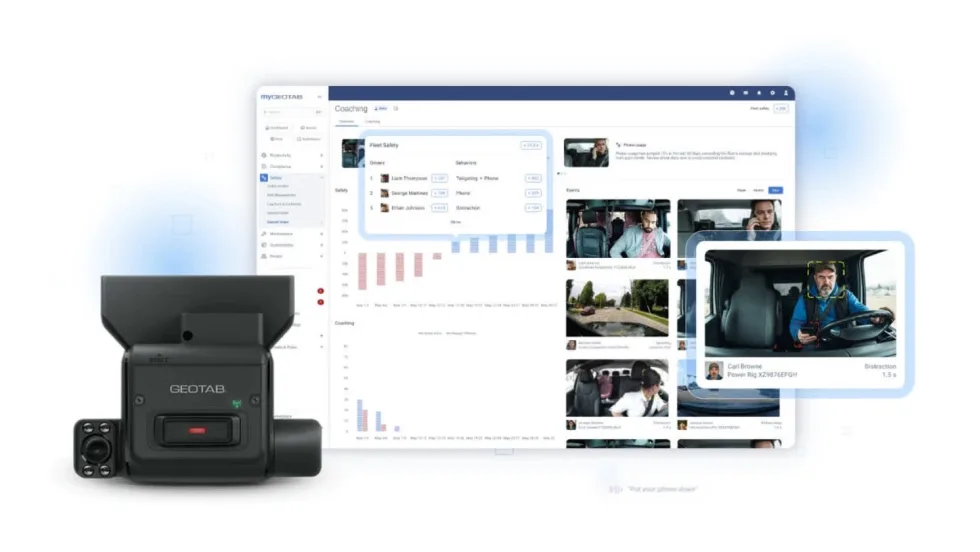
Geotab Expands Fleet Safety Tools With Video Coaching, Risk Insights
New safety and video capabilities aim to help fleet managers assess risk, support drivers, and take targeted action through video coaching, red-light violation detection, and more.
Read More →
How to Build a Better School Bus Driver Training Program
Is it time to strengthen your driver training? Here’s how to pick the right talent and improve recruitment, retention, and safety. This video is brought to you by IC Bus.
Read More →