




Verbal Indicators of Violence
An increase in pitch while speaking, repetition and inappropriate humor are several signs of impending dangerous behavior. Stepping in when they are heard can help to prevent students from harming others.

Depending on which research study is examined, approximately 70 to 93 percent of human communication is directly related to body language. Paralinguistic cues and nonverbal actions often inform the recipient of the deliverer’s intent. Examining these gestures is a key way to determine if a situation may become violent. However, it is also important to understand the verbal indicators of violence.
Comments about violent intentions
If a student makes comments about hurting or killing his or her peers, this is an important warning sign of potential violent behavior.
Young adults will often attempt to build up confidence before making any type of negative action. One way to test the situation before taking a weapon to school, for instance, may be by talking about bringing the weapon to school. If no action is taken to prevent the student from bringing the weapon, it confirms the child’s belief he or she can get away with bringing a weapon to school with the intent to hurt others.
If school bus drivers hear students talking about violent actions, they should notify the school. Similarly, if a teacher observes verbal indicators of violence, pupil transportation officials and school bus drivers should be made aware of the situation.
Good communication among school bus drivers, transportation administrators and school administrators may be all it takes to prevent a shooting at your school district.
Changes in vocal pitch, repetition and strained speech
There are other, more immediate verbal indicators of violence to listen for. When the following patterns in speech and tone are heard, special attention should be given to the student displaying these warning signs.
An increase in pitch when speaking is a sign that a person’s throat and vocal cords are tightening. This is a reflex in response to the human body becoming nervous or apprehensive, and it could be a sign of impending danger.
Repetitive word use, parroting and/or echoing are other indicators of immediate danger. As a person’s body prepares to do something in response to Fight or Flight Syndrome, the brain focuses on the actions that are essential to life.
For example, as a person gets ready to punch, he or she does not think about where the verb goes in a sentence. The person will say the same thing over and over because it is fresh in his or her mind. Similarly, what a person hears in these moments is often repeated, and no formal processing of the information is completed. If you tell a person to sit down and he or she continually responds with “sit down, sit down, sit down,” this is a form of parroting or echoing.
Forced or strained speech is another verbal indicator of possible violence. Again, the person is not thinking about speaking — he or she is focused on fighting or running away and therefore has to force the words out of his or her mouth.
[PAGEBREAK]
Inappropriate humor, aggressive statements and sarcasm
A nervous laugh or laughing at inappropriate times may also be a sign of impending violence. Laughing is a way for the body to shed emotions. In addition, this type of behavior helps to distract adversaries prior to an attack.
Something else to watch for is when a person speaks to others about someone as if they are not present. A student telling others directly in front of his or her adversary, “I am going to hit that guy” is displaying an immediate indicator of violence. Here again, the student is not thinking about words or conversations, he or she is attempting to shed emotion and build confidence. Immediate preventive action must be taken.
The final verbal indicator is the masked statement. This occurs when a student speaks the words that you want to hear, but speaks them in a tone or manner that is deceptive. For example, if you tell students to sit down and they reply, “Oh yeah, I’ll sit down!” in a sarcastic tone, it is a mask for their true intentions. Listen to the tone of a person’s speech.
Consider verbal and nonverbal indicators
Although there is no magic way to determine if students will become violent, observing both their verbal communication and their nonverbal actions and body language will increase your chances of identifying and preventing violence. (For information on nonverbal indicators of violence, click here.)
Also, remember that these indicators apply to students as well as to other people you may encounter. Be aware of your surroundings, hone your violence detection skills and be prepared to act when necessary.
Bret Brooks is a senior instructor with Gray Ram Tactical LLC, a full-time police officer, a SWAT team sniper and a captain in the U.S. Army. He holds a Bachelor of Science degree in criminal justice and a Master of Arts in national security, and he has focused numerous studies on terrorism and violence. He can be reached atbretbrooks@grayramtacticaltraining.com.
More Safety
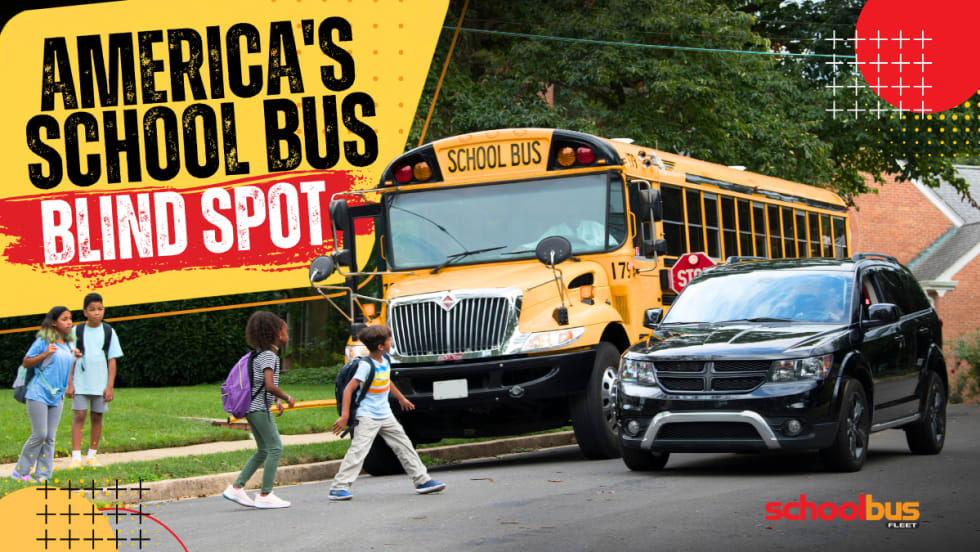
America Has a School Bus Passing Problem — and Distraction Is Making It Worse
Illegal school bus passing remains a major safety threat as distracted driving rises. This op-ed explores why awareness, enforcement, and stop-arm cameras matter more than ever.
Read More →
School Bus Laws to Watch: New York Delays EV Mandate
Plus, federal lawmakers seek new funding for school bus safety as states weigh stop-arm enforcement, disability protections, and education spending.
Read More →
The Essential Handbook for Safe Alternative Student Transportation
Your district's "exception riders" — students with IEPs, those experiencing homelessness, foster care youth — deserve more than a middleman solution. This handbook breaks down exactly what to look for in a supplemental transportation partner: from driver vetting and regulatory compliance to proactive safety technology. Because getting a ride isn't the same as getting a safe one.
Read More →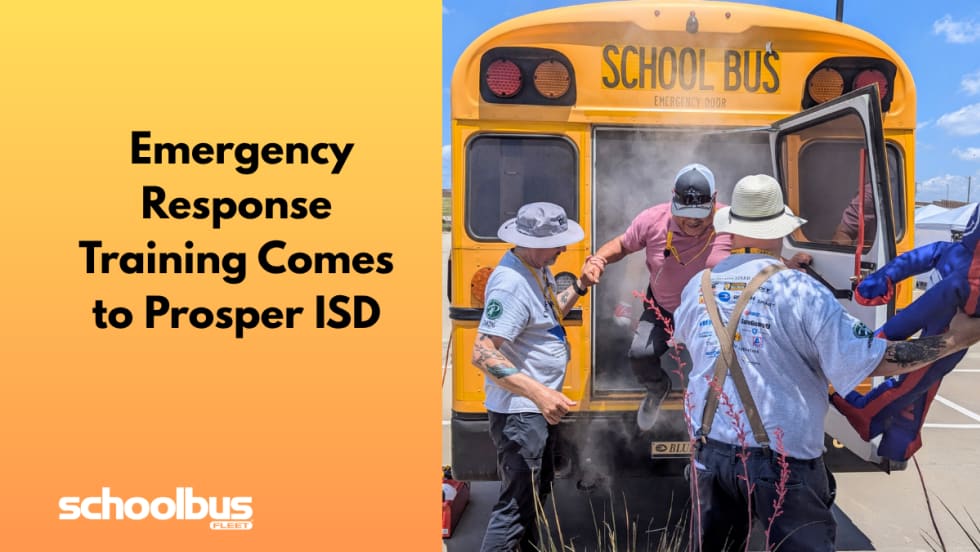
Operation STEER Brings Emergency Response Training to North Texas
Prosper ISD hosted the third annual training for transportation professionals across 67 districts to learn how to respond to emergencies, such as rollovers and evacuations, and proper use of safety equipment.
Read More →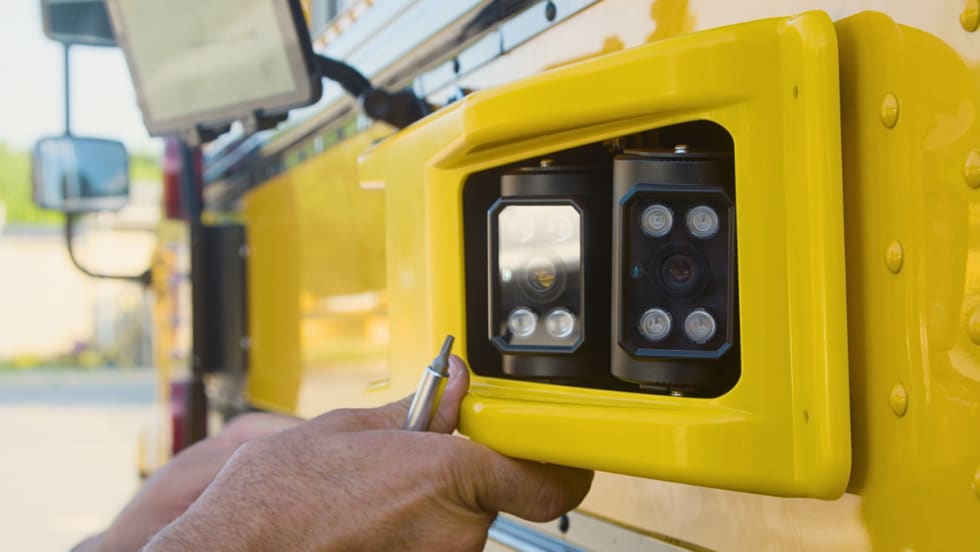
Florida District Relaunches BusPatrol School Bus Camera Program With New Safeguards
After being suspended over due process concerns, Miami-Dade schools and law enforcement are restarting the AI-powered stop-arm camera program with new oversight.
Read More →
School Bus Laws To Watch: Seat Belt Bills, Funding Fights & EV Changes
From national bills on seat belts and driver oversight to driver awareness campaigns referencing “Finn’s Rule” and ongoing transportation funding debates in Alaska, here’s the latest in school bus legislation across the U.S.
Read More →
9-Year-Old Boy Killed by School Bus at Busy Brooklyn Intersection
A Williamsburg community is mourning after a child was fatally struck by a private yeshiva bus, prompting calls for urgent safety improvements at the high-traffic crossing.
Read More →
Does Reliable School Transportation Boost Attendance? EverDriven’s Data Says Yes
The new data shows 99.99% incident-free trips and strong on-time performance, reinforcing how dependable transportation, especially for vulnerable student populations, can help districts combat chronic absenteeism.
Read More →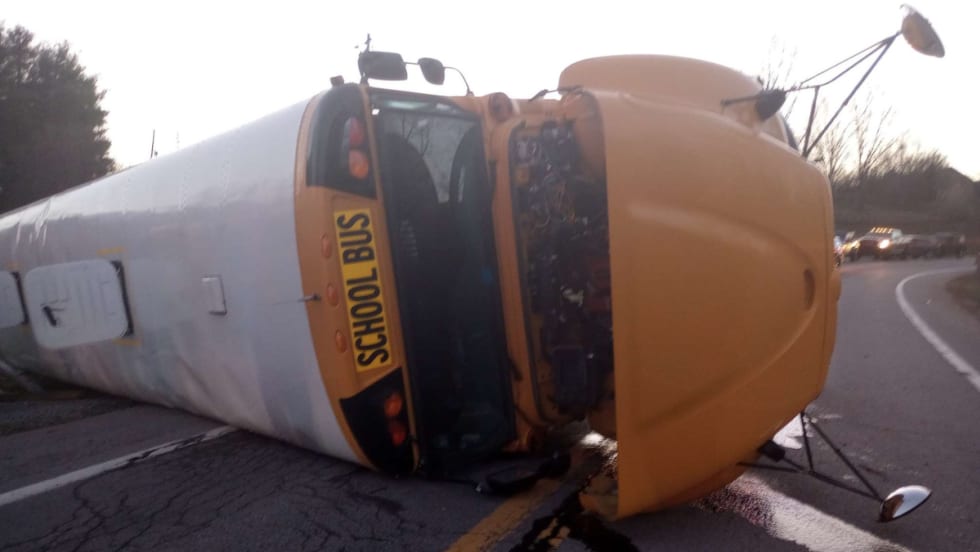
NTSB Calls for Alcohol Impairment Systems, Seat Belts After W.V. Crash Investigation
The federal agency's report asks NHTSA to require all new school buses to be equipped with vehicle-integrated alcohol detection systems and passenger lap-shoulder belts.
Read More →
2026 State of Student Transportation Report
Student transportation teams are being asked to do more with less, facing driver shortages, rising costs, and increasing safety expectations. This report uncovers how fleets are adapting, where technology is making the biggest impact, and why student ridership tracking is emerging as a top priority. Download the report to explore the key trends shaping 2026 and what they mean for your operation.
Read More →