




Seat belt or hospital bed
A school bus driver needs to be buckled in so he doesn't get thrown out of his seat, but there are some drivers out there who seem to be ignoring this message, as evidenced by the fatal Huntsville, Ala., bus crash in 2006. The driver was not wearing his seat belt.
I’ve dedicated this column on more than one occasion to making a case for lap-shoulder belts on school buses, and I’ve heard back from readers who have strong opinions on both sides of the fence.
Whether school buses should have seat belts for passengers is certainly a contentious issue, and it has been for decades. But I’ve never heard anyone argue that school bus drivers don’t need seat belts.
It seems like a no-brainer: A school bus driver needs to be buckled in so he doesn’t get thrown out of his seat. But there are some drivers out there who seem to be ignoring that clear message.
From time to time, we’ll come across a media report of a school bus crash in which the driver was unbelted and thus ejected from the vehicle. Then there’s the recently released National Transportation Safety Board (NTSB) report on the fatal Huntsville, Ala., school bus crash.
The report confirmed that the bus driver was not wearing his seat belt, although it didn’t indicate whether the accident could have been prevented if he had been wearing it. We checked in with several pupil transportation officials, and they had some strong words on the matter.
Reminders and penalties
Charlie Hood, president of the National Association of State Directors of Pupil Transportation Services and the state director in Florida, said that “the few school bus operators who don’t wear their belts, or don’t wear them properly, must be reminded that in a school bus environment in particular, the safety belt not only helps prevent crash injuries, it helps prevent crashes in the first place by keeping drivers in their seats and in control of the bus.”
Hood noted that after a crash, the driver’s condition is critical to his or her ability to help with evacuations and injured students.
Alabama state pupil transportation director Joe Lightsey said that the Huntsville crash points out “the continuing need for close monitoring of drivers to ensure that their seat belts are buckled, and that severe penalties should be imposed on those who fail to comply.”
Lightsey said that since 2008, all new school buses in Alabama have been required to have audible and visual warnings for drivers if their seat belts are not buckled.
Mike Martin, executive director of the National Association for Pupil Transportation, also pointed to the seat belt component of the NTSB report.
“Safety belt use by school bus drivers is critical to maintaining control of the bus under all operating conditions,” Martin said.
Excuses, excuses
The Kansas Department of Transportation has a great resource on its Website called “Reasons Why I Do Not Wear My Safety Belt” (go to www.ksdot.org and do a search for that title), which lists common excuses and then dismantles them.
Perhaps one of the most effective replies is to the complaint that seat belts are uncomfortable: “Safety belts are a lot more comfortable than a hospital bed.”
More Safety
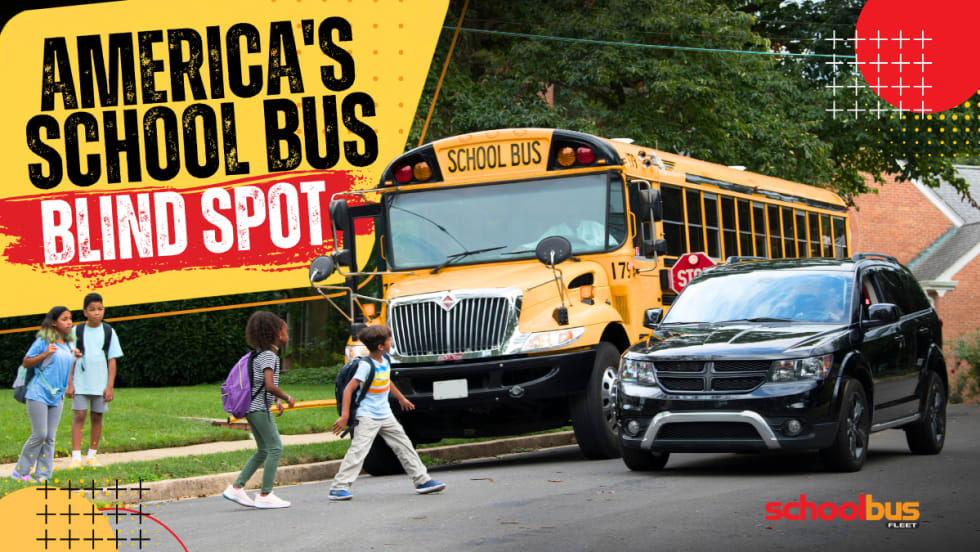
America Has a School Bus Passing Problem — and Distraction Is Making It Worse
Illegal school bus passing remains a major safety threat as distracted driving rises. This op-ed explores why awareness, enforcement, and stop-arm cameras matter more than ever.
Read More →
School Bus Laws to Watch: New York Delays EV Mandate
Plus, federal lawmakers seek new funding for school bus safety as states weigh stop-arm enforcement, disability protections, and education spending.
Read More →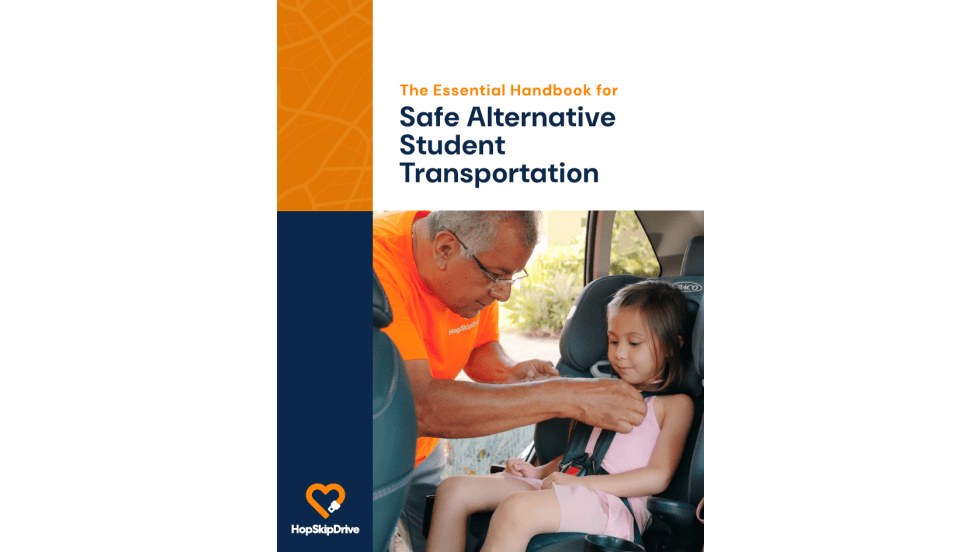
The Essential Handbook for Safe Alternative Student Transportation
Your district's "exception riders" — students with IEPs, those experiencing homelessness, foster care youth — deserve more than a middleman solution. This handbook breaks down exactly what to look for in a supplemental transportation partner: from driver vetting and regulatory compliance to proactive safety technology. Because getting a ride isn't the same as getting a safe one.
Read More →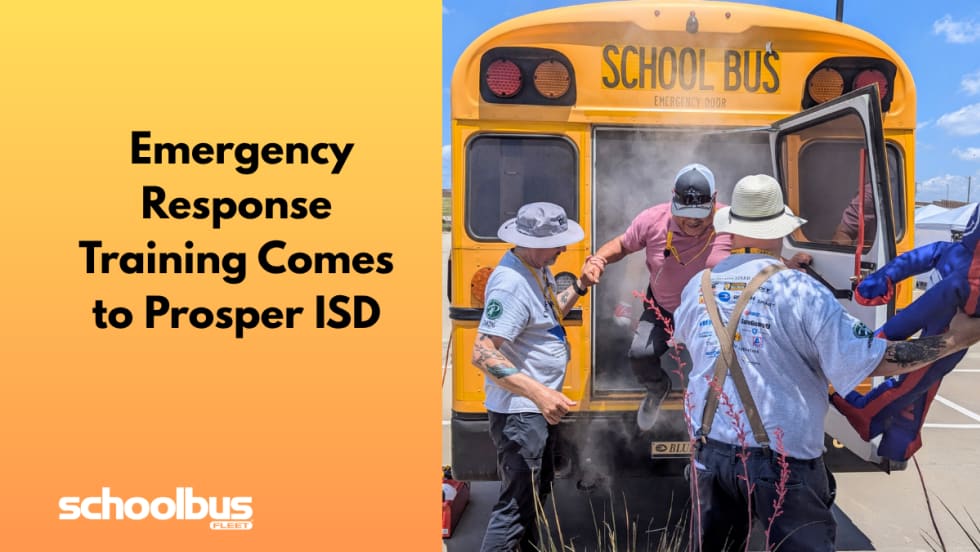
Operation STEER Brings Emergency Response Training to North Texas
Prosper ISD hosted the third annual training for transportation professionals across 67 districts to learn how to respond to emergencies, such as rollovers and evacuations, and proper use of safety equipment.
Read More →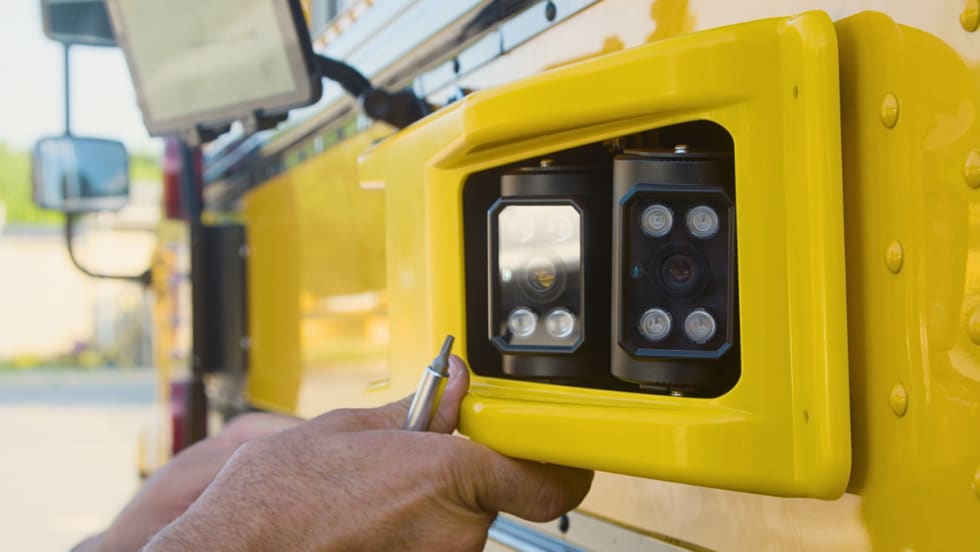
Florida District Relaunches BusPatrol School Bus Camera Program With New Safeguards
After being suspended over due process concerns, Miami-Dade schools and law enforcement are restarting the AI-powered stop-arm camera program with new oversight.
Read More →
School Bus Laws To Watch: Seat Belt Bills, Funding Fights & EV Changes
From national bills on seat belts and driver oversight to driver awareness campaigns referencing “Finn’s Rule” and ongoing transportation funding debates in Alaska, here’s the latest in school bus legislation across the U.S.
Read More →
9-Year-Old Boy Killed by School Bus at Busy Brooklyn Intersection
A Williamsburg community is mourning after a child was fatally struck by a private yeshiva bus, prompting calls for urgent safety improvements at the high-traffic crossing.
Read More →
Does Reliable School Transportation Boost Attendance? EverDriven’s Data Says Yes
The new data shows 99.99% incident-free trips and strong on-time performance, reinforcing how dependable transportation, especially for vulnerable student populations, can help districts combat chronic absenteeism.
Read More →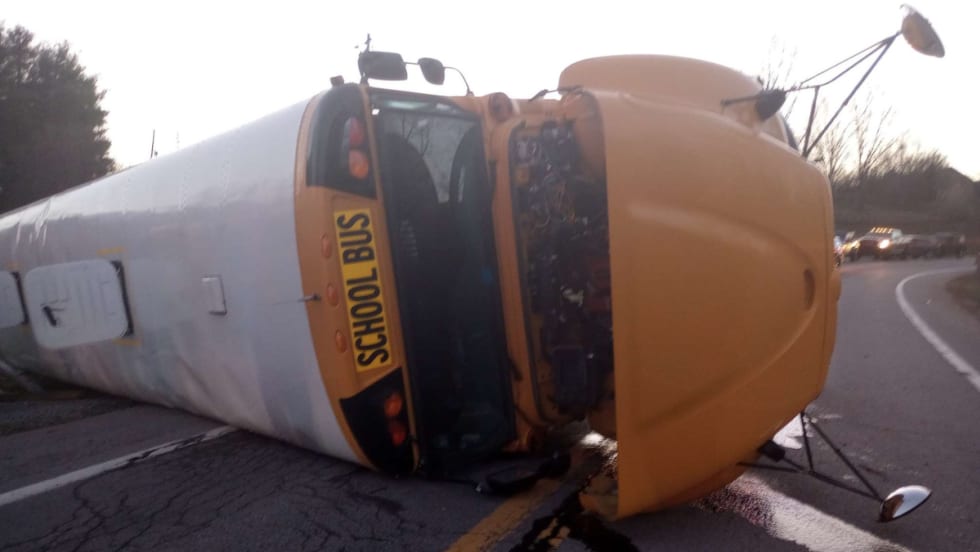
NTSB Calls for Alcohol Impairment Systems, Seat Belts After W.V. Crash Investigation
The federal agency's report asks NHTSA to require all new school buses to be equipped with vehicle-integrated alcohol detection systems and passenger lap-shoulder belts.
Read More →
2026 State of Student Transportation Report
Student transportation teams are being asked to do more with less, facing driver shortages, rising costs, and increasing safety expectations. This report uncovers how fleets are adapting, where technology is making the biggest impact, and why student ridership tracking is emerging as a top priority. Download the report to explore the key trends shaping 2026 and what they mean for your operation.
Read More →