




Do you know what safety is?
Safety is freedom from risk. Nearly every accident is caused by unsafe behaviors performed by the driver. Operations must identify what these behaviors are and use training and education materials to persuade drivers and managers to remove them.

Jeff Cassell is senior vice president of school district operations for the School Bus Safety Co. For more information, visit www.schoolbussafetyco.com.
I was visiting the bus yard of a school district that runs 140 buses. I saw posters and signs clearly expressing their focus: “We have a passion for safety,” “Safety is # 1,” and “The safety of the kids is our goal.”
I found this to be impressive, so when we met as a group, which included the transportation director, the trainers and a few drivers, I asked them to explain their passion — what is it?
I received some surprised looks, and they promptly told me their passion is safety. They asked why I was confused, because at their district, safety is their passion — they didn’t understand the question. I apologized and said that I understand safety is their passion, but what do they mean by that? I asked them to explain to me what safety is.
After a thoughtful silence, I heard comments such as, “Well, safety, you know … it’s having no accidents … it’s the drivers doing all they should to operate the bus safely.” It was clear to me that they had no idea what safety is, or how to follow through with operating the safest buses possible. Their intentions were of the highest; yet their ability to actually apply their passion was nonexistent.
Do you know the definition of safety? Do you know how to connect the dots between your goals and how to change drivers’ behaviors?
What is the definition of safety? Stop now and write it down. I will come back to this.
And what is an accident?
When drivers perform unsafe behaviors, the result is accidents. This word is used in the context that accidents happen and no one is at fault. No one meant for the accident to happen, so no one can be blamed for it and you cannot do anything about accidents — they just happen. Boy, is that wrong!
Let’s start with the definition of an accident. What is it? I believe an accident is best defined as having these four factors:
1. An unplanned event
2. that disrupts activity,
3. involves people,
4. and is caused.
The last factor is the most important. All accidents are caused, and if you remove the cause, the accident will not happen. The cause is almost always a driver performing an unsafe behavior.
Let’s go back to the definition of safety. What was your definition? Here’s mine:
Safety = freedom from risk.
If you are free from risk, then you are safe. For example, if you never back up the bus, then you are free from the backing risk. If you count the kids away, then a child will never be hit as you pull away. If you stay back four seconds, then you have greatly reduced the risk of a rear-end collision. Sometimes you cannot remove the risk entirely, but you can reduce the risk significantly.
The district I was visiting now understood that safety means “freedom from risk” and that all accidents are caused. I explained to the district that their passion was to remove or reduce risk. I had their attention now, as I continued on this logical path.
Taking risks leads to accidents
What are the risks, and what causes accidents? The answer to both of these questions is the same:
Unsafe conditions and unsafe behaviors.
If we remove unsafe conditions and unsafe behaviors, then we remove the risks, we remove the causes of accidents and we are safe. It’s as simple as that. Safety should not be a gray subject; it is a black and white issue. Managers and drivers should know exactly what to do to truly operate safely. There should be no room for doubt or interpretation.
As far as is practical, unsafe conditions can be engineered away. This includes brakes, steering, tires, motor vehicle records, criminal record checks, etc. Crossing gates, correctly fitted mirrors, electric doors, no catch points and many other factors contribute to providing the safest conditions possible.
Most school bus operations focus their attention on the safest conditions and usually score high in this important area. State regulations focus mainly on removing unsafe conditions. The district I was visiting was well aware of how to address unsafe conditions and had done an excellent job at this. They were feeling a little less confused now.
There are many safety devices you can add to the school bus. They all usually help to some extent. But none come even close to the level of safety that is under the control of the driver.
[PAGEBREAK]
Unsafe behaviors
Almost every accident (99 percent) is caused by an unsafe behavior performed by the driver. Consequently, this is the area that requires the greatest focus.
Over the years, every driver develops PUBs: Patterns of Unsafe Behaviors. These patterns are actions they have always performed, and nothing has gone wrong so far (or perhaps only once), so they continue with the pattern of unsafe behavior.
Drivers have their own level of risk that they are prepared to accept. This differs for every person. At one extreme are people who go skydiving or ride a motorcycle without a helmet. The other extreme is people who will not drive at all, or won’t go out after dark. The rest of us fall in between these two extremes.
To actually put their safety passion into practice, the district must do all it can to identify and change unsafe behaviors. The district must find ways to reduce the risk tolerance levels so that when driving a school bus, no unsafe behaviors exist.
A passion for safety means you have a passion for hiring and training drivers who fully understand how to act under every possible scenario in a way that avoids unsafe behaviors at all times.
At this point, one of the trainers asked me to give some examples of the behaviors we wish to change. A study of the causes of past accidents clearly shows what these are:
• Following too closely (stay back four seconds)
• Not counting the kids away
• Not rocking and rolling for left-hand turns
• Unauthorized drops (these should never be allowed)
• Not looking ahead (always know what you are approaching)
• Not looking around (be aware of all your surroundings)
• Not slowing down for stale green lights
There are many more examples. The goal is to train drivers so they clearly understand that by failing to follow these safety practices, eventually they will be responsible for and cause an accident. You can change these behaviors.
Passion into action
We all share a desire for school busing to be safe. To do this, we need to remove the risks. Risks come from unsafe behaviors and unsafe conditions. We engineer away the unsafe conditions and now have to focus on the leading causes of accidents and injuries: unsafe behaviors.
To remove the unsafe behaviors, first we need to identify exactly what they are and then use effective training and education materials to educate and persuade drivers and managers to remove them. These programs should clearly cover the consequences of not changing behaviors, especially as the safety of the kids we transport is directly affected by the changes in driver behavior.
As I left the district, the staff was discussing how to turn their passion into action and actually put it into practice.
More Safety
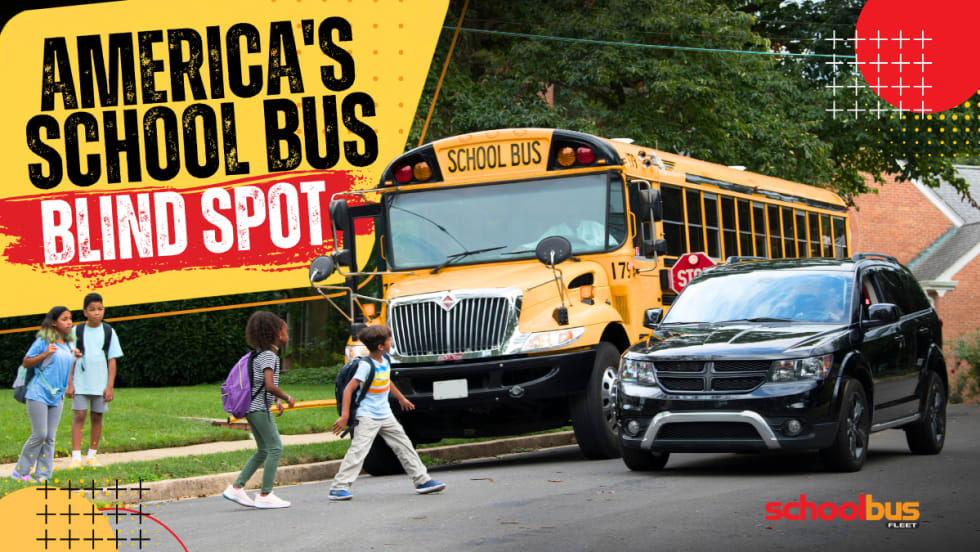
America Has a School Bus Passing Problem — and Distraction Is Making It Worse
Illegal school bus passing remains a major safety threat as distracted driving rises. This op-ed explores why awareness, enforcement, and stop-arm cameras matter more than ever.
Read More →
School Bus Laws to Watch: New York Delays EV Mandate
Plus, federal lawmakers seek new funding for school bus safety as states weigh stop-arm enforcement, disability protections, and education spending.
Read More →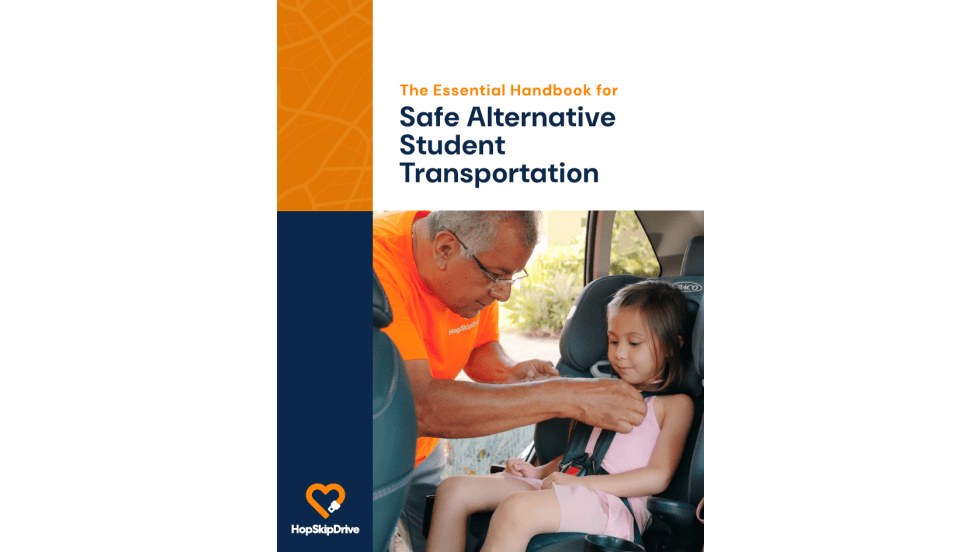
The Essential Handbook for Safe Alternative Student Transportation
Your district's "exception riders" — students with IEPs, those experiencing homelessness, foster care youth — deserve more than a middleman solution. This handbook breaks down exactly what to look for in a supplemental transportation partner: from driver vetting and regulatory compliance to proactive safety technology. Because getting a ride isn't the same as getting a safe one.
Read More →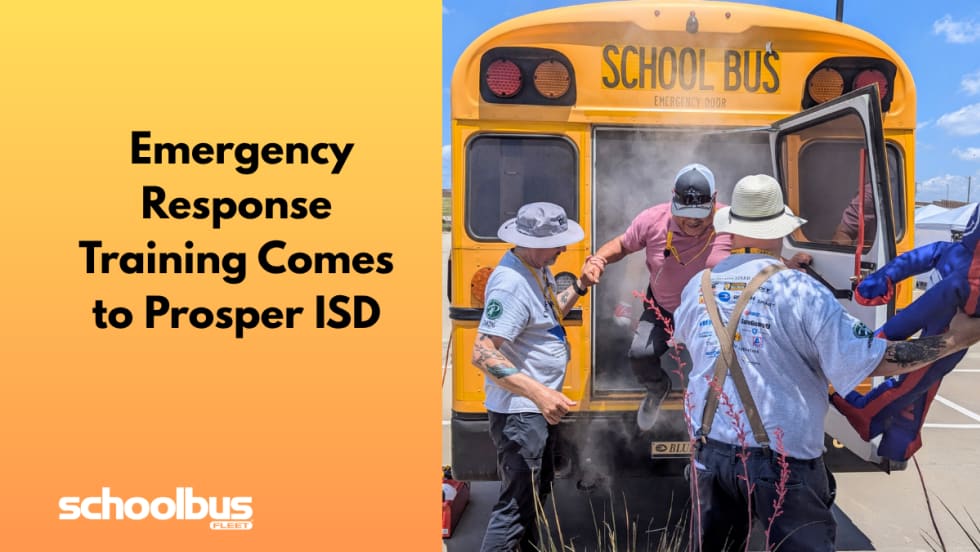
Operation STEER Brings Emergency Response Training to North Texas
Prosper ISD hosted the third annual training for transportation professionals across 67 districts to learn how to respond to emergencies, such as rollovers and evacuations, and proper use of safety equipment.
Read More →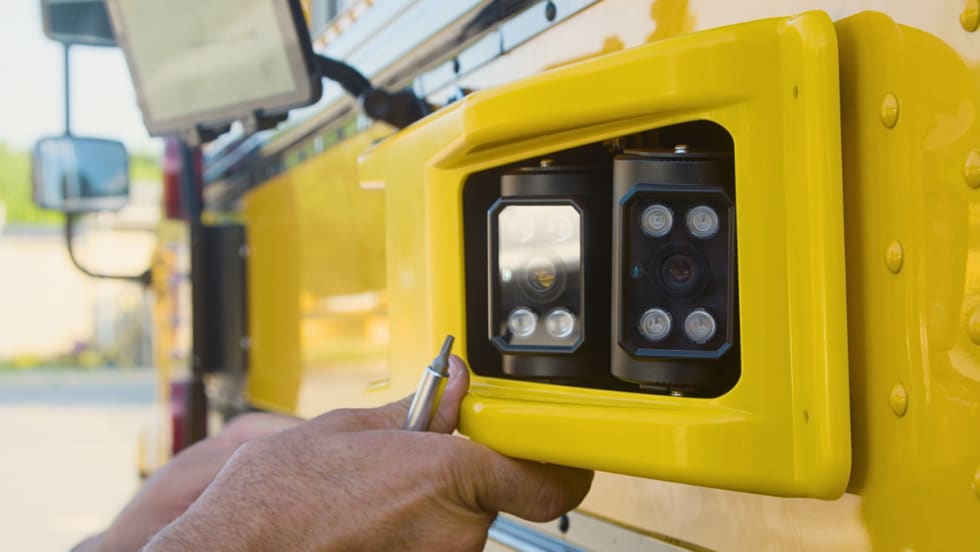
Florida District Relaunches BusPatrol School Bus Camera Program With New Safeguards
After being suspended over due process concerns, Miami-Dade schools and law enforcement are restarting the AI-powered stop-arm camera program with new oversight.
Read More →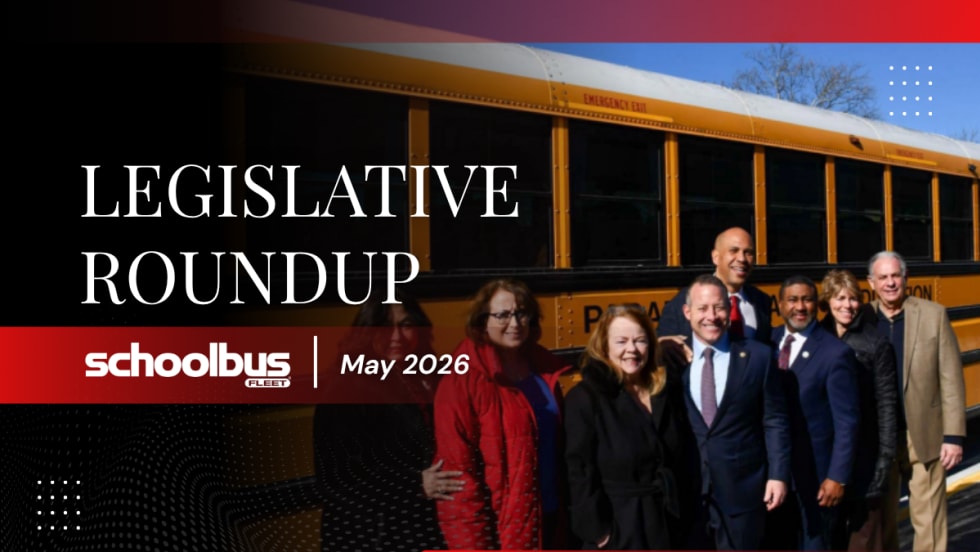
School Bus Laws To Watch: Seat Belt Bills, Funding Fights & EV Changes
From national bills on seat belts and driver oversight to driver awareness campaigns referencing “Finn’s Rule” and ongoing transportation funding debates in Alaska, here’s the latest in school bus legislation across the U.S.
Read More →
9-Year-Old Boy Killed by School Bus at Busy Brooklyn Intersection
A Williamsburg community is mourning after a child was fatally struck by a private yeshiva bus, prompting calls for urgent safety improvements at the high-traffic crossing.
Read More →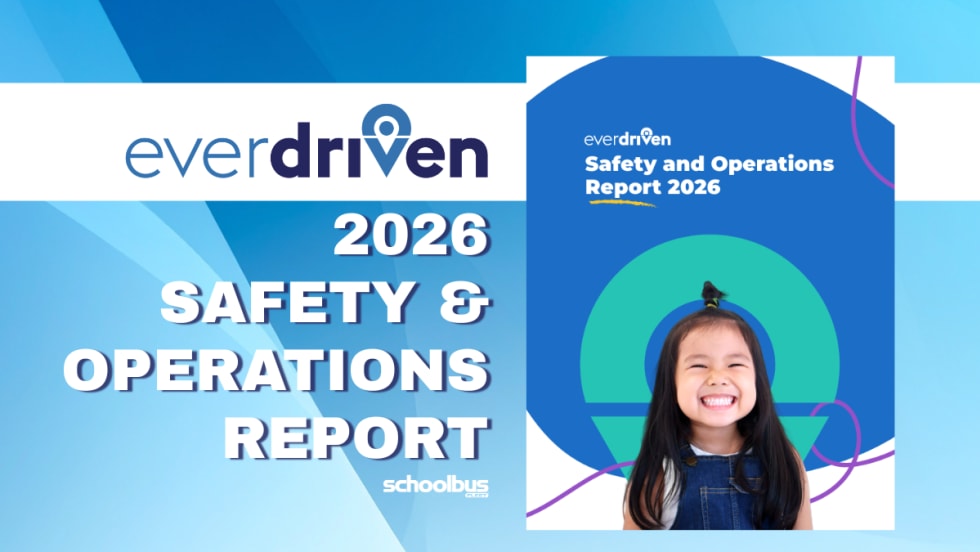
Does Reliable School Transportation Boost Attendance? EverDriven’s Data Says Yes
The new data shows 99.99% incident-free trips and strong on-time performance, reinforcing how dependable transportation, especially for vulnerable student populations, can help districts combat chronic absenteeism.
Read More →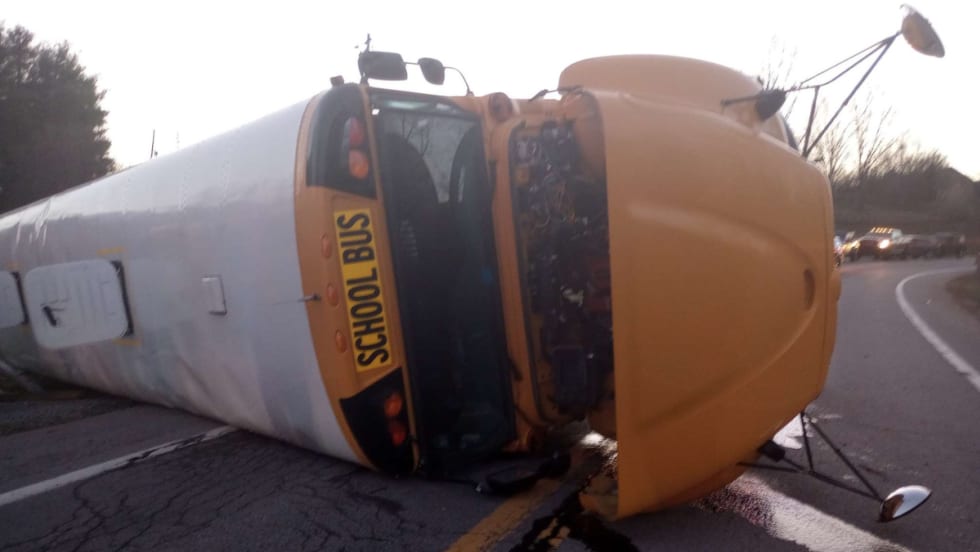
NTSB Calls for Alcohol Impairment Systems, Seat Belts After W.V. Crash Investigation
The federal agency's report asks NHTSA to require all new school buses to be equipped with vehicle-integrated alcohol detection systems and passenger lap-shoulder belts.
Read More →
2026 State of Student Transportation Report
Student transportation teams are being asked to do more with less, facing driver shortages, rising costs, and increasing safety expectations. This report uncovers how fleets are adapting, where technology is making the biggest impact, and why student ridership tracking is emerging as a top priority. Download the report to explore the key trends shaping 2026 and what they mean for your operation.
Read More →