




Stop and smell the roses
Some people just can’t take a hint. Or even several hints. A guy is cruising down the street in his shiny, silver sedan when, up ahead, he sees a...
Some people just can’t take a hint. Or even several hints.
A guy is cruising down the street in his shiny, silver sedan when, up ahead, he sees a big, yellow school bus stopped and a bunch of kids climbing on board. That seems like a good hint, but maybe it’s too subtle for him.
This motorist also sees that there are flashing red lights on the back of the bus. I’d call that a strong hint.
Sticking out of the side of the bus is a stop sign, which also has flashing red lights and, of course, the word “STOP” painted in big, white letters. That’s beyond a hint.
Despite all the indications that this guy is supposed to, yes, stop for the bus, he slides into the other lane and rolls right past, hardly even lowering his speed.
This is likely a familiar scenario to anyone who’s been around a school bus. As you’ll read in the feature story by Senior Editor Claire Atkinson in this issue, one study found that a school bus was subjected to an average of 4.5 of these illegal maneuvers per day.
The problem is perplexing and dangerous. In the 2006-07 school year, four children in the U.S. were killed — and surely many more were injured — by vehicles passing their school bus.
A journalistic tradition
At least once a year, SCHOOL BUS FLEET does an extra-long article — a “blockbuster,” as we call them — on a topic that we determine to be among the most pressing for the industry.
Last year, Associate Editor Kelly Roher wrote a blockbuster on bullying on the school bus. The year before that, Executive Editor Thomas McMahon did one on sleeping children being left accidentally on the bus.
The articles dug deep into these important issues and came up with a wealth of strategies for dealing with them. Both Kelly’s and Thomas’ blockbusters won the esteemed annual “Best Feature” award from our parent company, Bobit Business Media, which publishes more than 20 magazines.
Claire will contend for the award next year (no pressure), but the main validation we strive for is from you, our readers. We aim to help you do your job better, and I believe that Claire’s article is another significant contribution toward that end.
Digging in
In the article, Claire provides a comprehensive guide to reducing the rate of stop arm running — from reaching out to the public to partnering with law enforcement to implementing new technology.
To research the topic, Claire interviewed nearly a dozen people, including a senator, state directors of pupil transportation, association heads, district and contractor officials, and equipment manufacturers.
She also compiled information from numerous studies, such as the National School Bus Loading & Unloading Survey, which the Kansas State Department of Education provides annually.
The result of all of this hard work is a fascinating and informative read.
My thanks to Claire and the rest of our editors and contributing writers for consistently delivering high-quality articles. And thanks to you for reading.
More Safety
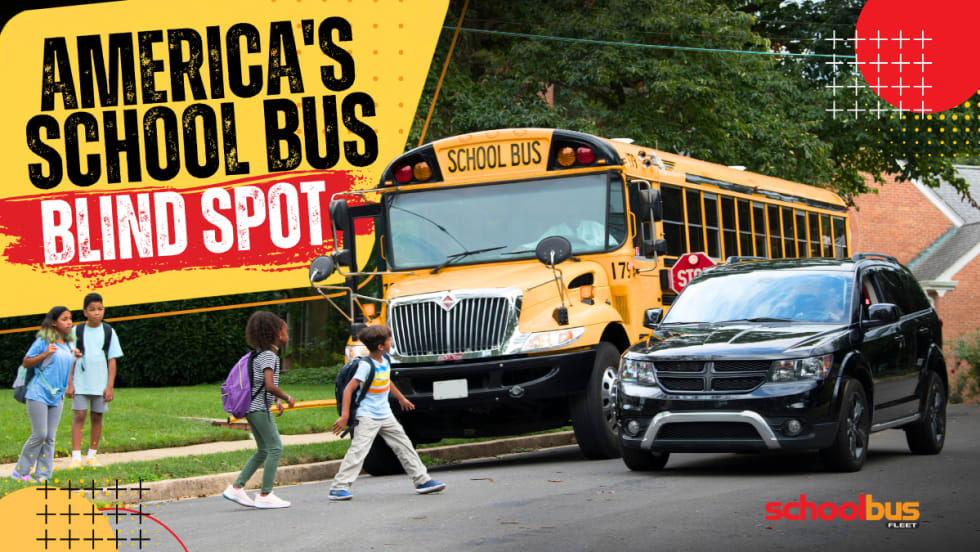
America Has a School Bus Passing Problem — and Distraction Is Making It Worse
Illegal school bus passing remains a major safety threat as distracted driving rises. This op-ed explores why awareness, enforcement, and stop-arm cameras matter more than ever.
Read More →
School Bus Laws to Watch: New York Delays EV Mandate
Plus, federal lawmakers seek new funding for school bus safety as states weigh stop-arm enforcement, disability protections, and education spending.
Read More →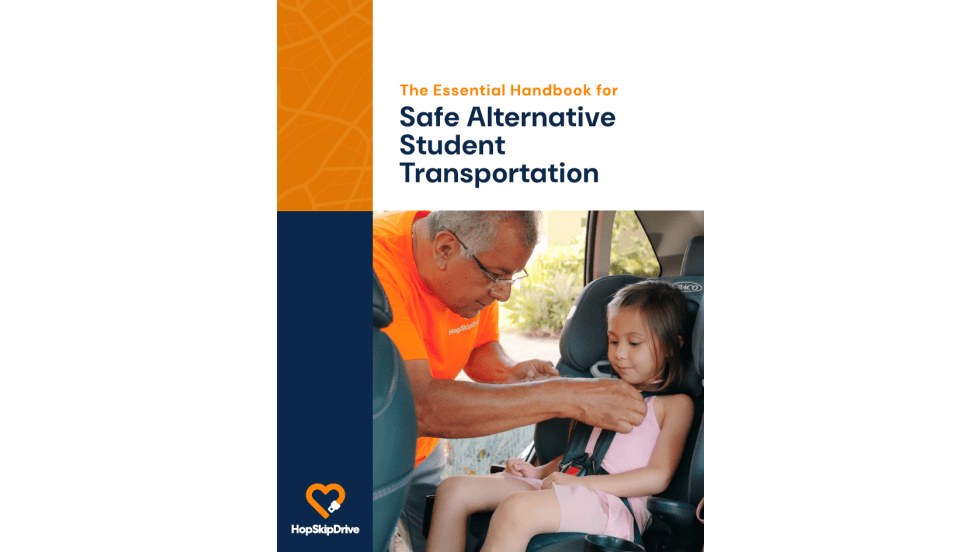
The Essential Handbook for Safe Alternative Student Transportation
Your district's "exception riders" — students with IEPs, those experiencing homelessness, foster care youth — deserve more than a middleman solution. This handbook breaks down exactly what to look for in a supplemental transportation partner: from driver vetting and regulatory compliance to proactive safety technology. Because getting a ride isn't the same as getting a safe one.
Read More →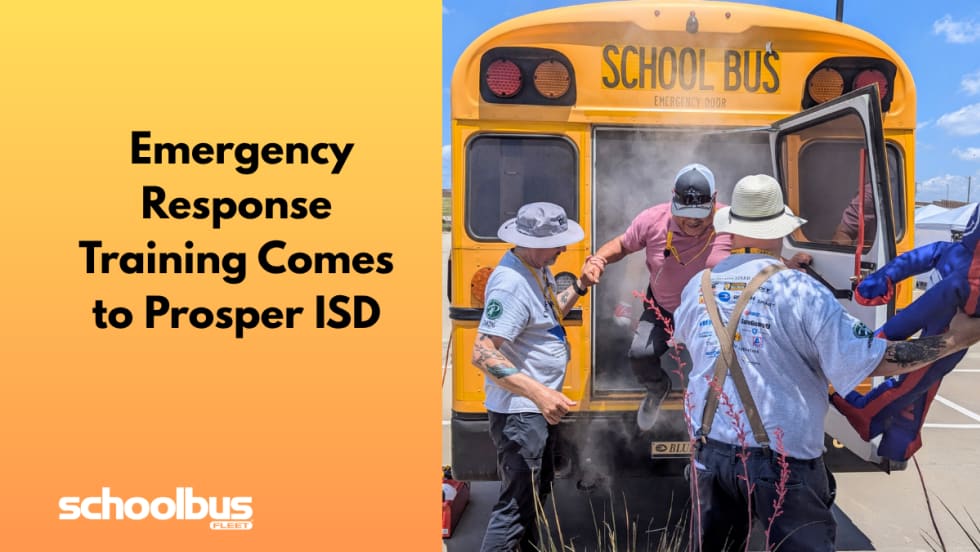
Operation STEER Brings Emergency Response Training to North Texas
Prosper ISD hosted the third annual training for transportation professionals across 67 districts to learn how to respond to emergencies, such as rollovers and evacuations, and proper use of safety equipment.
Read More →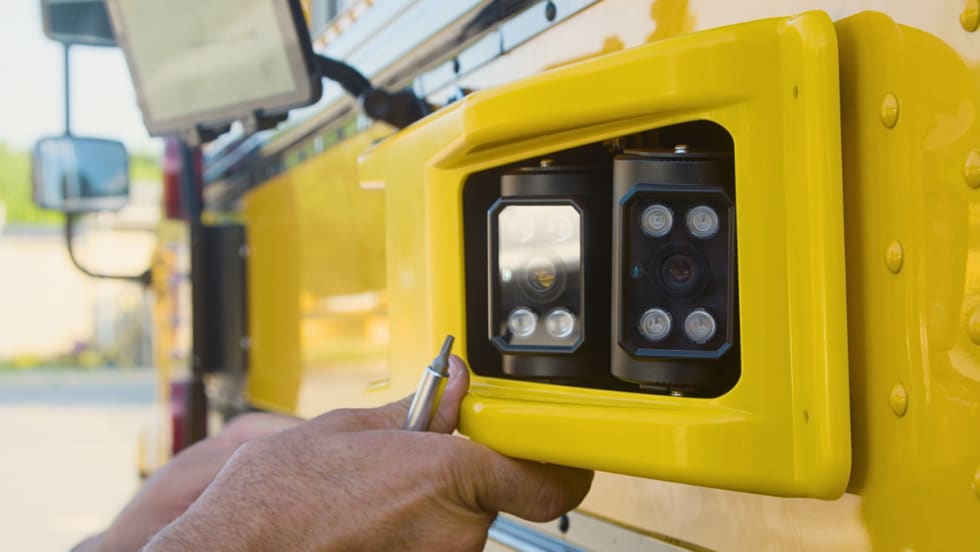
Florida District Relaunches BusPatrol School Bus Camera Program With New Safeguards
After being suspended over due process concerns, Miami-Dade schools and law enforcement are restarting the AI-powered stop-arm camera program with new oversight.
Read More →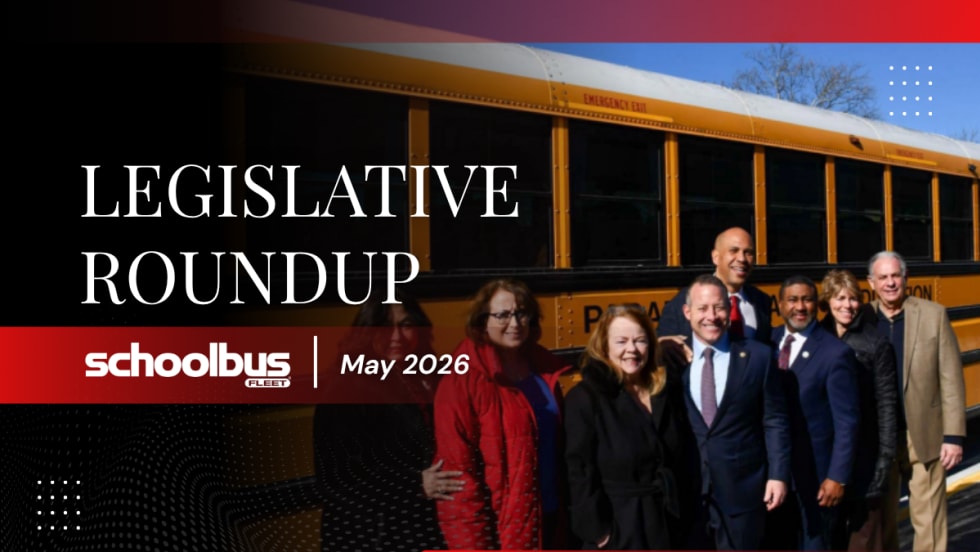
School Bus Laws To Watch: Seat Belt Bills, Funding Fights & EV Changes
From national bills on seat belts and driver oversight to driver awareness campaigns referencing “Finn’s Rule” and ongoing transportation funding debates in Alaska, here’s the latest in school bus legislation across the U.S.
Read More →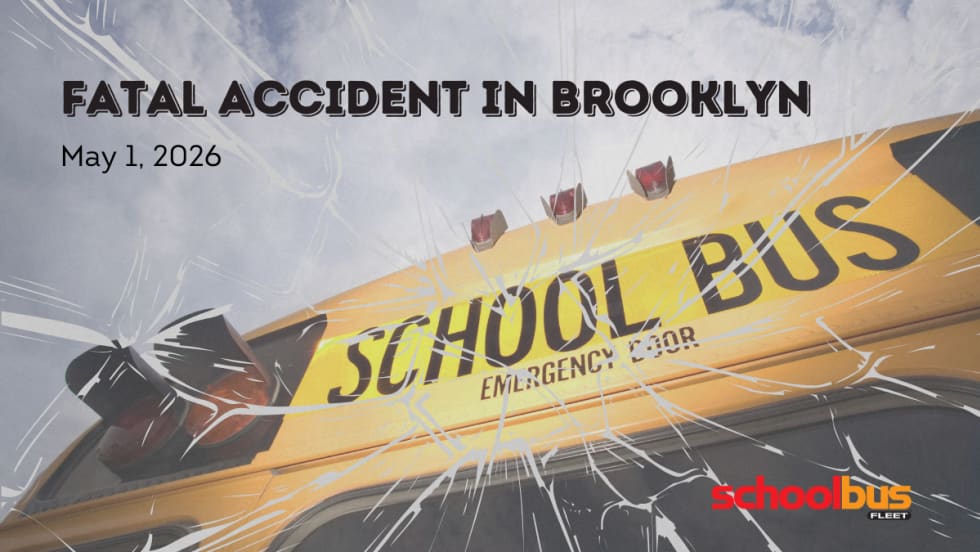
9-Year-Old Boy Killed by School Bus at Busy Brooklyn Intersection
A Williamsburg community is mourning after a child was fatally struck by a private yeshiva bus, prompting calls for urgent safety improvements at the high-traffic crossing.
Read More →
Does Reliable School Transportation Boost Attendance? EverDriven’s Data Says Yes
The new data shows 99.99% incident-free trips and strong on-time performance, reinforcing how dependable transportation, especially for vulnerable student populations, can help districts combat chronic absenteeism.
Read More →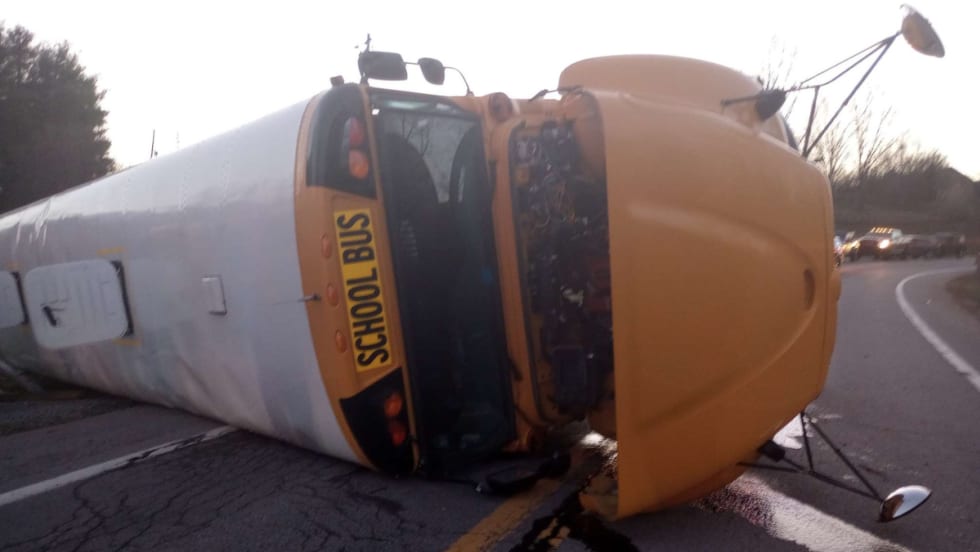
NTSB Calls for Alcohol Impairment Systems, Seat Belts After W.V. Crash Investigation
The federal agency's report asks NHTSA to require all new school buses to be equipped with vehicle-integrated alcohol detection systems and passenger lap-shoulder belts.
Read More →
2026 State of Student Transportation Report
Student transportation teams are being asked to do more with less, facing driver shortages, rising costs, and increasing safety expectations. This report uncovers how fleets are adapting, where technology is making the biggest impact, and why student ridership tracking is emerging as a top priority. Download the report to explore the key trends shaping 2026 and what they mean for your operation.
Read More →