




Preparing for a Bus Crash Emergency
Imagine that you are a dispatcher for a school district. One day, you receive a message from a bus driver via radio transmission indicating that he or...
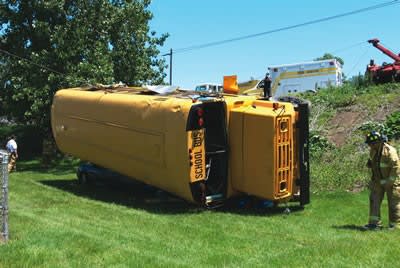
Imagine that you are a dispatcher for a school district. One day, you receive a message from a bus driver via radio transmission indicating that he or she has been involved in a crash. The driver reports that the bus is on its side and that there are students trapped inside the vehicle who are hurt and crying for help. After you make several attempts to obtain additional information, the driver does not respond.
Who is going to rescue these students, and how? What can be done to plan ahead for such a disastrous event? Answers to these questions will enable you to know what to expect from first responders and provide strategies that will help you prepare in the event of an emergency.
Immediate priorities
Following a school bus crash, fire and Emergency Medical Service (EMS) personnel will arrive on scene and immediately begin to size up the situation. Hazardous conditions — including fire, spilled fuel, fallen electrical lines and vehicular traffic — will need to be dealt with before anyone in the emergency response team approaches the school bus.
Students that are not injured or have only sustained minor injuries will be escorted out of the bus. These individuals need to be taken to a single location a safe distance from the bus. This will assist in maintaining accountability and allow EMS personnel to provide each passenger with the proper medical care.
Rescue workers will then quickly determine the number of occupants left inside the bus and how many are seriously injured or trapped. By knowing the number of occupants and assessing the scope of their injuries, additional resources can be requested. More extrication equipment, ambulances, medical transport helicopters and personnel may be needed.
The influx of bystanders, parents being contacted via cell phone and the media represent other challenges that rescue personnel face. All of these people want to help and are concerned about the students’ safety, but they can easily disrupt rescue efforts and put themselves in danger. Law enforcement officers will play a key role in managing the increased vehicular traffic and providing security at the scene.
Rescue operations
As emergency response personnel have learned from their training, a rescue involves three main steps: stabilizing the vehicle, gaining access, then extricating and treating the vehicle’s occupants. A bus positioned on its side, roof or down an embankment is in a precarious position and will need to be stabilized appropriately — cribbing and horizontal shoring will prevent further movement.
Once stabilized, rescuers will gain access inside the bus through the doors, windows, sidewalls, floor or the roof using power and hydraulic tools. The techniques they use will depend on the structural condition of the bus, the amount of damage and location of the damage.
If possible, the rescuers will use the front door as their entry point and the rear door as their exit. Any damage to those doors will dictate whether window removal or a more technical extrication is necessary.
After gaining access into the vehicle, the emergency crew will have its first opportunity to see which passengers are trapped and who is injured. Occupants will then be triaged (a process for sorting injured people into groups based on their need for, or likely benefit from, immediate medical treatment). Life-threatening injuries will be treated first — the occupants will be immobilized on backboards with cervical collars to prevent further injury. If disentanglement procedures are necessary, rescuers will protect the patient and any surrounding occupants from broken glass, sharp steel edges or collapsing structures.
Rescuers will also use established entry and exit points to take passengers out of the bus; as they are removed, they will be transferred to awaiting EMS crews for treatment and transport to local hospitals.
Preplanning
Although we hope to never be involved in a school bus crash, it is imperative that school districts take steps to ensure that the necessary precautions are in place. The following are several suggestions to engender effective preparation.
Contact your local fire department and see if they have had training on school bus extrication. If not, encourage them to get the training.
Consider establishing a standardized place on every school bus to store information about numbers of routine passengers and routes run for various times throughout the day. Communicate this information to emergency responders in your jurisdiction.
Coordinate with law enforcement and fire officials to provide assistance at the scene of a crash. It may be establishing an area for parents and media to gather, working with the fire department’s public information officer on briefing the parents and media periodically, or helping to determine who was on the bus.
Utilize school press releases and local newspapers to educate the community and parents on what to do in the event of a school bus crash and coordinate your communication with local emergency responders. It is human nature for parents to want to rush to their child’s side when his or her safety is threatened. Emphasize that fire, rescue and medical professionals will be taking excellent care of every child. Encourage parents to meet at a staging area — perhaps a nearby location marked with a large school flag — where they can be updated.
The complexities of school bus crashes can vary from a minor rear-end collision to an extensively damaged bus positioned upside down. While our nation’s school systems have undoubtedly provided emergency preparedness training for their drivers, being prepared and understanding first responders’ rescue process will further assist in giving children the best possible care in a terrifying situation.
The school bus is the safest way to transport students to school, so let’s keep the wheels rolling!
Paul Hasenmeier is a fire fighter/paramedic for the Huron (Ohio) Fire Division, and a fire and EMS instructor with experience training emergency responders on school bus extrication techniques. For further training information, e-mail him atphas@bex.net.
More Safety
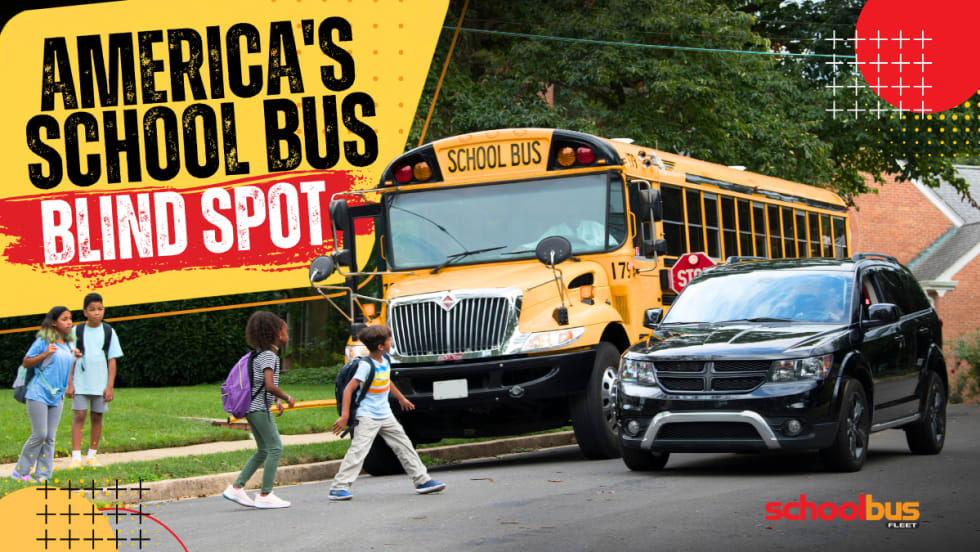
America Has a School Bus Passing Problem — and Distraction Is Making It Worse
Illegal school bus passing remains a major safety threat as distracted driving rises. This op-ed explores why awareness, enforcement, and stop-arm cameras matter more than ever.
Read More →
School Bus Laws to Watch: New York Delays EV Mandate
Plus, federal lawmakers seek new funding for school bus safety as states weigh stop-arm enforcement, disability protections, and education spending.
Read More →
The Essential Handbook for Safe Alternative Student Transportation
Your district's "exception riders" — students with IEPs, those experiencing homelessness, foster care youth — deserve more than a middleman solution. This handbook breaks down exactly what to look for in a supplemental transportation partner: from driver vetting and regulatory compliance to proactive safety technology. Because getting a ride isn't the same as getting a safe one.
Read More →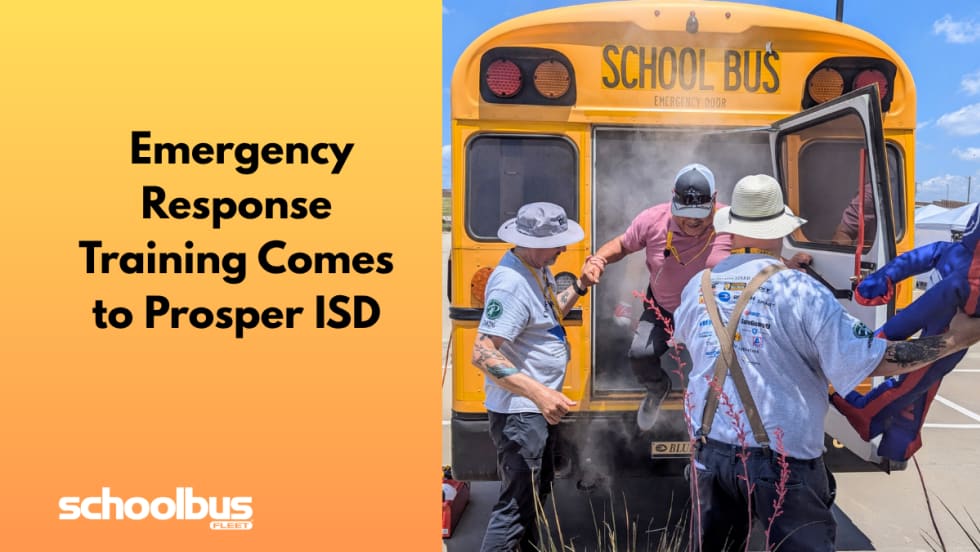
Operation STEER Brings Emergency Response Training to North Texas
Prosper ISD hosted the third annual training for transportation professionals across 67 districts to learn how to respond to emergencies, such as rollovers and evacuations, and proper use of safety equipment.
Read More →
Florida District Relaunches BusPatrol School Bus Camera Program With New Safeguards
After being suspended over due process concerns, Miami-Dade schools and law enforcement are restarting the AI-powered stop-arm camera program with new oversight.
Read More →
School Bus Laws To Watch: Seat Belt Bills, Funding Fights & EV Changes
From national bills on seat belts and driver oversight to driver awareness campaigns referencing “Finn’s Rule” and ongoing transportation funding debates in Alaska, here’s the latest in school bus legislation across the U.S.
Read More →
9-Year-Old Boy Killed by School Bus at Busy Brooklyn Intersection
A Williamsburg community is mourning after a child was fatally struck by a private yeshiva bus, prompting calls for urgent safety improvements at the high-traffic crossing.
Read More →
Does Reliable School Transportation Boost Attendance? EverDriven’s Data Says Yes
The new data shows 99.99% incident-free trips and strong on-time performance, reinforcing how dependable transportation, especially for vulnerable student populations, can help districts combat chronic absenteeism.
Read More →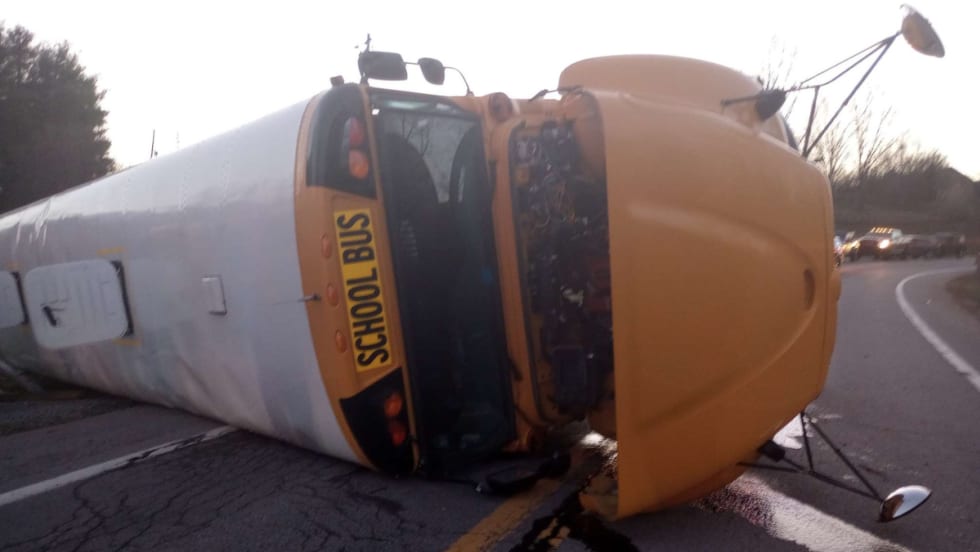
NTSB Calls for Alcohol Impairment Systems, Seat Belts After W.V. Crash Investigation
The federal agency's report asks NHTSA to require all new school buses to be equipped with vehicle-integrated alcohol detection systems and passenger lap-shoulder belts.
Read More →
2026 State of Student Transportation Report
Student transportation teams are being asked to do more with less, facing driver shortages, rising costs, and increasing safety expectations. This report uncovers how fleets are adapting, where technology is making the biggest impact, and why student ridership tracking is emerging as a top priority. Download the report to explore the key trends shaping 2026 and what they mean for your operation.
Read More →