



NAPT calls for review of safety standards
The National Association for Pupil Transportation’s (NAPT) board of directors petitioned the National Highway Traffic Safety Administration (NHTSA) to review key school bus safety standards and to elaborate on lap/shoulder belts.

ALBANY, N.Y. — The National Association for Pupil Transportation’s (NAPT) board of directors petitioned the National Highway Traffic Safety Administration (NHTSA) to review key school bus safety standards and to elaborate on lap/shoulder belts.
In a 2002 report to Congress on school bus safety, NHTSA said that it was considering the following changes to Federal Motor Vehicle Safety Standard (FMVSS) 222, which covers school bus passenger seating and crash protection:
Increase seat back height from 20 to 24 inches to reduce the potential for passenger override in the event of a crash.
Require buses under 10,000 pounds to have lap/shoulder restraints. Currently, passenger seats on these buses are only required to be equipped with lap belts.
Develop standardized test procedures for voluntarily installed lap-shoulder belts.
The NAPT’s petition asks NHTSA to initiate rulemakings on those items to determine whether upgrading FMVSS 222 could make school buses safer.
In a separate statement, the NAPT said that it would sponsor an industry-wide forum to discuss any changes that NHTSA proposes.
The NAPT also requested clarification of statements that NHTSA made about lap/shoulder belt systems in the report to Congress. NHTSA had indicated that lap-shoulder belt systems, if used properly, could save one life a year. However, NHTSA noted that this estimate relied on 100 percent usage and no misuse of the systems.
The NAPT wrote in its petition that those usage parameters are “virtually impossible.” Further complicating the matter was NHTSA’s finding that misuse could result in serious neck and abdominal injuries.
“We were expecting NHTSA to tell us whether or not lap/shoulder belts should be integrated into the passenger crash protection system of school buses,” said NAPT Executive Director Mike Martin. “We, like everyone else, were disappointed that we didn’t get a definitive answer. Whether NHTSA was unable or unwilling to settle the matter is, at this point, irrelevant; the outcome is the same in either case — everyone who wanted and needed a clear answer to that question is currently frustrated and perplexed.”
In the petition, the NAPT said that it interprets NHTSA’s statements about lap/shoulder belts to mean that the current system of passenger crash protection in school buses, compartmentalization, continues to be the best approach.
“We know that NHTSA considers a yellow school bus the safest form of ground transportation in America — even without seat belts,” said NAPT President Lenny Bernstein. “As a result, we believe modifications to the current system of school bus passenger crash protection should only occur when we can be sure beyond a reasonable doubt that those modifications will improve the safety of each and every child in a school bus.”
The NAPT also called on NHTSA to help in educating the public about how school buses differ from cars from a crashworthiness perspective and about the key role that school bus transportation plays in saving lives.
The petition and other related documents are available on the NAPT Website, www.napt.org, in the “Industry News” section.
More Safety
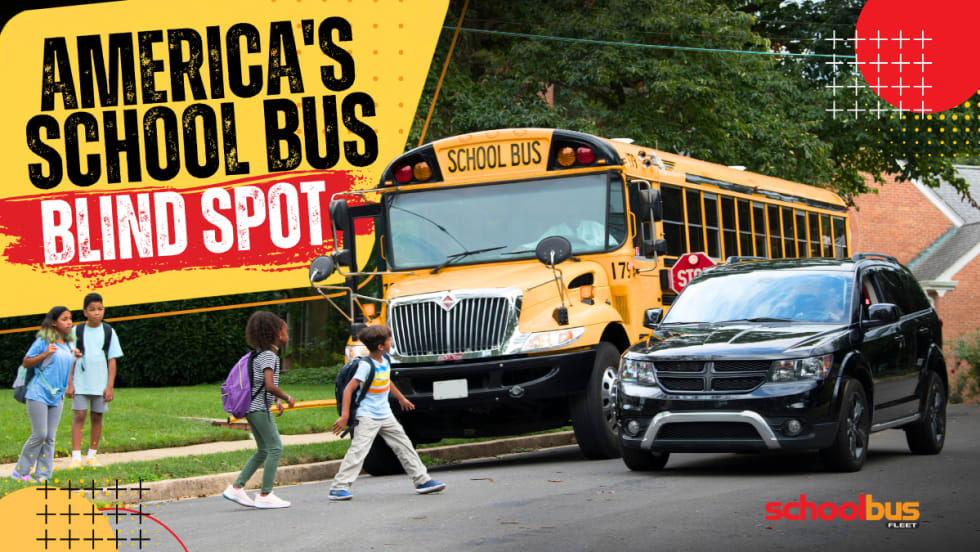
America Has a School Bus Passing Problem — and Distraction Is Making It Worse
Illegal school bus passing remains a major safety threat as distracted driving rises. This op-ed explores why awareness, enforcement, and stop-arm cameras matter more than ever.
Read More →
School Bus Laws to Watch: New York Delays EV Mandate
Plus, federal lawmakers seek new funding for school bus safety as states weigh stop-arm enforcement, disability protections, and education spending.
Read More →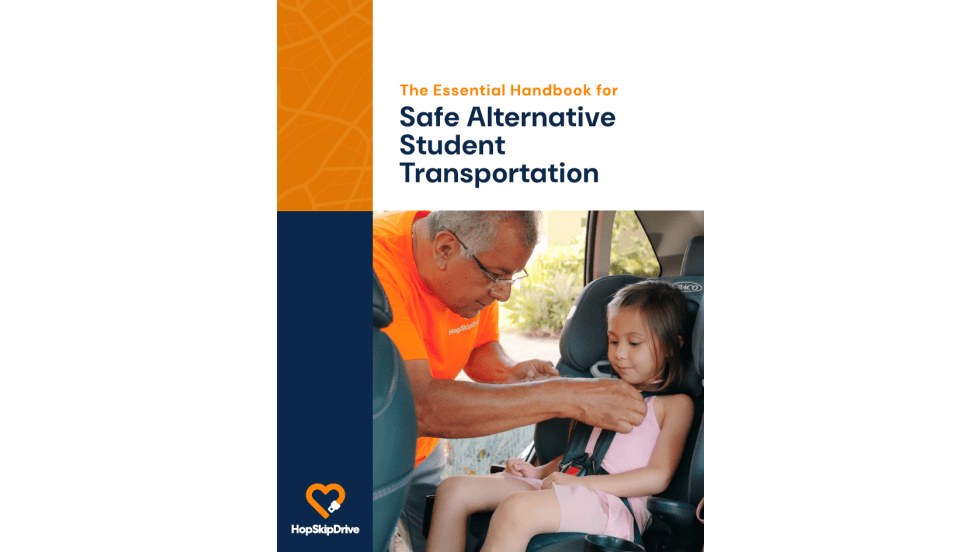
The Essential Handbook for Safe Alternative Student Transportation
Your district's "exception riders" — students with IEPs, those experiencing homelessness, foster care youth — deserve more than a middleman solution. This handbook breaks down exactly what to look for in a supplemental transportation partner: from driver vetting and regulatory compliance to proactive safety technology. Because getting a ride isn't the same as getting a safe one.
Read More →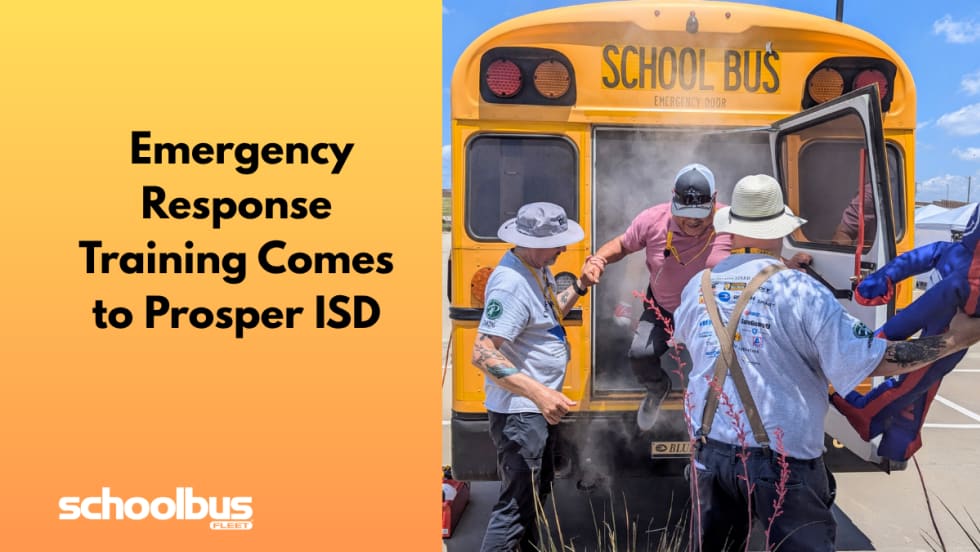
Operation STEER Brings Emergency Response Training to North Texas
Prosper ISD hosted the third annual training for transportation professionals across 67 districts to learn how to respond to emergencies, such as rollovers and evacuations, and proper use of safety equipment.
Read More →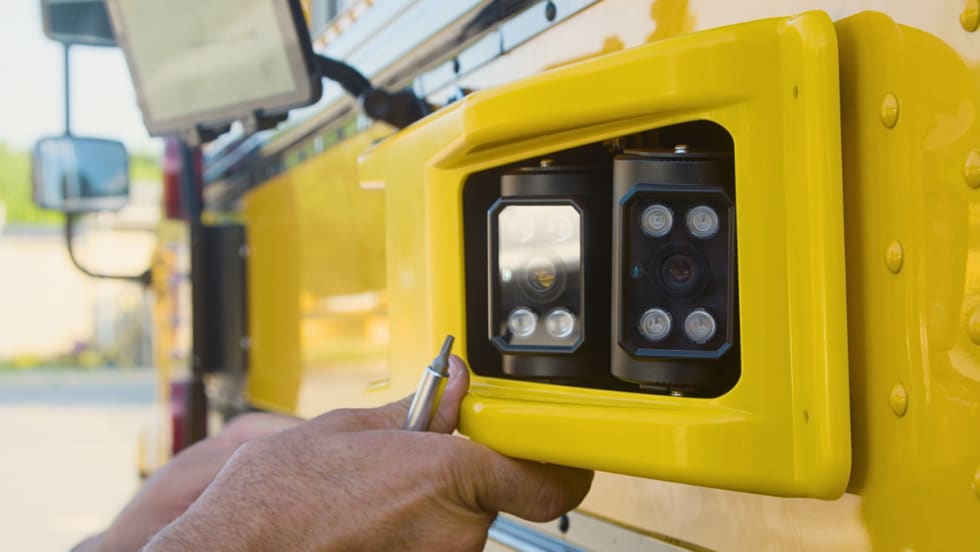
Florida District Relaunches BusPatrol School Bus Camera Program With New Safeguards
After being suspended over due process concerns, Miami-Dade schools and law enforcement are restarting the AI-powered stop-arm camera program with new oversight.
Read More →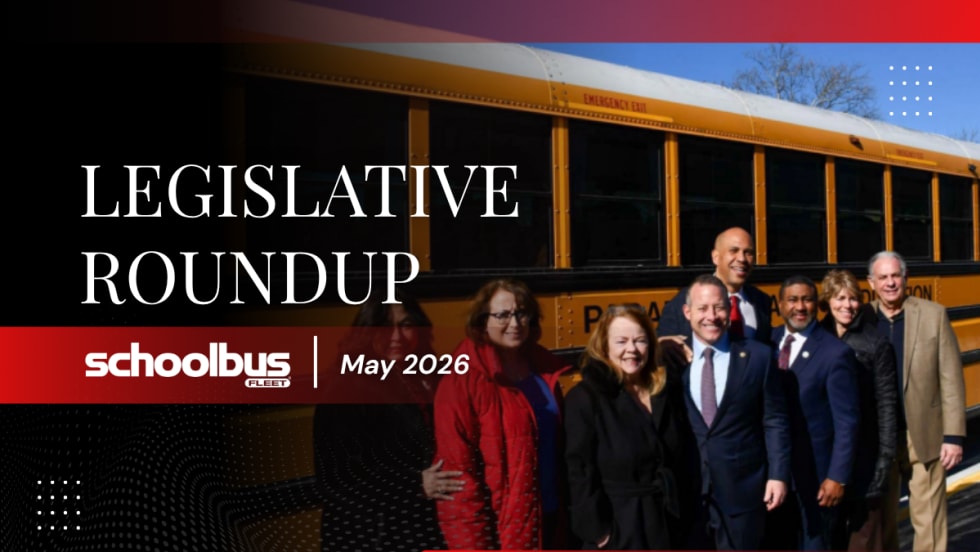
School Bus Laws To Watch: Seat Belt Bills, Funding Fights & EV Changes
From national bills on seat belts and driver oversight to driver awareness campaigns referencing “Finn’s Rule” and ongoing transportation funding debates in Alaska, here’s the latest in school bus legislation across the U.S.
Read More →
9-Year-Old Boy Killed by School Bus at Busy Brooklyn Intersection
A Williamsburg community is mourning after a child was fatally struck by a private yeshiva bus, prompting calls for urgent safety improvements at the high-traffic crossing.
Read More →
Does Reliable School Transportation Boost Attendance? EverDriven’s Data Says Yes
The new data shows 99.99% incident-free trips and strong on-time performance, reinforcing how dependable transportation, especially for vulnerable student populations, can help districts combat chronic absenteeism.
Read More →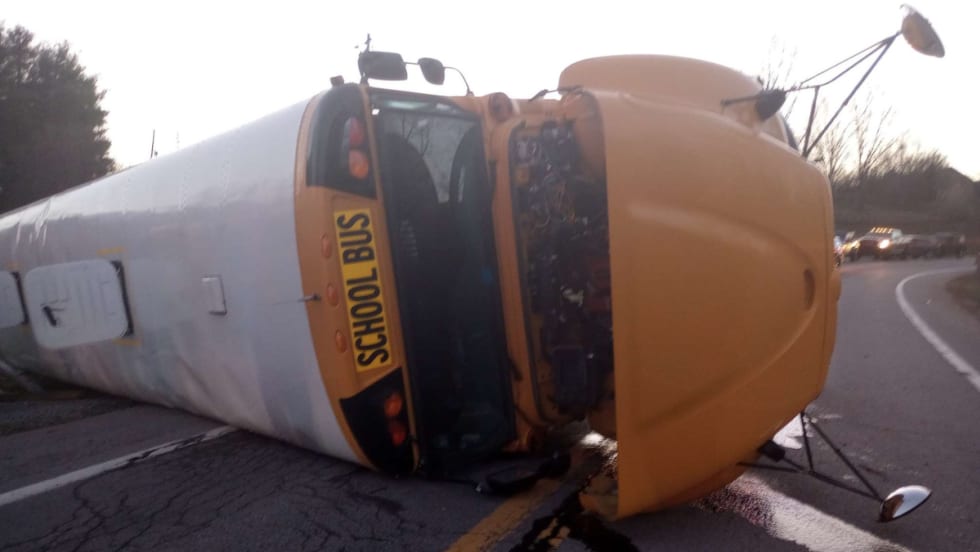
NTSB Calls for Alcohol Impairment Systems, Seat Belts After W.V. Crash Investigation
The federal agency's report asks NHTSA to require all new school buses to be equipped with vehicle-integrated alcohol detection systems and passenger lap-shoulder belts.
Read More →
2026 State of Student Transportation Report
Student transportation teams are being asked to do more with less, facing driver shortages, rising costs, and increasing safety expectations. This report uncovers how fleets are adapting, where technology is making the biggest impact, and why student ridership tracking is emerging as a top priority. Download the report to explore the key trends shaping 2026 and what they mean for your operation.
Read More →