


A spectacular show at the Salt Palace
If you didn’t have a chance to attend this year’s conference and trade show of the National Association for Pupil Transportation, you missed a great o...
If you didn’t have a chance to attend this year’s conference and trade show of the National Association for Pupil Transportation, you missed a great opportunity to get a firsthand look at some spectacular new products (see our coverage in this issue of the conference and products highlighted at the trade show).
This year’s show, held in Salt Lake City, was a feast for the eyes and ears. Thomas Built Buses and IC Corp. each unveiled their new conventional buses in spectacular fashion. A laser light show accompanied the dramatic unveiling of Thomas’ new Saf-T-Liner C2, while balloons, streamers and big-screen video attended the extravagant introduction of IC Corp.’s CE.
Investments are obvious
For those of us lucky enough to be in attendance, these displays will not soon be forgotten. Even more compelling than these theatrical presentations, however, are the products themselves. Each vehicle is the result of thousands of hours — and millions of dollars — of research and development.
Much of that research is directed at the users themselves. Focus groups and more traditional customer surveys help the design engineers create a vehicle that meets the rigorous demands of the road, the passengers and the driver. It would be futile to design a bus without the input of the customers, but it would also be futile to solicit the customers’ input and then ignore it. It’s clear that both bus manufacturers solicited input and acted on the feedback they received from all areas of the industry.
Supporting that R&D are considerable investments in new manufacturing plants. IC Corp. spent tens of millions of dollars on its school bus manufacturing plant in Tulsa, Okla. Thomas is doing the same to construct a state-of-the-art manufacturing plant in High Point, N.C.
Thomas and IC Corp. are to be commended for stepping up their efforts to bring improved products into the pipeline, but they’re not alone. All of today’s bus manufacturers and suppliers are continuing to invest in the future of school transportation, even amid the economic downturn that has plagued state budgets for the past few years. {+PAGEBREAK+}
Commitment is clear
All you had to do was take a walk up and down the aisles of the exhibit hall at the Salt Palace and you would see that this industry has not turned its back on product innovation. I saw literally dozens of companies that were introducing new products or services to this industry. Some of them were newcomers testing the waters; others were established industry suppliers who, because of competitive pressures, are stretching their budgets to develop new products or enhance existing ones.
The commitment of the supplier community to this market is clear. So is the long-established commitment of the school bus operators, public and private, to running school buses in the safest, most efficient fashion. That’s what makes it such a pleasure to work in this industry. Let’s support the push for the highest quality products that can be produced. When it’s time to talk to your school administration and/or school board about transportation funding, make sure to mention the investments already made by the industry to improve safety and efficiency, for the kids’ sake.
More Safety
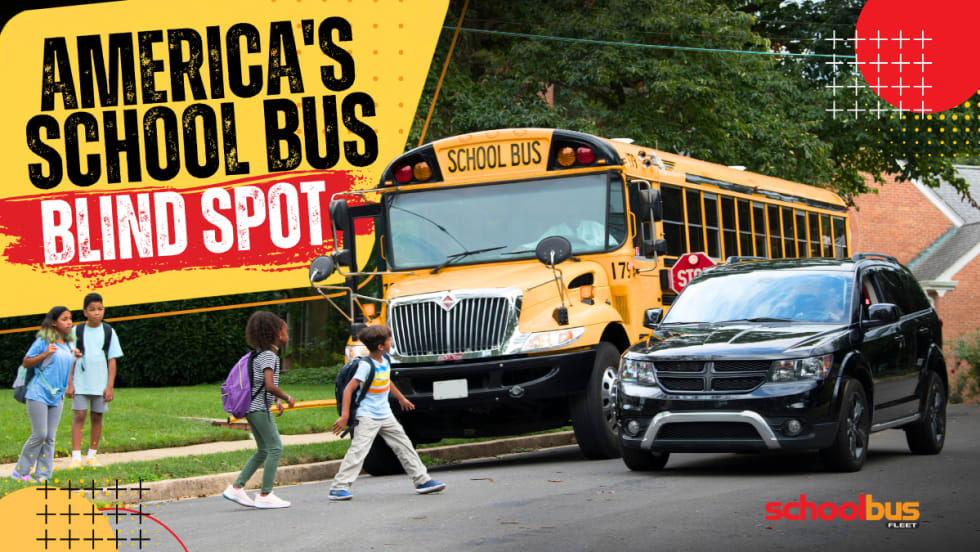
America Has a School Bus Passing Problem — and Distraction Is Making It Worse
Illegal school bus passing remains a major safety threat as distracted driving rises. This op-ed explores why awareness, enforcement, and stop-arm cameras matter more than ever.
Read More →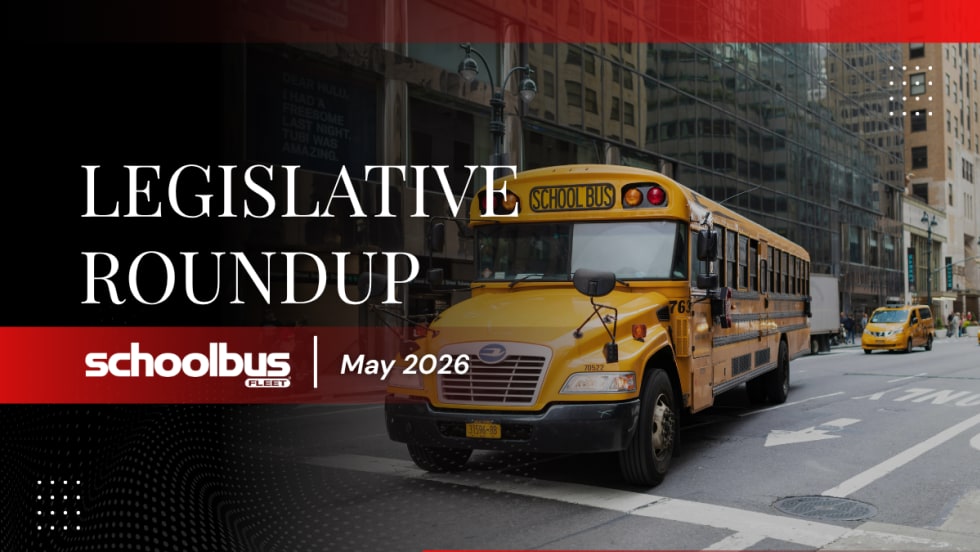
School Bus Laws to Watch: New York Delays EV Mandate
Plus, federal lawmakers seek new funding for school bus safety as states weigh stop-arm enforcement, disability protections, and education spending.
Read More →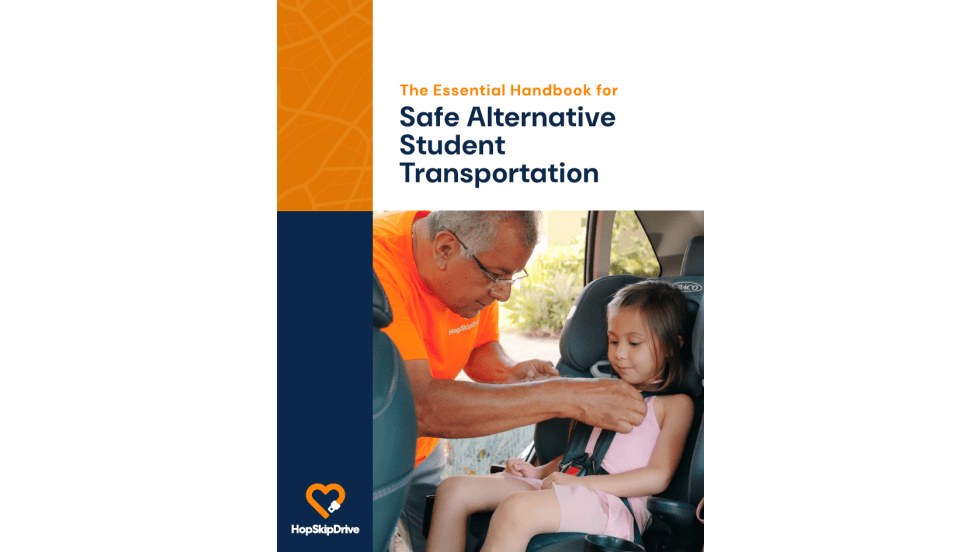
The Essential Handbook for Safe Alternative Student Transportation
Your district's "exception riders" — students with IEPs, those experiencing homelessness, foster care youth — deserve more than a middleman solution. This handbook breaks down exactly what to look for in a supplemental transportation partner: from driver vetting and regulatory compliance to proactive safety technology. Because getting a ride isn't the same as getting a safe one.
Read More →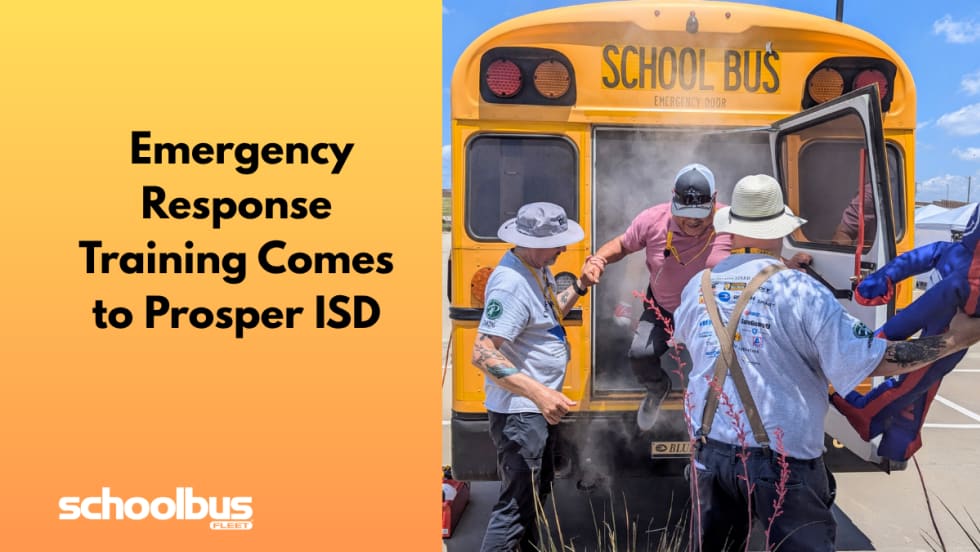
Operation STEER Brings Emergency Response Training to North Texas
Prosper ISD hosted the third annual training for transportation professionals across 67 districts to learn how to respond to emergencies, such as rollovers and evacuations, and proper use of safety equipment.
Read More →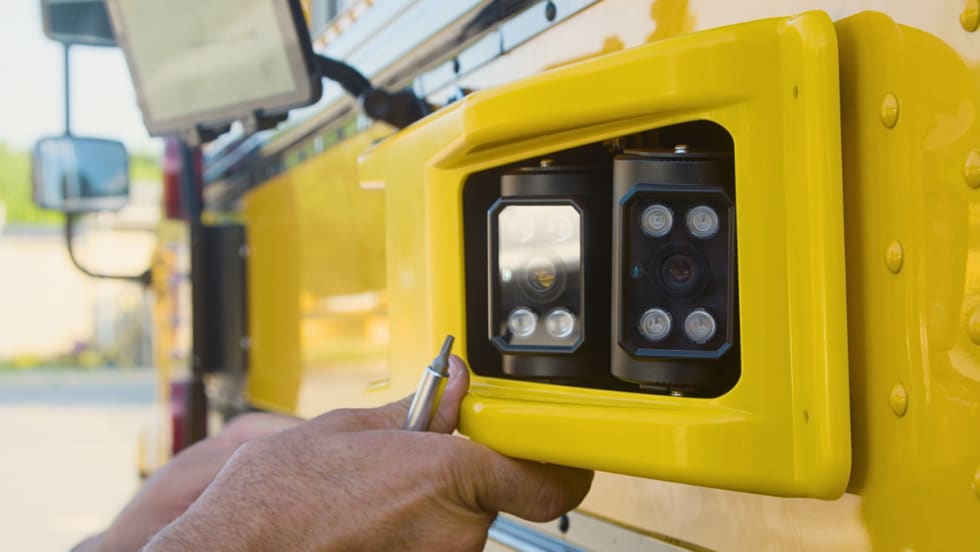
Florida District Relaunches BusPatrol School Bus Camera Program With New Safeguards
After being suspended over due process concerns, Miami-Dade schools and law enforcement are restarting the AI-powered stop-arm camera program with new oversight.
Read More →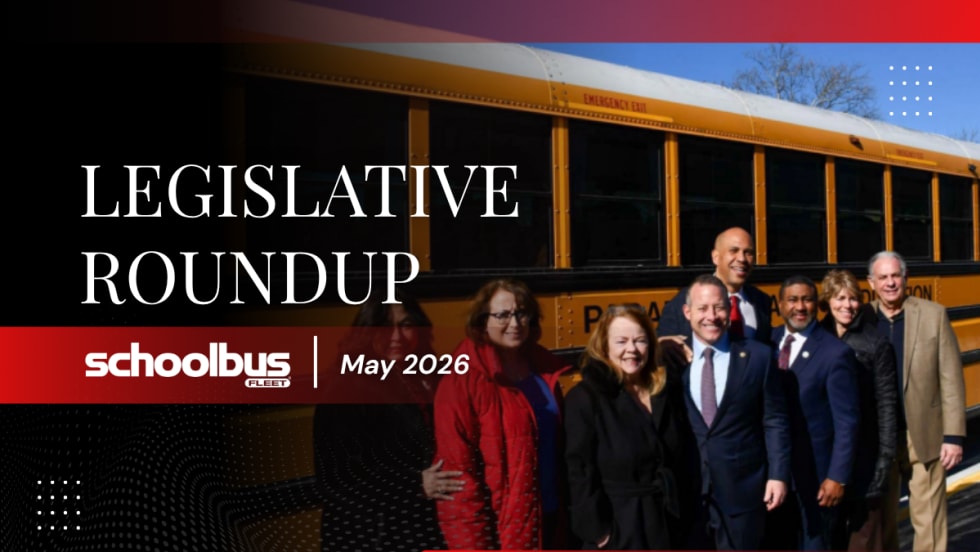
School Bus Laws To Watch: Seat Belt Bills, Funding Fights & EV Changes
From national bills on seat belts and driver oversight to driver awareness campaigns referencing “Finn’s Rule” and ongoing transportation funding debates in Alaska, here’s the latest in school bus legislation across the U.S.
Read More →
9-Year-Old Boy Killed by School Bus at Busy Brooklyn Intersection
A Williamsburg community is mourning after a child was fatally struck by a private yeshiva bus, prompting calls for urgent safety improvements at the high-traffic crossing.
Read More →
Does Reliable School Transportation Boost Attendance? EverDriven’s Data Says Yes
The new data shows 99.99% incident-free trips and strong on-time performance, reinforcing how dependable transportation, especially for vulnerable student populations, can help districts combat chronic absenteeism.
Read More →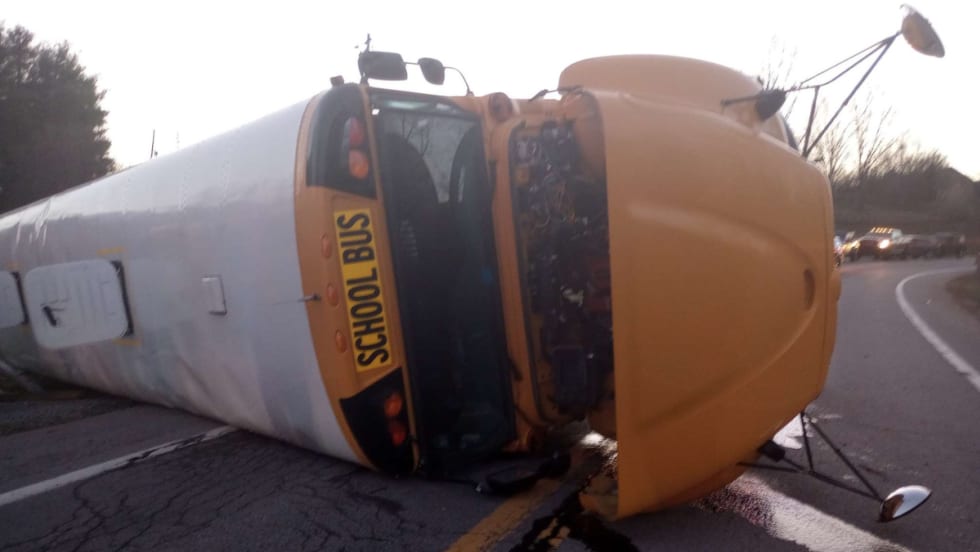
NTSB Calls for Alcohol Impairment Systems, Seat Belts After W.V. Crash Investigation
The federal agency's report asks NHTSA to require all new school buses to be equipped with vehicle-integrated alcohol detection systems and passenger lap-shoulder belts.
Read More →
2026 State of Student Transportation Report
Student transportation teams are being asked to do more with less, facing driver shortages, rising costs, and increasing safety expectations. This report uncovers how fleets are adapting, where technology is making the biggest impact, and why student ridership tracking is emerging as a top priority. Download the report to explore the key trends shaping 2026 and what they mean for your operation.
Read More →