




How to avoid the parent trap
As long as there are children to transport to and from school, there will be parents of those children to keep satisfied. Can't have one without the o...
As long as there are children to transport to and from school, there will be parents of those children to keep satisfied. Can't have one without the other, can you? As Associate Editor Joey Campbell points out in his feature story, "Parents Speak Out: Ideas for your School Bus Operation," parents often have strong opinions about the transportation service their children receive. Unfortunately, their beliefs can be based on misconception, ignorance or personal bias. The key, then, to building a good relationship with parents is providing them with accurate and enlightening information about your program. Make parents your partners
Armed with this information, parents can be your partners instead of your adversaries. Here are three common misconceptions that parents have about pupil transportation that need to be countered with accurate, objective information. 1. Buses aren't safe without seat belts. This, of course, is the most common misconception that the parents, and the general public, have about school buses. To be honest, the National Highway Traffic Safety Administration's report on occupant protection released earlier this year will make it more difficult for transportation managers to explain why buses aren't equipped, like other vehicles, with three-point belt systems. The study did reconfirm that lap belts don't belong on large school buses, but it suggested that, properly used, lap/shoulder belt systems could provide some small safety benefit. I suggest that you mention the trade-offs to installing three-point systems (e.g., higher costs, lower capacity) and point out that compartmentalization is still a highly effective passive restraint system. It is important for parents to understand the fact that compartmentalization doesn't rely on the child to do anything except stay in the seating compartment. 2. Bus drivers are neither capable nor adequately trained. For some reason, parents believe that anyone who would accept a position as a bus driver, because of its low pay and lack of status, must be desperate for a job and therefore not highly capable or skilled. This is an easy argument to refute, given the training and testing requirements that bus drivers must meet to get behind the wheel. You can cite the CDL requirements, the criminal background checks required in nearly all states, the federal drug and alcohol testing program and the specific school bus training required in the classroom and behind the wheel. School bus drivers are among the most intensively trained and tested professional on the road. 3. Students are not safe on the bus because of misbehavior. This misperception stems from growing concerns about youth violence. These concerns, however, are misplaced. Although it's true that bus passengers occasionally are involved in fights, sexual harassment and bullying, these incidents are probably no more prevalent on a bus than on the street or on a playground. In fact, you could safely assume that children who walk to school are more likely to be victimized by crime than those who ride the bus. Yes, riding on the bus does create potential problems by putting students in close quarters with one another, but an adult trained in behavior management is always there to defuse conflicts and, if necessary, radio for the assistance. Listen carefully. . .
The other key to maintaining a good relationship with parents is communication. Responding promptly and courteously to phone calls is critical. How many times have you formed a negative opinion about a company because its representatives haven't returned repeated phone calls? Even if the problem was satisfactorily resolved, the phone discourtesy will be remembered. Find time to communicate with parents, listen closely to them and make sure they know what the rest of us know about buses, drivers and safe passage.
More Safety
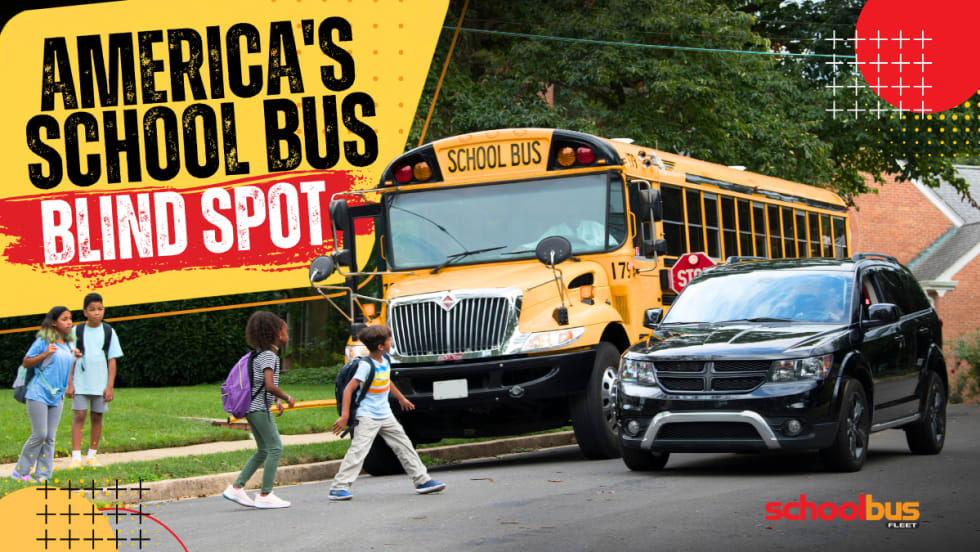
America Has a School Bus Passing Problem — and Distraction Is Making It Worse
Illegal school bus passing remains a major safety threat as distracted driving rises. This op-ed explores why awareness, enforcement, and stop-arm cameras matter more than ever.
Read More →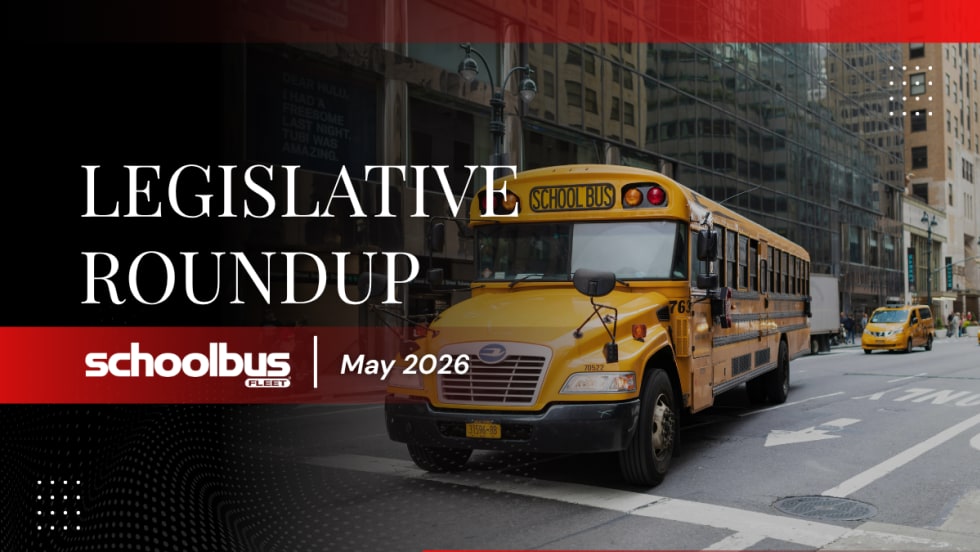
School Bus Laws to Watch: New York Delays EV Mandate
Plus, federal lawmakers seek new funding for school bus safety as states weigh stop-arm enforcement, disability protections, and education spending.
Read More →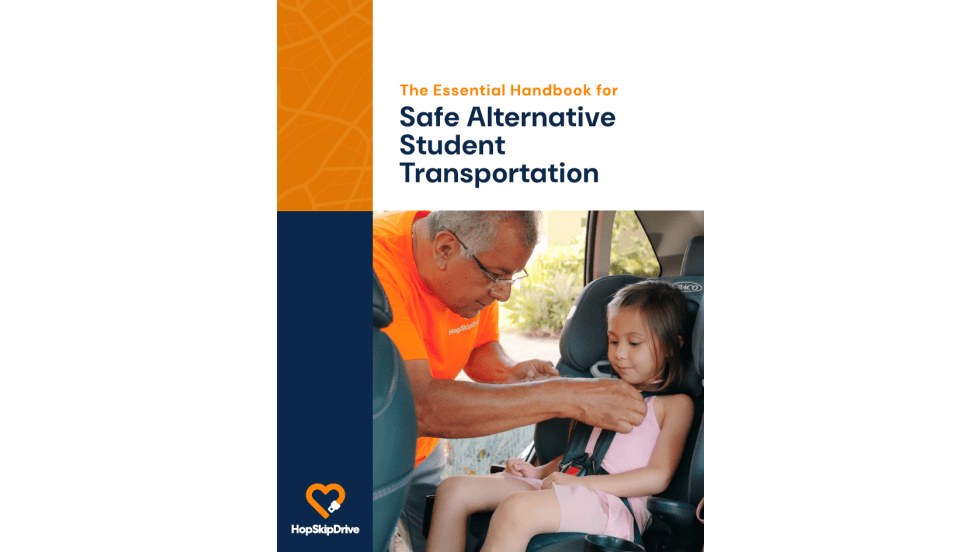
The Essential Handbook for Safe Alternative Student Transportation
Your district's "exception riders" — students with IEPs, those experiencing homelessness, foster care youth — deserve more than a middleman solution. This handbook breaks down exactly what to look for in a supplemental transportation partner: from driver vetting and regulatory compliance to proactive safety technology. Because getting a ride isn't the same as getting a safe one.
Read More →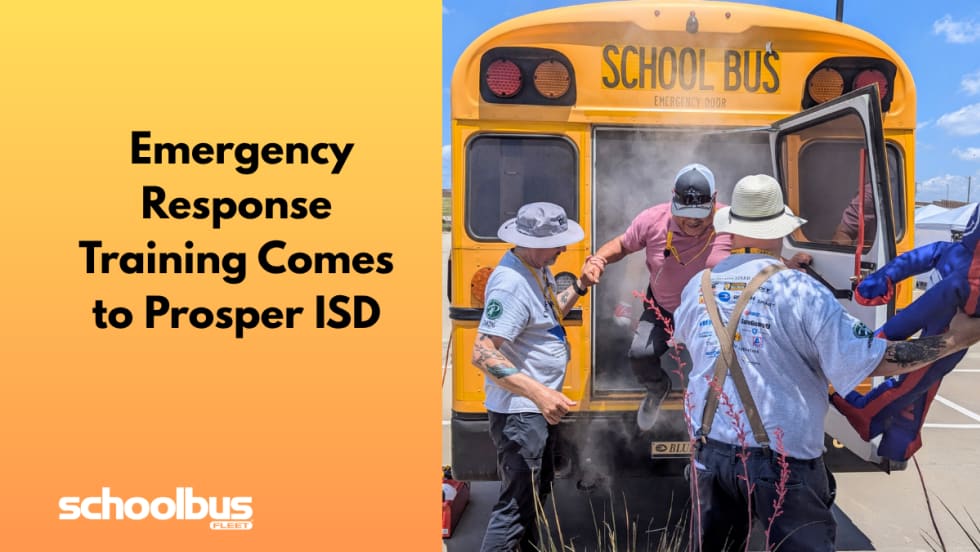
Operation STEER Brings Emergency Response Training to North Texas
Prosper ISD hosted the third annual training for transportation professionals across 67 districts to learn how to respond to emergencies, such as rollovers and evacuations, and proper use of safety equipment.
Read More →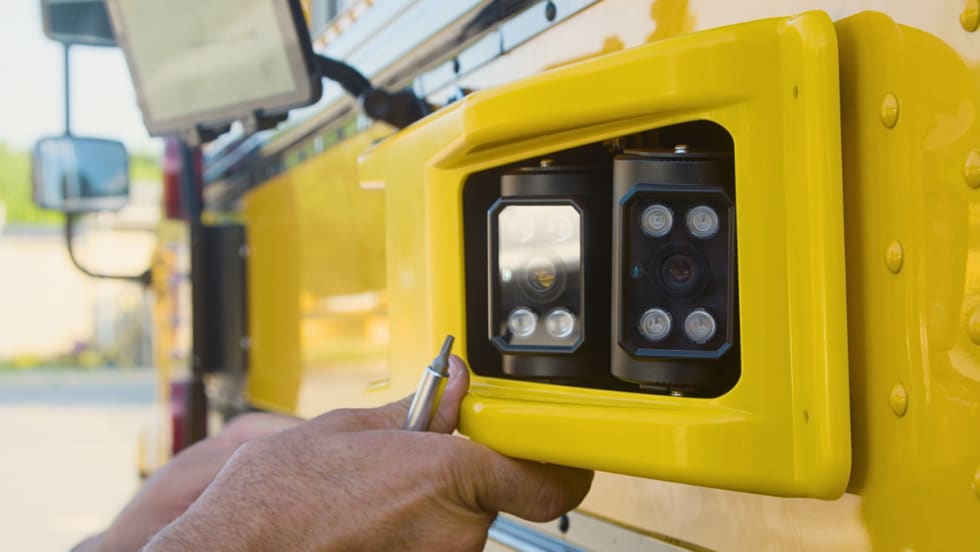
Florida District Relaunches BusPatrol School Bus Camera Program With New Safeguards
After being suspended over due process concerns, Miami-Dade schools and law enforcement are restarting the AI-powered stop-arm camera program with new oversight.
Read More →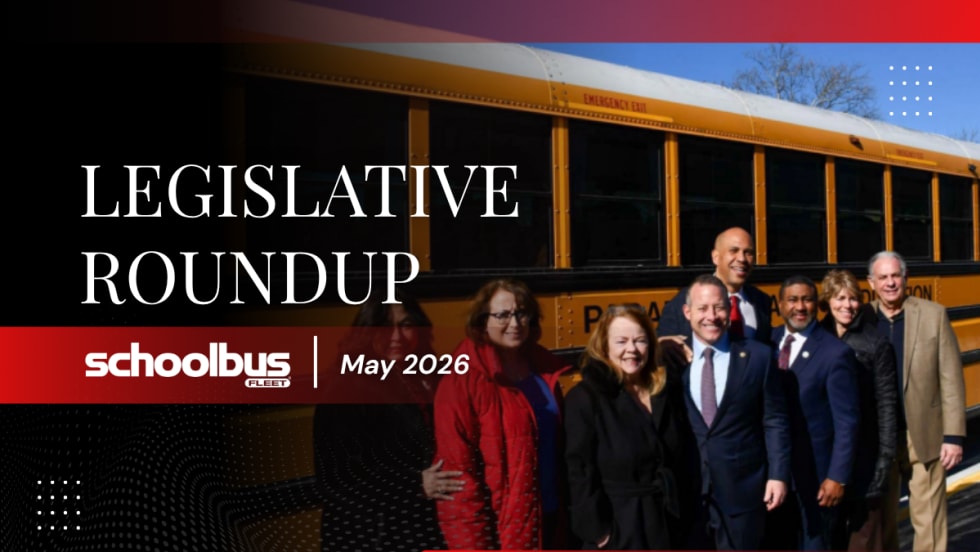
School Bus Laws To Watch: Seat Belt Bills, Funding Fights & EV Changes
From national bills on seat belts and driver oversight to driver awareness campaigns referencing “Finn’s Rule” and ongoing transportation funding debates in Alaska, here’s the latest in school bus legislation across the U.S.
Read More →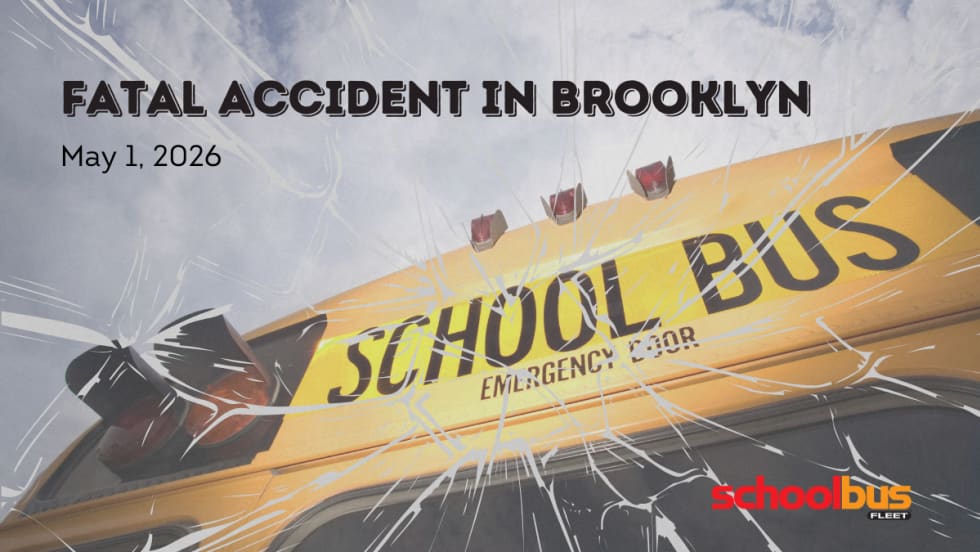
9-Year-Old Boy Killed by School Bus at Busy Brooklyn Intersection
A Williamsburg community is mourning after a child was fatally struck by a private yeshiva bus, prompting calls for urgent safety improvements at the high-traffic crossing.
Read More →
Does Reliable School Transportation Boost Attendance? EverDriven’s Data Says Yes
The new data shows 99.99% incident-free trips and strong on-time performance, reinforcing how dependable transportation, especially for vulnerable student populations, can help districts combat chronic absenteeism.
Read More →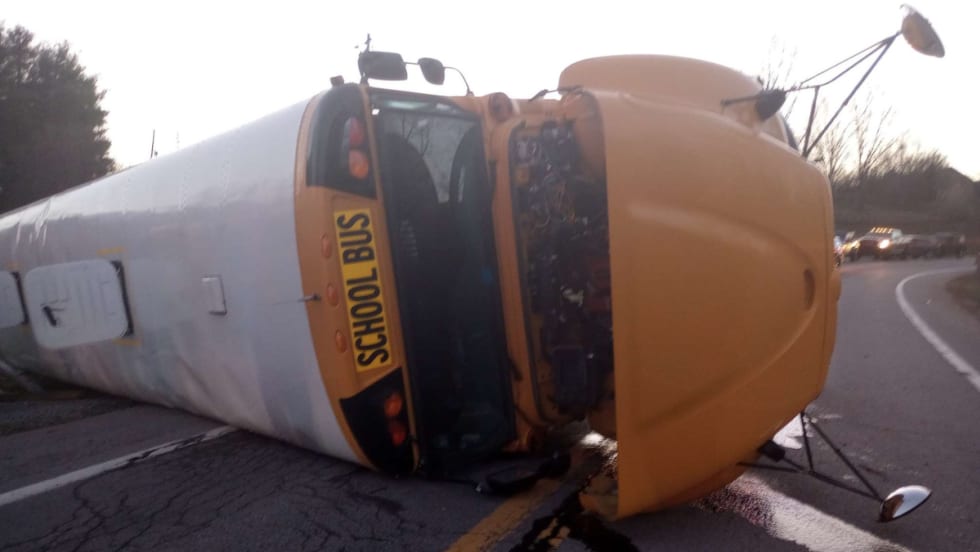
NTSB Calls for Alcohol Impairment Systems, Seat Belts After W.V. Crash Investigation
The federal agency's report asks NHTSA to require all new school buses to be equipped with vehicle-integrated alcohol detection systems and passenger lap-shoulder belts.
Read More →
2026 State of Student Transportation Report
Student transportation teams are being asked to do more with less, facing driver shortages, rising costs, and increasing safety expectations. This report uncovers how fleets are adapting, where technology is making the biggest impact, and why student ridership tracking is emerging as a top priority. Download the report to explore the key trends shaping 2026 and what they mean for your operation.
Read More →